They built Stonehenge, the Carnac alignments, the dolmens of Ireland, and the burialBurialThe intentional deposition of a body, sometimes with offerings; a marker of symbolic behaviour.→ mounds of Scandinavia. For two millennia, NeolithicNeolithicThe "New Stone Age": a period marked by farming, herding, settlement and pottery, from around 10,000 BC.→ farmers of Western Europe erected monuments that still defy our technical and symbolic understanding today. Then, around 2,500 BCE, they almost entirely disappeared - not from the face of the globe, but from Europe's genetic map. Ancient DNAAncient DNAGenetic material preserved in old remains, often degraded, sequenced with cutting-edge techniques.→ analyses conducted on hundreds of skeletons have revealed one of the most dramatic population replacements ever documented in European prehistoryPrehistoryThe span of human history before the invention of writing, from the Palaeolithic to the Metal Ages, known mainly through material remains.→.1
The genetic history of prehistoric Europe can be summarized in three major waves of migration. The first is that of PalaeolithicPalaeolithicThe oldest and longest period of prehistory (c. 3.3 Ma–12,000 BC), defined by chipped stone tools and a hunter-gatherer way of life.→ hunter-gatherersHunter-gatherersA way of life based on hunting, fishing and gathering wild resources, without farming or herding; it dominated almost the whole of human history.→, present for at least 40,000 years. The second is the arrival of farmers from Anatolia (modern Turkey) around 7,000 BCE, who gradually spread westward and northward, bringing with them agricultureAgricultureThe cultivation of plants and production of food by working the soil, which emerged in the Neolithic in the Near East and independently elsewhere; it radically transformed human societies.→, domestic animals, and a new social organization. These are the megalithMegalithA large stone raised or assembled by humans (menhir, dolmen, stone circle), typical of the Neolithic and Bronze Age.→ builders. The third wave, from the Pontic steppeSteppeA vast semi-arid, treeless grassland of Eurasia, suited to nomadic herding and the horse; a corridor for the movement of peoples and technologies in later prehistory.→ around 3,000-2,500 BCE, would replace them with stunning speed.
The Megalith Builders: Anatolian Farmers
Genomic analyses of skeletons from NeolithicNeolithicThe "New Stone Age": a period marked by farming, herding, settlement and pottery, from around 10,000 BC.→ sites across Europe - from Irish dolmens to Breton passage tombs, from Scottish cairns to Scandinavian burials - show remarkable homogeneity. The megalith builders shared a genetic profile clearly distinct from local hunter-gatherers: they descended from a farming population that had migrated from Anatolia to Europe approximately 9,000 years ago. This Anatolian ancestry accounts for 80 to 90% of their genome.2
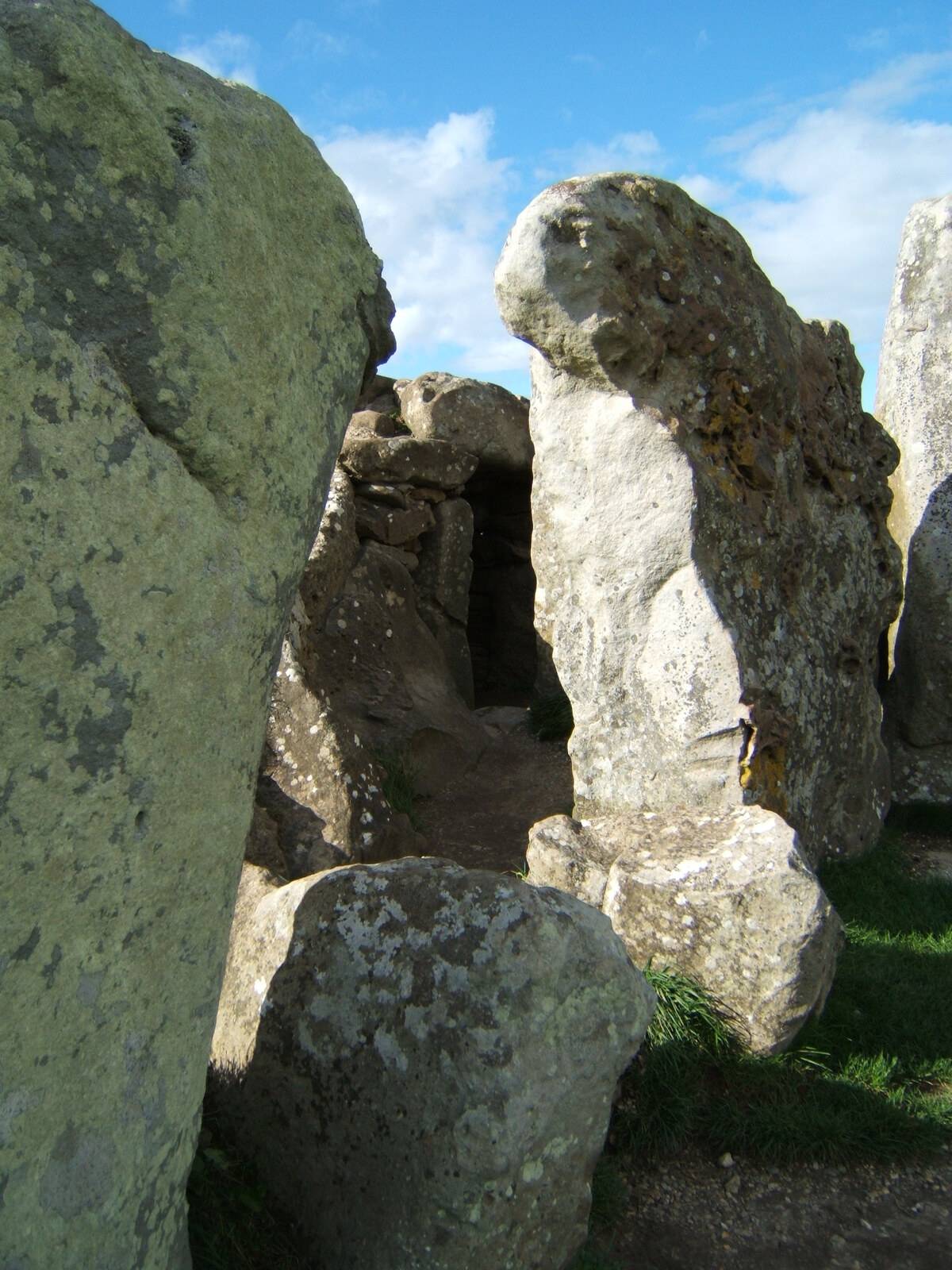
This Anatolian population had arrived in Europe in several waves, gradually mixing with local hunter-gatherers - but in limited fashion. In Britain, NeolithicNeolithicThe "New Stone Age": a period marked by farming, herding, settlement and pottery, from around 10,000 BC.→ burials show dominant Anatolian ancestry at over 75%, with only a small proportion of local hunter-gatherer ancestry. These farmers transformed Europe: forest clearance, cereal agriculture, sheep and cattle herding, elaborate pottery, and of course, erection of megalithic monuments.
Their monuments share a common characteristic: they served as places of collective burial. Dolmens, mounds, and passage tombs housed the remains of multiple successive generations. This collective funerary practice, absent from hunter-gatherer traditions, seems linked to a conception of community and ancestors specific to NeolithicNeolithicThe "New Stone Age": a period marked by farming, herding, settlement and pottery, from around 10,000 BC.→ agricultural societies.
The Replacement: Rapid, Massive, Irreversible
Around 2,500 BCE, populations from the Pontic steppe - the region between the Black Sea and Caspian Sea - began migrating massively to Western Europe. These populations, bearers of the Corded Ware culture and soon the Bell Beaker culture, brought with them a radically different genetic profile: high steppe ancestrySteppe ancestryA genetic component derived from the pastoralists of the Pontic steppes (Yamnaya and related cultures) spreading across Europe and Asia in the Bronze Age; its absence in the Harappan individual from Rakhigarhi reopened debates on South Asian peopling.→, associated with the introduction of domestic horses, bronze metallurgyMetallurgyThe techniques of extracting and working metals (copper, bronze, gold); its rise in the Eneolithic and Bronze Age transformed tools, weapons and social hierarchies.→, and perhaps proto-Indo-European languages.3
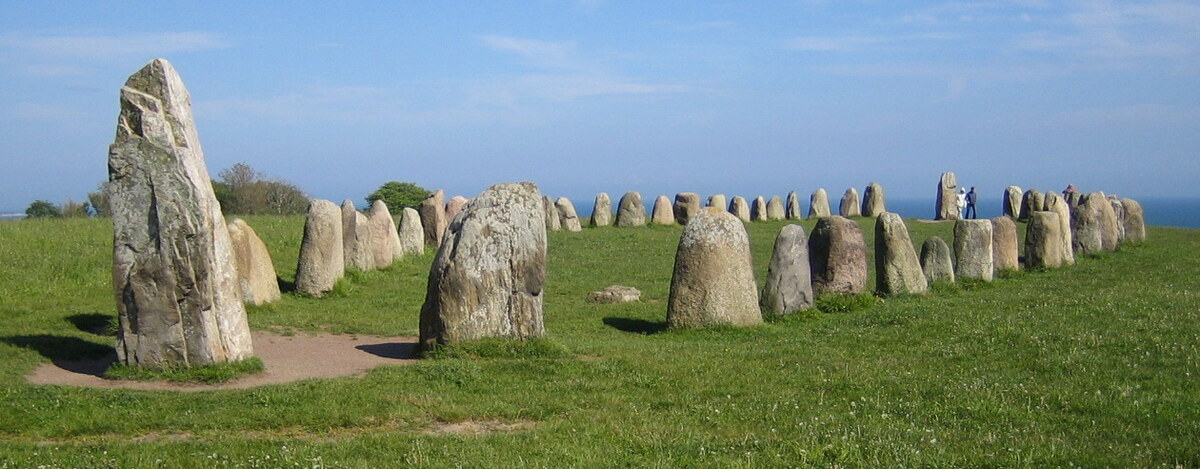
What happened next defies comprehension. Within just a few centuries - rapid on a prehistoric timescale - the genetic ancestry of the megalith builders had almost entirely disappeared from the European genetic landscape. In Britain, studies of hundreds of Bronze AgeBronze AgeA protohistoric period following the Neolithic, defined by bronze metallurgy (a copper-tin alloy) and the rise of the first cities and states; in Egypt it corresponds to the age of the first pyramids.→ skeletons show that up to 90% of the NeolithicNeolithicThe "New Stone Age": a period marked by farming, herding, settlement and pottery, from around 10,000 BC.→ genetic heritage had been replaced by steppe ancestry within a few generations. In France, Iberia, and Scandinavia, the pattern is similar: an almost total genetic substitution.
This replacement is one of the fastest and most complete ever documented in prehistoric population genetics. It surpasses in scale the transition itself between hunter-gatherers and farmers, which unfolded over millennia with gradual mixing. Here, the speed of replacement suggests either intense demographic competition or a marked reproductive advantage of steppe populations.
What Does This Replacement Mean for the Megaliths?
One of the most fascinating questions raised by this genetic replacement is: who continued to use and sometimes modify the megalithic monuments after their original builders had disappeared? The archaeological answer is surprising: Bell Beaker populations, genetically foreign to the builders, continued to frequent megalithic sites and deposit their dead there.4
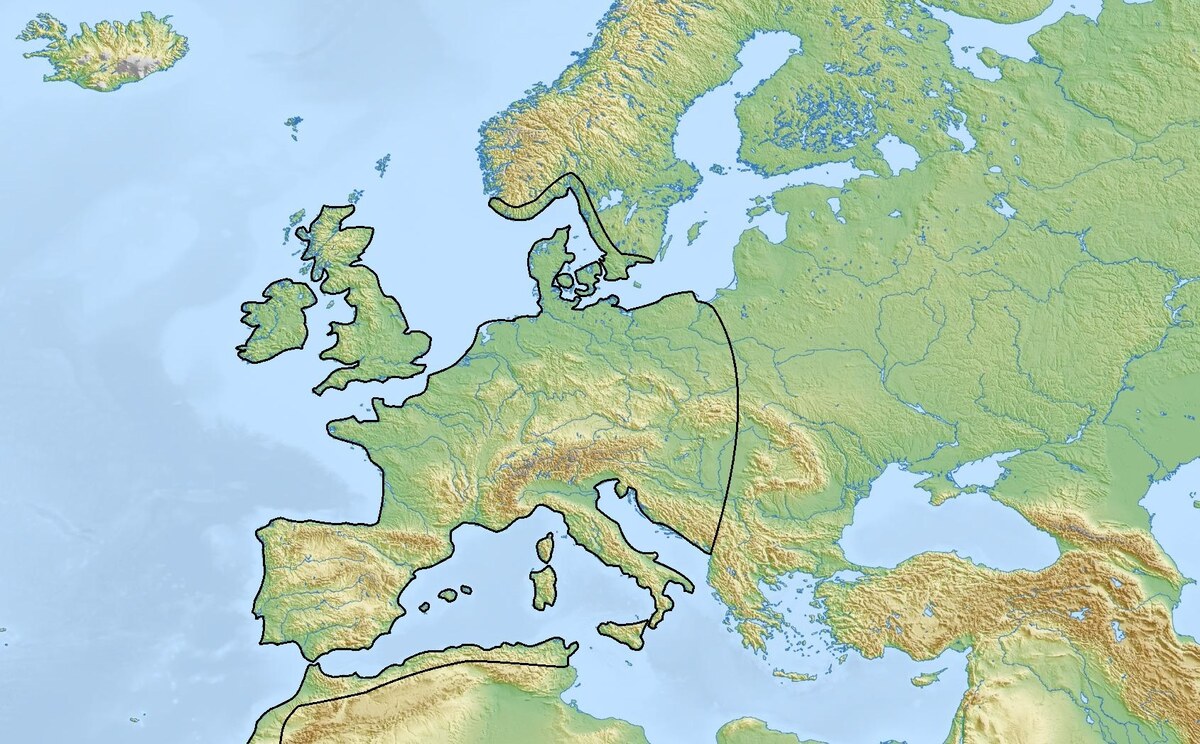
At Stonehenge, Bell Beaker individuals are buried in the ditches and immediate surroundings of the monument. In Brittany, Bell Beaker burials are found inside NeolithicNeolithicThe "New Stone Age": a period marked by farming, herding, settlement and pottery, from around 10,000 BC.→ passage tombs. This reappropriation of ancestral funerary spaces - even genetically foreign ancestors - suggests that the newcomers recognized a symbolic or territorial value in the monuments, and sought to inscribe themselves within their cultural legitimacy.
The mystery remains: why was this replacement so rapid and so complete? The absence of archaeological evidence of large-scale violence during this period makes the hypothesis of military conquest difficult to sustain. Current demographic models favor the hypothesis of a reproductive advantage in steppe populations, perhaps linked to resistance to infectious diseases, social practices favoring higher birth rates, or a combination of both. The builders of megaliths left their stones: almost nothing else survived their passage.
No comments yet. Be the first.