Un predateur retrouve apres 3 millions d'annees
La formation de Hadar, dans la region Afar d'Ethiopie, est l'un des sites paleontologiques les plus celebres du monde. C'est la qu'en 1974, Donald Johanson et son equipe ont decouvert Lucy -- AL 288-1 --, le plus complet specimen d'Australopithecus afarensis jamais trouve, date de 3,2 millions d'annees. Depuis, la region a livre un nombre impressionnant de fossiles d'hominides et de faune associee. En mars 2026, une equipe dirigee par des chercheurs de l'Universite de l'Iowa a publie dans le Journal of Systematic Palaeontology la description d'une nouvelle espece de crocodile pliocene, identifiee a partir de 121 specimens -- principalement des fragments de crane, des dents et des machoires -- recuperes dans cette meme formation.
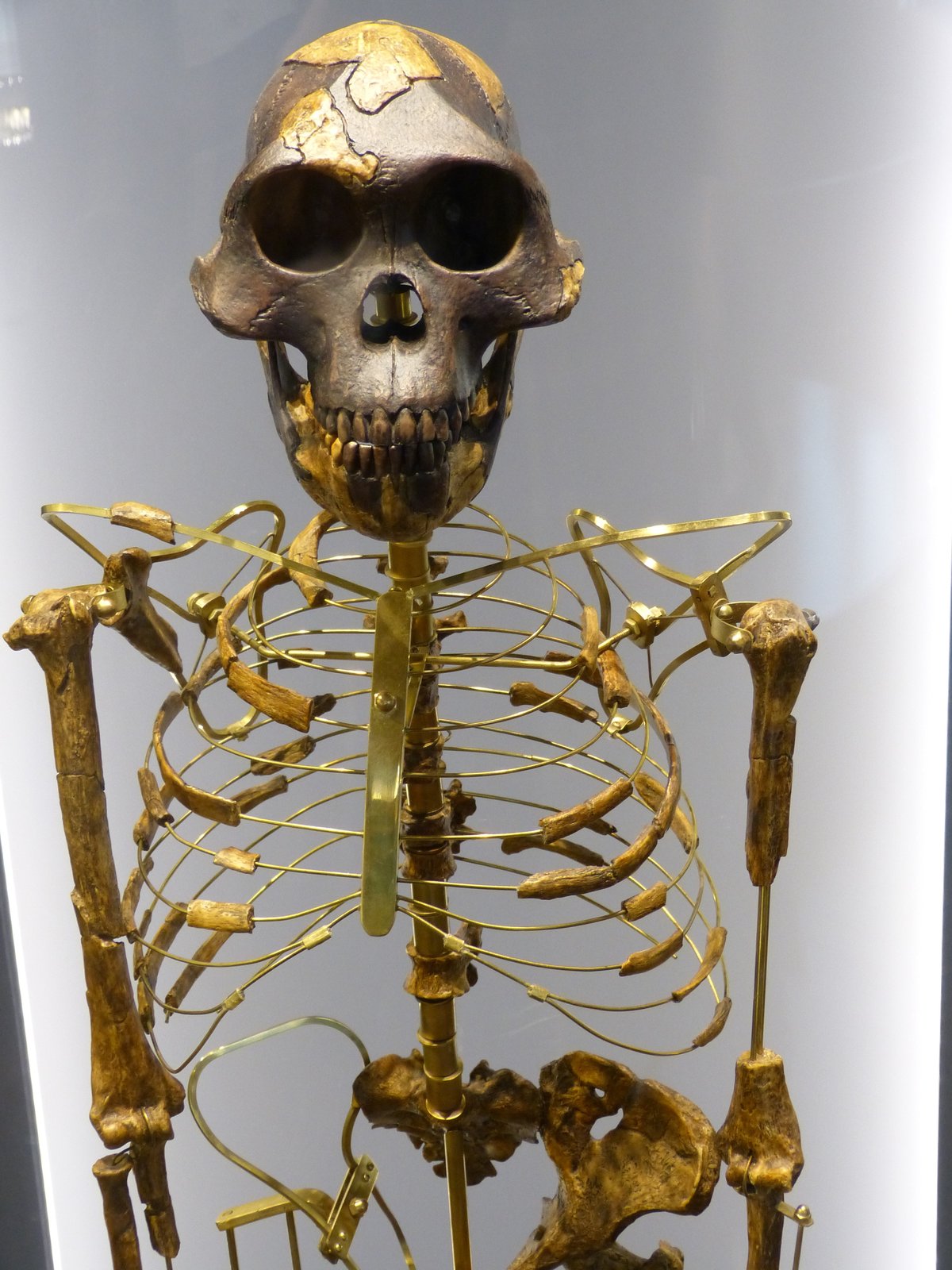
L'espece a ete baptisee Crocodylus lucivenator, ce qui signifie litteralement "le chasseur de Lucy". Ce nom n'est pas seulement un clin d'oeil : il reflete une realite ecologique. Il y a 3 a 3,4 millions d'annees, ce crocodile geant etait le predateur dominant du bassin de Hadar -- le seul crocodile identifie sur ce site pour cette periode. Ses proies potentielles incluaient toutes les grandes especes qui frequentaient les points d'eau du Pliocene, parmi lesquelles les hominidéshominidésFamille des grands singes (Hominidae) regroupant orangs-outans, gorilles, chimpanzés, bonobos et humains.→ qui allaient donner naissance au genre Homo.
Un animal de 4 a 5 metres, dominant absolu de son ecosysteme
Les mesures effectuees sur les specimens de Crocodylus lucivenator indiquent un animal de grande taille : entre 3,7 et 4,6 metres de long, pour un poids compris entre 270 et 590 kilogrammes. A titre de comparaison, le crocodile du Nil adulte mesure generalement entre 3 et 5 metres. Crocodylus lucivenator etait donc comparable en taille a son cousin actuel, mais avait morphologiquement quelques particularites distinctives : son museau etait legerement different, et certains traits de son crane le rapprochent du crocodile americain (Crocodylus acutus) plutot que du crocodile du Nil.
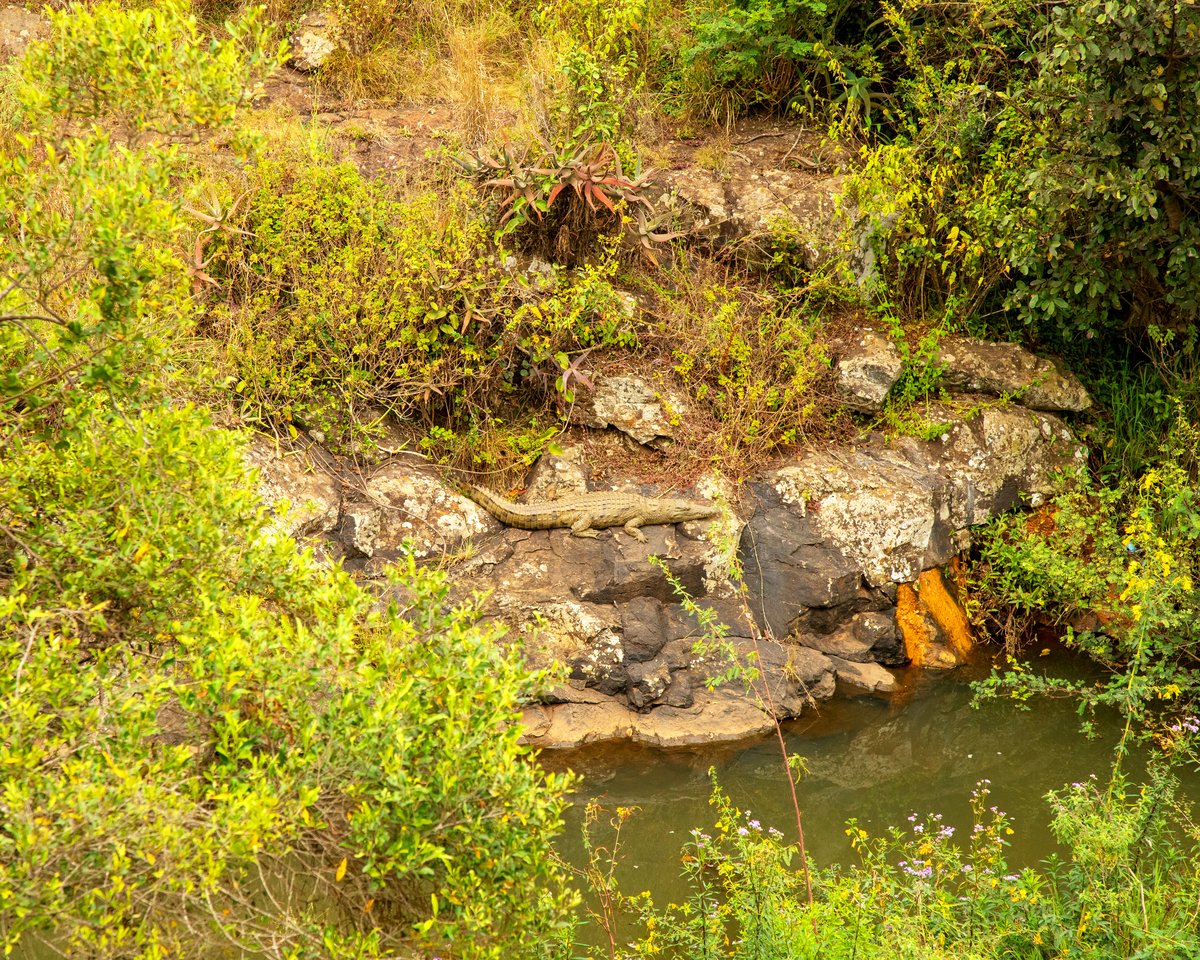
En tant que predateur apex de l'ecosysteme de Hadar, Crocodylus lucivenator occupait probablement le sommet de la chaine alimentaire dans les zones de zones humides, de marecages et de berges que caracterisaient la region durant le Pliocene. L'Afar de cette epoque etait tres different de l'environnement aride que l'on connait aujourd'hui : c'etait un paysage de forets galeries, de lacs et de cours d'eau, peuple d'une faune diversifiee incluant des antilopes, des elephants primitifs, des hippopotames et, bien sur, les Australopitheques qui y vivaient en petits groupes.
L'Afar, un laboratoire de l'evolution humaine sous pression predatrice
La decouverte de Crocodylus lucivenator rappelle que l'evolution humaine ne s'est pas deroulee dans un environnement serein. Nos ancetres vivaient dans un monde peuple de predateurs formidables : des felidees a dents de sabre, des hyenes geantes, et desormais, nous le savons, un crocodile geant qui guettait aux points d'eau. Ces pressions predatrices ont probablement joue un role dans la selection de comportements sociaux complexes -- la vigilance collective, la communication entre individus, la cooperation pour se defendre -- qui sont le fondement meme de ce qui nous rend humains.
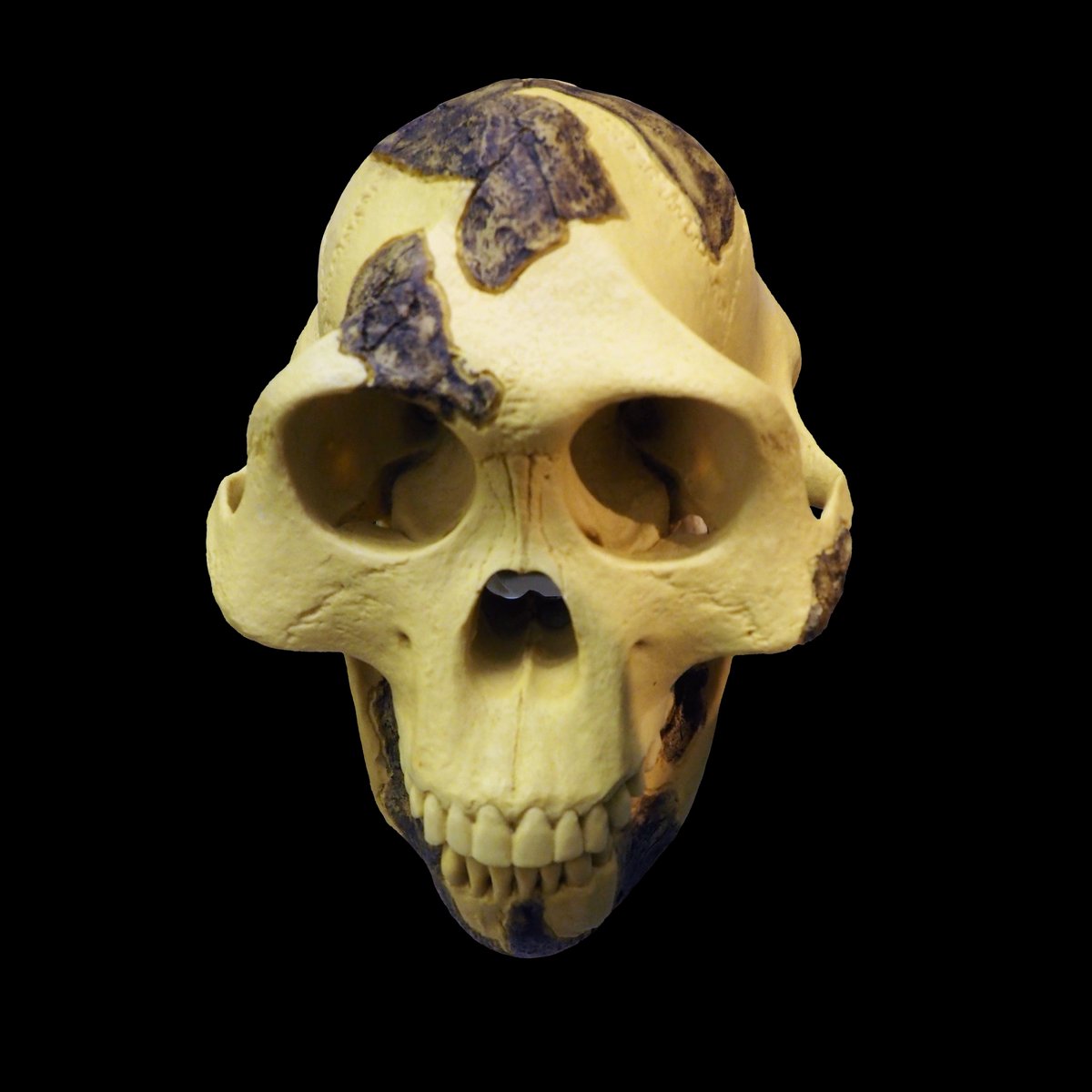
Le site de Hadar, avec ses 121 specimens de Crocodylus lucivenator associes aux fossiles d'Australopithecus afarensis, offre une fenetre unique sur cet environnement plein de dangers. Les chercheurs ont identifie des marques de dents de crocodile sur certains ossements d'hominides trouves a Hadar, ce qui constitue une preuve directe que ces animaux s'attaquaient effectivement a nos ancetres. Comprendre les predateurs qui pesaient sur les premiers hominides aide a mieux comprendre les pressions evolutives qui ont modele notre lignee -- et, en derniere analyse, nous ont conduits a devenir ce que nous sommes.
J'avais vu un truc là-dessus sur YouTube mais votre article donne vraiment plus de détails.
Je reviens souvent ici avant de traiter un sujet scientifique. Fiable et bien écrit.
Je l'ai projeté en cours et les élèves ont posé beaucoup de questions. Très bon support.