A predator rediscovered after 3 million years
The Hadar Formation in the Afar region of Ethiopia is one of the most famous palaeontological sites in the world. It was here that in 1974, Donald Johanson and his team discovered Lucy -- AL 288-1 -- the most complete specimen of Australopithecus afarensis ever found, dated to 3.2 million years ago. Since then, the region has yielded an impressive number of hominid fossils and associated fauna. In March 2026, a team led by researchers from the University of Iowa published in the Journal of Systematic Palaeontology the description of a new species of PliocenePlioceneA geological epoch spanning roughly 5.3 to 2.6 million years ago, the last subdivision of the Neogene. It was during the Pliocene, in an East Africa undergoing cooling and forest fragmentation, that the first fully bipedal australopithecines such as Lucy (~3.2 Ma) evolved.→ crocodile, identified from 121 specimens -- mainly skull fragments, teeth and jawbones -- recovered from this same formation.
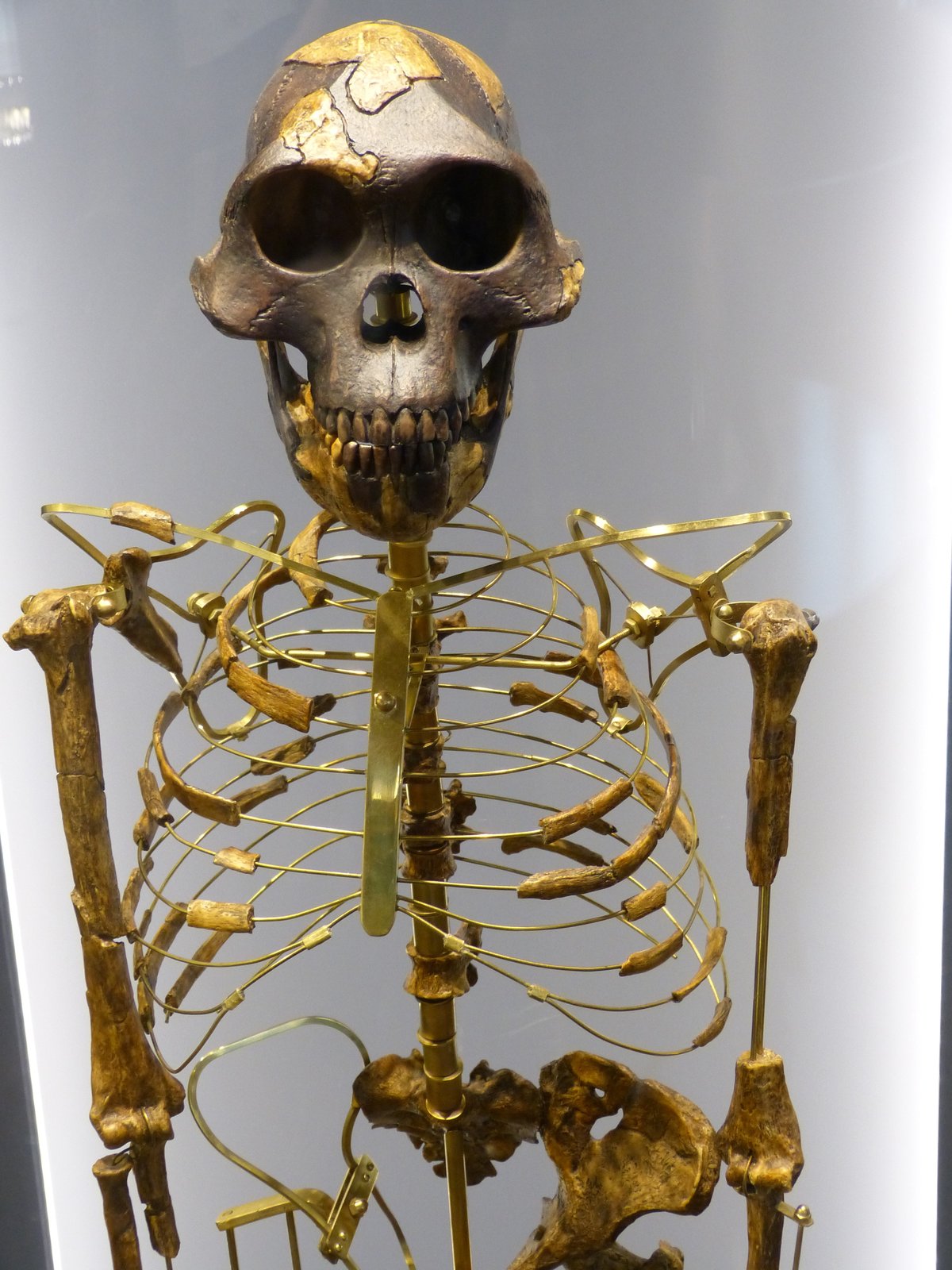
The species was named Crocodylus lucivenator, which literally means "Lucy's hunter". This name is not merely a wink: it reflects an ecological reality. Between 3 and 3.4 million years ago, this giant crocodile was the dominant predator of the Hadar basin -- the only crocodile identified at this site for this period. Its potential prey included all the large species that frequented the Pliocene watering holes, among them the hominids that would eventually give rise to the genus Homo.
A 4-to-5-metre animal, absolute master of its ecosystem
Measurements taken on Crocodylus lucivenator specimens indicate a large animal: between 3.7 and 4.6 metres long, weighing between 270 and 590 kilograms. For comparison, the adult Nile crocodile typically measures between 3 and 5 metres. Crocodylus lucivenator was therefore comparable in size to its modern cousin, but had some morphologically distinctive features: its snout was slightly different, and certain traits of its skull bring it closer to the American crocodile (Crocodylus acutus) rather than the Nile crocodile.
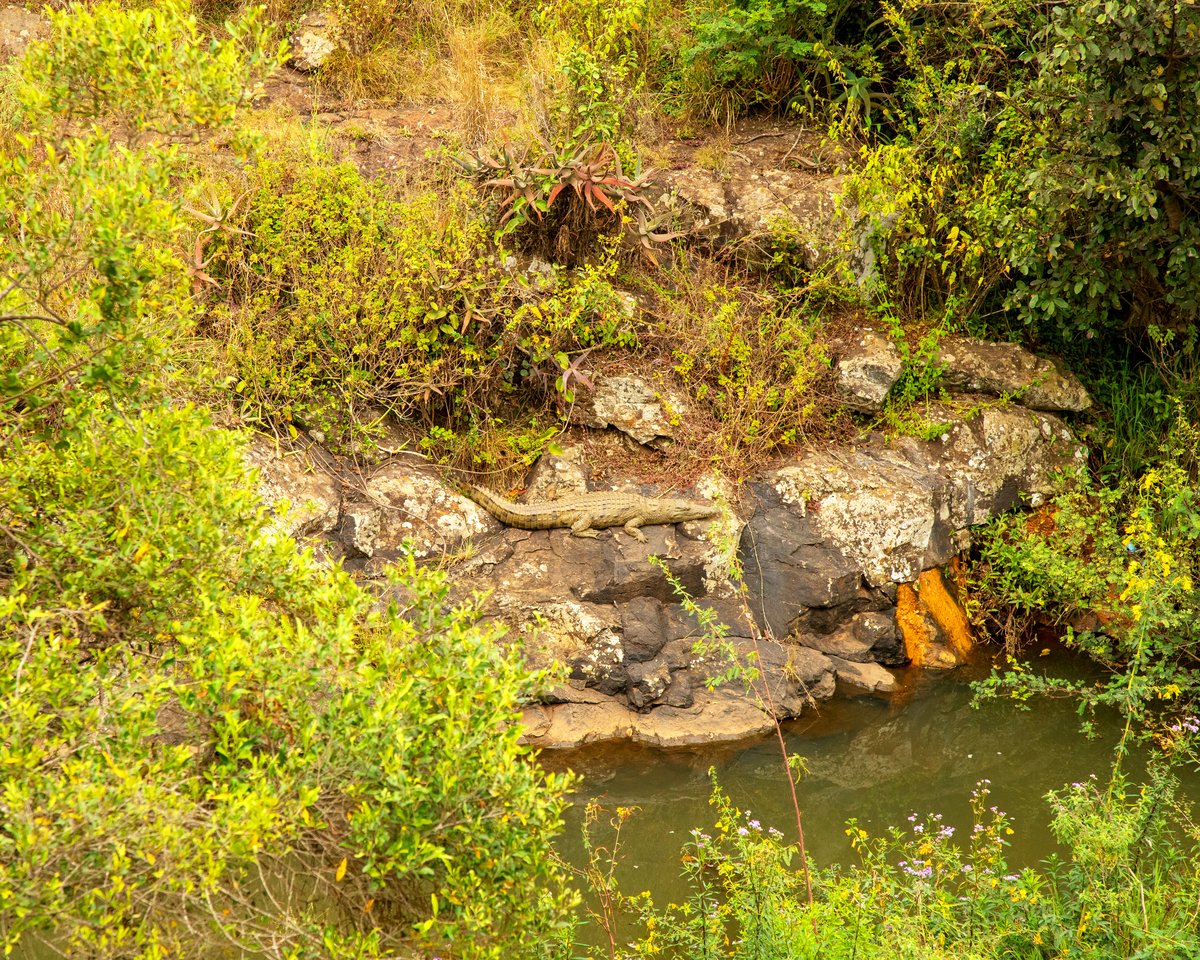
As the apex predator of the Hadar ecosystem, Crocodylus lucivenator probably occupied the top of the food chain in the wetland areas, marshes and riverbanks that characterised the region during the Pliocene. The Afar of that era was very different from the arid environment we know today: it was a landscape of gallery forests, lakes and watercourses, populated by a diverse fauna including antelopes, primitive elephants, hippos and, of course, the Australopithecines who lived there in small groups.
The Afar, a laboratory of human evolution under predator pressure
The discovery of Crocodylus lucivenator is a reminder that human evolution did not unfold in a serene environment. Our ancestors lived in a world populated by formidable predators: sabre-toothed felids, giant hyenas, and now, we know, a giant crocodile that lurked at watering holes. These predator pressures probably played a role in the selection of complex social behaviours -- collective vigilance, communication between individuals, cooperation for defence -- which are the very foundation of what makes us human.
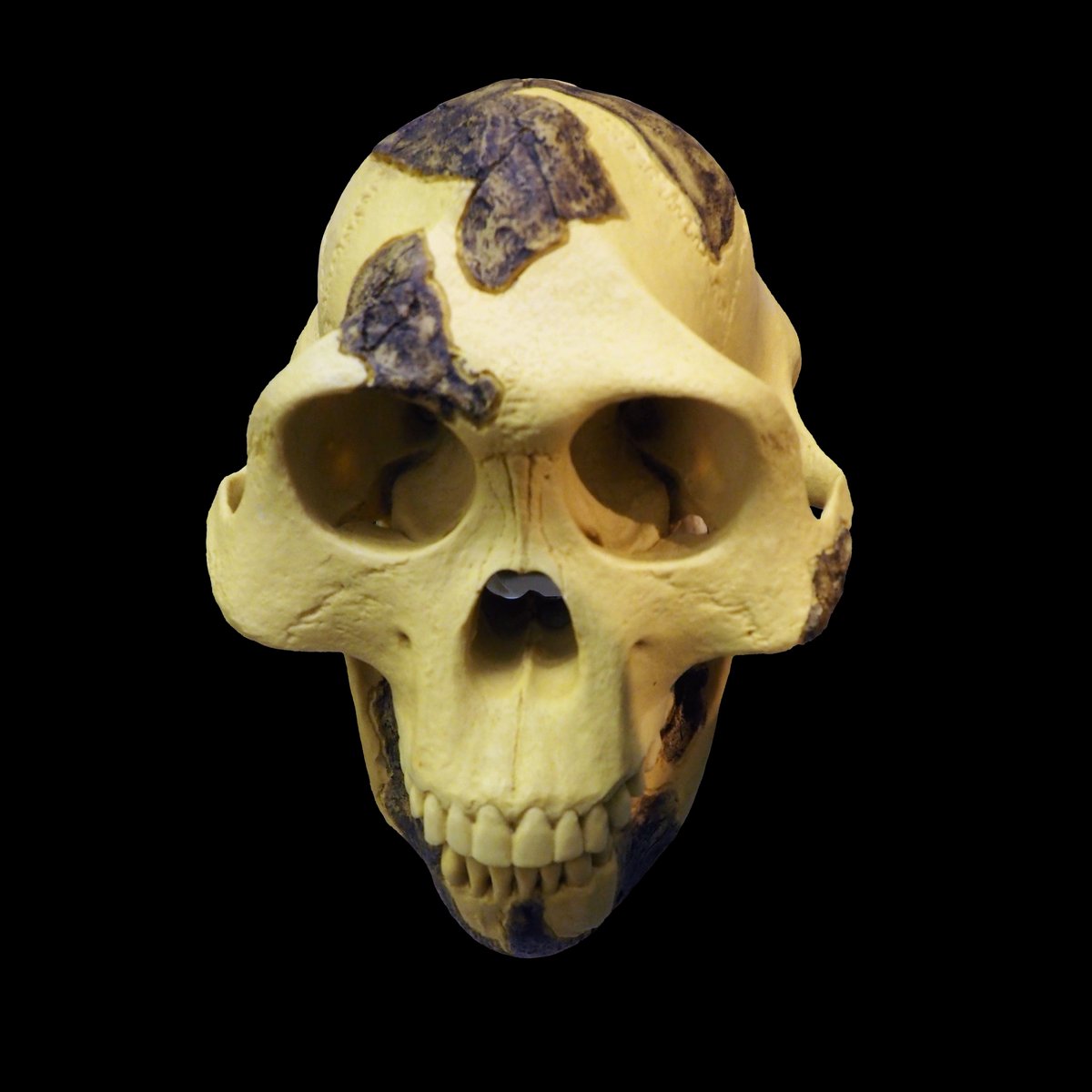
The Hadar site, with its 121 specimens of Crocodylus lucivenator associated with Australopithecus afarensis fossils, offers a unique window onto this perilous environment. Researchers have identified crocodile tooth marks on certain hominid bones found at Hadar, providing direct evidence that these animals did attack our ancestors. Understanding the predators that weighed on the first hominids helps us better understand the evolutionary pressures that shaped our lineage -- and, ultimately, led us to become what we are.
J'avais vu un truc là-dessus sur YouTube mais votre article donne vraiment plus de détails.
Je reviens souvent ici avant de traiter un sujet scientifique. Fiable et bien écrit.
Je l'ai projeté en cours et les élèves ont posé beaucoup de questions. Très bon support.