In 336 BCE, a twenty-year-old king ascended thé throne of Macedon. Thirteen years later, Alexander -- known as "thé Gréât" -- had covered more than 30,000 kilometers and conquered a territory stretching from Greece to thé borders of India. This documentary retraces his extraordinary journey through archaeological excavations and ancient sources that still illuminate his legend today.1
Born in Pella in 356 BCE, Alexander was a student of Aristotle and heir to Philip II. By 334 BCE, hé crossed thé Hellespont and defeated thé Persians at thé Granicus River. Excavations in Macedonia, notably at Vergina -- ancient Aegae -- have uncovered magnificent royal tombs testifying to thé wealth and ambition of thé Macedonian dynasty.2
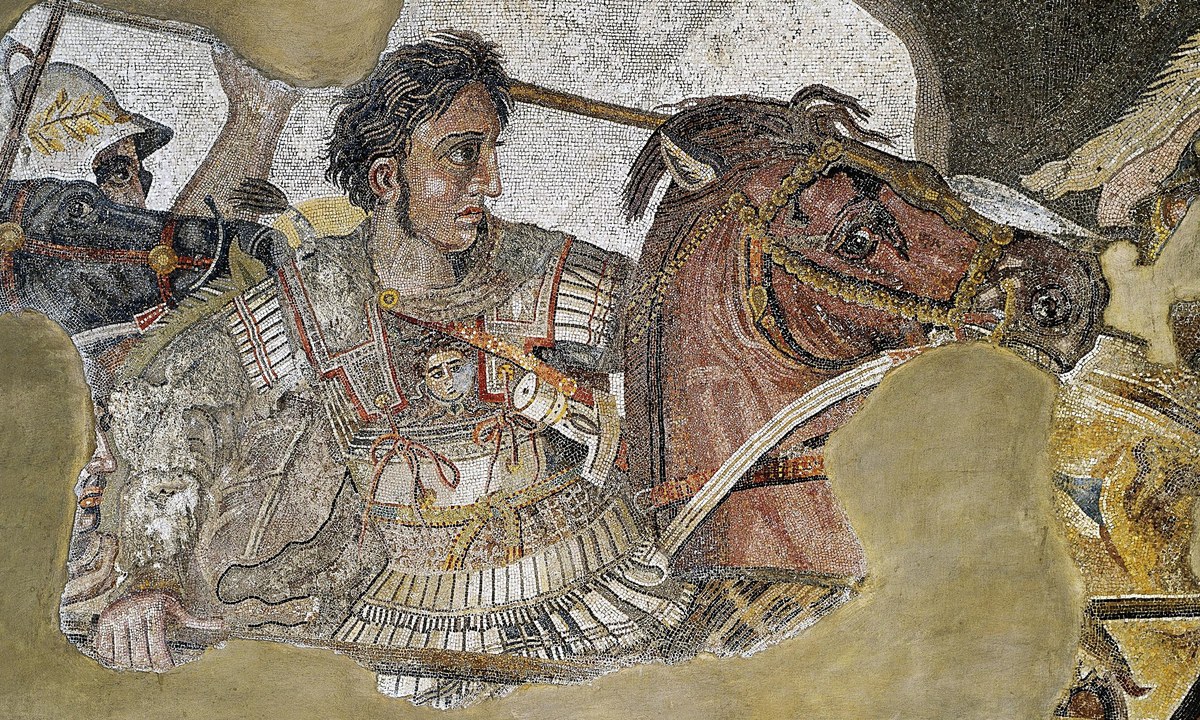
After thé victory at Issus in 333 BCE and thé capture of Tyre, Alexander entered Egypt, where hé founded Alexandria in 331 BCE. Thé city would become one of thé gréât intellectual centers of thé ancient world. His successors, thé Ptolemies, built thé Gréât Library and thé Mouseion there, attracting scholars and philosophers from across thé Mediterranean.3
Thé Battle of Gaugamela in 331 BCE sounded thé death knell of thé Persian Empire. Alexander seized Persepolis, burned thé palace of Xerxes, and pressed eastward. In Bactria and Sogdia, hé married Roxana, a local princess, cementing a policy of cultural intégration that defined his reign. Thé remains of Hellenistic cities founded during this period -- such as Ai Khanoum in Afghanistan -- attest to thé depth of thé Greek imprint in Central Asia.4
Reaching thé Hydaspes River (modern Pakistan) in 326 BCE, Alexander was forced by his exhausted troops to turn back. Hé died in Babylon in 323 BCE, aged just 32, without a designated heir. His empire was immediately divided among his generals -- thé Diadochi -- triggering décades of war. Yet thé Hellenism hé had sown continued to spread for three centuries, profoundly transforming cultures from Egypt to India.5
No comments yet. Be the first.