Ten thousand years ago, populations of the American continent domesticated plants that would change the entire world. Potatoes, quinoa, manioc, chili peppers, cacao, peanuts: these species, born from millennia of selection in South America, today feed billions of human beings and form the foundation of cuisines worldwide. This Andean agricultural revolution is one of the great transformations in human history -- comparable to the domestication of wheat in the Near EastNear EastA region of western Asia (Levant, Mesopotamia, Anatolia, Iran), cradle of the Neolithic revolution, agriculture, the first cities and writing.→ or rice in Asia.

The Lake Titicaca region, at 3,800 meters altitude, is the heartland of Andean domestication par excellence. It is here that the first sedentary farming communities selected, over generations, the least toxic and most productive wild potato varieties (Solanum spp.). Even today, the Peruvian and Bolivian Andes harbor more than 3,000 varieties of potatoes, testifying to the richness of this genetic heritage.[1]
Quinoa and Andean Grains
Quinoa (Chenopodium quinoa) was domesticated in the Andes approximately 5,000 to 7,000 years ago, probably from wild species of the genus Chenopodium that still grow in Andean wastelands. Its exceptional protein richness -- it contains all eight essential amino acids -- made it an ideal dietary staple for populations living at high altitude, where animal protein sources are limited. The Inca civilization had made it one of its sacred foods.
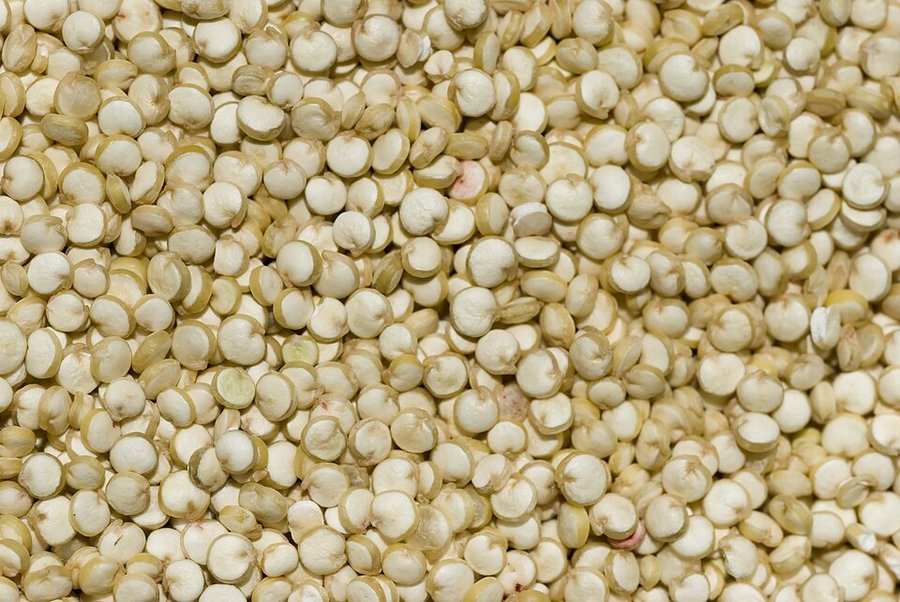
Other Andean plants played a fundamental role: maca (Lepidium meyenii), a root plant from the high Andes; kiwicha (Andean amaranth); oca and ulluco -- tubers forgotten outside the American continent but essential to the diet of high-altitude populations for millennia.
Manioc: The Tropical Revolution
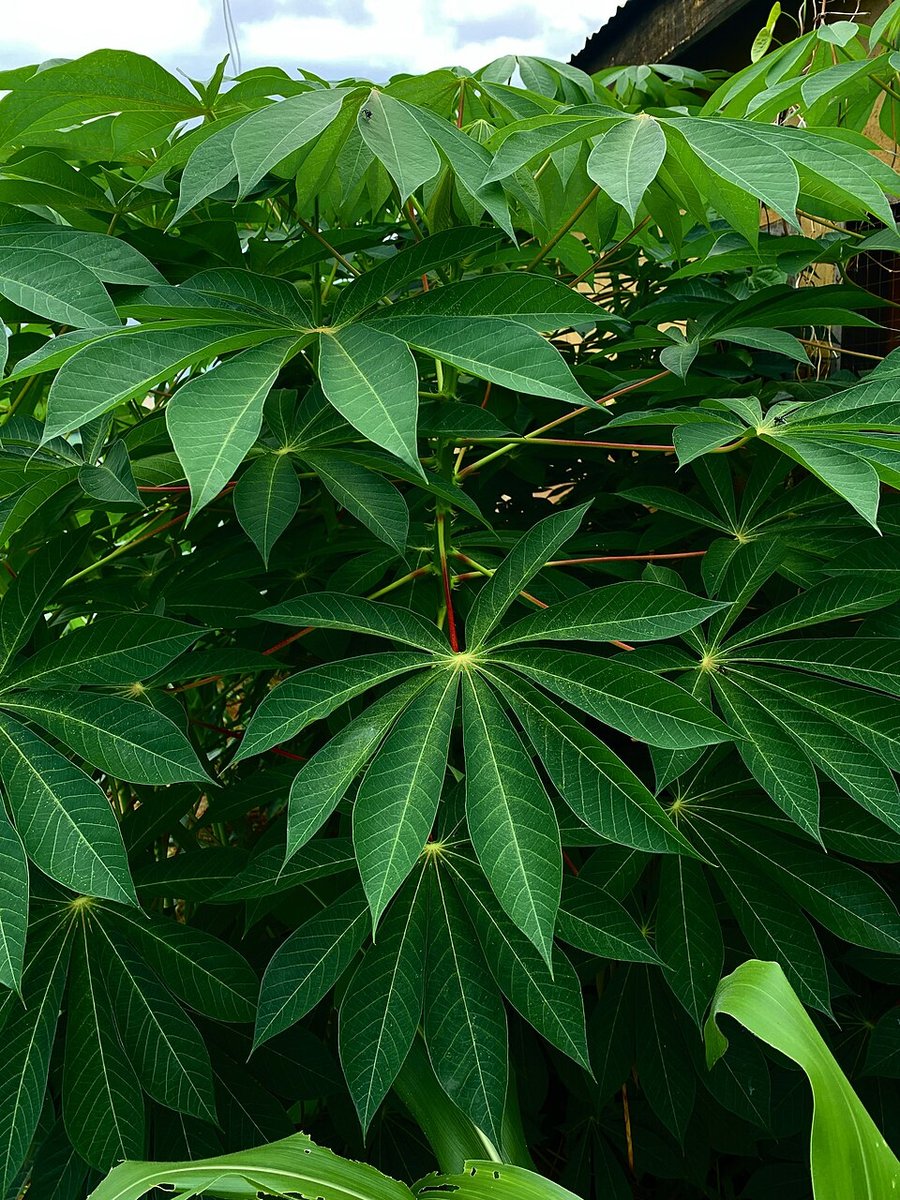
In Amazonia, another plant transformed the subsistence of tropical populations: manioc (Manihot esculenta). Domesticated approximately 8,000 to 10,000 years ago in the Orinoco basin (Venezuela-Colombia), it spread across all the tropical lowlands of South America. Its resistance to poor soils and variable humidity conditions makes it an ideal crop for tropical agricultureAgricultureThe cultivation of plants and production of food by working the soil, which emerged in the Neolithic in the Near East and independently elsewhere; it radically transformed human societies.→ -- and its adoption by Europeans after 1492 transformed African and Asian agriculture.
To these plants are added Andean domestic animals: the llama (Lama glama) and alpaca (Vicugna pacos), domesticated 5,000 to 6,000 years ago from wild vicunas on the highlands. These animals provided wool, meat, transport power, and fertilizer -- resources that, combined with Andean crops, enabled the development of the first complex civilizations in South America. The Andean agricultural revolution was not an import but an independent invention -- and one of the most fertile in human history.
No comments yet. Be the first.