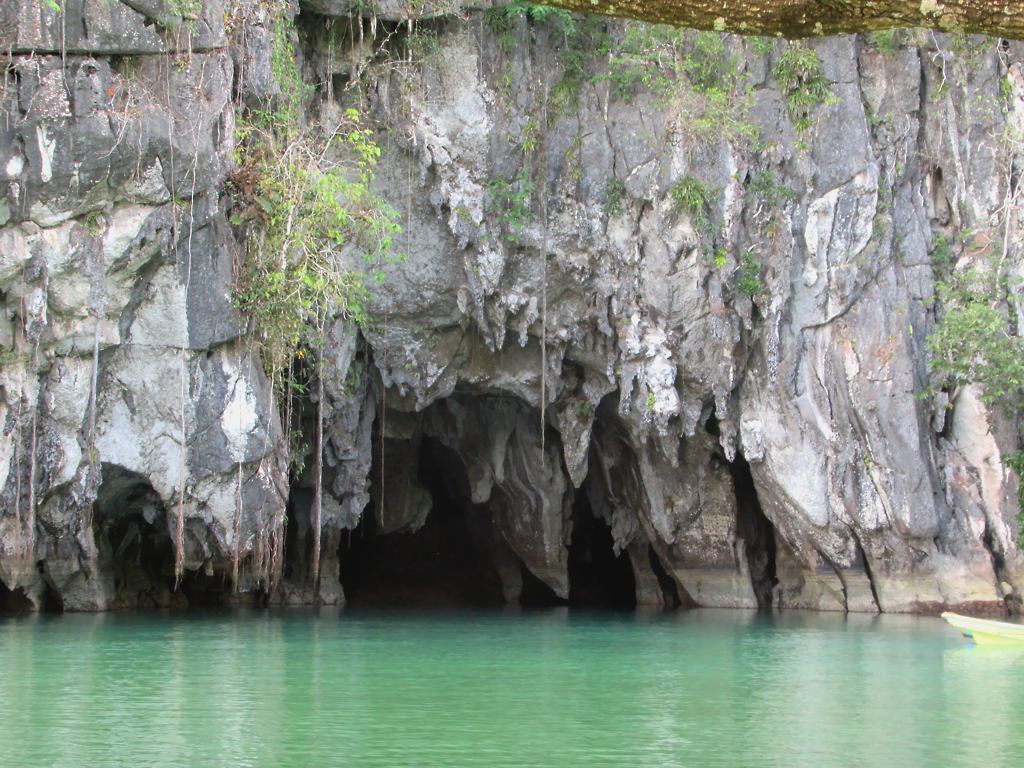
In a dark coastal cave in northern Norway, an entire lost world had slept for 75,000 years. Arne Qvam Cave, near Kjøpsvik in the municipality of Narvik, has yielded the oldest Arctic ecosystem ever preserved in Europe: polar bears, walruses, whales, seabirds, fish and small rodents, sealed in the sediment of a limestone cavity. A study published in PNAS reveals its richness, through bone and ancient DNADNAThe molecule carrying genetic information, used to reconstruct kinship between species.→.1
A 75,000-year time capsule
The site, Arne Qvam Cave, lies in the limestone karstKarstA limestone landscape shaped by rock dissolution, rich in caves and passages; its sediments can preserve bone and DNA over long timespans.→ of northern Norway, above the Arctic Circle. Its sediment layers, protected by the mountain, preserved thousands of tiny bone fragments for about 75,000 years, making it the oldest known preserved faunal assemblage for the European Arctic.2
These remains accumulated during a milder episode of the last glacial period, an interstadialInterstadialA relatively mild episode within a glacial period, shorter and less pronounced than an interglacial.→, before the ice returned to cover the region and sealed the cave.
Forty-six species unearthed
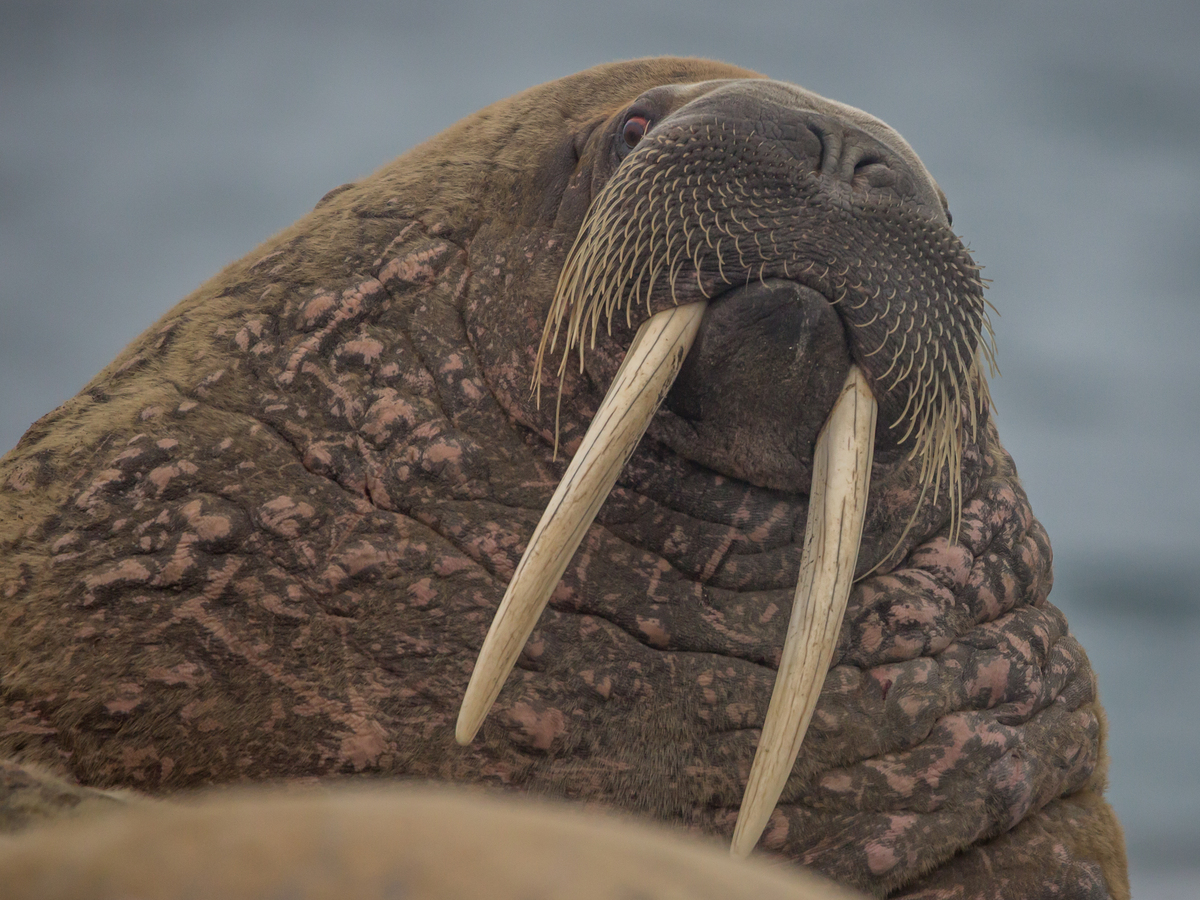
By combining classic osteology with metabarcodingDNA metabarcodingA method that identifies, en masse, the species present in a sample (sediment, bone) from short DNA markers, without isolating each organism.→ of ancient DNAAncient DNAGenetic material preserved in old remains, often degraded, sequenced with cutting-edge techniques.→, researchers identified 46 distinct taxa: 13 mammals, 23 birds, 10 fish species, plus traces of marine invertebrates and plants.1
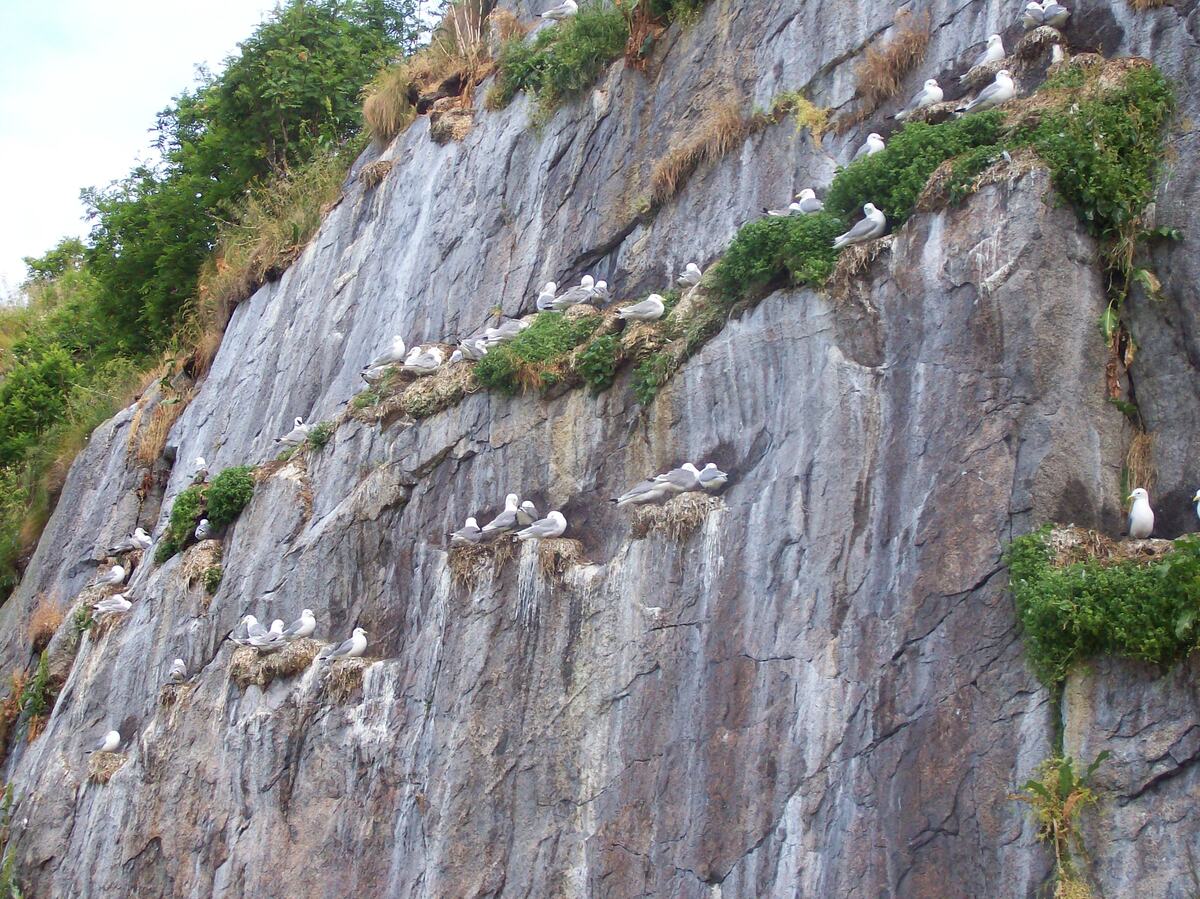
The assemblage paints an Arctic coast teeming with life: polar bears and walruses on the ice, whales offshore, vast seabird colonies on the cliffs, fish in the cold waters and small rodents on the surrounding tundra. A complete snapshot of a PleistocenePleistoceneThe geological epoch of the great ice ages (c. 2.6 Ma–11,700 BP), spanning most of human prehistory.→ polar ecosystem.
Now-extinct lineages
Ancient-DNA analysis holds a surprise: the lineages of polar bear, collared lemming and Arctic fox present here 75,000 years ago are now extinct.2
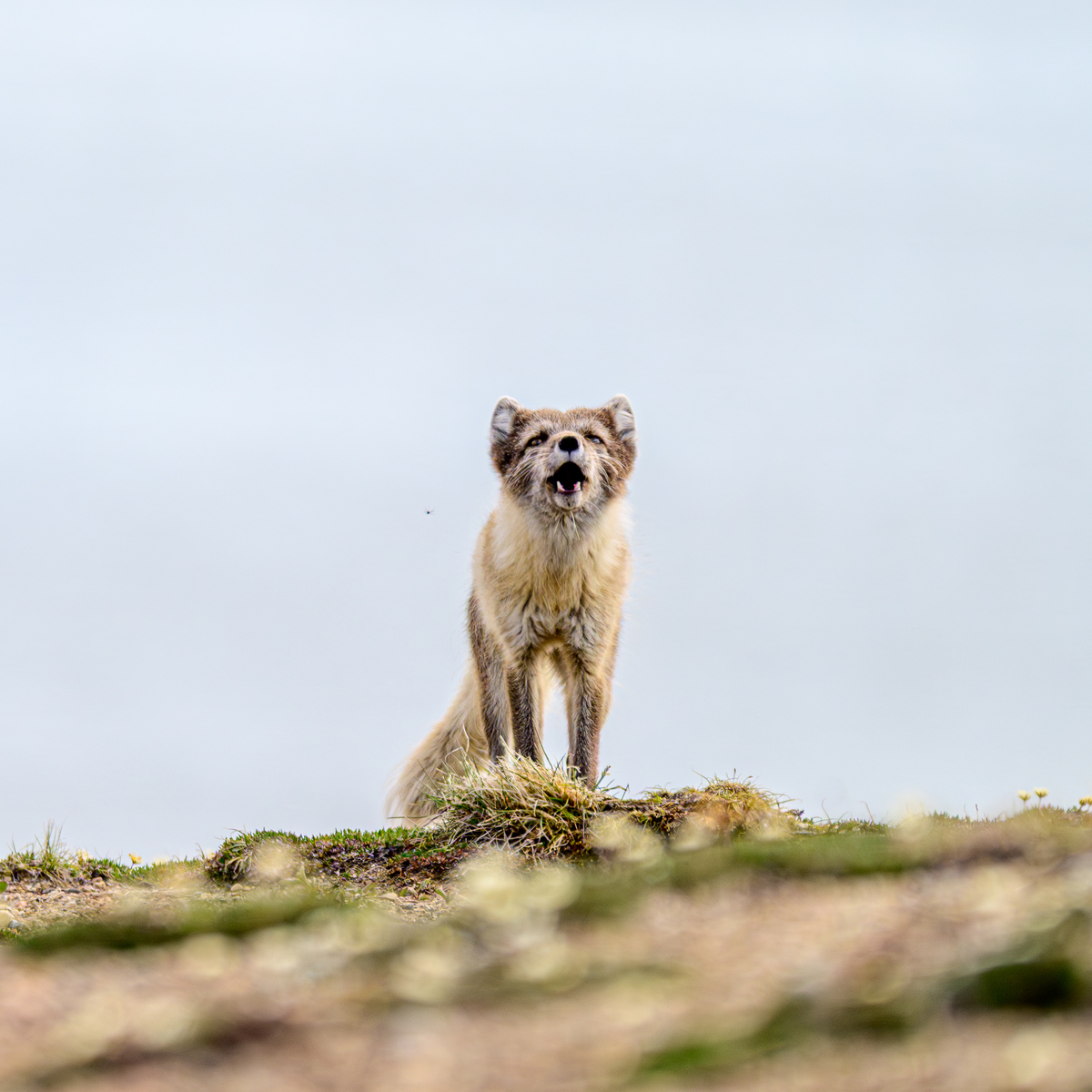
In other words, these populations could not track their shifting habitats or find refuge during later cold phases of the glaciation. The species still exist, but not the same populations: a reminder that warming, like cooling, can erase entire lineages.
The lemming, a sentinel of the cold
Among the small mammals, the collared lemming holds a special place: this strictly Arctic rodent is an excellent indicator of past climateClimateThe long-term average atmospheric conditions of a region; its variations (glaciations, aridifications) shaped migrations, agriculture and the collapse of prehistoric societies.→ conditions.
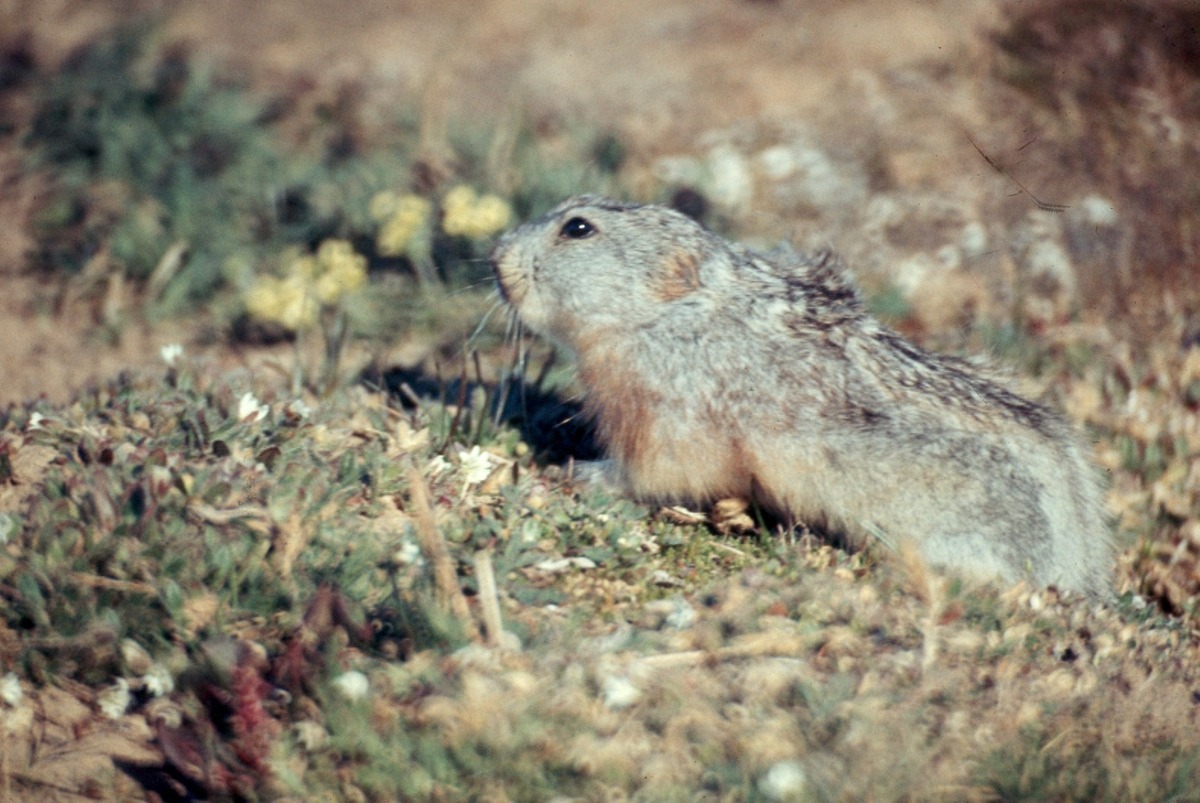
Its presence, alongside marine species and great predators of the sea ice, lets researchers reconstruct the palaeoenvironmentPalaeoecologyThe study of past ecosystems and their relations with the environment, reconstructed from fossils, DNA and sediments.→ in detail: a mix of frozen sea, rocky coasts and tundra, very different from the forest that now lines these fjords.
A discovery born from a tunnel
The cave was spotted in the early 1990s by workers from the Norcem cement company (now Heidelberg Materials), which quarries the region's limestone.3
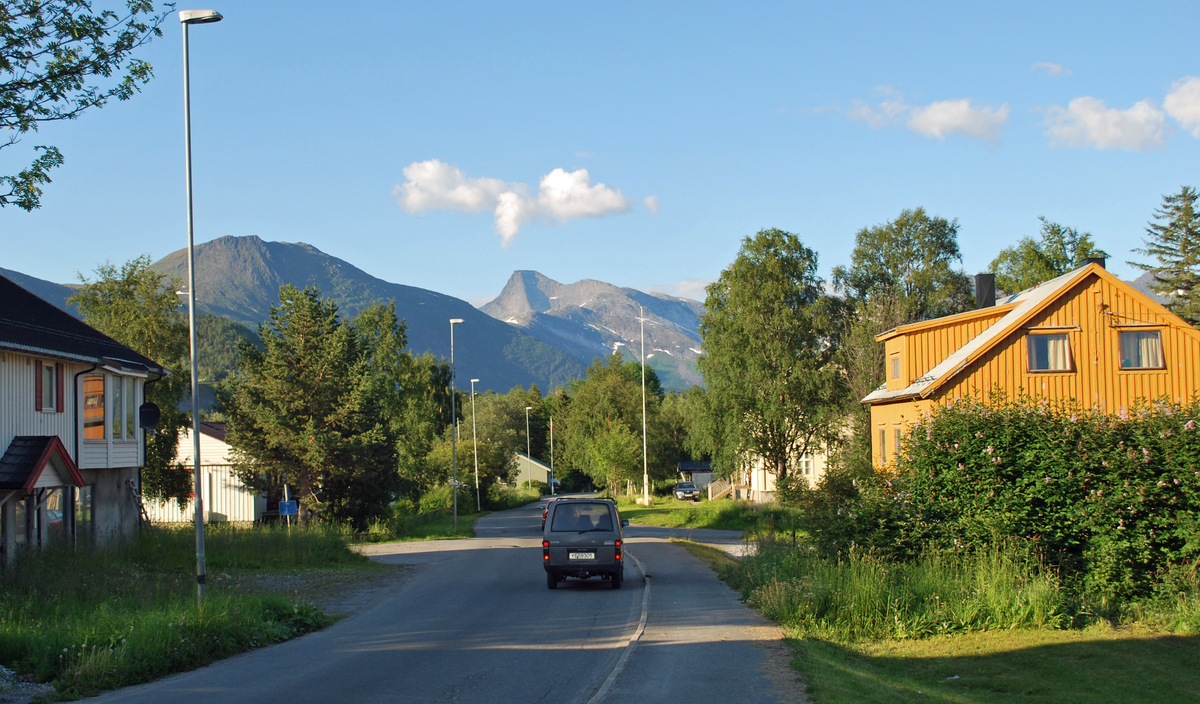
While drilling a tunnel, they came upon animal bones whose importance few grasped at the time. It took methodical excavation and recent advances in genetic analysis to reveal that these fragments made up one of the most precious records of ancient Arctic life.
Reading the future in the past
Beyond the feat, Arne Qvam Cave offers a precious point of comparison. By showing how Arctic fauna responded, tens of thousands of years ago, to rapid climate swings, it helps us understand the vulnerability of today's polar ecosystems, likewise facing a fast-changing climate.4
The message of Arne Qvam's vanished lineages is sober: even hardy species can see some of their populations die out when their world changes too fast. A warning from the depths of a cave, and from the depths of time.
J'ai enfin trouvé un site qui explique la préhistoire sans me noyer dans le jargon.
La question de la représentation symbolique est au coeur de mes recherches. Merci pour cette synthèse.
Je vais utiliser cet article comme document-source en classe. La clarté de l'écriture est rare.