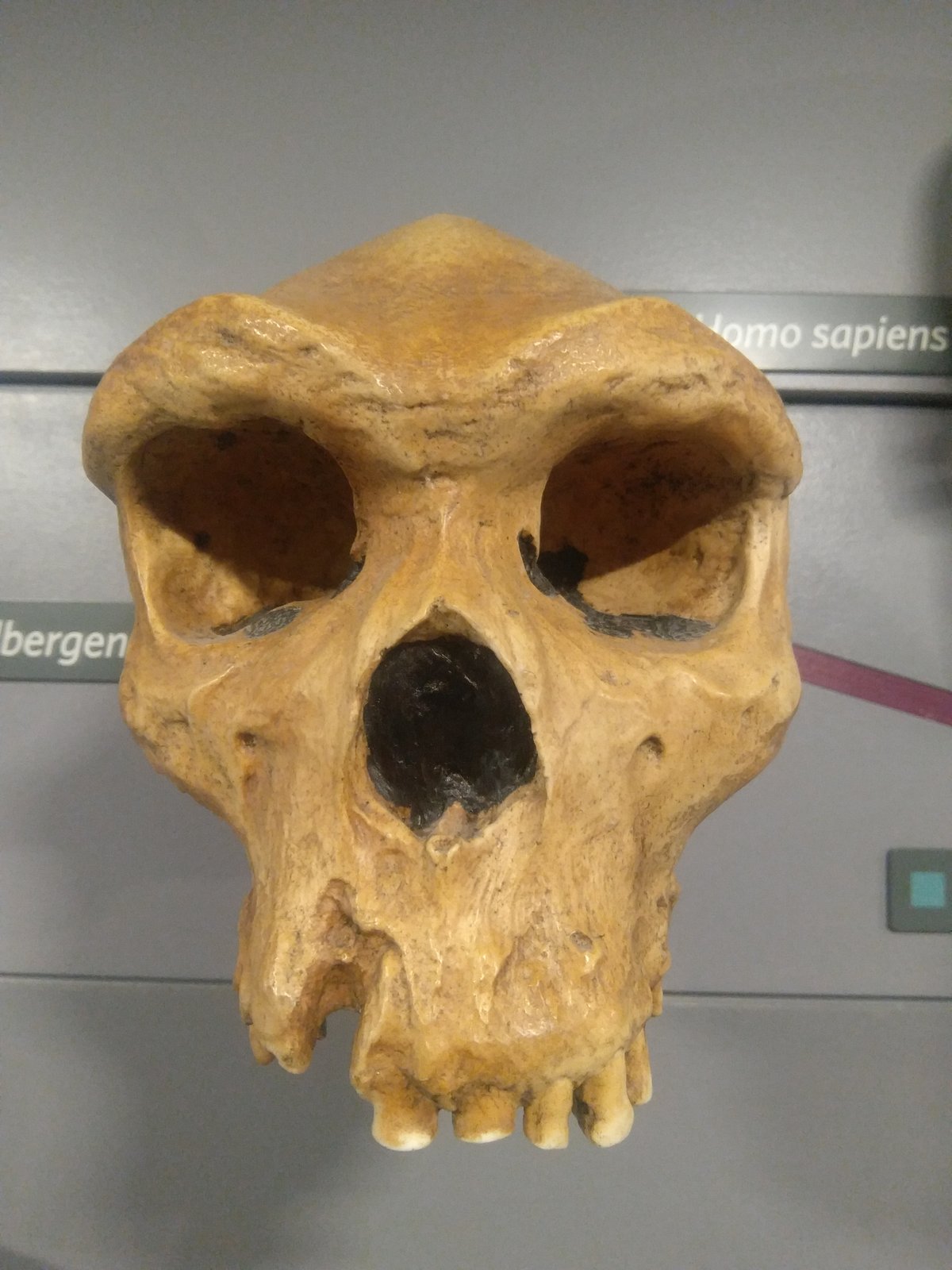
Thuringia, in the heart of Germany, is rich in Lower and Middle PalaeolithicMiddle PalaeolithicA Palaeolithic period (c. 300,000 to 40,000 years ago) associated mainly with Neanderthals and early Homo sapiens, marked by Levallois tools.→ sites. Among them, Bilzingsleben stands apart. This open-air site, excavated since the 1960s, has yielded remains of Homo heidelbergensisHomo heidelbergensisMiddle Pleistocene human species, often seen as the common ancestor of Neanderthals and our own species.→, AcheuleanAcheuleanLower Palaeolithic technical culture characterised by hand axes, present across three continents.→ tools, early evidence for the use of fire and a remarkably well-preserved PleistocenePleistoceneThe geological epoch of the great ice ages (c. 2.6 Ma–11,700 BP), spanning most of human prehistory.→ fauna. A study published in November 2023 in Scientific Reports by Sabine Gaudzinski-Windheuser and colleagues at the MONREPOS Archaeological Research Centre sheds new light on the relationship between these hominins and one of their favoured prey: the Eurasian beaver.1
94 Beavers and an Organised Hunting Strategy
The team analysed in detail the mammal remains from Bilzingsleben excavations dated to around 400,000 years ago. Among identifiable bones, 94 individuals of Castor fiber, the Eurasian beaver, carry cut marks characteristic of human butchery: incisions on limbs, traces of disarticulation and skinning. These marks, analysed under a binocular microscope and compared with modern beaver butchery experiments, clearly indicate systematic exploitation of the animal.
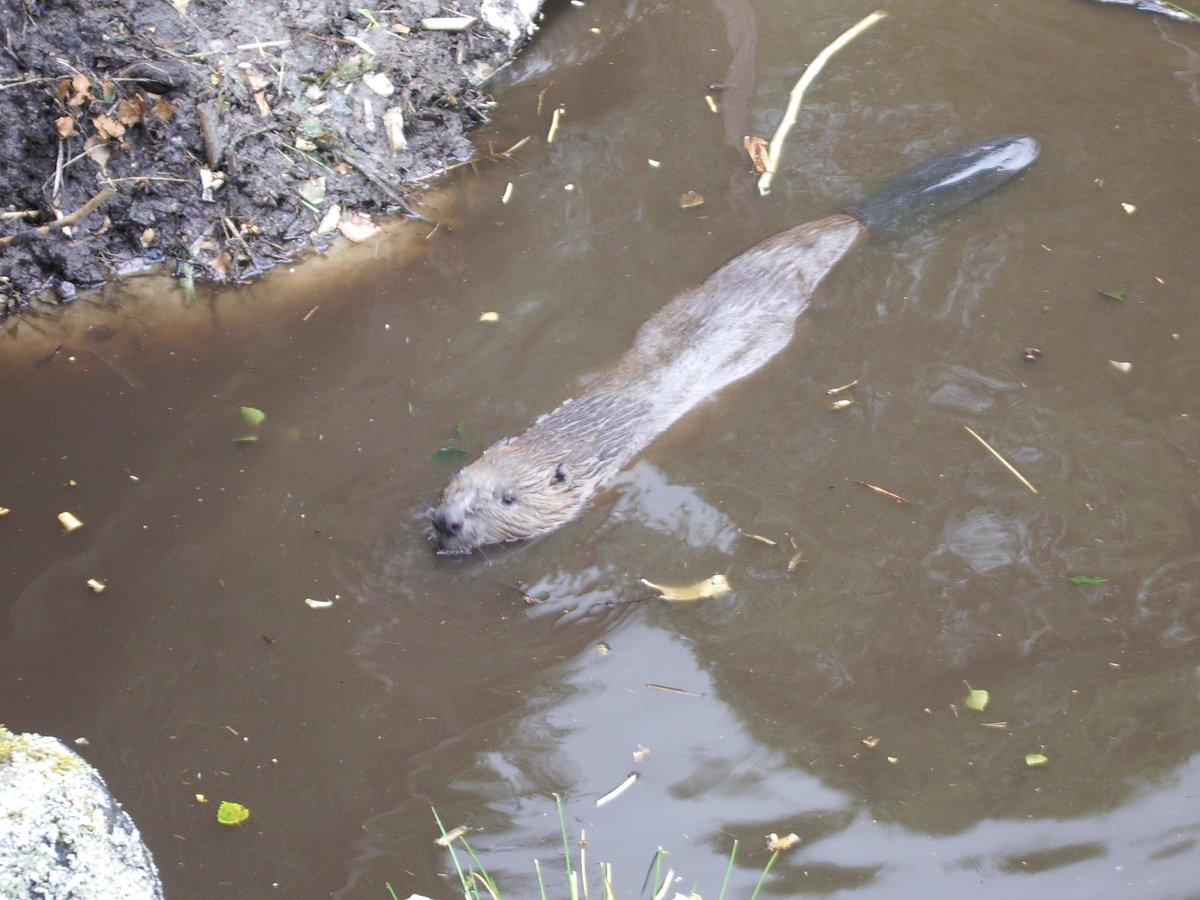
What strikes the researchers is the age profile of the hunted individuals. The majority of identified beavers are young adults, at the peak of their physical development and prime pelt quality. This selection is not due to chance: it implies detailed knowledge of the animal's life cycle, its seasonal habits and the optimal time to harvest it. Such a targeted hunting strategy reveals cognitive planning well beyond simple opportunism.
Fur: a Core Resource of the Lower PalaeolithicLower PalaeolithicFirst and longest period of prehistory, marked by the earliest knapped stone tools and the first hominins outside Africa.→?
The cut marks on certain skulls and forelimbs of the Bilzingsleben beavers are particularly telling. Their position corresponds exactly to that left by a skinning operation aimed at recovering the pelt intact. Beaver produces one of the densest and most waterproof furs in the animal kingdom, a characteristic not lost on modern human populations, who still used it in the eighteenth century to make feltFeltA non-woven fabric made by pressing and matting wool fibres; steppe nomads used it for rugs, saddles and appliqués, remarkably preserved in the frozen Pazyryk tombs.→ hats. The Bilzingsleben hominins may therefore have used these pelts for clothing or shelter.
Beaver meat was also consumed. Butchery marks on ribs and vertebrae testify to methodical extraction of flesh. This animal, which can weigh up to 30 kilograms, represented a considerable source of protein and fat for a hominin group. Notably, the beaver also produces a gland secreting castoreum, a fragrant substance that may have had medicinal or other uses.
Homo heidelbergensis, Specialist Hunter
Bilzingsleben is one of the rare Middle Pleistocene sites to have yielded so much information on European hominins' hunting practices. Gaudzinski-Windheuser's findings fit into a broader picture: contemporary sites such as SchöningenSchöningenGerman site that yielded eight wooden throwing spears about 300,000 years old, among the oldest known wooden weapons.→ (Germany), where the famous wooden spears dated to 300,000 years were found, or Boxgrove (England), with its evidence for horse hunting, show that Homo heidelbergensis was not an opportunistic scavenger but an active hunter capable of devising strategies tailored to each prey.

Specialisation on beaver at Bilzingsleben also suggests the exploitation of wetland zones as preferred hunting grounds. The rivers and lakes of the Middle Pleistocene in central Europe harboured considerable animal biomass, and the hominins who frequented them had developed the techniques needed to exploit it. Far from the image of aimlessly wandering hominins, the inhabitants of Bilzingsleben appear to have had a precise and organised vision of their hunting territory.
J'ai partagé cet article avec mes amies du club de lecture. Nous en avons débattu deux heures.
Exactement le type de synthèse dont j'ai besoin pour réviser. Merci !