Between 2300 and 800 BCE, mastery of bronze transformed human societies across Europe and the Near EastNear EastA region of western Asia (Levant, Mesopotamia, Anatolia, Iran), cradle of the Neolithic revolution, agriculture, the first cities and writing.→. This ARTE documentary traces fifteen centuries of innovations.
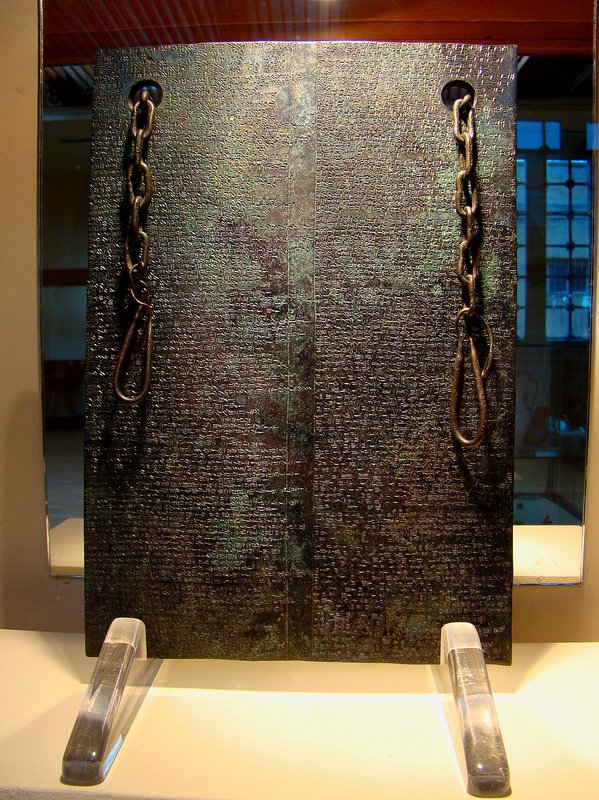
Copper alone dulls quickly. Adding tin (10-12%) produces an incomparably harder alloy. This discovery, made independently in several regions between 3500 and 2500 BCE, triggered an unprecedented race for resources: tin found mainly in Cornwall, Bohemia, Sardinia and Anatolia. Copper came primarily from Cyprus -- Latin root cuprum.
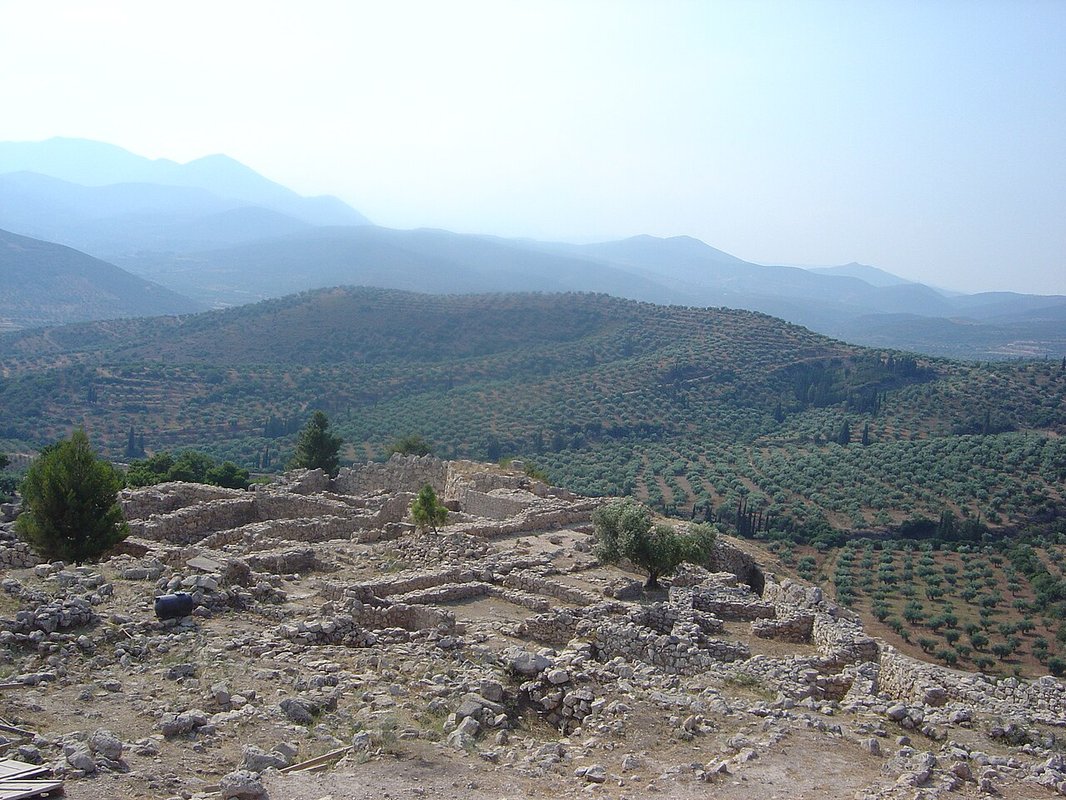
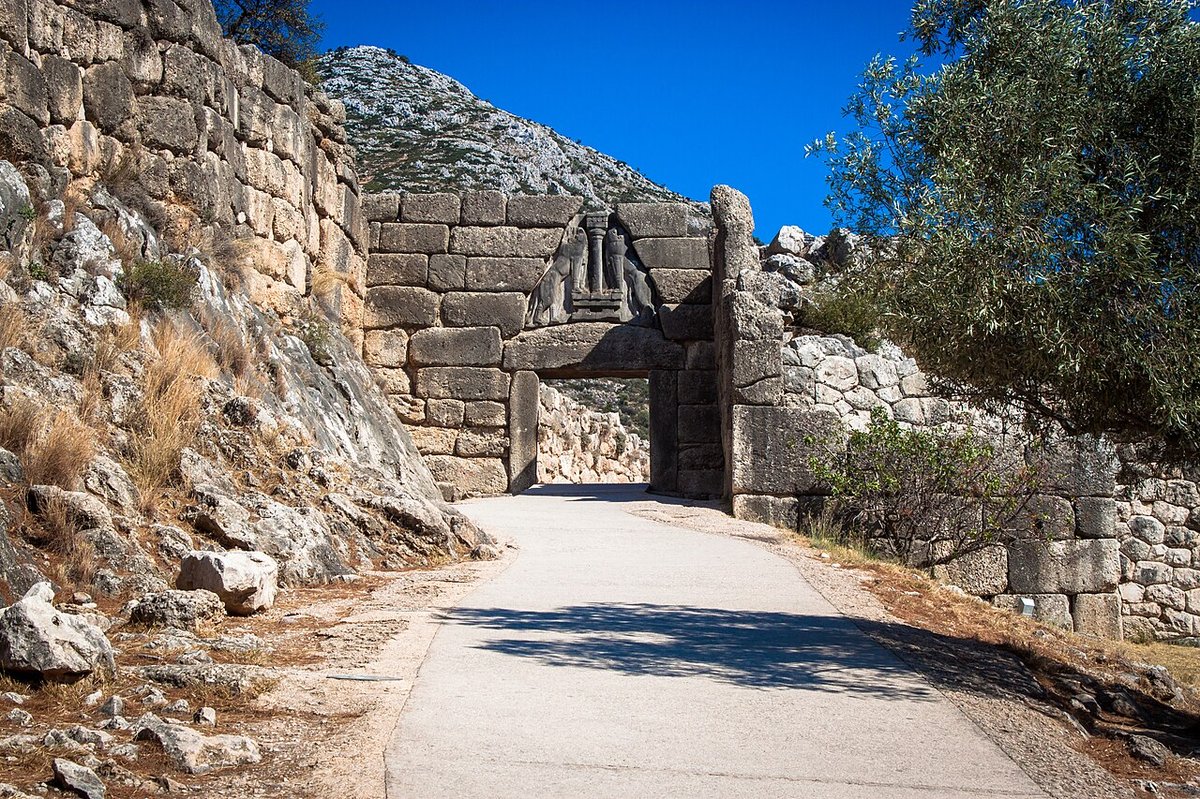
The Minoans (2700-1450 BCE) built palaces at Knossos and invented the first Aegean writingWritingA system of conventional signs used to fix language or information durably; its appearance (c. 3300 BC) marks, by convention, the end of prehistory.→. The Mycenaeans (1600-1100) created a warrior culture preserved in the Iliad. The Hittites signed with Egypt the Treaty of Qadesh (1259 BCE), the oldest peace treaty in history. The Uluburun shipwreck illustrates intercontinental exchange networks.
Around 1200 BCE the great civilisations simultaneously collapsed. The "Sea Peoples" were long blamed, but recent studies favour a conjunction of prolonged drought, maritime trade collapse, internal revolts, and earthquakes. No single cause suffices. This ARTE documentary illuminates this period with fluid narration and quality reconstructions.
No comments yet. Be the first.