Northwest of Casablanca, a few kilometres from the Atlantic shore, a limestone quarry has yielded one of African palaeontology's most precious treasures. The Hominid Cave of Thomas Quarry I offers nothing dramatic on the surface: no cave paintings, no ornaments. Yet its sedimentary layers contain skull fragments that, according to a study published in Nature on 7 January 2026, date back 773,000 years and place Morocco at the centre of a decisive episode in human evolution.1
A Site Excavated for a Century, Deciphered in 2026
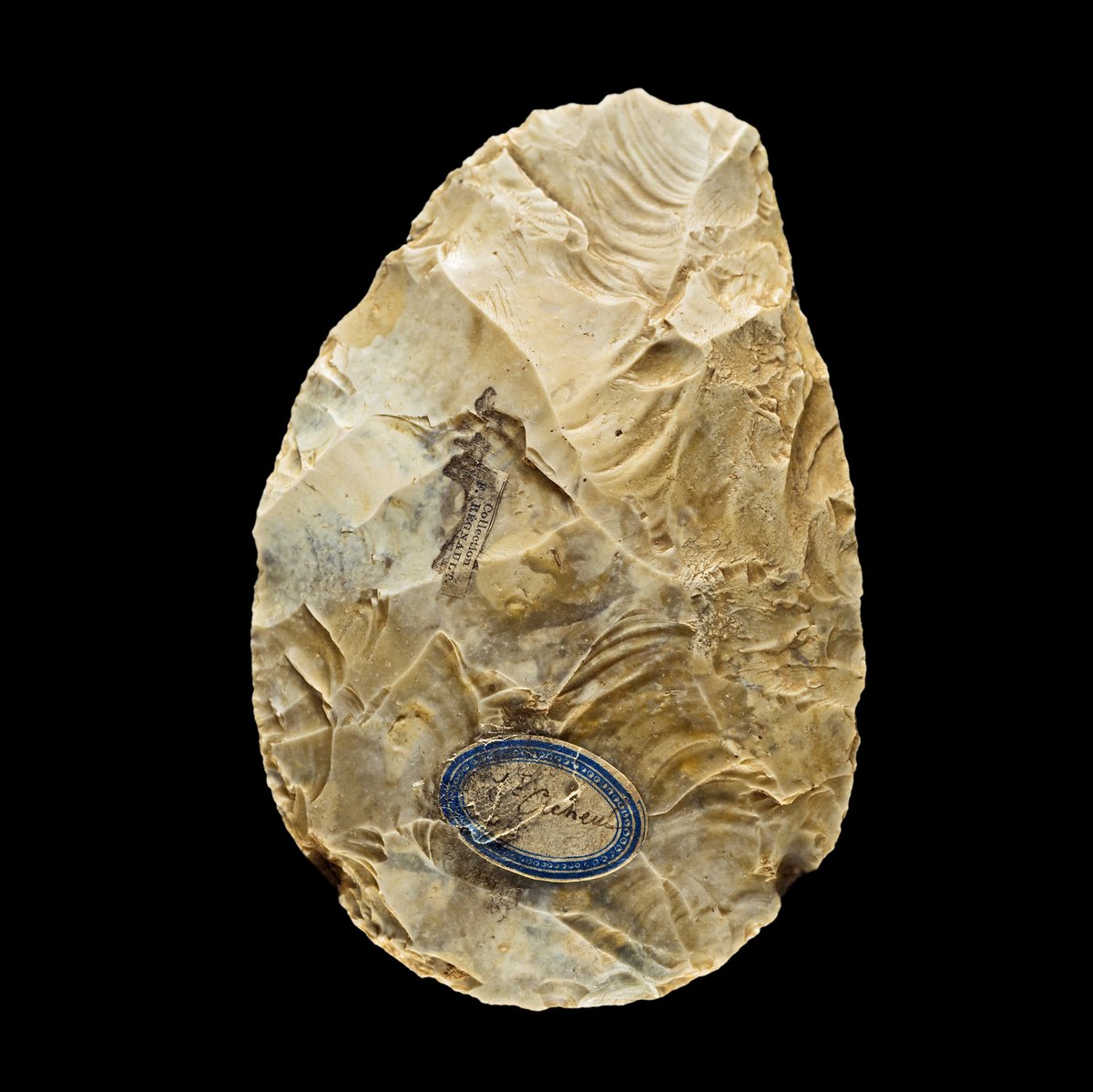
Casablanca's prehistoric sites have been known since the early twentieth century. The region hosts several major localities: Thomas Quarry I, occupied since at least 1.3 million years ago and rich in AcheuleanAcheuleanLower Palaeolithic technical culture characterised by hand axes, present across three continents.→ industry, along with the Cave of Rhinoceroses, the Cave of Bears, and the Cap Chatelier sector at Sidi Abderrahmane. Hominids left tools and bones here through an exceptional stratigraphic depth. The Hominid Cave, identified within Thomas I itself, has yielded human remains for decades, but their precise dating and phylogenetic position remained open questions.
An international team led by Jean-Jacques Hublin (College de France), David Lefevre, Giovanni Muttoni and Abderrahim Mohib of Morocco's Institut national des sciences de l'archeologie et du patrimoine (INSAP) has now supplied answers. Their study, titled "Early hominins from Morocco basal to the Homo sapiensHomo sapiensThe present-day human species, which emerged in Africa around 300,000 years ago, the only surviving human lineage after the extinction of Neanderthals and Denisovans.→ lineage", uses palaeomagnetic dating to place the fossils at the Brunhes/Matuyama boundary: 773,000 years ago, with a margin of 4,000 years.
This result is more than a date: it is a placement within one of the most debated periods in human evolution.
Filling a 400,000-Year Gap in the African Record
Between 600,000 and 1 million years ago, the African fossil record is remarkably sparse. Known specimens can be counted on one hand, and none had previously offered a stratigraphic context as reliable as the Casablanca fossils. This gap is all the more frustrating because this time window corresponds precisely to the inferred period of divergence among the lineages leading to Homo sapiens, NeanderthalsNeanderthalsA fossil humanity of Eurasia, robust and cold-adapted, extinct around 40,000 years before present.→ and Denisovans, estimated at between 600,000 and 800,000 years ago.
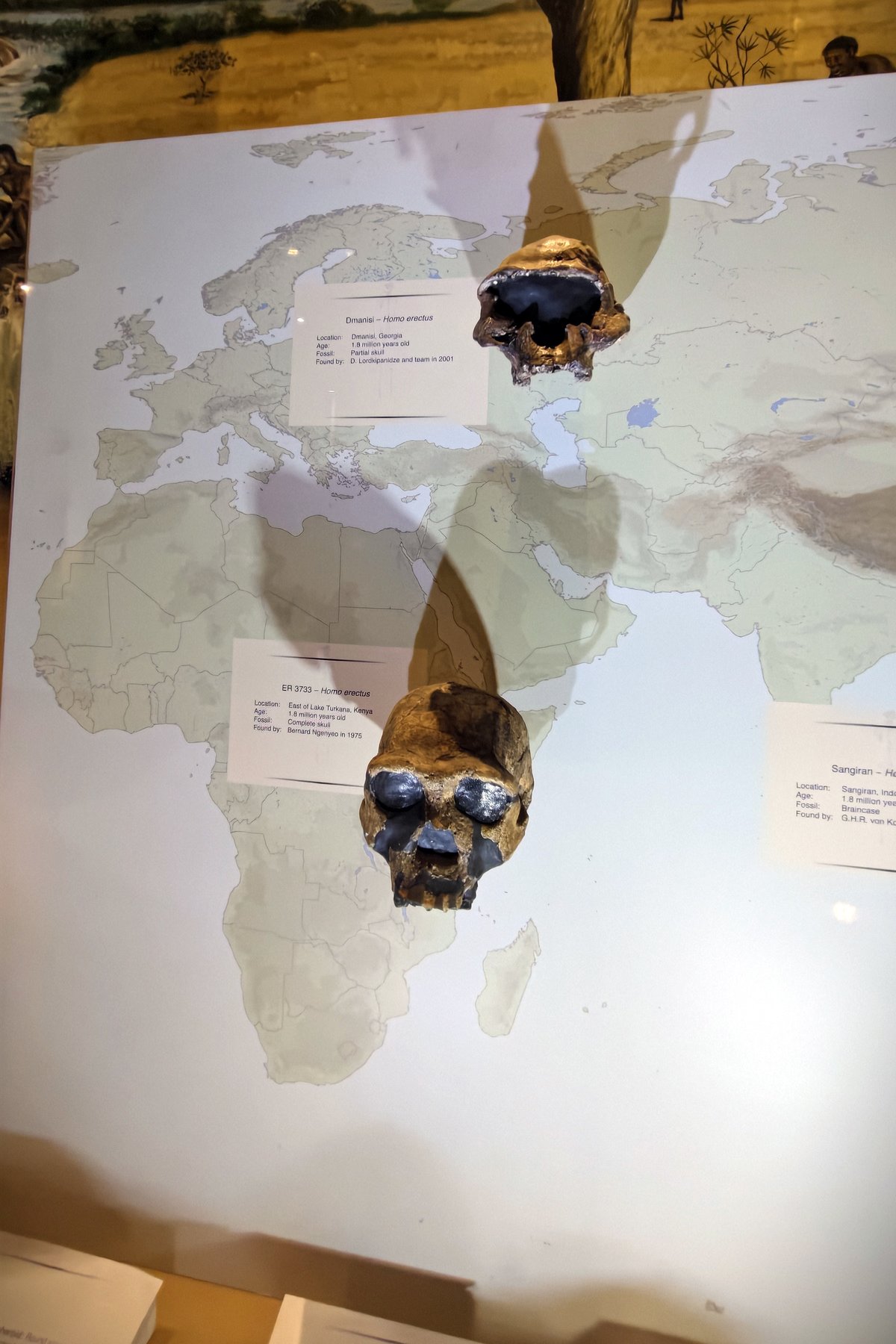
The authors describe the Thomas I hominids as representatives of Homo erectus "at a pivotal moment in evolutionary history". Their morphological features place them at the base of the lineage that would lead to Homo sapiens, in a phylogenetic position that distinguishes them from both older specimens and contemporaneous European hominids such as those from AtapuercaAtapuercaA complex of archaeological sites in the Sierra de Atapuerca (Burgos, Spain), a UNESCO site, yielding an exceptional sequence of human fossils, including the Sima de los Huesos and Homo antecessor.→. In Spain, the Sima de los HuesosSima de los HuesosA natural shaft at Atapuerca (Spain) that yielded over 6,500 bones of at least 29 Homo heidelbergensis individuals dated to −430,000: the largest Middle Pleistocene human fossil assemblage.→ (Atapuerca) has yielded an abundant collection dated to 430,000 years ago, genetically linked to Neanderthals. The Moroccan fossils, 340,000 years older, occupy an earlier rung in this evolutionary branching.2
The comparison extends eastward as well: the Yunxian skulls from China, contemporary with the Moroccan fossils, share certain features, suggesting that relatively homogeneous Homo erectus populations still ranged across vast portions of the Old World at this time.
Morocco: an Evolutionary Crossroads of Humanity
This discovery fits into a broader context that repositions North AfricaAfricaThe cradle of humankind: the continent where the first hominins appeared, then Homo sapiens around 300,000 years ago, before the expansion to the rest of the world.→ at the heart of debates on modern human origins. In 2017, Jean-Jacques Hublin had already shaken settled certainties by publishing in Nature the fossils from Jebel Irhoud, 100 kilometres east of Casablanca: Homo sapiens dated to 315,000 years ago, pushing back the appearance of our species by 100,000 years and shattering the myth of a single cradle of humanity in East Africa. The Thomas I hominids predate those of Jebel Irhoud by nearly half a million years, but they belong to the same long story: a prehistoric Morocco populated across tens of millennia by hominids who left, layer by layer, the traces of their evolution.
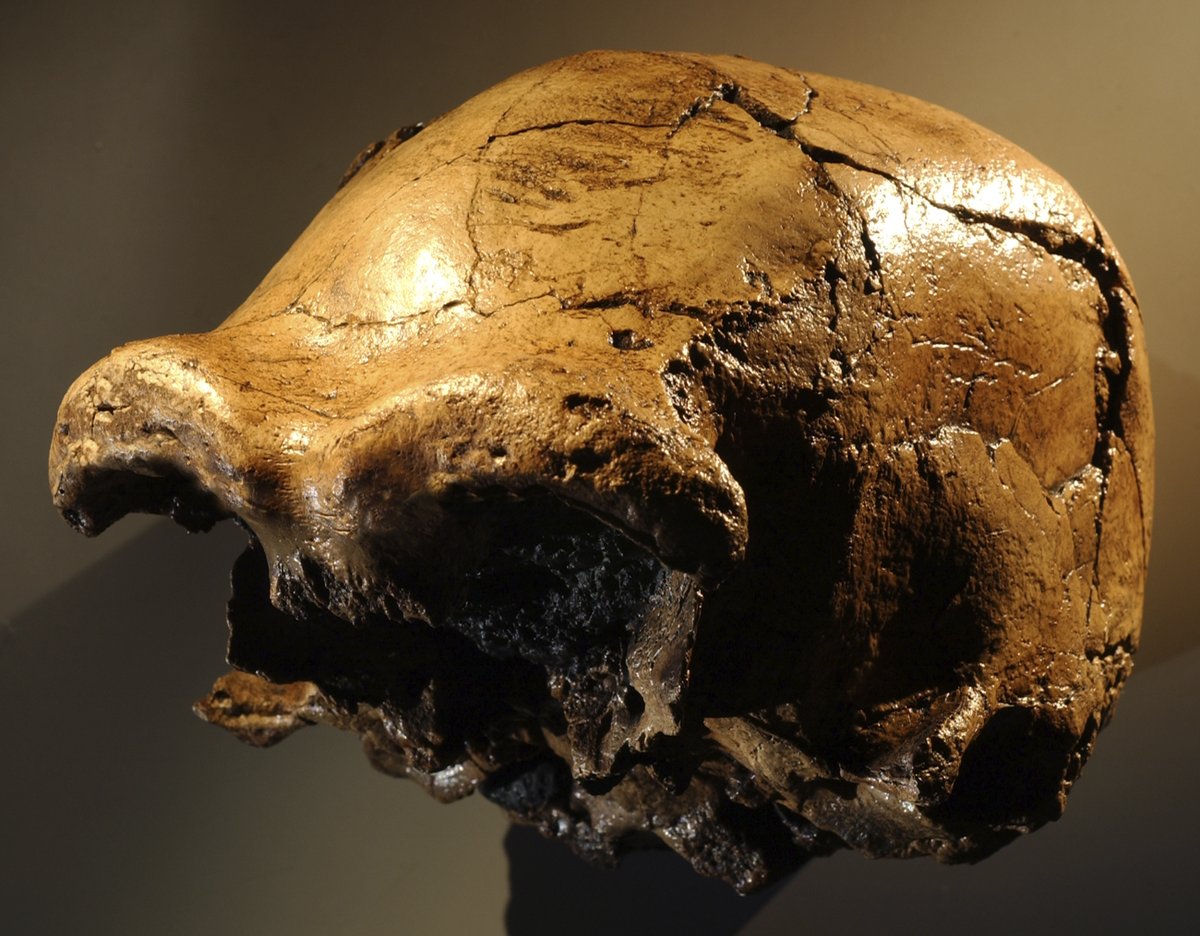
The skull fragments from the Hominid Cave are not merely bones: they are a link in the chain connecting African Homo erectus to the first anatomically modern populations on the continent. Their precise study, made possible by increasingly refined dating methods, opens new questions: how many distinct populations coexisted on the African continent 773,000 years ago? What exchanges existed between North Africa, sub-Saharan AfricaSub-Saharan AfricaThe part of Africa south of the Sahara; cradle of Homo sapiens, long thought hostile to ancient-DNA preservation because of heat.→ and the Near EastNear EastA region of western Asia (Levant, Mesopotamia, Anatolia, Iran), cradle of the Neolithic revolution, agriculture, the first cities and writing.→? The subsoil of Casablanca may not yet have given up all its secrets.
Je ne savais rien de ce sujet avant cet article. Maintenant j'ai envie d'aller encore plus loin.