In 1921, a Danish farmer unearthed an oak coffin at Egtved in Jutland. Inside lay a young woman of approximately 16 to 18 years, buried around 1370 BCE. She wore a short woolen skirt, a belt with a large bronze disk, and was accompanied by the cremated bones of a child and a bucket of birch beer. A century later, isotopic analyses and ancient DNAAncient DNAGenetic material preserved in old remains, often degraded, sequenced with cutting-edge techniques.→ have transformed this anonymous "Egtved Girl" into a complex personality: a long-distance traveler, probably a ritual specialist - what Bronze AgeBronze AgeA protohistoric period following the Neolithic, defined by bronze metallurgy (a copper-tin alloy) and the rise of the first cities and states; in Egypt it corresponds to the age of the first pyramids.→ Scandinavians might have recognized as a völva, a female shaman.1
The discovery of the Egtved Girl remains one of the most important in Nordic archaeology. The exceptional preservation of the body - made possible by the tanning properties of oak and the acidity of the soil - preserved not only bones but also hair, nails, and skin fragments. These biological materials constituted a precious archive for twenty-first-century scientists, enabling analyses that archaeologists of the 1920s could not have imagined.
An Identity Reconstructed by Science
Strontium isotope analyses, published in 2015 by Karin Margarita Frei and her team, produced an unexpected result. The strontium present in dental enamel - incorporated during childhood and reflecting local geology - does not match the geology of Jutland at all. It matches, however, the geology of the Black Forest in southwestern Germany, more than 900 kilometers from Egtved. The Egtved Girl was not born in the region where she was buried.2
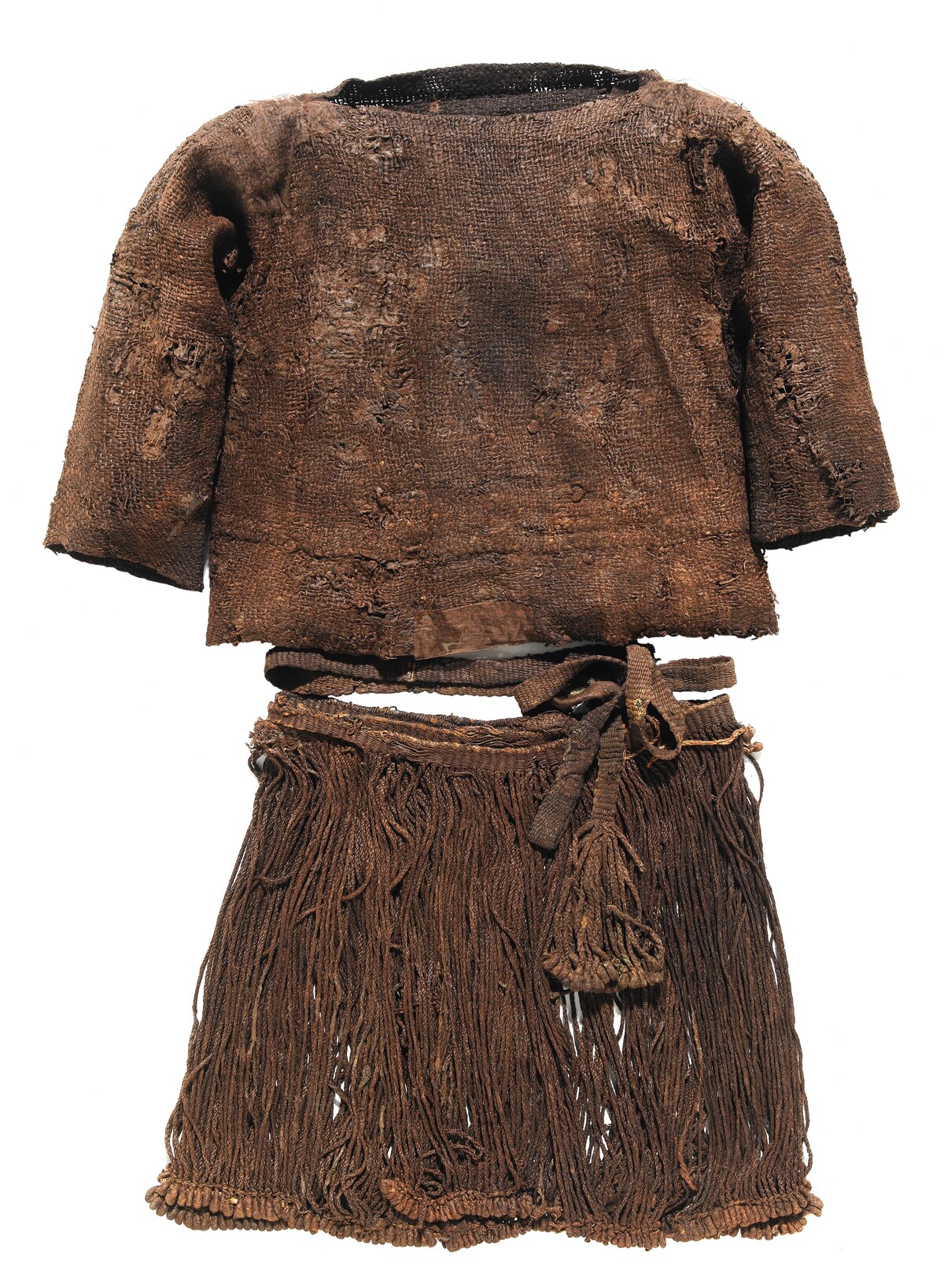
Analysis of her woolen cloak hair and fingernails also indicates she traveled several times between her region of origin and Jutland in the final months of her life. Strontium isotopes in fingernails - which renew rapidly - show regular oscillations between two distinct geological zones. She was not a permanent expatriate: she moved, regularly and deliberately, between two regions separated by several hundred kilometers.
These results radically change our image of the Nordic Bronze Age. Far from being a frozen society, it was a dynamic world of mobility and long-distance exchange, in which certain women - or certain individuals - had a role that justified frequent and costly journeys.
Ritual Objects and Their Significance
What distinguishes the Egtved Girl from other Nordic Bronze Age women are her accompanying objects. The large bronze disk attached to her belt is a marker of ritual identity. Similar disks, associated with solar iconography, appear on numerous female representations from the Nordic Bronze Age - including cult figurines and Scandinavian petroglyphs. The solar motif dominates Nordic Bronze Age religion, and its priestesses or shamans seem to have worn these disks as signs of their status.3
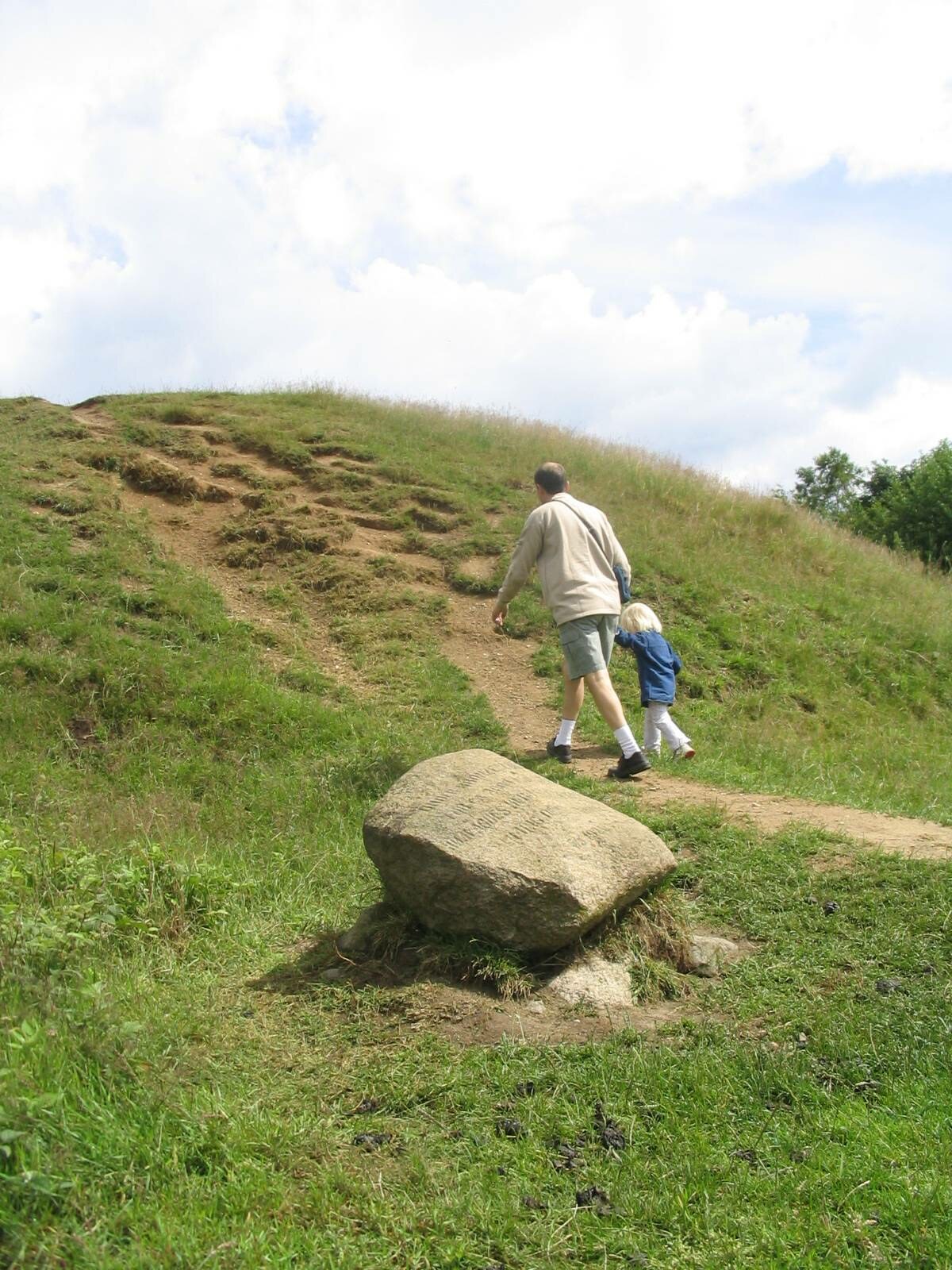
The bucket of birch beer found in the grave also deserves attention. Birch beer is not an ordinary drink: in prehistoric and historical Nordic cultures, it is associated with initiation rituals and seasonal ceremonies. Its presence in the tomb, as an offering or travel provision for the afterlife, underlines the ritual dimension of the buried person.
The cremated bones of a child approximately 5 to 6 years old found at her feet add a final enigma. Was the child sacrificed to accompany the woman in death? Or was this a close one who had died before her and whose remains were associated with her? Isotopic analysis of these bones shows that the child came from a different region than the woman, suggesting complex inter-community ties.
Bronze Age Female Shamans: A European Model
The Egtved Girl is not an isolated case. Recent excavations and ancient DNA analyses have revealed a recurring pattern in Nordic and Central European Bronze Age burials: the most richly endowed tombs with symbolic objects very often belong to women. The Skrydstrup Woman (Denmark), the Ølby Woman (Denmark), several female burials from Hallstatt in Austria: all present funerary assemblages that evoke the status of ritual specialist.4
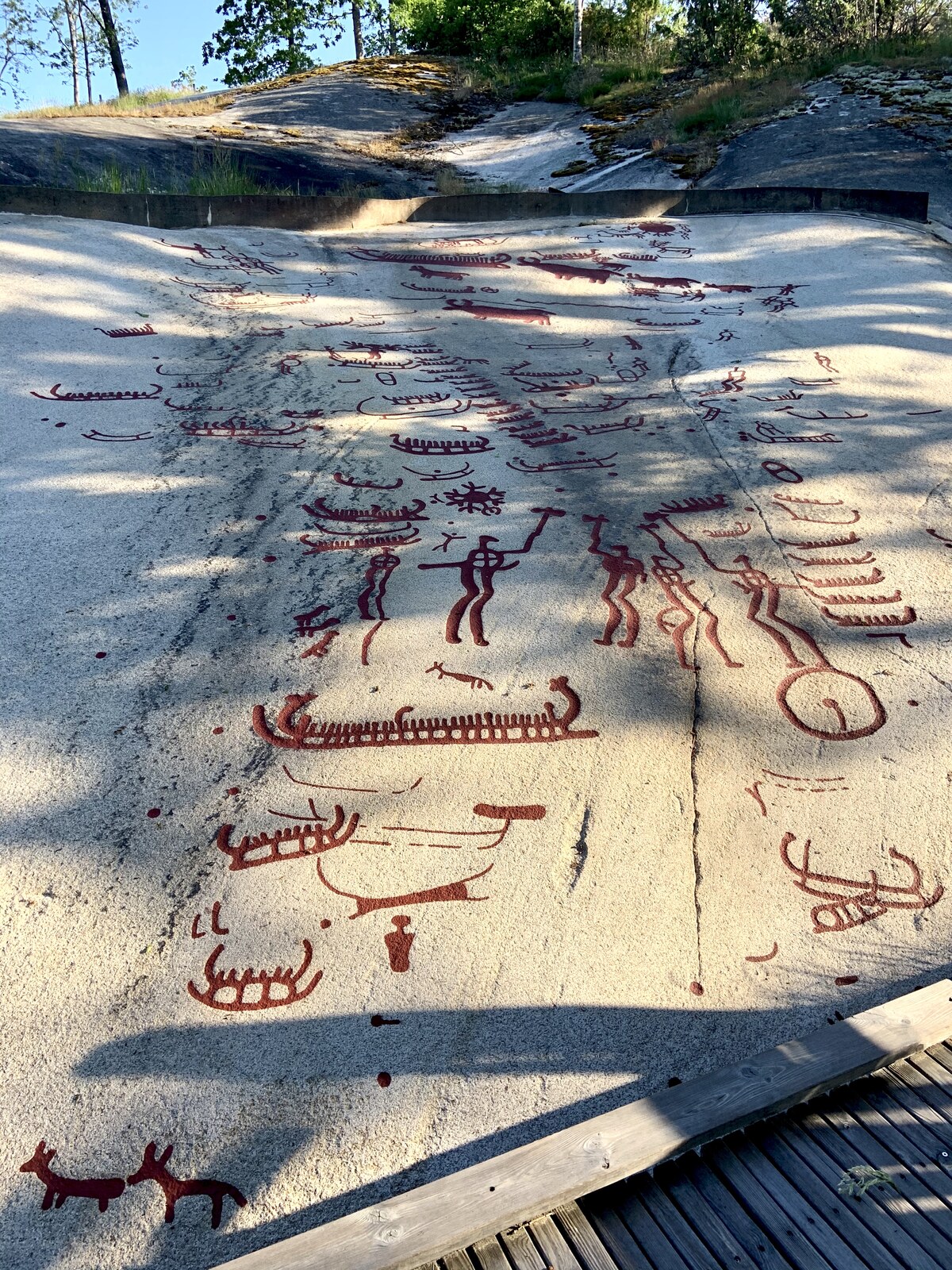
Ancient DNA analyses of these women reveal surprising results. Several show a genetic ancestry different from the local population in which they were buried. Like the Egtved Girl, they came from elsewhere. This pattern suggests the existence of a network of ritual specialists - perhaps women trained in regional "schools" or selected from specialized families - who circulated among Bronze Age elite communities, bringing their ritual skills in exchange for prestige and wealth.
The traditional image of the male prehistoric shaman - long beard, drum, furs - deserves revision. In the Bronze Age of Northern Europe, the role of mediator between the world of the living and the dead, between human communities and cosmic forces, seems to have been held at least as much by women as by men. The Egtved Girl, in her oak coffin, is the most poignant testimony to this.
No comments yet. Be the first.