Medicine Without WritingWritingA system of conventional signs used to fix language or information durably; its appearance (c. 3300 BC) marks, by convention, the end of prehistory.→
The history of medicine begins long before writing, before Egyptian papyri and Hippocratic treatises. It begins in rock shelters and NeolithicNeolithicThe "New Stone Age": a period marked by farming, herding, settlement and pottery, from around 10,000 BC.→ villages, where practitioners without degrees or libraries performed surgical interventions of a sophistication that continues to astonish contemporary researchers. For decades, archaeology regarded these acts as marginal curiosities, perhaps misunderstood magical rites with no basis in rational observation. Today, thanks to three-dimensional imaging, advanced osteological analysis, and radiocarbon dating methods, a far more impressive reality emerges: our ancestors were capable of operating on, treating, and healing injuries that, without surgical intervention, would have been fatal in virtually all cases documented by modern paleopathology. Prehistoric medicine is not a fiction: it is one of the most fascinating chapters in the entire human adventure, and recent decades have completely overturned what we thought we knew about the intellectual and technical capabilities of our distant forebears.
Surgical prehistoryPrehistoryThe span of human history before the invention of writing, from the Palaeolithic to the Metal Ages, known mainly through material remains.→ is documented by hundreds of skeletal specimens scattered across every inhabited continent, from the Andean plateaus of Peru to the limestone hills of Neolithic France, from the steppes of Central Asia to the tropical forests of Borneo. Trepanned skulls, amputated limbs whose bones have healed, and tool marks on bone surfaces testify to an empirical knowledge of the human body accumulated over generations, transmitted orally from master to apprentice and perfected through the collective experience of entire communities whose members depended on each other for survival. This operative medicine without writing is today at the heart of a rapidly growing field of research, surgical paleopathology, which combines physical anthropology, biochemistry, medical imaging, and ethnography to reconstruct the medical practices of prehistoric societies with ever-increasing precision. The results of this research invite a profound rethinking of what we believe we know about the intellectual and technical capacities of our distant ancestors, whose cognitive abilities were identical to ours despite their radically different material and cultural circumstances.
This dossier explores the two best-documented surgical practices of prehistory in detail. Cranial trepanation is probably the oldest known surgical operation in human history, attested on every continent with a surprising clinical success rate that testifies to a technical mastery accumulated over millennia of empirical learning. Limb amputation is documented by an extraordinary discovery made in Borneo in 2022 and published in the journal Nature: an individual whose left foot had been surgically amputated more than 31,000 years ago survived the operation for several years, as evidenced by the perfectly healed bones of the tibia and fibula examined in detail by the research team. Between these two pillars of ancient surgery, we will examine the techniques employed, the varied cultural contexts, the survival stakes, and the scientific debates still open on these founding practices of human medicine that challenge our linear conception of medical progress and human cognitive evolution.
First Evidence of Organized Care
Before discussing surgery proper, it is important to pause on the oldest indices of intentional medical care in the archaeological record, which predate any surgical intervention by hundreds of thousands of years. Taking care of the wounded and the sick does not necessarily require an invasive act: the use of medicinal plants, the immobilization of a fracture with a splint, the cleaning of a wound with water and naturally antiseptic substances, or the simple provision of rest and food to an injured individual are all therapeutic gestures that rarely leave fossil traces but constitute the indispensable foundation of any organized medical practice. The levels of Homo heidelbergensisHomo heidelbergensisMiddle Pleistocene human species, often seen as the common ancestor of Neanderthals and our own species.→ at the AtapuercaAtapuercaA complex of archaeological sites in the Sierra de Atapuerca (Burgos, Spain), a UNESCO site, yielding an exceptional sequence of human fossils, including the Sima de los Huesos and Homo antecessor.→ caves in Spain, dated to around 500,000 years ago, show individuals who lived for long periods with severe disabilities, necessarily implying active community support, food provided by other group members, and protection from predators that the injured individual could not have managed alone in the dangerous environments of the middle PleistoceneMiddle PleistoceneGeological subperiod (about 770,000 to 126,000 years ago) marked by growing behavioural complexity among hominins.→. The care of the sick therefore precedes surgery by several hundred thousand years in the evolutionary history of our lineage, and represents one of the most ancient expressions of human social solidarity.
The burialBurialThe intentional deposition of a body, sometimes with offerings; a marker of symbolic behaviour.→ of Shanidar in Iraq, dated to 65,000 years ago and attributed to NeanderthalsNeanderthalsA fossil humanity of Eurasia, robust and cold-adapted, extinct around 40,000 years before present.→, was long cited as an emblematic example of medicine and careful ritual burial in the Middle Paleolithic. Shanidar 1 showed multiple injuries including the loss of a forearm and probable blindness in one eye, yet had survived for many years, indicating that his community provided him with prolonged care and food that he would not have been able to obtain alone given his physical condition. While the floral interpretation of this burial, suggesting that flowers had been deposited with the dead, has been challenged by analyses suggesting that the pollen was introduced by rodents using the cave, the reality of care for a severely disabled individual remains incontestable in light of his post-traumatic longevity and the severity of his documented injuries. Homo neanderthalensis therefore already practiced a form of social medicine based on solidarity and mutual aid, long before the appearance of anatomically modern Homo sapiensHomo sapiensThe present-day human species, which emerged in Africa around 300,000 years ago, the only surviving human lineage after the extinction of Neanderthals and Denisovans.→ in Europe around 40,000 years ago.
Evidence for the intentional use of medicinal plants extends similarly far back into the archaeological record. Analyses of dental calculus on Stone Age individuals reveal the presence of plant compounds with analgesic or anti-inflammatory properties, notably salicylates present in willow bark, the base molecule of modern aspirin, but also tannins, flavonoids, and various alkaloids whose therapeutic properties are well documented in traditional pharmacopeias worldwide. Residues of active substances have been found in prehistoric vessels, pipes, and mortars on every continent, attesting to therapeutic and ritual use of plants from the Upper Paleolithic onward, at least 30,000 to 40,000 years before our era according to the oldest documented sites in Eurasia and North AfricaAfricaThe cradle of humankind: the continent where the first hominins appeared, then Homo sapiens around 300,000 years ago, before the expansion to the rest of the world.→. At Lapa do Picareiro in Portugal, the discovery of bone instruments associated with specific plant materials suggests intentional manipulation for therapeutic purposes from at least 15,000 years before our era, illustrating the richness and diversity of the Atlantic prehistoric pharmacopeia.
It is within this context of an already well-developed empirical medicine that the emergence of surgery proper must be situated, as the logical outcome of a long evolution rather than a sudden revelation or isolated discovery. Trepanation and amputation do not arise from nothing: they are the fruit of a slow accumulation of knowledge about the human body, plant properties, and stone-working techniques built up over hundreds of millennia of observation and experimentation by successive generations of healers and community elders. Craftspeople capable of shaping a bifacebifaceA stone tool knapped on both faces to obtain a regular shape and cutting edges.→ with millimetric precision or fabricating a flintFlintA hard, brittle siliceous rock, knapped by prehistoric people to produce blades, points and sharp tools.→ arrowhead by pressure retouch already possessed the manual skills required to incise, scrape, or bore through bone with control and method, and the conceptual connection between these abilities was available to any observant and reflective practitioner. The transition from hunting tool to surgical instrument may not have required a great conceptual leap, but it represented a revolution in the human being's relationship to their own body and their capacity to transform it intentionally to correct pathological dysfunctions and restore lost function to damaged members.
Trepanation: The Oldest Operation Known to Humanity
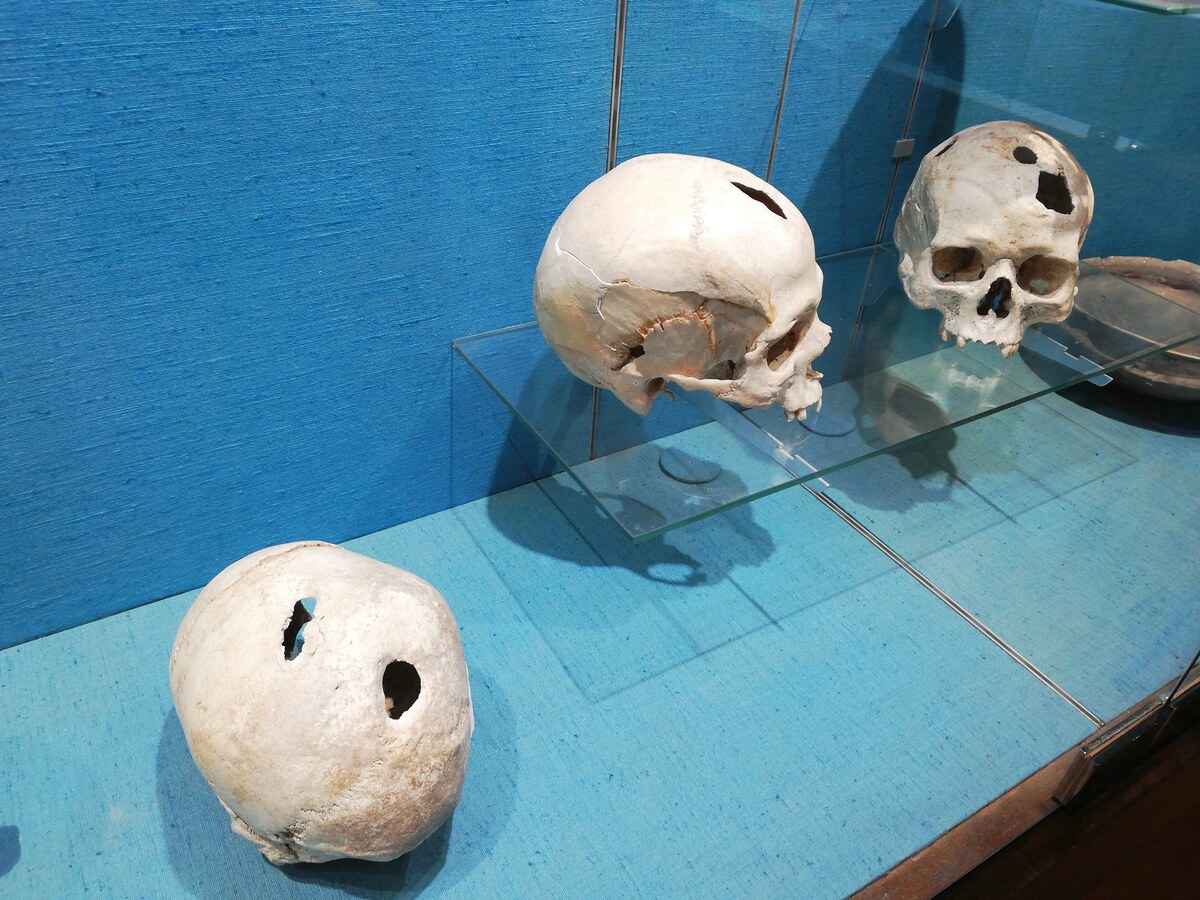
Trepanation designates any surgical intervention consisting of creating an artificial opening in the cranial vault of a living individual, to be carefully distinguished from post-mortem perforations made to fabricate ornaments, musical instruments, or ritual trophies from skulls of the recently dead. The discriminating criterion that every paleopathologist applies systematically when examining a perforated skull is the presence of new bone tissue around the orifice: this neo-formation, also called reactive hyperostosis, indicates that the individual's organism engaged a healing process after the intervention, which implies that the person was still alive at the moment of perforation and survived at least several weeks after the operation, long enough for bone regeneration to be initiated and completed. The thicker, more regular, and more well-organized histologically the neo-formed bone deposit, the longer the survival and the more robust the patient, allowing researchers to construct a graduated scale ranging from immediate perioperative death to multi-year post-operative survival backed by visible bone morphology. This criterion is so reliable and reproducible that it forms the cornerstone of all studies of prehistoric trepanation, and no specimen is accepted in the scientific literature as evidence of in vivo surgery without it.
The oldest confirmed examples of trepanation with evidence of neo-bone formation date to the Neolithic, around 7,000 to 6,500 years before our era according to the most reliable current datings using accelerator mass spectrometryMass spectrometryA technique that measures the mass of molecular fragments very precisely in order to reconstruct their composition, here the sequence of proteins.→. In France, the site of Ensisheim in Alsace yielded a male skull bearing two clearly artificial perforations surrounded by visible bone deposits visible to both macroscopic and microscopic examination, testifying to a survival of at least several months after each of the two interventions at a minimum, and possibly much longer according to some interpretations of the deposit thickness. In parallel, trepanned skulls from the same period have been discovered in Morocco, Spain, Portugal, Germany, Poland, and Ukraine, showing that the practice was widespread over a very large geographical area well before the first writing civilizations. The Neolithic levels of the Capeletti cave in Algeria have yielded specimens potentially dated to 8,000 years before our era, which could push the documented origins of trepanation back even further if the dates are confirmed on a larger sample of specimens subjected to direct radiocarbon dating.
France is particularly well-represented in the global corpus of prehistoric trepanation, and its Neolithic sites have provided remarkable statistical data on the frequency of the practice among certain communities. Systematic excavations of collective Neolithic burial sites in the Paris Basin, notably the hypogea of the Seine-Oise-Marne culture, have revealed remarkably high rates of trepanation: in some sites, up to 40 percent of adult skulls bear one or more clearly artificial perforations attesting to surgical intervention at some point during the individual's life. Individuals have been identified with up to five successive perforations made at different periods of their adult lives, each surrounded by well-formed scar tissue, providing irrefutable proof of survival after each intervention and the repetition of the practice over the course of a single lifetime by the same practitioner or a succession of healers. This kind of observation compels the conclusion that trepanation was, in these Neolithic Paris Basin communities, a relatively common medical practice rather than an exceptional act reserved for dramatic circumstances or a few privileged individuals possessing some special social status.
Pre-Columbian Peru constitutes the other major world center of this practice, with a density of specimens and a well-documented chronological evolution that make it an exceptional study laboratory for paleopathologists interested in the long-term development of surgical knowledge. With more than 800 trepanned skulls catalogued from Andean cultures alone, the Paracas culture (400 BCE to 200 CE) and the Inca and pre-Inca civilizations developed a surgical expertise of remarkable sophistication visible in the regularity of the orifices, the fineness of execution, and the frequency of extended survivals attested by neo-bone formation around well-healed margins. Archaeologist John Verano, who devoted several decades of his career to studying these specimens, convincingly showed that survival rates increased considerably over time in Andean cultures, correlating with the progressive improvement of instruments and techniques used by successive generations of practitioners. This progression testifies to genuine collective learning, the transmission of surgical knowledge from generation to generation, and a culture of continuous improvement that in some ways prefigures aspects of modern scientific medicine in its emphasis on measurable outcomes and technical refinement.
Techniques and Surgical Instruments
The painstaking analysis of marks left on the edges and surfaces of trepanned skulls has allowed researchers to identify four fundamentally different surgical techniques, each with distinct implications for the instruments required and the risks posed to the patient on the operating surface. The first is scraping or abrasion, the oldest and most widespread technique in European Neolithic contexts, consisting of progressively and methodically eroding the outer surface of the skull by digging a circular or elliptical groove with a sharp instrument until the bone wall was sufficiently thinned to be carefully perforated without brutally traversing the cranial vault and injuring the underlying dura mater protecting the brain below. The second technique is grooving or cutting, which consists of digging a deep continuous groove all around the perimeter of the planned opening, then breaking or cleanly extracting the central bone disc delimited by the groove, leaving characteristic neat parallel grooves on the edges of the orifice that are easily identifiable on surface examination. The third is boring or drilling, in which multiple small holes are bored in a circle at regular intervals before the thin bone partitions separating the holes are broken to free the central disc, a faster method but requiring great precision in the placement and depth of the borings to avoid accidentally penetrating the dura mater.
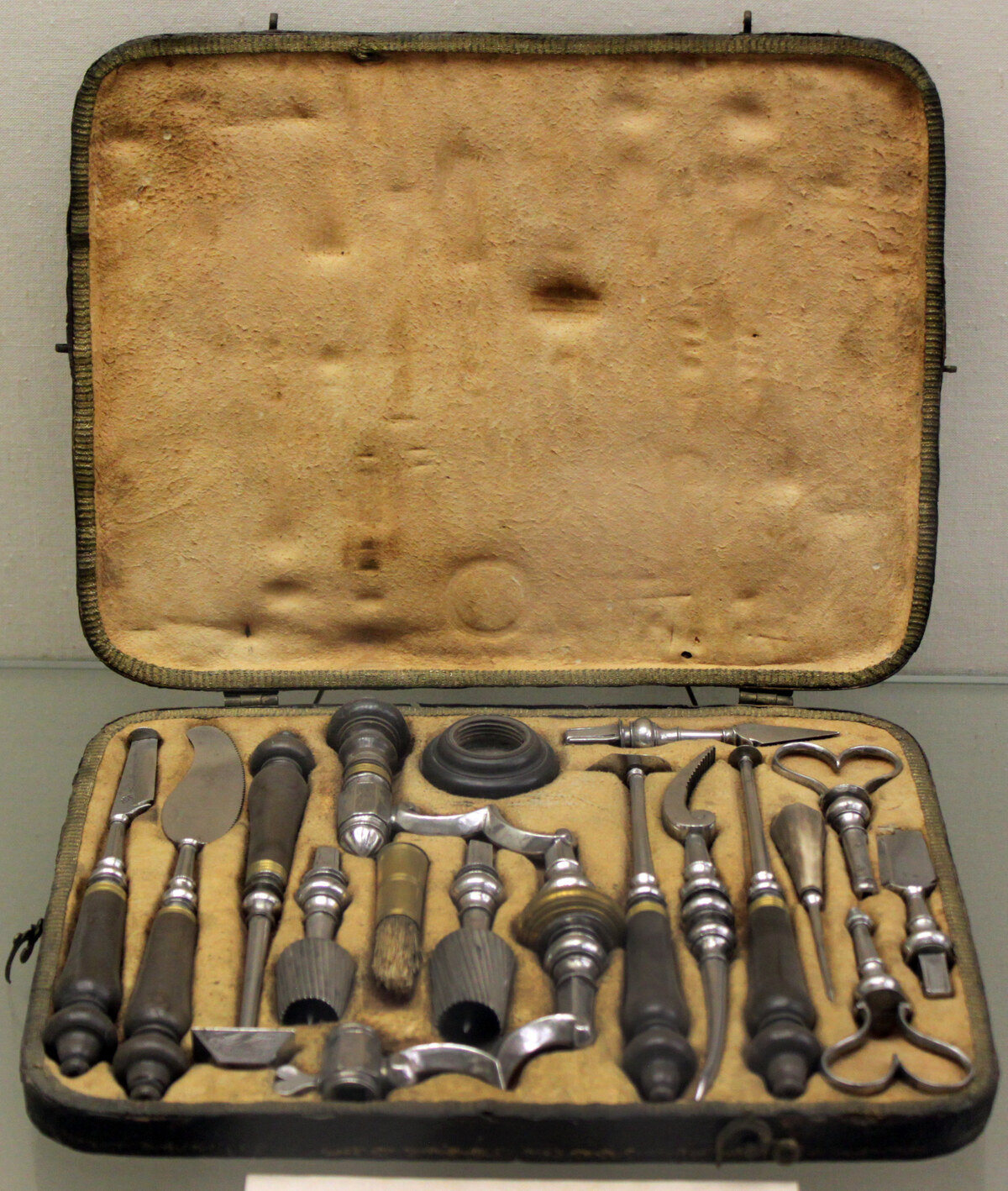
The instruments used varied considerably depending on locally available geological resources and the technological stage of development of the societies concerned, creating regional traditions of surgical practice that paleopathologists can now identify from the characteristic patterns of marks left on bone. Obsidian, a volcanic igneous rock whose cutting edge can be sharper and more regular than that of a modern surgical scalpel made from surgical-grade stainless steel according to modern metric analyses, was favored wherever it was accessible: the volcanic slopes of Mexico and Guatemala, the Anatolian deposits of Cappadocia, the outcrops of the Peruvian Andes. Flint, ubiquitous in Western and Central Europe, offered durable cutting edges and allowed fine trimming by pressure retouch to obtain instruments perfectly adapted to each stage of the surgical intervention, from the initial scoring to the final careful thinning before perforation. With the emergence and progressive spread of metallurgyMetallurgyThe techniques of extracting and working metals (copper, bronze, gold); its rise in the Eneolithic and Bronze Age transformed tools, weapons and social hierarchies.→, first native copper then bronze alloys, prehistoric surgeons gained access to reusable instruments that were more easily resharpened and permitted more complex geometries such as hollow gouges and rotating trepans providing greater control over penetration depth and direction.
Experimental analyses constitute a valuable methodological approach for assessing the real performance of these prehistoric instruments and techniques under conditions as close as possible to those of the original operations. Teams of experimental paleopathologists, working on cadaver skulls from consenting individuals or on cattle bones with comparable mechanical properties, have demonstrated that a skilled practitioner using well-knapped flint instruments can complete a full trepanation in under one hour, with remarkable geometric precision and without damaging the dura mater if the scraping technique is employed until final thinning of the bone vault is achieved gradually and carefully. These experimental results are consistent with morphological observations on archaeological specimens and provide a credible picture of the real conditions under which these interventions were performed several millennia ago in very different environmental and cultural contexts. They also show that practitioner fatigue and patient cooperation are critical factors, suggesting the existence of restraint and sedation protocols that we can only hypothesize from ethnobotanical data on the properties of plants available in each geographic region.
The question of operative hygiene is fundamental to understanding the remarkably high post-operative survival rates observed in the archaeological corpus worldwide. In the absence of modern chemical antiseptics and before any knowledge of germ theory, how did these prehistoric surgeons protect their patients against bacterial and fungal infections particularly dangerous in an intervention opening the cranial vault and exposing the dura mater to the external environment? Several complementary avenues have been explored by researchers: honey, whose exceptional antibacterial properties are linked to its high sugar concentration, its acidic pH, and its production of hydrogen peroxide, was probably used as a local antiseptic and healing dressing in many cultures with access to wild or kept beehives. Plant resins, notably pine resin, turpentine, and various gums from tropical and temperate trees, contain monoterpenes and diterpenes with well-established antiseptic properties that make them naturally available surface treatments probably used empirically by prehistoric healers across many different ecological zones worldwide.
Survival Rates That Astonish
One of the most important and surprising revelations of modern surgical paleopathology is the remarkably high proportion of individuals who survived trepanation in prehistoric societies, a result that defies our intuitive representations of medicine before the discovery of antibiotics and asepsis in the nineteenth century. In Neolithic and Bronze Age Europe, synthesis studies covering statistically representative samples consistently estimate that 60 to 80 percent of patients survived their trepanation, sometimes for long periods after the intervention according to the neo-bone formation indicators analyzed under the microscope with modern histological techniques. This figure seems extraordinary when compared to post-operative mortality rates in European hospitals before the introduction of asepsis by Semmelweis and Lister in the second half of the nineteenth century, where a trepanation still caused death in 30 to 50 percent of cases despite well-sharpened metal instruments and surgeons trained in medical academies with centuries of accumulated written knowledge. The key to this paradox lies in the combination of several favorable factors that prehistoric practitioners had empirically identified and systematized over many generations of accumulated clinical experience without ever writing down their findings.
The slowness and methodological rigor of the scraping technique, which allows the bone vault to be progressively thinned without ever exerting sudden pressure on the underlying dura mater, is undoubtedly the most important technical factor in the good results observed in the archaeological record. This technique, by allowing the operator to maintain precise control of the depth reached at each stage and giving him time to assess the resistance of the residual bone before continuing, minimizes the risk of the most dreaded complication: inadvertent perforation of the dura mater, which leads to meningeal infection that is almost invariably fatal without modern antibiotics and intensive care support. The selection of the most favorable cases by practitioners capable of empirically assessing the prognosis of each patient also played a role: cranial traumas with localized subdural hematoma, depressed fractures without cerebral penetration, and superficial abscesses offer vastly better post-operative prognoses than diffuse lesions or traumas penetrating the gray matter itself. The remarkable biological resilience of human bone tissue, capable of regenerating considerable areas in just a few weeks under the effect of periosteal vascularization and bone marrow activity, constitutes the third favorable factor in explaining these surprising survival rates that seem almost miraculous by modern pre-aseptic standards.
In Andean Peru, Verano's studies on the Andean collection revealed a spectacular chronological evolution in survival rates that perhaps constitutes the most convincing evidence of genuine collective medical learning and organized transmission of surgical knowledge within a given culture over an extended historical period. In the oldest Paracas contexts, dated to around 400 BCE, only about 40 percent of patients survived their trepanation, a figure that probably corresponds to an experimental phase where techniques were still imperfect and post-operative complications were frequent and poorly managed. At the height of Inca civilization, between the fourteenth and sixteenth centuries of our era, this rate reached 80 to 90 percent, testifying to the accumulation over nearly two millennia of an increasingly refined surgical expertise documented in the bronze instruments found in the burials of presumed surgeons and in the geometric quality of the perforations themselves which became increasingly regular and precise. This exceptional progression over a documentable historical period constitutes a powerful argument in favor of the existence, in pre-Columbian Andean cultures, of a genuine specialized medical profession with its own training and qualification criteria, transmitted through recognized apprenticeship relationships rather than independently rediscovered by each generation.
Prehistoric Amputation: The Borneo Revelation
In September 2022, the journal Nature published an article destined to mark a turning point in the history of surgical paleopathology and our understanding of the medical capabilities of Upper Paleolithic hunter-gatherersHunter-gatherersA way of life based on hunting, fishing and gathering wild resources, without farming or herding; it dominated almost the whole of human history.→ living in the tropical forests of Southeast Asia. An international team of researchers led by Tim Maloney of Griffith University in Australia announced the discovery, in the Liang Tebo cave located in the Indonesian part of Borneo (East Kalimantan province), of a human skeleton dated by the uranium-thorium method to more than 31,000 years before our era whose left foot had been surgically amputated, as evidenced by the clean, regular section of the tibia and fibula and the complete absence of any sign of trauma or crushing on the cut surfaces of both bones. The individual, a young adult in their early twenties at the time of the operation according to assessment of their dental and bone age, had survived the intervention for at least six to nine years, as attested by the perfectly healed ends of the tibia and fibula covered with dense, well-vascularized bone tissue showing no trace of infection or chronic residual inflammation at the time of death. This duration of survival after a major surgical amputation in a tropical hunter-gatherer context represents one of the most extraordinary findings in the entire history of prehistoric medicine research.

This discovery is exceptional in several ways that make it a genuine landmark in the history of human surgery and a fundamental revision of the timeline of medical knowledge development. First, it pushes back the previous record for documented surgical amputation by more than 20,000 years, which was until then held by a Neolithic hunter-gatherer skeleton found in France and dated to around 7,000 BCE, receding by a third more the documented origins of this complex surgical practice that requires far more technical sophistication than simple trepanation. Second, it demonstrates that hunter-gatherer populations of the Upper Paleolithic evolving in a tropical context possessed medical knowledge developed enough to perform a complete surgical amputation without causing the patient's immediate death from massive hemorrhage, hypovolemic shock, or generalized infection in the weeks following the intervention in an environment that was particularly challenging. Such an operation implies not only cleanly and rapidly sectioning several large-caliber blood vessels whose uncontrolled section leads to death within minutes, but also effectively immobilizing a patient who was almost certainly conscious during at least parts of the procedure, controlling intense pain with available substances, and ensuring the care and protection of the open wound for many weeks in a tropical environment particularly favorable to the development of pathogenic organisms including bacteria, fungi, and parasites.
The question of anesthesia is absolutely central to the interpretation of this discovery and in assessing the medical capabilities of Upper Paleolithic populations in Borneo, one of the world's most biodiverse regions with thousands of plant species used medicinally. How could a society without distilled alcohol, without synthetic opioids, without neuraxial block, and without general anesthesia in the modern medical sense perform such a painful and technically demanding operation on a conscious individual without the patient dying of pain-induced shock or moving uncontrollably during the critical moments of arterial ligation? Researchers have advanced several complementary leads all based on the extraordinary natural pharmacological arsenal offered by the Bornean tropical forests, where thousands of species of trees, vines, and herbaceous plants have been used for millennia in the traditional medicine of local populations who possess remarkably detailed botanical knowledge. The analgesic and dissociative alkaloids present in several species of the Solanaceae family, the sedative terpenes of tropical conifer resins, and the active compounds of wild mushrooms of the region constitute the most pharmacologically credible candidates for an effective improvised anesthesia using only locally available natural materials.
The Liang Tebo discovery also raises profound questions about the social context and organizational structure of Upper Paleolithic hunter-gatherer societies in tropical Borneo that challenge previous assumptions about the simplicity of these communities. Such a sophisticated surgical intervention as this amputation, followed by a necessarily long convalescence in an environment where mobility and capacity for autonomous subsistence are essential to daily survival, cannot be conceived without the existence of a sufficiently cohesive and organized community to provide the operated individual with food, protection, and continuous care for several weeks or months until the wound fully healed. The fact that this individual survived for at least six to nine years after their amputation, living with a severe motor disability that must have considerably limited mobility and subsistence capacities in a nomadic society moving regularly across the landscape, testifies to the real social integration of disabled persons and a community organization capable of redistributing resources and efforts according to the differentiated needs of each member. Prehistoric surgery is therefore also a prehistory of solidarity, compassion, and the human capacity to care for the most vulnerable members of the group, a dimension of our social evolution that paleopathological discoveries are increasingly placing at the very heart of what defines humanity as a distinct and remarkable phenomenon in the natural world.
Anesthesia and Pain Management
The absence of written documentation on the anesthetic substances used by prehistoric surgeons should not be interpreted as evidence of their non-existence or unavailability in these communities, quite the contrary given what we know about the depth of traditional botanical knowledge in all human societies. Human societies have always lived in close and intimate interaction with their plant environment, and the psychoactive, analgesic, and narcotic properties of many plants have been discovered and exploited in all ecosystems inhabited by humans for tens of thousands of years, as evidenced by residues of active substances found in prehistoric vessels, pipes, and mortars on every inhabited continent. A Paleolithic healer who knew intimately the flora of their territory possessed an empirical pharmacological arsenal that, while entirely different in its formulation and theoretical justification from modern pharmacopeia, could be highly effective in practice for sufficiently reducing the pain and anxiety of a patient about to undergo a surgical intervention that without management would be not just painful but potentially fatal from shock. The question is therefore not whether these societies had effective analgesic substances available, but rather which ones they used and how they administered them in a specific surgical context requiring precise dosing and timing.
In Eurasia, several serious candidates deserve detailed examination given what we know of their pharmacology and their documented uses in traditional and historical medicine. Black henbane (Hyoscyamus niger), an annual or biennial plant naturally present throughout Europe and Western Asia on roadsides and waste ground, contains scopolamine and hyoscyamine, two tropane-family alkaloids with powerful anticholinergic properties resulting in deep sedation, retrograde amnesia, and elevation of the pain perception threshold that in theory make it a very serious anesthetic candidate for surgical use. Henbane seeds have been found in Neolithic and Bronze Age contexts across Europe, and some researchers have proposed that they constituted a component of anesthetic preparations administered orally before surgical interventions that required the patient to be deeply sedated. Opium poppy (Papaver somniferum), whose cultivation is attested in Southern Europe from 5,000 BCE and whose eastward diffusion across Eurasia was rapid, provided raw opium, the most powerful natural analgesic substance known to this day, whose effects on pain and consciousness were certainly well known to the healers of all regions where the poppy grew and its properties had been discovered.
In South America, the pharmacological context offered by Andean and Amazonian biodiversity was even richer and more diverse than anything available in the Old World, providing surgical practitioners with a remarkable toolkit of consciousness-altering substances. Coca leaf (Erythroxylum coca), whose cultivation in Peru is attested from 8,000 BCE according to palynological analyses and residues found in archaeological levels at coastal sites, contains a dozen alkaloids including cocaine, which possesses powerful local anesthetic properties acting by blocking sodium channels in sensory nerve fibers and thereby eliminating pain signals before they reach the brain. Traces of cocaine and its metabolites have been found in dental calculus and in the hair of Andean mummies dating back several millennia, attesting to regular consumption of coca leaves in ritual, therapeutic, and probably surgical contexts where pain control was essential to the success of the operation. In Mesoamerica, datura (Datura meteloides and related species), a plant of the Solanaceae family containing powerful hallucinogenic and analgesic alkaloids, was used in ritual and therapeutic contexts well documented among the Aztecs and their predecessors, and its use for pain control during surgical interventions is entirely plausible given its well-established pharmacological properties and the documented sophistication of Mesoamerican medical knowledge.
Ritual or Therapeutic Surgery?
The question of the motivation behind prehistoric trepanations is probably the most debated and complex issue in this field of study, because it touches on the epistemological foundations of our capacity to interpret the behaviors and beliefs of societies from which we possess no written documents and whose worldview was fundamentally different from our own in every significant respect. Two major structuring interpretations confront each other in the specialized literature and have generated substantial debate at archaeological and paleopathological conferences worldwide. The first is therapeutic and functional: trepanation served primarily to treat real and painful medical conditions, such as cranial traumas with bone depression and cerebral compression, post-traumatic subdural hematomas threatening life, severe intracranial abscesses, chronically debilitating migraines unresponsive to other interventions, or localized bone tumors of the cranial vault that could be removed without entering the brain itself. This interpretation is convincingly supported by the frequent association in the global archaeological corpus between perforations and clearly visible traces of pre-existing cranial trauma on the same skull, notably linear fractures, bone depressions, and calcified hematomas in the perifocal region of the opening that document what looks unmistakably like emergency surgical response to acute injury.
The second interpretation is ritual, symbolic, or magical in a broad anthropological sense, invoking cultural and cosmological motivations foreign to us but perfectly coherent within the conceptual frameworks of prehistoric societies who understood disease through spiritual rather than biological paradigms. This reading is primarily supported by three categories of observations: the existence of trepanations on individuals showing no visible trauma or any clinical sign of neurological pathology, the performance of multiple successive trepanations on the same individual during the same period of adult life that are hard to justify on purely therapeutic grounds, and the discovery in many contexts of circular bone discs removed during trepanations and found pierced, polished, and worn as pendants or amulets suggesting that the bone removal itself had symbolic and protective value independent of any curative purpose. Epilepsy interpreted as supernatural possession, mental illness understood as invasion by malevolent spirits, or the desire to create an opening allowing the passage of spiritual forces between the physical and invisible worlds have all been proposed as motivations consistent with the available archaeological evidence. None of these hypotheses can be definitively proven, nor definitively excluded, based on the skeletal evidence alone without supporting documentary sources from the societies in question.
Historical reality was probably more nuanced and complex than the binary therapeutic-ritual opposition suggests, and this dichotomy likely reflects our own Western dualistic worldview more than the integrated understanding of the world that prevailed in prehistoric societies where body, mind, spirit, and cosmos were interconnected rather than separate domains. In most traditional human societies documented recently by ethnography, the boundary between medicine, magic, and ritual is nonexistent or extremely porous, and both dimensions coexist harmoniously within a coherent cosmological framework that integrates the physical body, the social relationships of the patient, and the supernatural forces believed to influence health and disease as complementary aspects of a unified reality. A shaman-healer who trepanned a patient to evacuate the malevolent spirit responsible for their migraines or seizures simultaneously practiced functional surgery and spiritual ritual, without internal contradiction, the actual therapeutic efficacy of the act reinforcing its symbolic legitimacy and ritual value in the eyes of the patient, their family, and the wider community observing the intervention. The persistent dichotomy between rational medicine and magical thinking is itself a modern Western cultural construct that has little to do with how these practices were actually conceived and experienced by the societies that developed and maintained them over millennia.
A Universal Practice
One of the most remarkable and philosophically significant aspects of prehistoric trepanation is its universally widespread character across all inhabited continents, a fact that continues to surprise researchers when they map the global distribution of the practice and discover how many independent centers of development existed. Trepanned skulls have been discovered across Europe, North Africa, the Near EastNear EastA region of western Asia (Levant, Mesopotamia, Anatolia, Iran), cradle of the Neolithic revolution, agriculture, the first cities and writing.→, Central Asia, East Asia including Neolithic China, Polynesia including the Marquesas Islands and Maori New Zealand, and massively in both Americas spanning from Peru and Bolivia through Mexico to the southwestern United States and even Canada. This planetary diffusion of the same surgical practice, identifiable despite regional technical variations, in cultural contexts as varied as European Neolithic villages, Andean civilizations, and Chinese dynastic states, raises a fundamental epistemological question about the mechanisms of cultural innovation: is this a single invention that spread through cultural contacts and human migrationsMigrationsLong-distance movements of populations; a major driver of human history (the exit from Africa, the peopling of continents, Neolithic and steppe expansions).→, or an independent and parallel discovery made by multiple societies that all observed the same potential benefits of this intervention for treating cranial injuries and neurological symptoms? The geographical distribution of sites is the primary evidence used to address this question, along with the chronological patterns of first appearance in each region.
Most contemporary specialists now lean toward the hypothesis of multiple independent invention in several distinct geographical centers, favored by the relative cognitive accessibility of the initial discovery to any observant and empirically minded healer. Any individual who repeatedly observes that a patient injured with a depressed cranial fracture with cerebral compression recovers after the bone fragment is removed, or that a patient presenting a superficial abscess of the cranial vault improves after the pus is drained, can conceptualize the basic principle of trepanation without requiring any particular theoretical sophistication or access to prior written knowledge. The disordered geographical distribution of trepanning archaeological sites, the absence of clear cultural continuity between trepanning zones in some cases, and the major temporal discontinuities in practice in other regions collectively argue against the hypothesis of single diffusion from a single center of invention with subsequent spread across thousands of kilometers and multiple cultural barriers. Each surgical tradition would therefore have developed its own version of the operation, with different techniques, instruments, and ritual frameworks, based on locally available geological resources, the anatomical constraints specific to the populations concerned, and the cultural and cosmological paradigms within which the intervention was embedded and justified to patients and onlookers.
Paleopathology: Reading the Bones
Paleopathology is the scientific discipline studying diseases, traumas, and medical interventions from biological remains preserved in archaeological sites: bones, teeth, dental calculus, mummified soft tissues, and surface marks on bone that record the history of the body with remarkable fidelity when properly interpreted. For the paleopathologist, a trepanned skull is a medical document of extraordinary richness that goes far beyond the simple observation of the perforation: the entire skull, the teeth, the associated bones of the postcranial skeleton, and the artifacts found in the funerary context all constitute complementary sources of information allowing reconstruction of the individual's general health, habitual physical activities, diet, geographical origins, the diseases they suffered from, and the circumstances in which the surgical intervention was performed. Modern analysis techniques, notably high-resolution micro-computed tomography allowing three-dimensional visualization of the internal microstructure of bone tissue without any contact or destructive sampling, have revolutionized the capacity of paleopathologists to extract ever finer information from these unique and irreplaceable specimens found in carefully excavated burial contexts. The field has been transformed in the past two decades by the availability of new analytical methods that provide resolution and specificity simply unavailable to earlier generations of researchers working only with macroscopic examination and simple radiography.
Biomolecular analyses constitute an indispensable complement to traditional morphological studies and have fundamentally changed what can be learned from prehistoric surgical specimens. Ancient DNAAncient DNAGenetic material preserved in old remains, often degraded, sequenced with cutting-edge techniques.→ sequencingSequencingReading the order of the bases (A, T, G, C) of a DNA molecule; high-throughput sequencing reads millions of fragments in parallel.→, extracted primarily from the dense cortical layers of teeth and the petrous part of the temporal boneTemporal boneA bone of the base and side of the skull that houses the inner ear and bears anatomical traits specific to each species.→ where the molecule is best preserved against degradation, enables reliable determination of the individual's chromosomal sex independent of skeletal morphology that can be biased by incomplete or juvenile specimens, identification of their mitochondrial haplogroup and Y chromosome to reconstruct geographical origins and population affiliations, and in some cases identification of genetic variants associated with pathological predispositions that may illuminate the motivations of the surgical intervention performed by the prehistoric healer. Paleoproteomics, which analyzes proteins preserved in bone and dental tissues, is more robust than DNADNAThe molecule carrying genetic information, used to reconstruct kinship between species.→ in hot and humid environments that rapidly degrade nucleic acids, and can identify markers of wound healing, residues of pharmacological substances, and infectious pathogenic agents with increasing specificity and sensitivity that will only improve as the technology matures. These new methods, promising rapid development in the coming years, will enable reconstruction of individual medical biographies of a richness and precision still unimaginable two decades ago when the first ancient DNA studies from prehistoric individuals were just beginning to reveal the power of the approach.
Conclusion
Prehistoric surgery forces us to profoundly and durably reconsider the image we hold of our distant ancestors and their intellectual and technical capabilities in ways that challenge deeply embedded assumptions about the nature of human progress and the relationship between complexity and antiquity. Far from being passive survivors left to the whims of nature, disease, and predators, the men and women of the Neolithic, Upper Paleolithic, and even earlier periods were capable of conceiving, planning, and executing complex surgical acts requiring precision, patience, courage, and a medical empirical knowledge accumulated over many generations of careful observation and experimentation on actual patients whose outcomes were noted and transmitted. They knew the human body intimately, its anatomical vulnerabilities and its healing resources at both the local tissue level and the systemic level. They used with discernment substances with analgesic, sedative, and antiseptic properties that their natural environment offered in abundance to those who knew where to look and how to prepare them. They relied on community solidarity networks to support patients during convalescences lasting weeks or months in environments that demanded constant mobility and autonomous food production from every able-bodied member. They transmitted their knowledge from generation to generation, progressively refining their techniques over centuries of practice in ways clearly visible in the chronological improvement of survival rates documented in the Andean corpus.
Trepanation and amputation are only the most visible and best-preserved traces of this ancient medicine, because they leave durable and identifiable marks on fossil bone tissue that survives thousands of years in favorable burial conditions. Behind them lies a more extensive and diverse medical practice encompassing wound care, fracture reduction, removal of foreign bodies, use of medicinal plants for multiple therapeutic purposes, and non-invasive healing techniques of which we retain no direct fossil trace but whose existence can be inferred from ethnobotanical, ethnographic, and comparative data generated by the study of traditional medicine worldwide. The 2022 Liang Tebo discovery in Borneo pushed back the documented origins of human surgery by 20,000 years, and nothing precludes this boundary from retreating even further during future excavations in well-preserved sites across tropical regions where favorable preservation conditions can maintain organic materials for tens of thousands of years. The history of human medicine is far longer, far richer, and far more universal than our textbooks still suggested just a few decades ago, and future discoveries in surgical paleopathology promise to surprise us many times more as new sites are excavated and new analytical techniques applied to already-known specimens that still hold secrets waiting to be unlocked.
No comments yet. Be the first.