In April 2026, a mission of Egypt’s Supreme Council of Antiquities uncovered, at TellTellAn artificial mound formed by the accumulation of successive layers of settlement remains at the same spot, typical of the Near East. Each destruction-rebuilding event adds a stratum.→ Pharaon (ancient Imet, in the eastern Nile Delta), the bust and torso of a colossal statue attributed to Ramesses II. About 2.20 metres tall as preserved and weighing five to six tonnes, it has lost its lower part but keeps the insignia of pharaonic power.
Moved from Pi-Ramesses
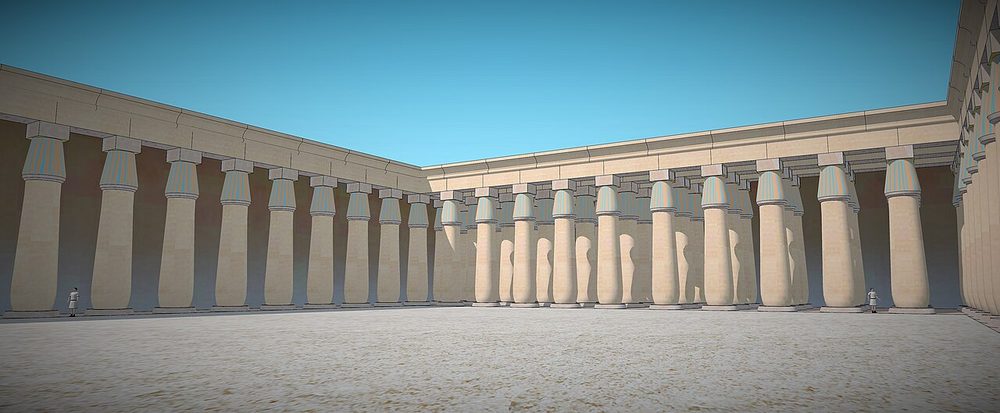
Preliminary analysis indicates the colossus was not carved at Imet. It was likely brought from Pi-Ramesses, the capital Ramesses II built in the north-eastern Delta. Moving, reusing and “re-signing” older statues was common practice: pharaohs repurposed their predecessors’ monuments to assert their own glory. The stone travelled on sledges and by water along the branches of the Nile.
Imet, forgotten city of the eastern Delta
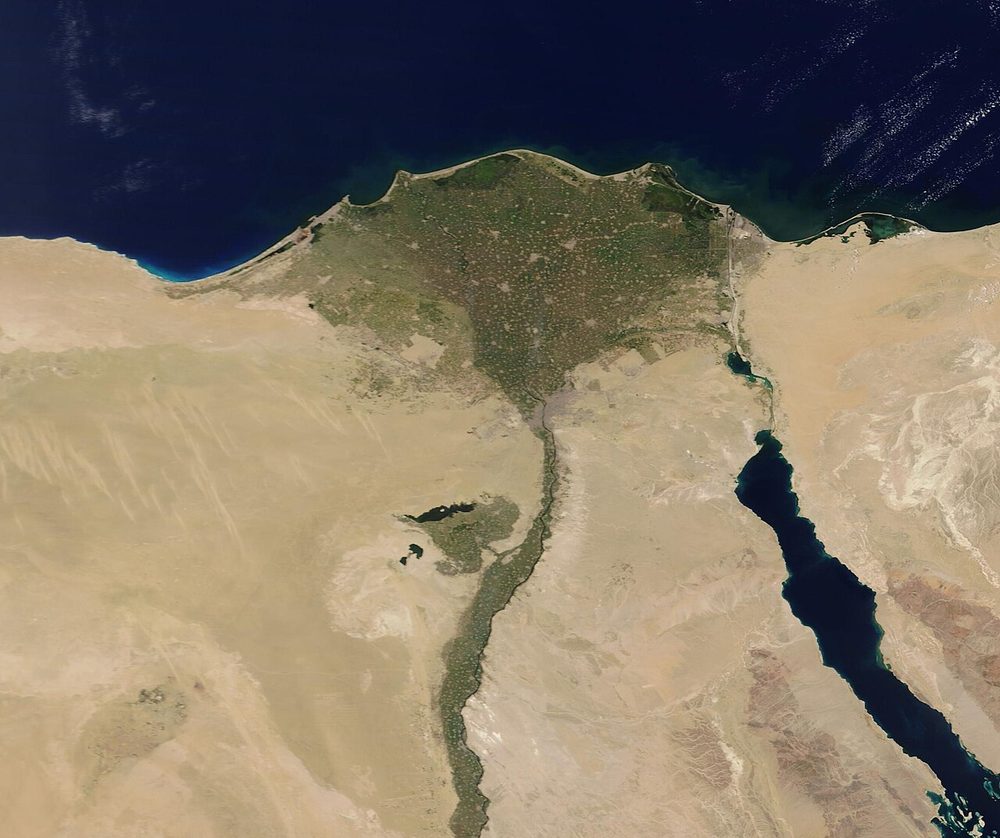
Tell Pharaon corresponds to ancient Imet, capital of the 19th nome of Lower Egypt, dedicated to the goddess Wadjet. Long overshadowed by Tanis and Bubastis, the city has recently yielded houses, workshops and temples, revealing an urban centre active from the New Kingdom into the Late Period. The colossus confirms the monumental standing of the site.
Ramesses II, builder of an Egypt of giants
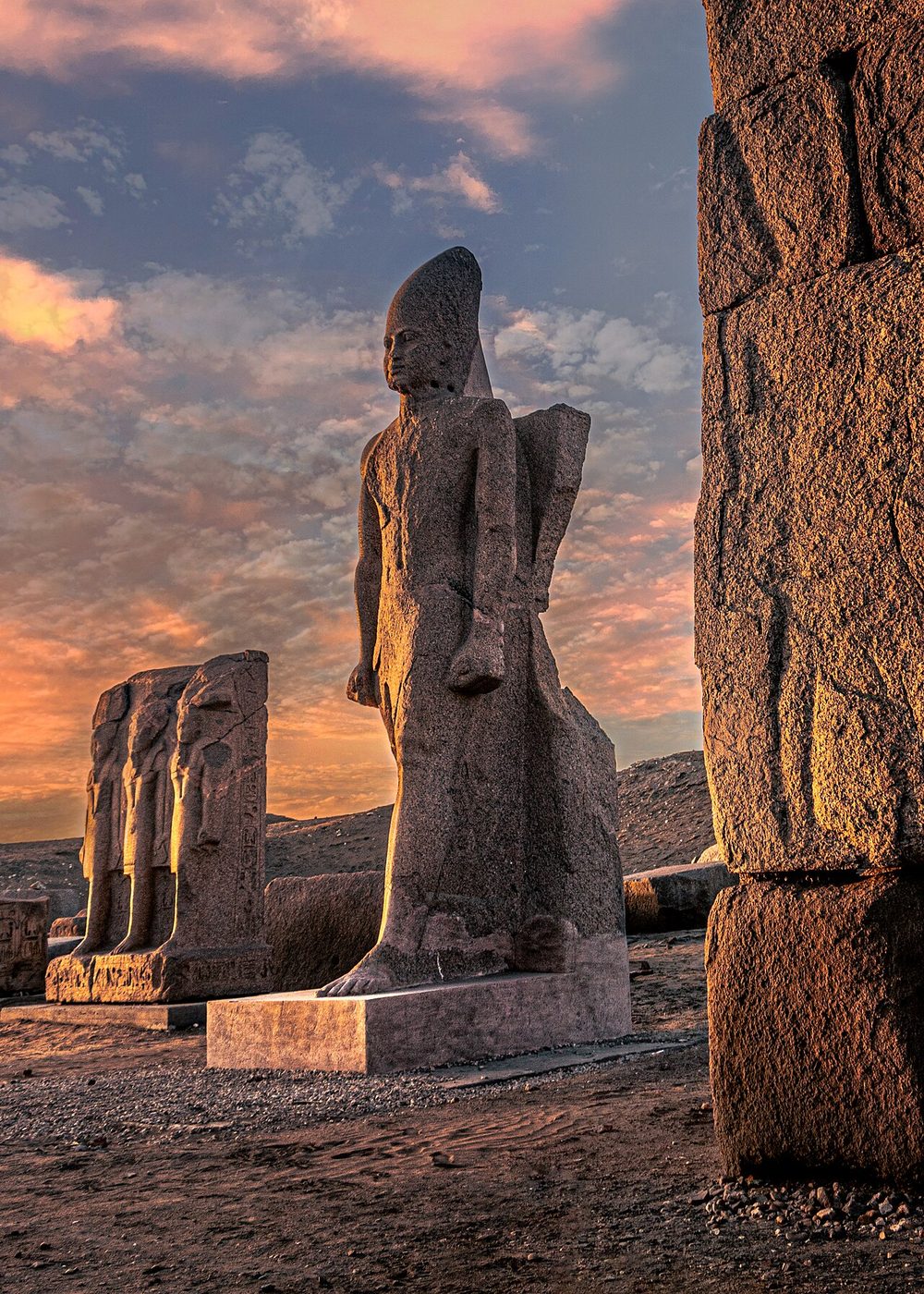
Ramesses II (c. 1279-1213 BCE), third pharaohPharaohThe title of the ruler of ancient Egypt, regarded as a living god guaranteeing cosmic order (Maat), supreme head of state, army and worship.→ of the 19th Dynasty, reigned for nearly 66 years and covered Egypt with temples and colossi, from Abu Simbel to the Ramesseum. His monumental statues served his propaganda as much as the cult. After its discovery, the Imet statue was moved to the storehouses of the San el-Hagar archaeological village for restoration.
No comments yet. Be the first.