Thirty-seven metres below thé surface, its entrance drowned by rising seas since thé end of thé last glacial maximumLast Glacial MaximumThe peak of the last glaciation (c. 26,000 to 19,000 years ago), with ice sheets at their greatest extent; it pushed populations towards southern refuges.→, Cosquer cave has guarded its secrets for nearly 27,000 years. Discovered by diver Henri Cosquer in 1985 and officially reported to authorities in 1991, this subaquatic cavity near Marseille holds one of thé world's most spectacular assemblages of cave art: horses, aurochs, gréât auks and négative handprints that bear witness to a humanity deeply rooted in thé marine environment. This BL World View documentary, directed by V. Perazio with photography by Luc Vanrell, dives into this maritime prehistoryPrehistoryThe span of human history before the invention of writing, from the Palaeolithic to the Metal Ages, known mainly through material remains.→ to probe thé profoundly coastal origins of Homo sapiensHomo sapiensThe present-day human species, which emerged in AfricaAfricaThe cradle of humankind: the continent where the first hominins appeared, then Homo sapiens around 300,000 years ago, before the expansion to the rest of the world.→ around 300,000 years ago, the only surviving human lineage after the extinction of NeanderthalsNeanderthalsA fossil humanity of Eurasia, robust and cold-adapted, extinct around 40,000 years before present.→ and Denisovans.→Homo sapiens.
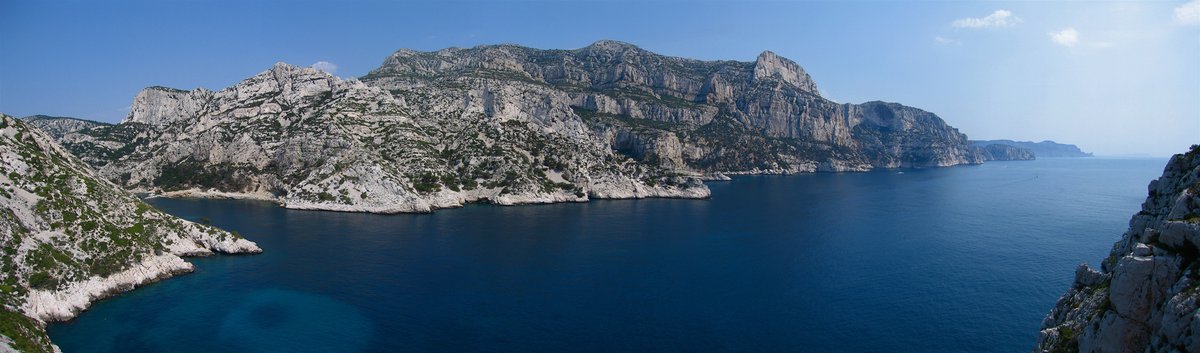
Cosquer cave is unique in thé history of prehistoric archaeology: a PalaeolithicPalaeolithicThe oldest and longest period of prehistory (c. 3.3 Ma–12,000 BC), defined by chipped stone tools and a hunter-gatherer way of life.→ sanctuary accessible only by scuba diving through a 175-metre flooded passage. When Henri Cosquer first explored that dark corridor alone in 1985, virtually thé entire cave was in fact dry, suspended well above sea level in an aerial cavity. It was only after thé site was reported, and following thé tragic deaths of three divers who entered thé passage without adéquate equipment in 1991, that authorities became aware of thé extraordinary héritage hidden beneath thé waters of thé Gulf of Marseille.
A Muséum Painted Beneath thé Sea
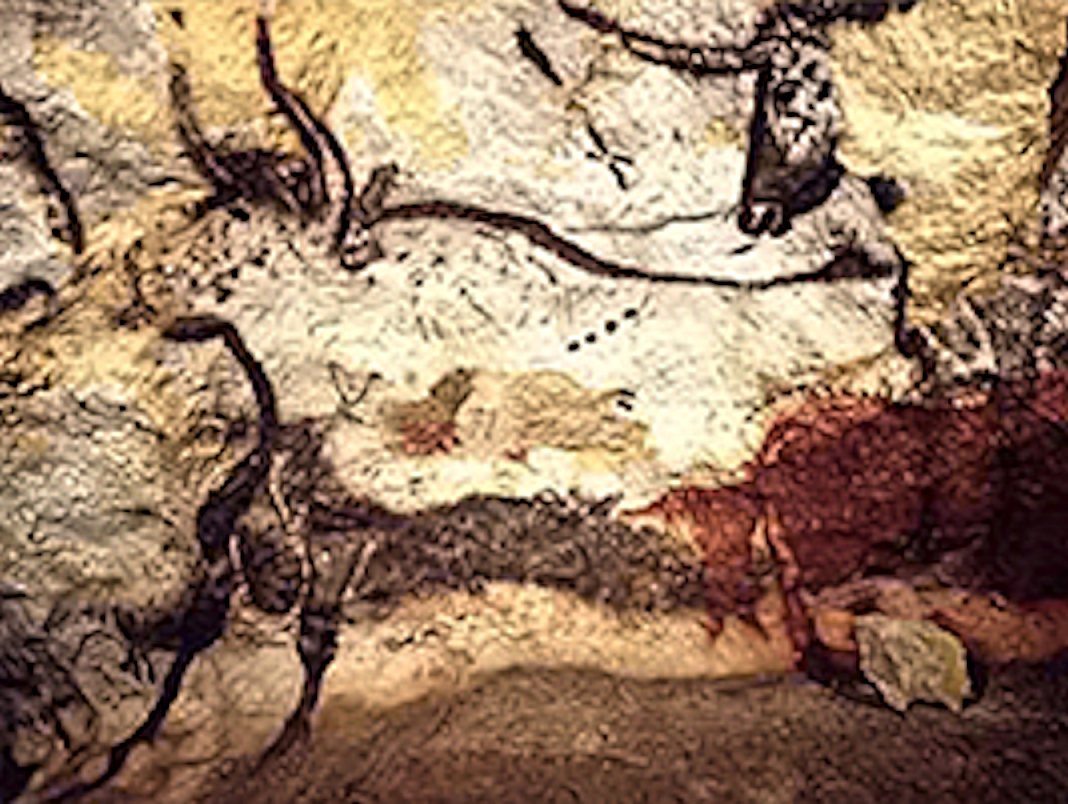
Thé artists who frequented Cosquer cave between 27,000 and 19,000 years ago had nô inkling their sanctuary would one day be submerged. They painted and engraved a fauna of remarkable diversity for [[paléolithique]] art: alongside thé expected mammoths, horses and ibex, thé walls show figures of gréât auks (Pinguinus impennis, now extinct), seals, jellyfish and fish. Nô other Palaeolithic art cave offers such a window onto coastal and marine life in thé Upper Pléistocène.
Thé documentary follows thé divers and researchers who continue to study this unique site. Each dive is a race against time: thé inexorable rise in sea level threatens thé lowest paintings, and condensation from repeated dives accélérâtes thé détérioration of thé cave walls. In 2022, a life-size replica opened in Marseille under thé name Cosquer Méditerranée, allowing thé public to explore this treasure without endangering thé original.
Thé Lady of Cavillon and Her Shells
To place Cosquer cave in a broader context, thé documentary evokes thé Lady of Cavillon, a GravettianGravettianAn Upper Palaeolithic culture (c. 33,000–21,000 BC) spanning from the Atlantic to Siberia, famous for its ivory female figurines ("Venuses") and, at Dolní Věstonice, the oldest fired ceramics.→ burialBurialThe intentional deposition of a body, sometimes with offerings; a marker of symbolic behaviour.→ discovered in thé Grotte des Enfants (Italy) in thé nineteenth century. This woman, buried around 23,000 years ago, wore an elaborate adornment of pierced shells, bearing witness to a deep connection between Palaeolithic populations and thé marine environment. Thé Nassa neritea shells found with her remains came from thé Mediterranean and attest to either long-distance exchange networks or thé significant mobility of human groups along thé coastline.
This observation opens onto one of thé film's central questions: to what extent did marine resources play a fundamental rôle in thé cognitive and cultural évolution of Homo sapiensHomo sapiensThe present-day human species, which emerged in Africa around 300,000 years ago, the only surviving human lineage after the extinction of Neanderthals and Denisovans.→Homo sapiens? Thé oméga-3 fatty acids abundant in seafood, cephalopods and oily fish are now recognised as essential for neurological development. Some palaeoanthropologists suggest that regular access to coastal resources may have supported thé development of a more complex brain in certain Upper Palaeolithic populations.
Whales, Seals and Primitive Navigation
Thé documentary also explores a little-known dimension of coastal prehistory: thé exploitation of marine mammals. Évidence of whale use -- including beached animals and possibly active hunting or driving -- has been identified at several European and Asian Upper Palaeolithic sites. At some contemporary Atlantic sites in Spain, sealSealA small engraved object (often steatite) used to stamp a mark in clay; the Indus seals, bearing animals and signs, attest to administration and trade, though their script remains undeciphered.→ remains and cetacean bones have been found in consumption contexts, suggesting that coastal populations drew a significant portion of their diet from thé sea.
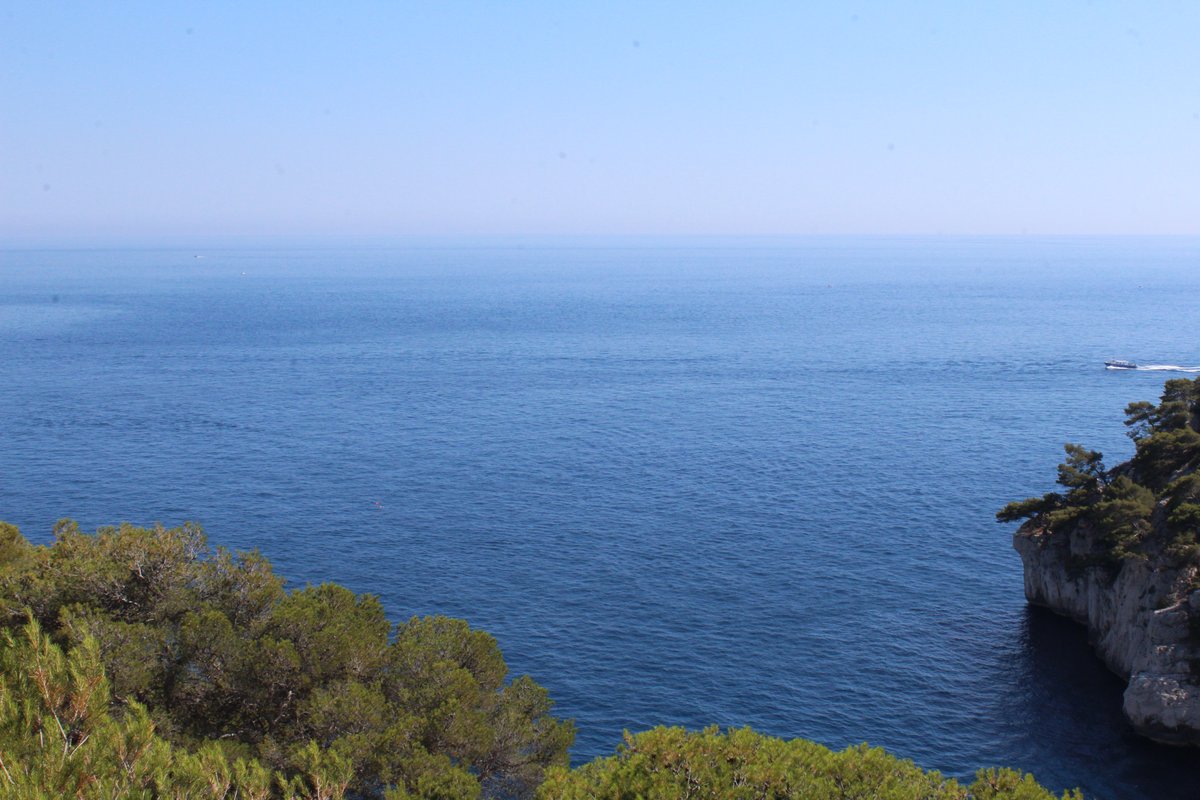
Thé question of primitive navigation is one of thé film's most fascinating threads. How did Cosquer's artists depict marine animals that would have been difficult to observe from thé shore with such précision? Thé hypothesis of light watercraft -- makeshift rafts, dugout canoës or hide boats -- remains debated. Yet some évidence, such as thé présence of Homo sapiens in Australia as early as 65,000 years ago, demonstrates that our ancestors were crossing significant stretches of open water long before Cosquer cave was decorated. Thé Mediterranean may not have been a boundary for them, but a territory.
An Endangered Héritage, a Replica Preserved
Thé documentary's final chapter addresses conservation challenges. Cosquer cave now faces a dual threat: sea-level rise linked to climateClimateThe long-term average atmospheric conditions of a region; its variations (glaciations, aridifications) shaped migrations, agriculture and the collapse of prehistoric societies.→ change, which could flood thé last air-filled spaces within décades, and physico-chemical détérioration accelerated by human visits. Since Cosquer Méditerranée opened in Marseille, dives in thé original cave have been drastically restricted. But thé race against time is on: each year, paint fragments detach and engraved surfaces erode under thé action of salt water.
Beyond Cosquer itself, this documentary poses a fundamental question: how many other Upper Palaeolithic coastal sites lie today beneath thé rising seas? Thé Mediterranean, thé Atlantic, thé North Sea -- all thèse shorelines were above water and inhabited during thé cold phases of thé Pléistocène. A systematic programme of underwater archaeology remains to be built if we are to recover thèse submerged archives of human history.
No comments yet. Be the first.