A Construction Site Reveals a 6,000-Year-Old Secret
In January 2007, workers digging foundations for a factory at Valdaro, a hamlet some ten kilometres south of Mantua in Lombardy, uncovered a burialBurialThe intentional deposition of a body, sometimes with offerings; a marker of symbolic behaviour.→ that would astonish NeolithicNeolithicThe "New Stone Age": a period marked by farming, herding, settlement and pottery, from around 10,000 BC.→ specialists worldwide. Two human skeletons lay face to face, their limbs intertwined in an embrace preserved for nearly 6,000 years. The preventive archaeology team led by Elena Menotti, called urgently to the site, immediately understood it had discovered something unique in the annals of European prehistoryPrehistoryThe span of human history before the invention of writing, from the Palaeolithic to the Metal Ages, known mainly through material remains.→.
Elena Menotti made no effort to conceal her emotion: "I have been doing this job for 25 years. I have worked at Pompeii and at other well-known sites, but I have never been as moved as I am now, because this is the discovery of something very special."1 The find was made public in February 2007 by Reuters, generating worldwide immediate resonance and earning the two individuals the nickname the "Lovers of Valdaro".
Face to Face, Limbs Entwined: A Posture Without Known Parallel
What fundamentally sets this burial apart from all other known Neolithic inhumations is the position of the two bodies in the grave. Unlike the usual double burials, where individuals are laid side by side or one after the other without direct contact, the Valdaro couple face each other fully: their arms embrace, their legs interweave. Archaeologists have identified no other example of a Neolithic double burial displaying such an intertwining of limbs across the entire European continent.2
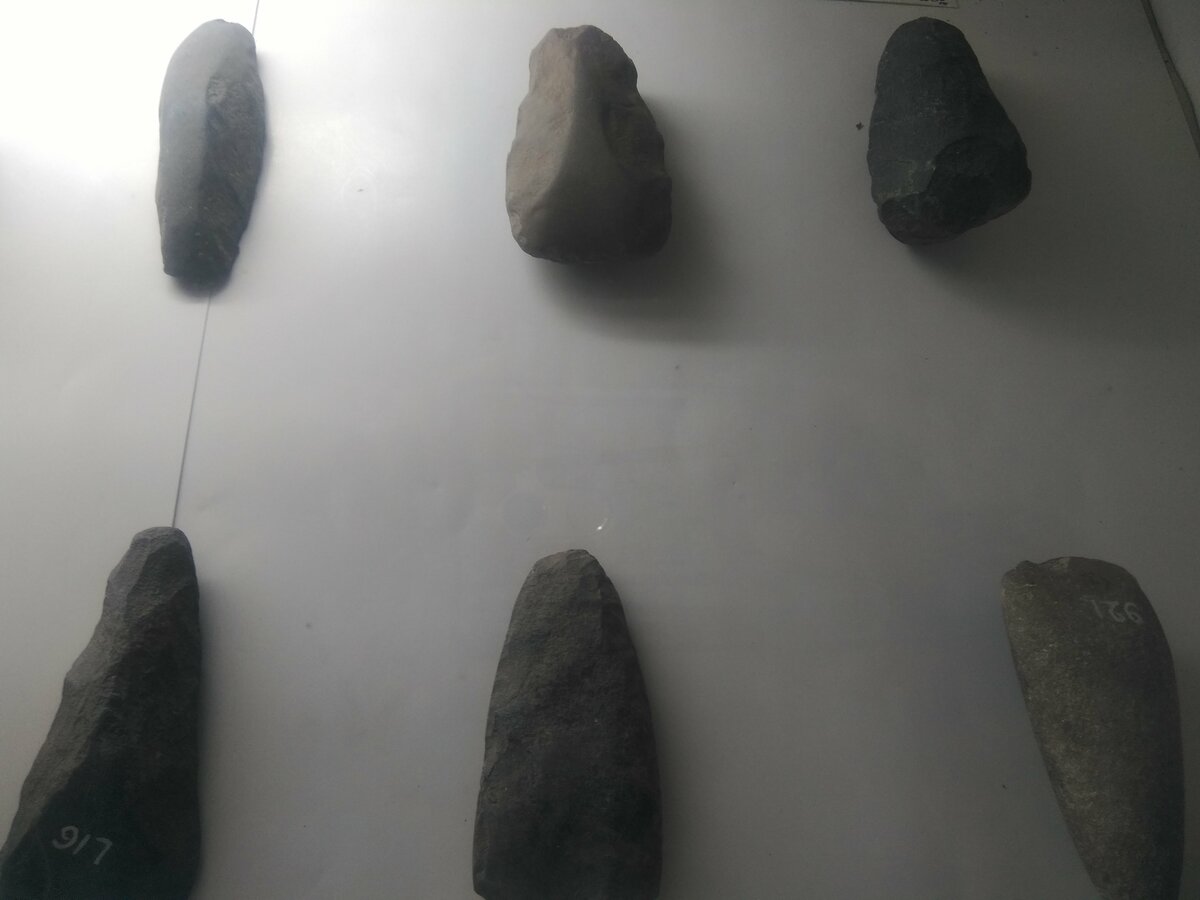
Dental analysis established that both individuals were young adults at the time of death. Tooth wear was relatively light and even, with no sign of major pathology, ruling out elderly individuals. The tomb also contained grave goods in flint: knapped arrowheads and a knife, typical of the Neolithic culture of the Po Plain. These elements date the burial to approximately 4,000 to 3,500 BCE, some 5,500 to 6,000 years before the present.
The question of the two individuals' sex engaged researchers: subsequent morphological and genetic analyses concluded they were most likely a man and a woman, though the fragmentation of certain bones made analysis difficult. No trace of violence was found, and the exact cause of their simultaneous deaths remains undetermined to this day.
An Emotional Enigma at the Heart of Italian Prehistory
Since their discovery, the two skeletons have been housed and displayed at the Museo Nazionale Preistorico Etnografico Luigi Pigorini in Rome, now part of the Museo delle Civilta. They quickly became one of the institution's most recognisable objects, illustrating as few other artefacts can the affective dimension that prehistoric societies could impart to their funerary rites.
The Po Plain, in whose heart Mantua lies, is one of Europe's best-documented regions for the Neolithic transition, around 5,500 to 4,000 BCE. The farming communities that settled there practised elaborate burial rites, interring their dead with tools, jewellery, or provisions. The Valdaro double burial is both characteristic of its era - through its flint tools - and profoundly atypical, through the intimate posture of its occupants.
The "Lovers of Valdaro" pose a question that science alone cannot definitively answer. Was this embrace the product of a deliberate ritual, a community-recognised expression of a bond between these two individuals? Or did they die in tragic circumstances - illness, accident - and were buried together in the position in which they were found? To date, available analyses have provided no final answer, leaving this discovery with all the power of a 6,000-year-old mystery.1
No comments yet. Be the first.