Around 3,500 years ago, a population of seafarers bearing a distinctive geometric pottery took to sea from the islands of the Bismarck Archipelago off Papua New Guinea, and undertook one of the greatest colonisation adventures in human history. Within a few centuries, the bearers of Lapita culture spread their presence across thousands of kilometres of Pacific Ocean — reaching Tonga, Samoa, Fiji — founding the ancestral societies of the entire Polynesian and Micronesian world.
Lapita culture takes its name from an archaeological site discovered in New Caledonia in 1952. It is identified by its characteristic ceramics: thin-walled pottery decorated with complex incised or dentate geometric motifs, including stylised human face representations. These potteries, found at more than 200 sites between Melanesia and western Polynesia, constitute the guiding thread allowing archaeologists to reconstruct the migration routes of these exceptional navigators.
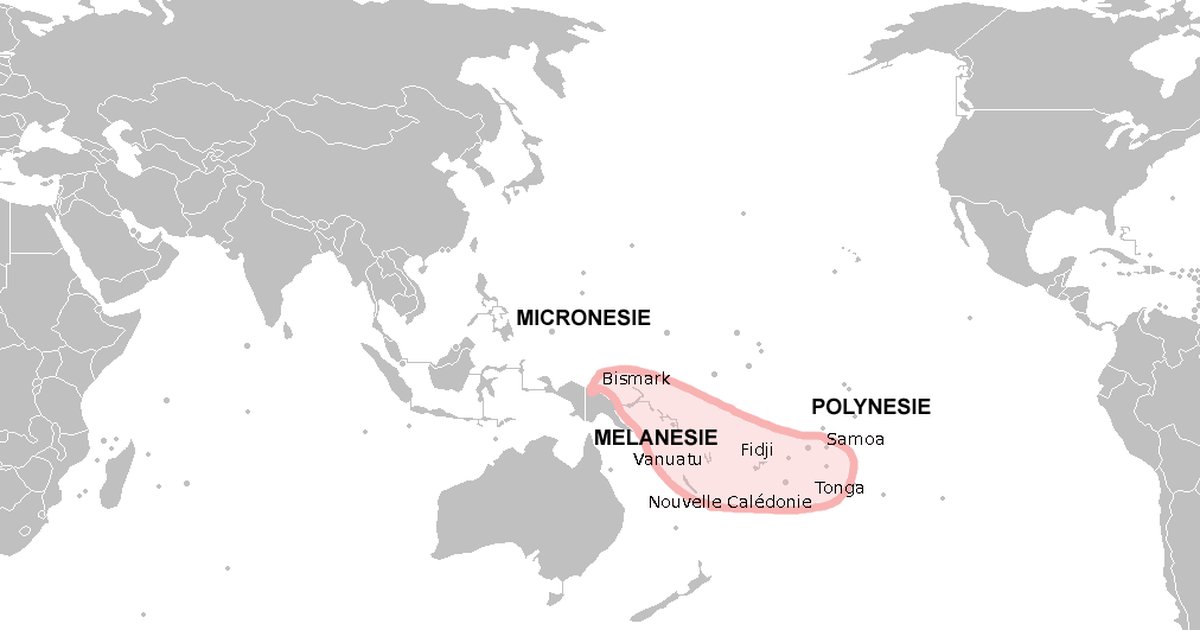
Modern genetic and linguistic analyses have allowed better understanding of who these first Oceanians were. Lapita populations descend from a recent Asian migration (5,000 to 6,000 years ago) from southern China or Taiwan — the ancestors of current Austronesian peoples — who crossed the Philippines, eastern Indonesia, and Melanesia before developing their specific maritime culture in the Bismarck Archipelago. The Lapita colonisation of eastern Polynesia (Hawaii, Marquesas, New Zealand, Easter Island) would come later, between 1,000 and 700 years BCE, carried out by the Polynesian descendants of Lapita culture bearers.
No comments yet. Be the first.