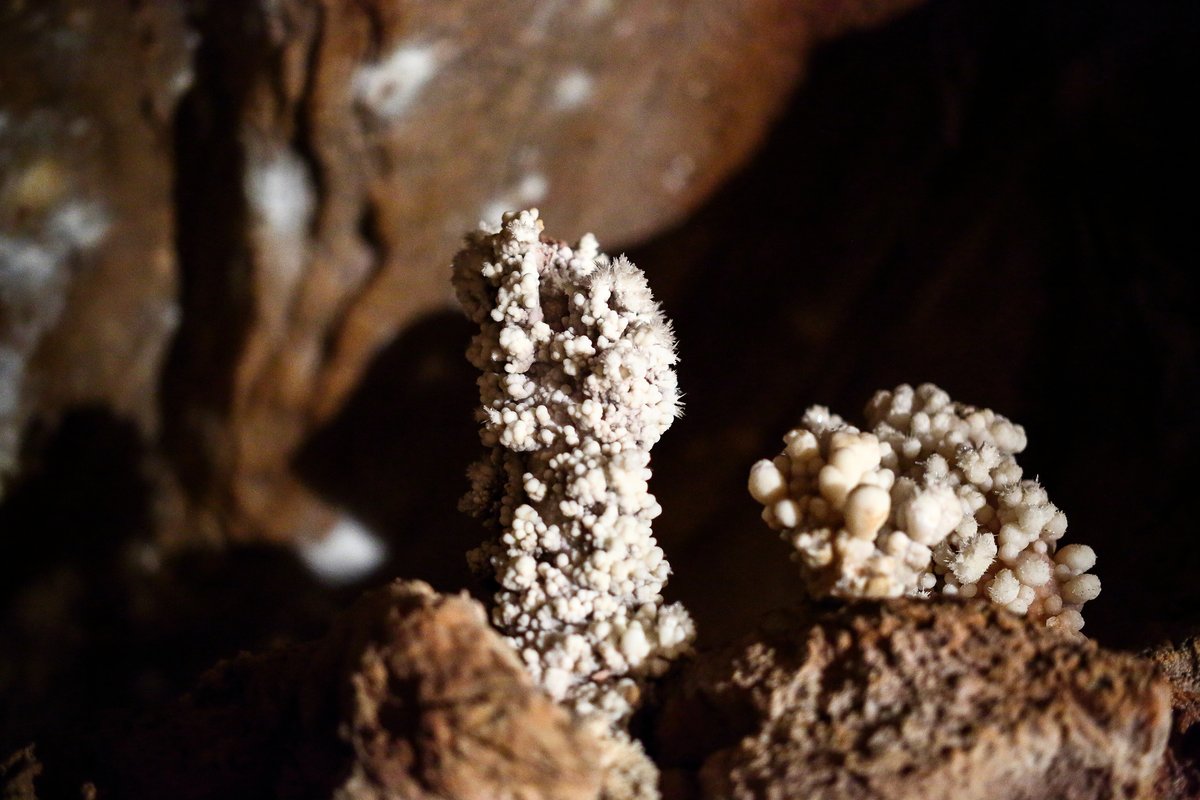
In 1950, cavers discovered in the hills of Liguria, near Toirano, a cave whose galleries are decorated with spectacular limestone formations. But it was other traces that researchers would soon notice: footprints preserved in the clayey silt at the back of the cavern, impressed there more than 14,000 years ago and conserved with remarkable clarity. The Grotta della Bàsura - "the witch's cave" in local dialect - thus became one of the rare sites in the world to offer a near-photographic image of a prehistoric expedition. A study published in June 2026 in Quaternary Science Reviews delivers the most complete analysis yet of these footprints and reveals the presence of an unexpected companion.1
Five Humans, Two Children and a Makeshift Torch
The international team led by Marco Avanzini of the Trento Museum of Sciences combined 3D photogrammetry, morphometric analysis of footprints and radiocarbon dating to establish a precise portrait of the Bàsura's visitors. The result: five human individuals left traces in the cave, comprising two adults, one adolescent and two children, one around 3 years old and the other around 6. These ages were estimated from footprint size and stride length. The youngest visitors had not yet reached primary school age.
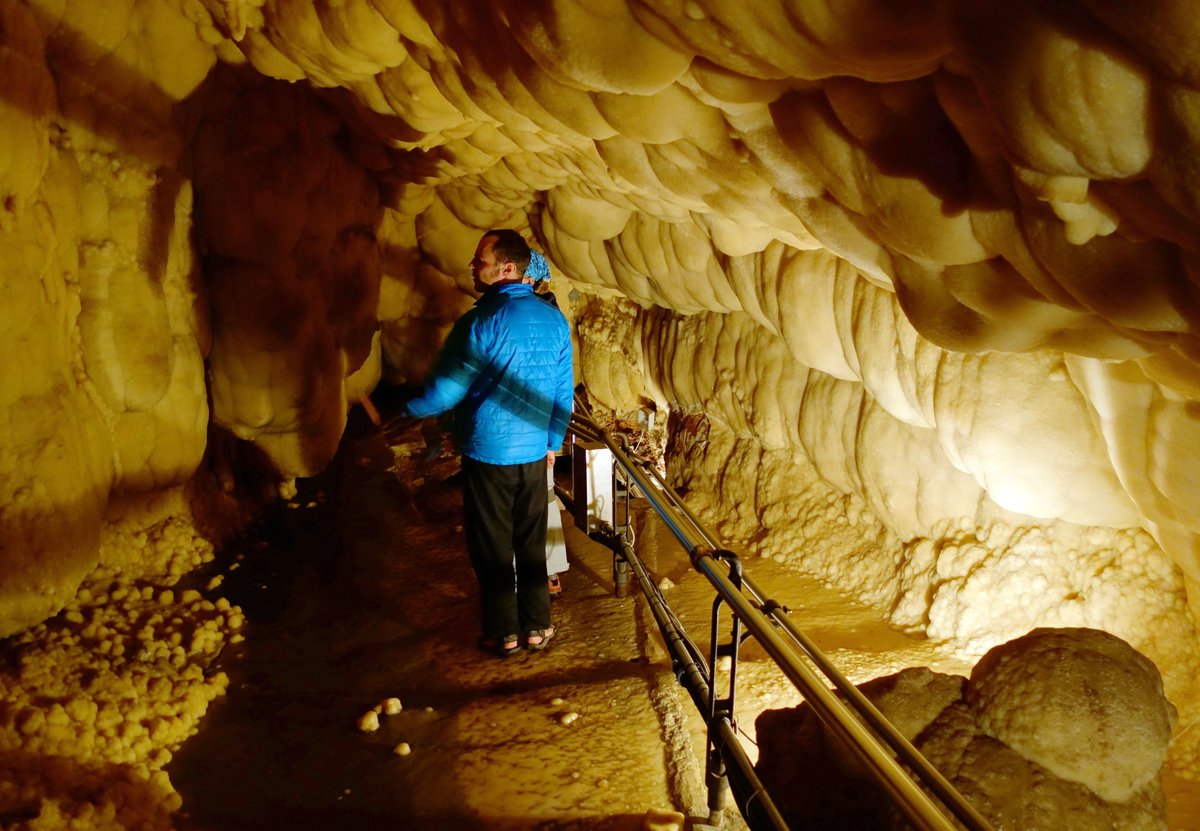
The human footprints trace a coherent route: the group penetrated deep into the cave, reaching galleries several hundred metres from the entrance in total darkness. Charred pine branch fragments (Pinus sylvestris or related species) were found on the cave floor at locations corresponding to stopping points marked by the footprints. These branches, around 30 to 40 centimetres long, had been used as torches to light the way, providing a flickering but sufficient light to progress through the galleries.
A 40 kg Dog, Companion of Exploration
What fundamentally differentiates the 2026 study from previous analyses is the formal identification of a second type of footprints: those of a domestic dog (Canis lupus familiaris). The animal, estimated at around 40 kilograms and 70 centimetres at the shoulder, had broad paws characteristic of a robustly built individual. The dog's footprints overlap with the humans' in places, and vice versa, indicating that the animal moved freely within the group, sometimes ahead and sometimes behind.
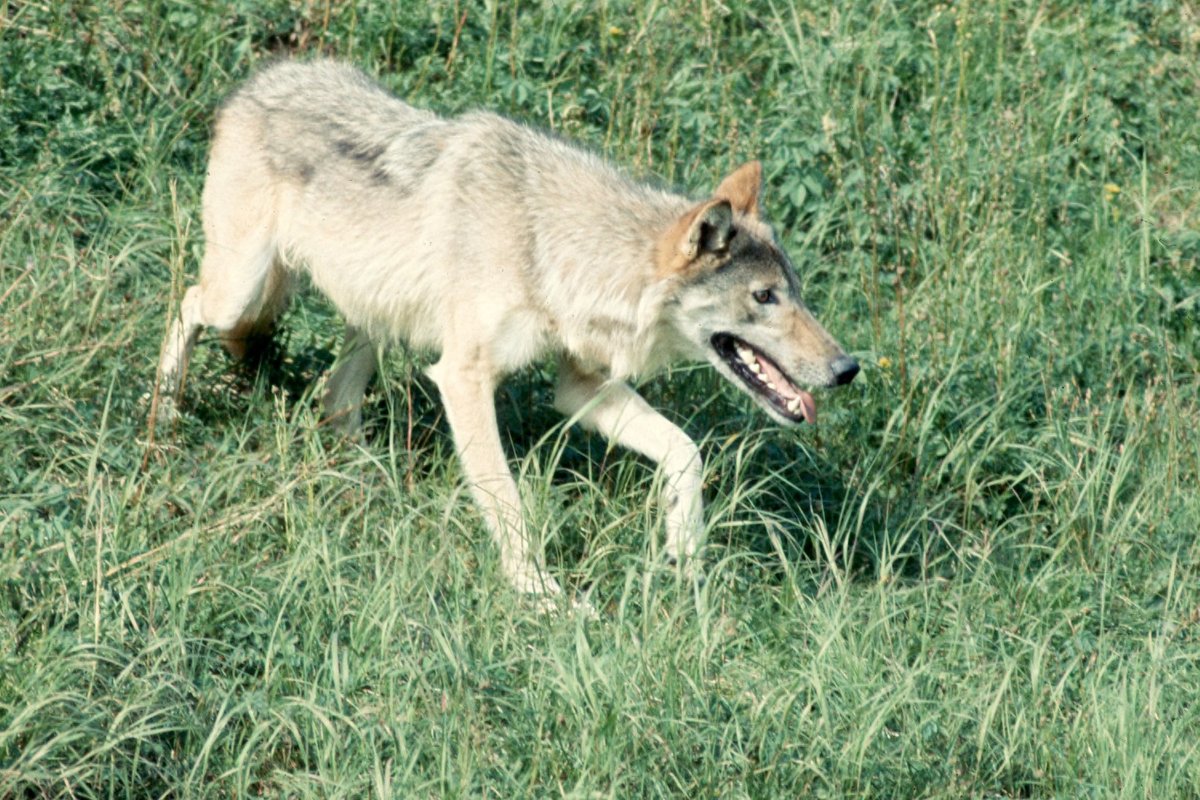
14,400 years ago, the domestication of the dog had been an accomplished fact for several millennia. The oldest remains of domesticated dogs are dated to around 30,000 to 40,000 years ago, depending on the criteria applied. But the Bàsura offers something rare: not a bone or a tooth, but moving paw prints, a living animal walking alongside its human companions in the darkness of a Ligurian cave.
Bears, Torches and Intentional Exploration
The Grotta della Bàsura was not an empty, harmless space. Cave bear footprints (Ursus spelaeus) were also identified in the galleries, some overlapping with the human footprints. The prehistoric visitors were not unaware that the cave harboured or had harboured these predators, whose skeletal remains litter the floors of many European caves. Their entry into this inhospitable environment with two young children testifies to a strong motivation: perhaps a rite of passage, a ritual exploration, or simply curiosity and the lure of the unknown.
The 2026 study places the Bàsura in the broader context of the human-dog relationship in the Upper PalaeolithicUpper PalaeolithicThe final phase of the Palaeolithic (c. 45,000 to 10,000 years ago), marked by Homo sapiens in Europe, art, ornaments and a succession of cultures (Aurignacian, Gravettian, Solutrean, Magdalenian).→. At a time when groups of hunter-gatherersHunter-gatherersA way of life based on hunting, fishing and gathering wild resources, without farming or herding; it dominated almost the whole of human history.→ ranged across post-glacial Europe, the dog was not merely a hunting tool or camp guardian: it was a companion, integrated into the group's social life to the point of accompanying its members into the depths of the earth. This discovery constitutes one of the most moving proofs of the depth of the bond that already united, 14,400 years ago, humans and the best friend they had not yet named.
Ce qui me frappe, c'est à quel point ces gens d'il y a des millénaires nous ressemblaient.
Ce site est une mine pour les joueurs de Paleo, 7 Wonders ou Tigris & Euphrates. Merci !
C'est vertigineux de réaliser à quel point nos ancêtres étaient déjà pleinement humains.