Two specimens, one origin
In March 2026, the journal Nature published two independent studies that change our understanding of dog domestication. A team led by William Marsh, from the Natural History Museum in London, in collaboration with twenty-two international research institutes, analysed the DNADNAThe molecule carrying genetic information, used to reconstruct kinship between species.→ of two extraordinary specimens: a dog from Pinarbasi, in central Turkey, dated to 15,800 years ago, and another from Gough's Cave in south-west England, dated to 14,300 years ago. These two individuals now constitute the oldest genetic traces of domestic dogs ever identified, pushing the previous records back by nearly 5,000 years.
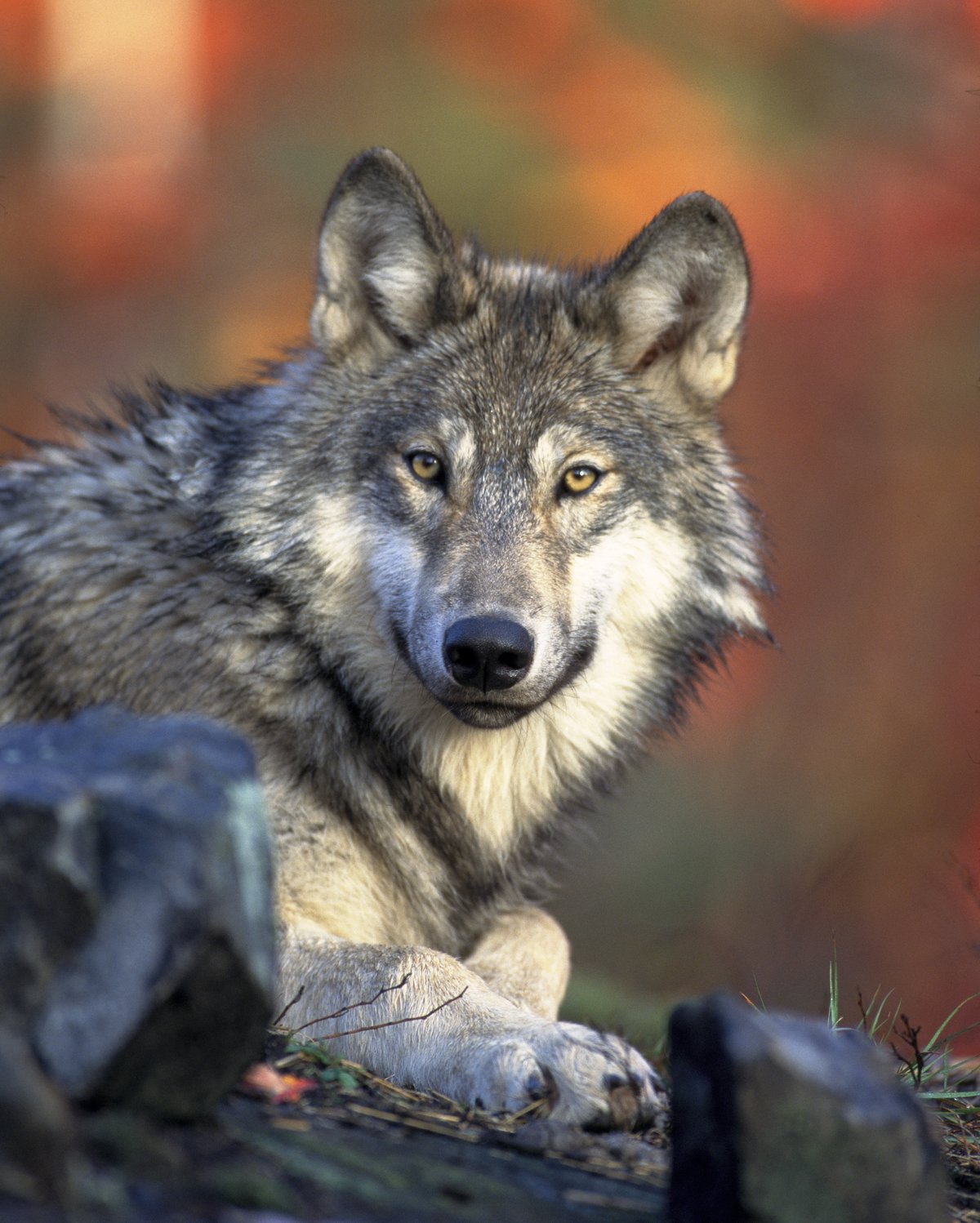
The discovery is all the more remarkable because these two specimens are separated by several thousand kilometres and several centuries. Yet their genomes prove remarkably similar. This genetic similarity indicates that domestic dogs spread very rapidly from western Asia towards western Europe -- far faster than previous models had suggested. The researchers estimate that this expansion may have occurred within just a few generations, carried by the human migrationsMigrationsLong-distance movements of populations; a major driver of human history (the exit from Africa, the peopling of continents, Neolithic and steppe expansions).→ of the palaeolithicPalaeolithicThe oldest and longest period of prehistory (c. 3.3 Ma–12,000 BC), defined by chipped stone tools and a hunter-gatherer way of life.→.
A new method for reading ancient canine DNA
One of the major advances of these studies lies in the method used. Ancient dog DNA is often fragmented, degraded, and above all contaminated by bacterial or human sequences. The researchers developed an extraction protocol to specifically isolate canine fragments while discarding parasitic sequences. This technique opens the way to analysing dozens of other specimens that remained inaccessible until now, buried in Upper PalaeolithicUpper PalaeolithicThe final phase of the Palaeolithic (c. 45,000 to 10,000 years ago), marked by Homo sapiens in Europe, art, ornaments and a succession of cultures (Aurignacian, Gravettian, Solutrean, Magdalenian).→ sites.

At Pinarbasi, the remains come from a hunter-gatherer camp context. The animal clearly shared the living space of these humans -- which corresponds to the classic models of domestication through progressive proximity. At Gough's Cave in England, the context is different: the cave also yielded human remains from the same period, and both species appear to have cohabited in the same confined space. Some researchers see this as a sign of already strong social bonds between humans and dogs at this distant point in time.
The first domesticated animal in history
If these dates are confirmed, the dog takes an even more central place in human history: it would be not only the first domesticated animal, but also the only one domesticated during the Palaeolithic, long before the emergence of agricultureAgricultureThe cultivation of plants and production of food by working the soil, which emerged in the Neolithic in the Near East and independently elsewhere; it radically transformed human societies.→ and animal husbandry. Other domestic animals -- sheep, goats, cattle, pigs -- only appear in the archaeological record from the NeolithicNeolithicThe "New Stone Age": a period marked by farming, herding, settlement and pottery, from around 10,000 BC.→ onwards, that is, between 10,000 and 8,000 years ago, some six to eight millennia later.

The question of the precise geographical origin of domestication remains open. The two 2026 specimens point to an area stretching from Anatolia to western Europe, but other genetic studies have suggested a possible focus in Central Asia or Siberia. The concordance of the two genomes analysed by Marsh's team tends to show that a single founding population proliferated sufficiently to populate the entire Eurasian continent in a remarkably short time -- which says much about the importance these animals already held for Upper Palaeolithic human societies.
Je n'ai pas de formation historique mais j'aime apprendre. Ce site est parfait pour moi.
Je vais utiliser ce contenu dans nos ateliers de médiation au musée. Narration accessible et rigoureuse.