The mastery of fire is often presented as the great rupture in human evolution -- a cognitive and technical leap that radically separates us from other primates. But a new theory published in BioEssays in 2026 proposes an unprecedented perspective: it would be burns themselves that forged some of the most distinctive characteristics of human anatomy.
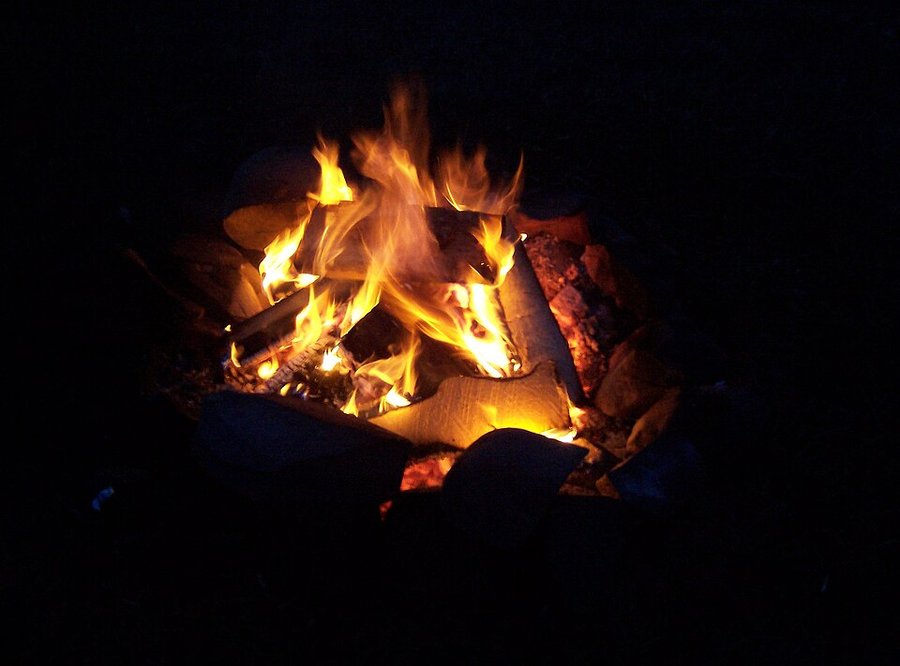
The "Burn Selection Hypothesis," developed by Cuddihy's team, starts from a simple observation: unlike other primates, hominins spent much of their lives in proximity to intense heat sources. This chronic exposure would have exerted selective pressure on genes involved in wound healing and inflammatory response.[1]
Wound-Healing Genes Under Evolutionary Pressure
The researchers identified several genes linked to the treatment of skin burns that show signs of accelerated positive selection in the human lineage. In other words, these genes evolved faster in Homo sapiensHomo sapiensThe present-day human species, which emerged in Africa around 300,000 years ago, the only surviving human lineage after the extinction of Neanderthals and Denisovans.→ than in other primates -- an evolutionary signature observed only when a characteristic confers a significant survival advantage.
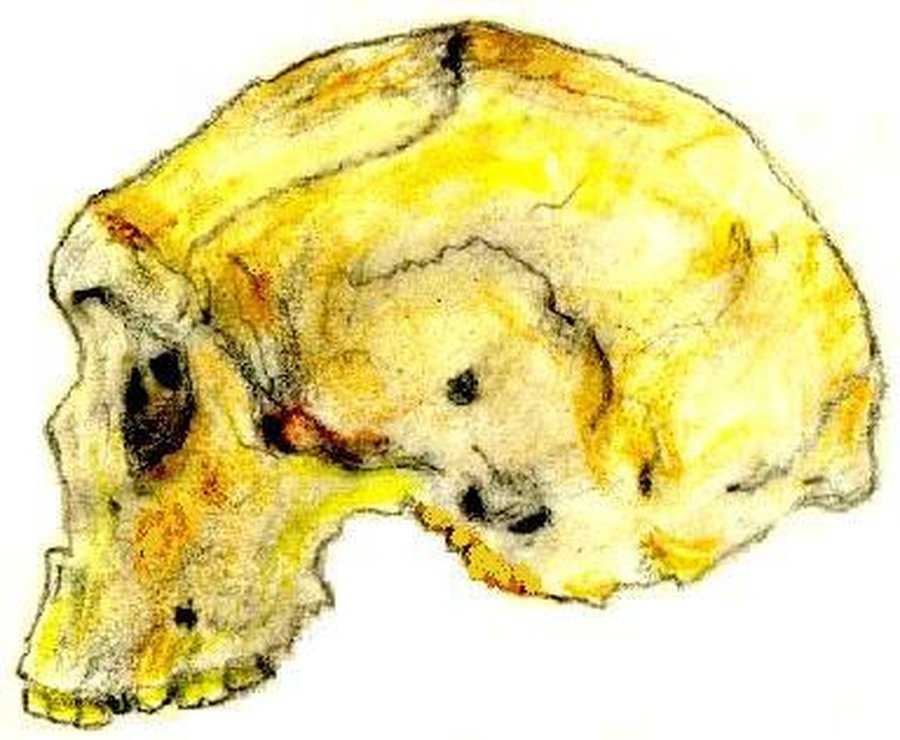
Bare Skin: Thermoregulation or Protection Against Burns?
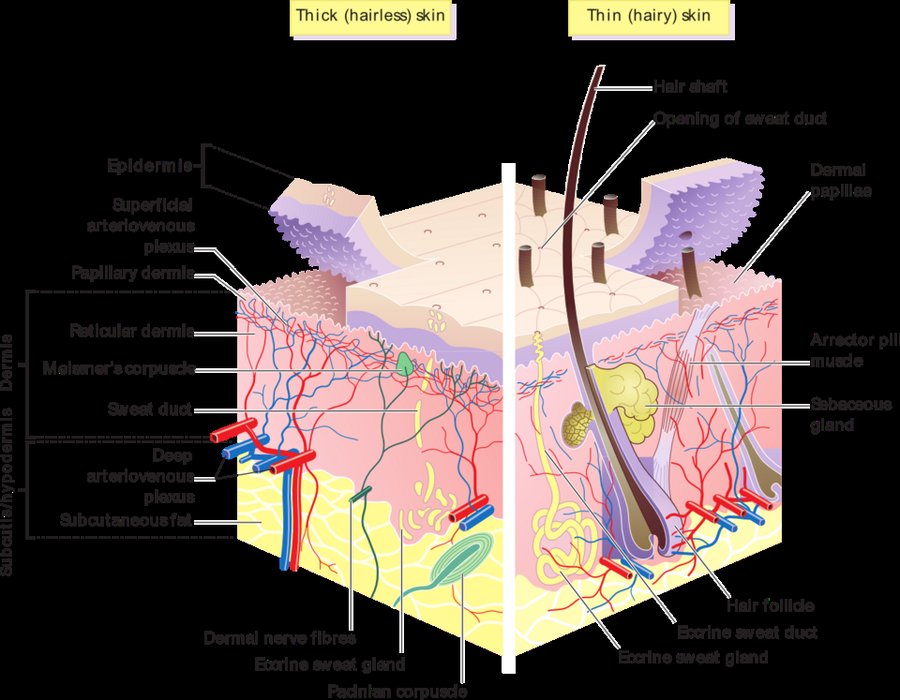
The evolution of human skin has already been linked to several adaptive advantages: reduction of body hair facilitating thermoregulation through sweating, sexual selection, infant care. Cuddihy's theory adds a new dimension: thermal protection against burns may represent another evolutionary driver of human skin specificity.
A Theory That Shakes Paradigms
This hypothesis challenges the idea that human evolution was primarily dictated by survival against predators or classic environmental pressures. It suggests that our own technologies -- and the risks they entailed -- may have become selective agents in their own right.
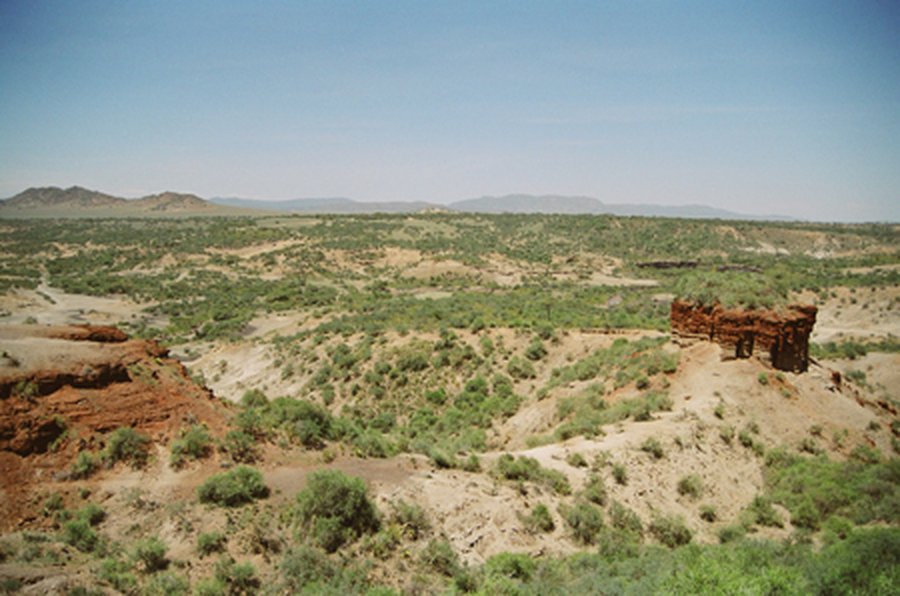
If confirmed, the burn selection theory would add to an increasingly complex picture of human evolution: that of a species that not only adapted to its environment, but was partly shaped by its own culture -- in the most literal sense of the term.
No comments yet. Be the first.