In the Minya Governorate of Upper Egypt, a mission from Egypt's antiquities authority has uncovered two Early DynasticArchaicRefers to an ancient, now-extinct human population or form (NeanderthalsNeanderthalsA fossil humanity of Eurasia, robust and cold-adapted, extinct around 40,000 years before present.→, Denisovans, ghost lineages), as opposed to anatomically modern humans.→ tombs, alongside PredynasticPredynasticThe period of Egypt before unification (c. 3100 BCE) and the First Dynasty, marked by the Naqada cultures and the gradual emergence of the state.→ and Late Period burials, at the site of Gabal El-Teir. The discovery offers a rare, continuous glimpse into the evolution of Egyptian funerary architecture, from early earthen tumuli to the first hints of the step pyramidStep pyramidEgypt's first great stone monument, raised for King Djoser at Saqqara by Imhotep (Third Dynasty), by stacking diminishing mastabas.→.1
Minister of Tourism and Antiquities Sherif Fathy described the discovery as significant, noting that it offers valuable evidence for tracing the development of funerary architecture across historical periods.
An unusual geometry, an ancestor of the pyramids?
The first Early Dynastic tomb is a rare architectural example with a unique geometric design: its walls gradually thicken from base to top. According to Hisham El-Leithy, Secretary-General of the Supreme Council of Antiquities, this design may represent an early stage in the development of engineering concepts that eventually led to the step pyramid and, later, true pyramids.
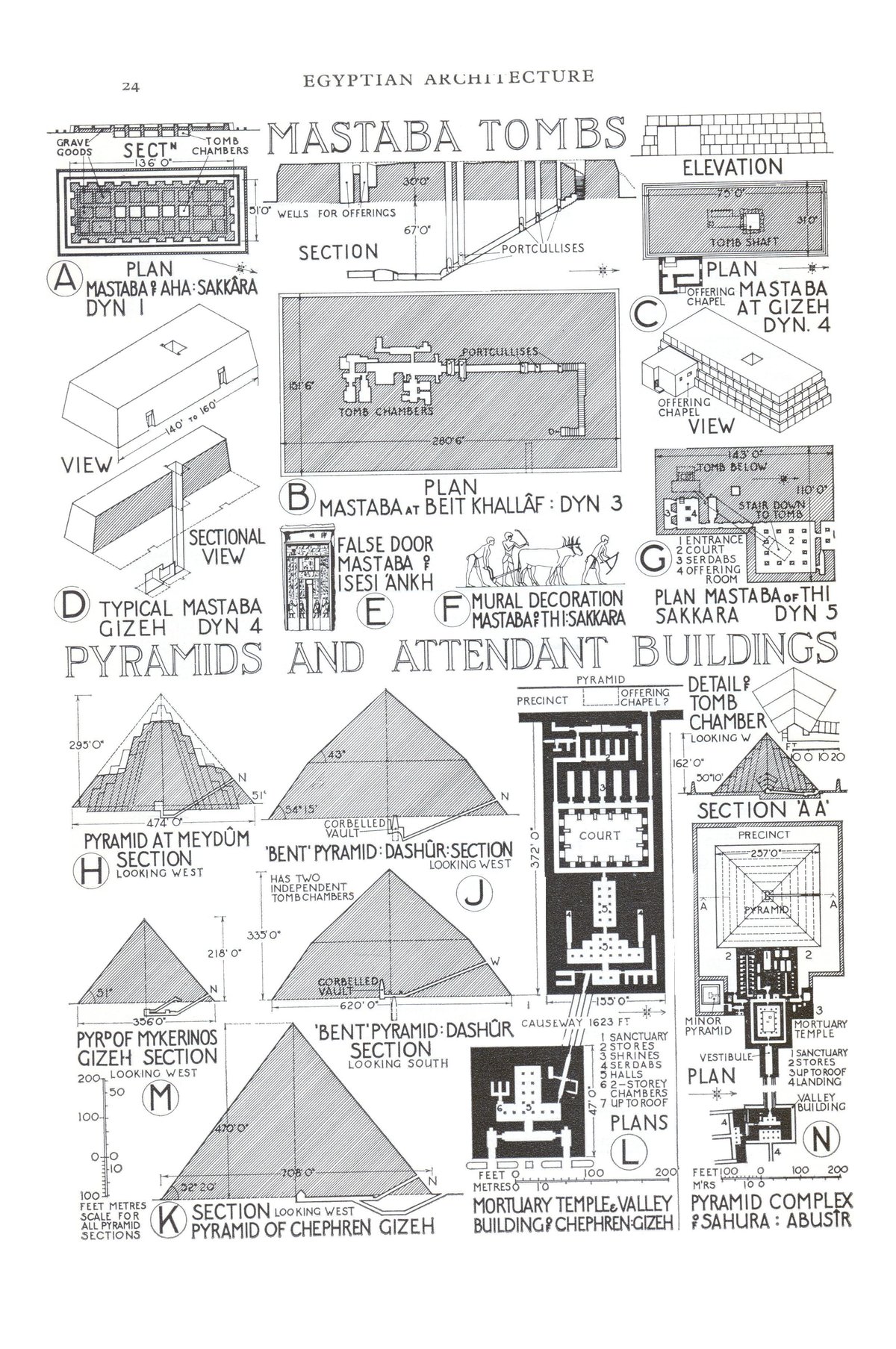
El-Leithy also stated that preliminary studies reveal similarities between the newly discovered tombs and the tomb of King Den at AbydosAbydosA sacred site in Upper Egypt, necropolisNecropolisA large organised burial ground, a "city of the dead", often spanning several periods.→ of the earliest kings (Umm el-Qaab) and a major centre of the cult of Osiris.→, one of the best-documented rulers of the First Dynasty. This resemblance underscores the archaeological significance of Gabal El-Teir and confirms its role as a major necropolis, continuously used from the Predynastic period to the Late Period.
Precise stone-cutting marks and wooden reinforcements
The first tomb appears to have been quarried in later periods to extract stone blocks, but surviving sections preserve valuable evidence of ancient construction techniques: oxide lines revealing precise stone-cutting methods, along with large wooden supports reinforcing the walls. Some of these supports run the full length of the wall, while others consist of separate straight segments.
The second tomb, located further south, follows a nearly identical layout but was not quarried, which helped preserve its structural elements more effectively.
A Predynastic cemetery and Late Period burials
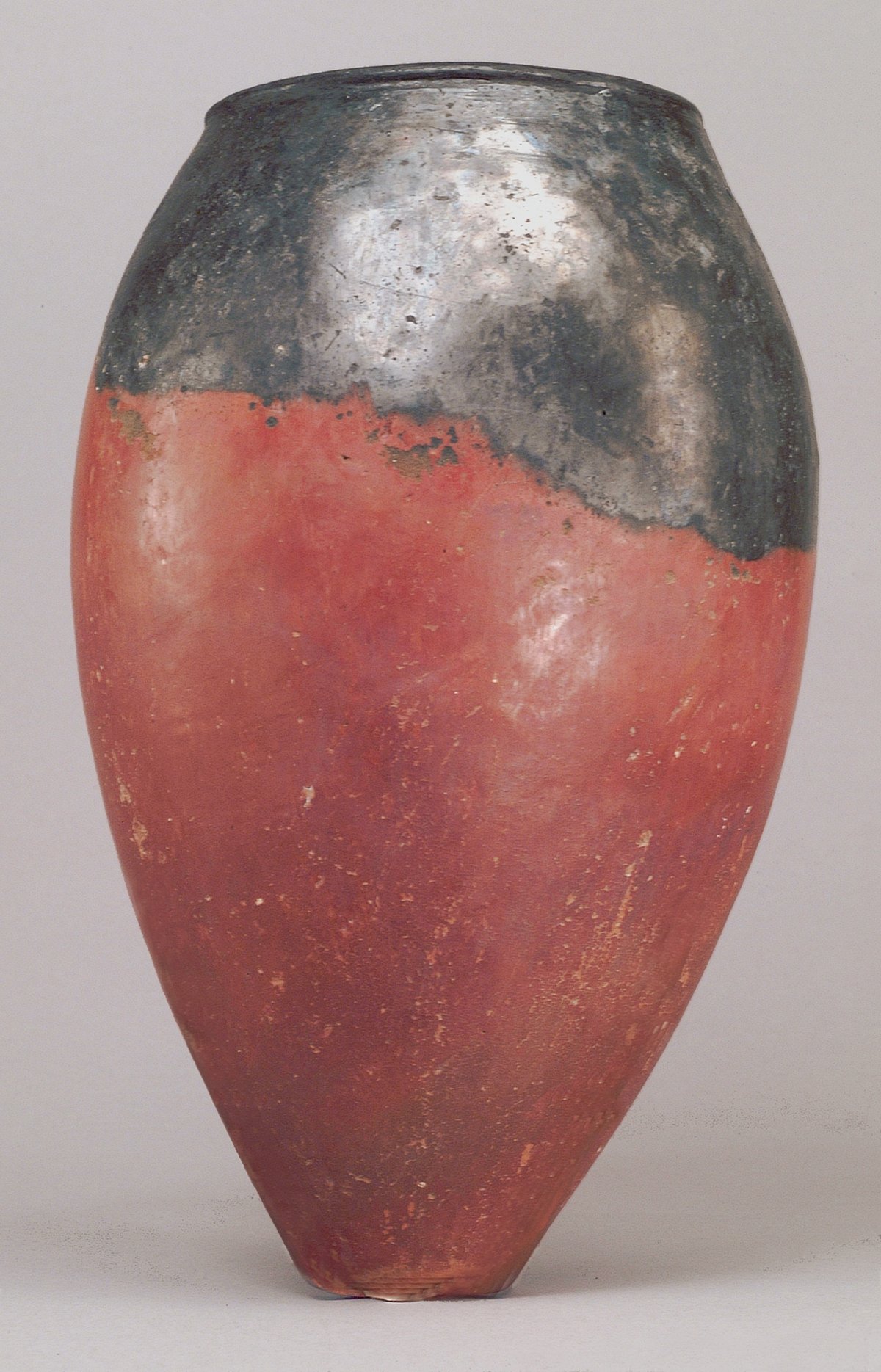
Mohamed Abdel Badei, head of the Egyptian Antiquities Sector, revealed that the mission also uncovered part of a Predynastic cemetery. Burials were found in a crouched position, wrapped in remnants of decomposed plant matting, some accompanied by black-topped pottery vessels dating to the NaqadaNaqada culturePredynastic cultures of Upper Egypt (c. 4000 to 3100 BCE), divided into Naqada I, II and III phases, that paved the way for unification and the pharaonic state.→ II and III periods.
Several individual and collective burials were also found, some inside deteriorated wooden coffins believed to date to the Late Period, confirming the site's long-term use as a burialBurialThe intentional deposition of a body, sometimes with offerings; a marker of symbolic behaviour.→ ground across multiple historical eras.
A necropolis still far from giving up all its secrets
Excavations are ongoing at Gabal El-Teir, and archaeologists expect further discoveries that will deepen understanding of the site's historical and cultural significance. Each precisely documented Early Dynastic tomb helps narrow the gap between Predynastic tumuli and the first monumental funerary structures of the Old Kingdom, beginning with Djoser's Step PyramidStep pyramidEgypt's first great stone monument, raised for King Djoser at Saqqara by Imhotep (Third Dynasty), by stacking diminishing mastabas.→ at Saqqara.
Cet exemple sera parfait pour illustrer une notion difficile à transmettre en visite guidée.
Je télécharge les images pour ma veille visuelle. Le traitement éditorial est vraiment soigné.
Ce qui me plaît c'est que vous citez vos sources. Je peux vérifier par moi-même.