Deep beneath the agricultural lands of eastern Germany, a large-scale electricity infrastructure project has brought to light one of the most complete NeolithicNeolithicThe "New Stone Age": a period marked by farming, herding, settlement and pottery, from around 10,000 BC.→ ritual complexes ever discovered in central Europe. Near the village of Gerstewitz in Saxony-Anhalt, archaeologists from the Landesamt für Denkmalpflege und Archäologie uncovered a system of circular ditches containing ritual pits dated to more than 5,000 years ago, attributed to the Salzmünde culture.1
An energy project reveals a prehistoric sanctuary
The SuedOstLink project aims to transport renewable electricity from Bavaria to northern Germany. German law mandates preventive archaeological surveys ahead of large-scale infrastructure works. At Gerstewitz, excavations covered several hectares using mechanical stripping followed by manual layer-by-layer digging, revealing an exceptional configuration: a system of circular ditches enclosing multiple pits with carefully arranged, heterogeneous contents.2
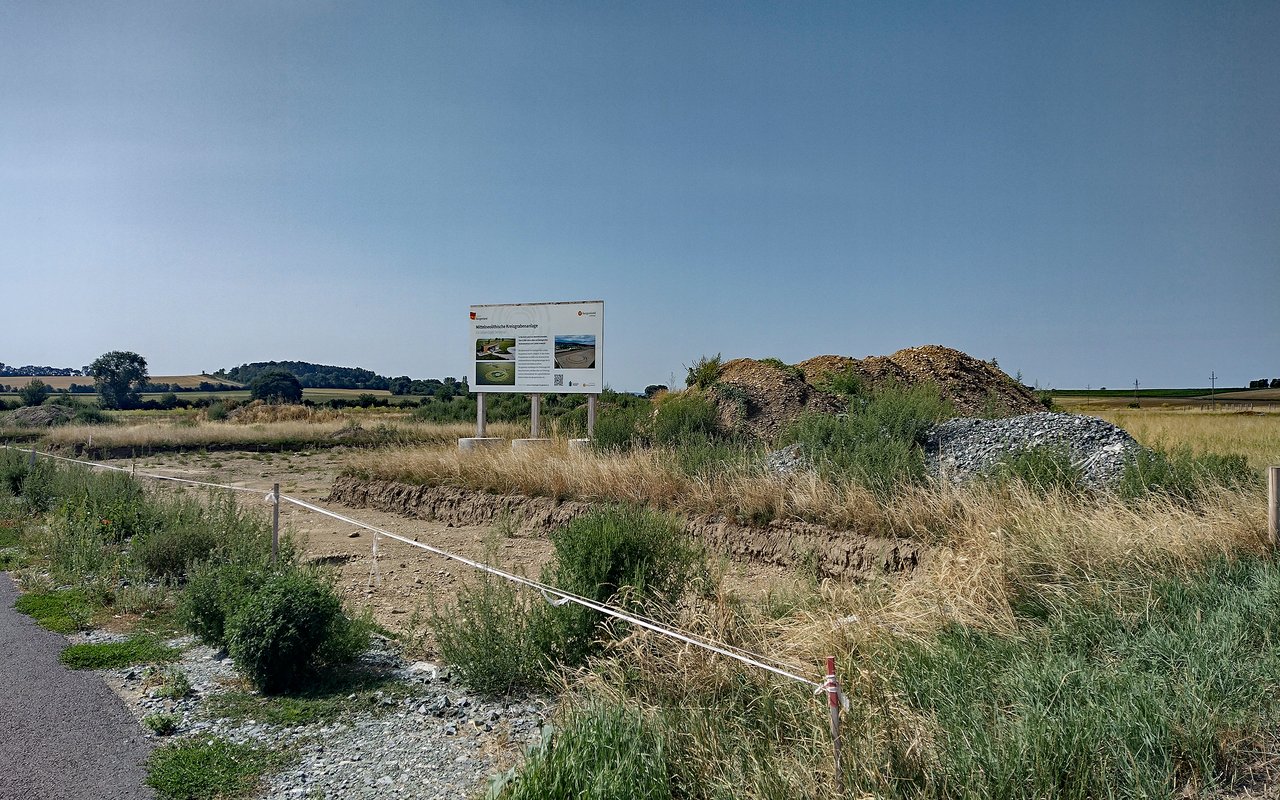
The complex is attributed to the Salzmünde culture, active in the Saale valley between 3,400 and 3,050 BCE. These sedentary farming communities occupied the region during a period of intense cultural and environmental transition. The density and configuration of circular-ditch systems enclosing intentional pit deposits had not previously been documented at this scale for this period in the region.
Fire, bones, and ceramics: a ritualized choreography
The contents of the pits are what most strikes archaeologists. They contain fragmentary human remains -- often isolated skulls without the rest of the skeleton -- alongside animal bones, intact ceramic vessels, and most strikingly, the charred remains of entire buildings deliberately set on fire. Some pits also contain sacrificed dogs, deposited in precise arrangements.1
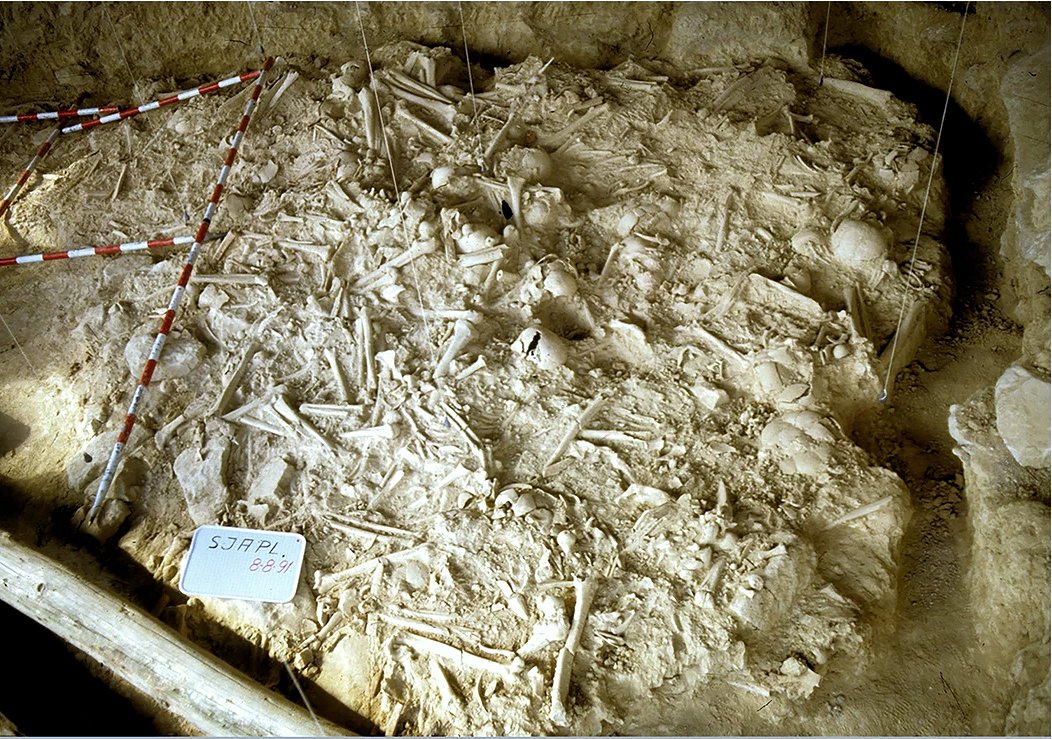
According to Philipp Roskoschinski, who coordinated the excavations, the team is dealing with "a structured, probably cyclical cult practice. Fire and the selection of remains played a central role." The repetition of identical gestures -- burning a whole house, depositing a skull without a body, combining sacrificed animals with intact objects -- constitutes a true ritual staging. The burned buildings were likely not accidental losses: they may have been constructed specifically to be destroyed as offerings.3
The presence of whole, intact ceramic vessels is also notable. Their completeness contrasts with common funerary practices of the period, where ritual breakage was widespread. This suggests the deposits were not strictly funerary, but oriented toward supernatural forces or the maintenance of collective memory.
ClimateClimateThe long-term average atmospheric conditions of a region; its variations (glaciations, aridifications) shaped migrations, agriculture and the collapse of prehistoric societies.→ stress and inter-cultural tensions
The period 3,400-3,050 BCE was not a time of stability in central Europe. Palaeoclimatic data point to progressive deterioration: wetter soils, lower temperatures, and disruptions to agricultural yields. These changes would have put pressure on Salzmünde communities, who depended on cereal farming and animal husbandry.4
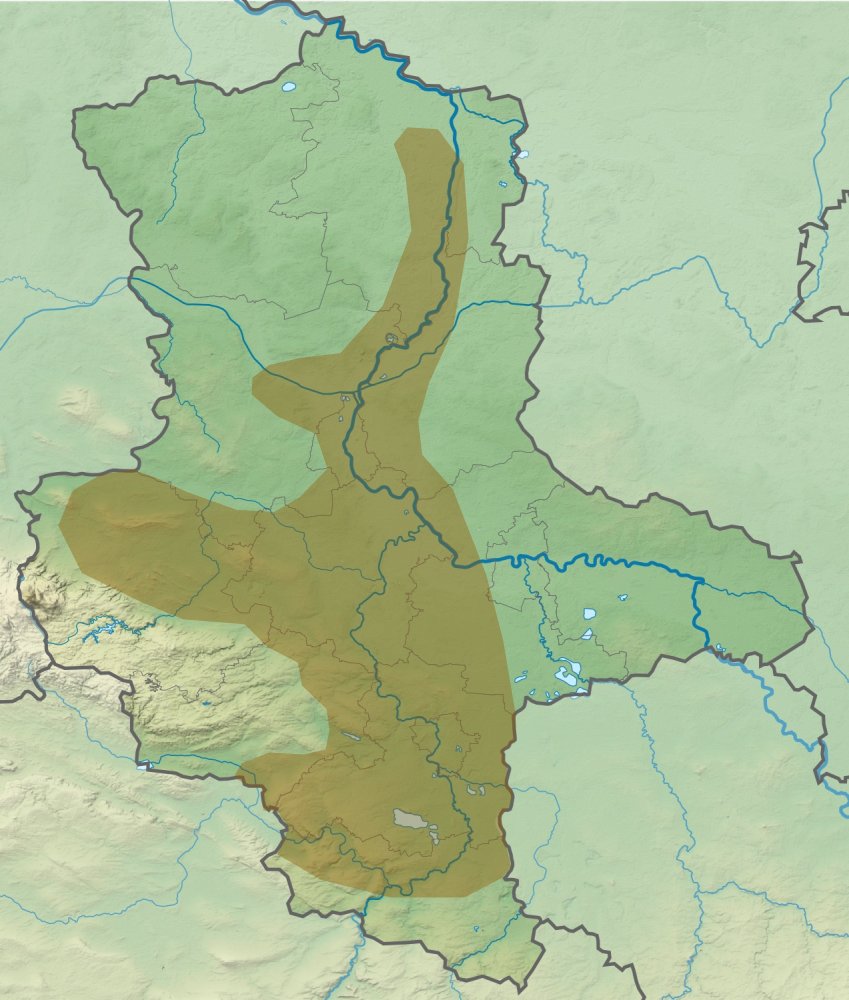
At the same time, the Bernburg culture -- culturally distinct -- was extending its influence across the same territories. This territorial overlap between two groups with different traditions may have generated social and symbolic tensions. For Susanne Friederich of the Landesamt für Denkmalpflege und Archäologie, "these rituals express a need for continuity in a world disrupted by major social and environmental changes. These collective gestures were attempts to restore an order that was under threat."1
In this reading, the ritual pits at Gerstewitz were not simply graves or sacrifice sites, but spaces for rebuilding communal bonds in the face of uncertainty -- symbolic devices for navigating a period of crisis.
A rare window into Neolithic central European societies
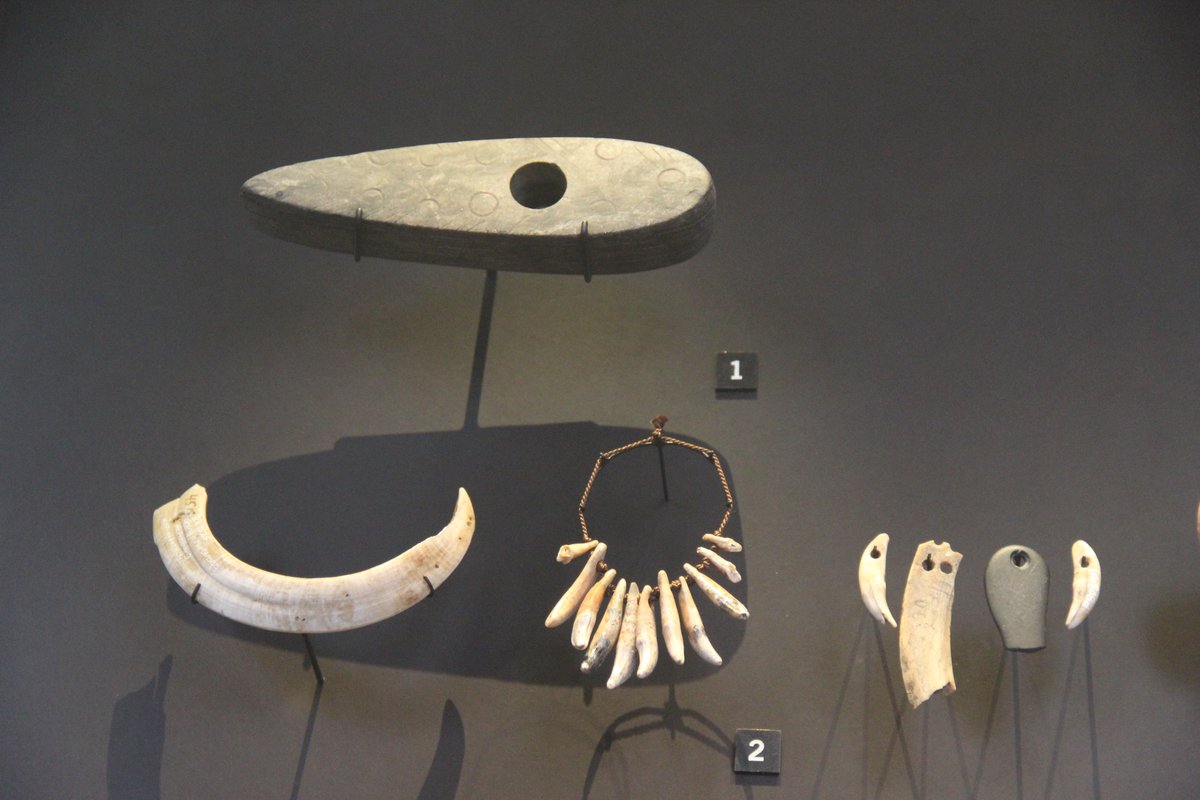
The Gerstewitz discovery now stands as one of the most complete testimonies to a Neolithic ritual space in central Europe. The absence of defensive structures or permanent habitation on the excavated area confirms that the site had an exclusively cultic function. The exceptional preservation -- made possible by the preventive archaeology required by the SuedOstLink project -- enables a detailed reading of the sequence of events that unfolded there.2
Ongoing excavations in the Gerstewitz area hold the promise of further associated finds. Their cross-analysis will deepen understanding of exchange networks, memory practices, and inter-group dynamics among Neolithic communities in the Saale basin -- a ritual puzzle that, piece by piece, reveals the complexity of prehistoric central European societies.
No comments yet. Be the first.