The village that gave its name to a civilization
Nestled between the steep walls of the Austrian Salzkammergut and the cold waters of the Hallstattsee, the village of Hallstatt is one of the most photographed in Europe. But behind this postcard facade lies a site of exceptional archaeological importance. It is here, in the galleries of a salt mine more than three thousand years old and in the necropolisNecropolisA large organised burial ground, a "city of the dead", often spanning several periods.→ clinging to the neighboring hillside, that archaeologists uncovered the evidence of a civilization now known as the Hallstatt culture - the first great Iron AgeIron AgeThe last period of protohistory (from c. 1200 BC in Europe and the Near East), marked by iron metallurgy and the first kingdoms.→ civilization in Central Europe, flourishing between roughly 800 and 450 BCE.1
The Hallstatt culture takes its name from this village but extended far beyond: from Burgundy to Bohemia, from the Alps to the Danube plains, it shaped the face of temperate Europe for four centuries. Its wealth was built on a resource that modern societies take for granted but which was then priceless: salt. Before refrigeration, salt was indispensable for food preservation, and this biological necessity made it a commodity of near-gold value. Hallstatt sat atop one of the largest rock salt deposits in all of Europe.
The world's oldest salt mine
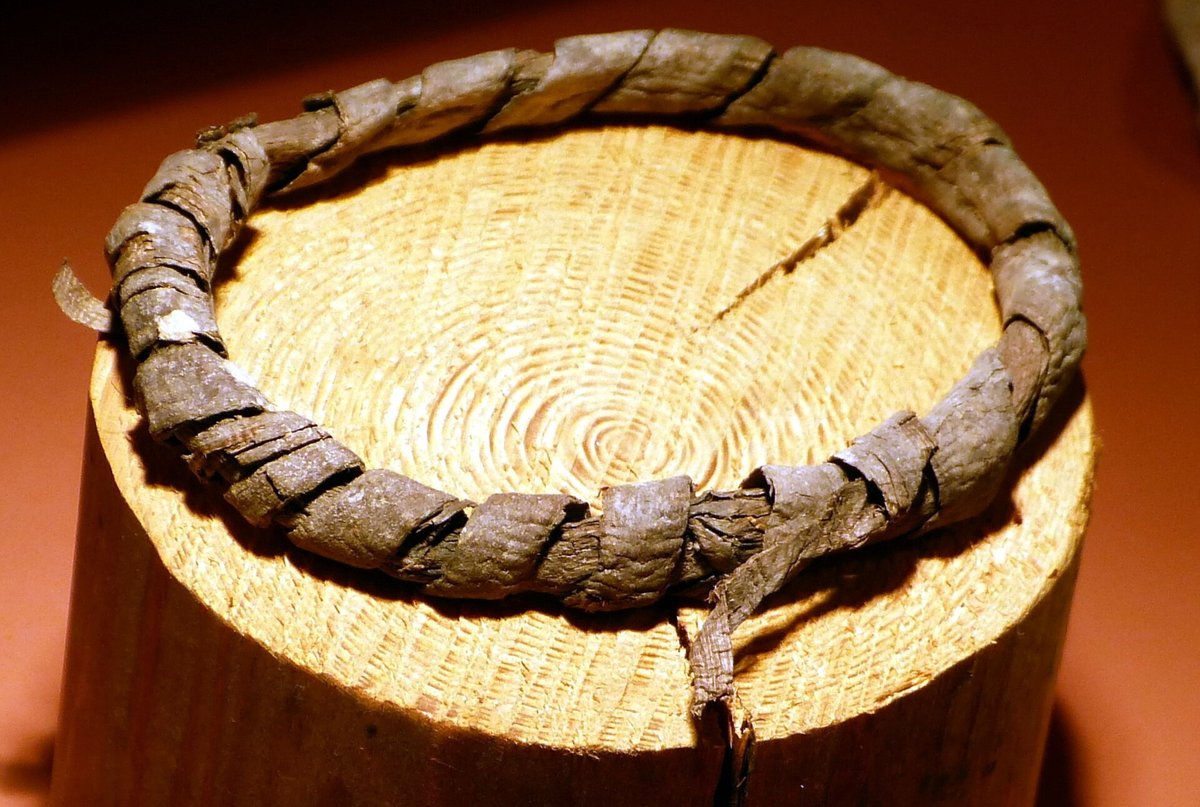
The earliest traces of salt extraction at Hallstatt date to the early second millennium BCE, in the Bronze AgeBronze AgeA protohistoric period following the Neolithic, defined by bronze metallurgy (a copper-tin alloy) and the rise of the first cities and states; in Egypt it corresponds to the age of the first pyramids.→. But it was during the Iron Age, between the ninth and fifth centuries BCE, that the mine reached its full development. Hundreds of miners extracted salt with wooden picks and bronze tools, carried the blocks in leather backpacks, and worked in galleries that penetrated more than a hundred meters into the mountain.3
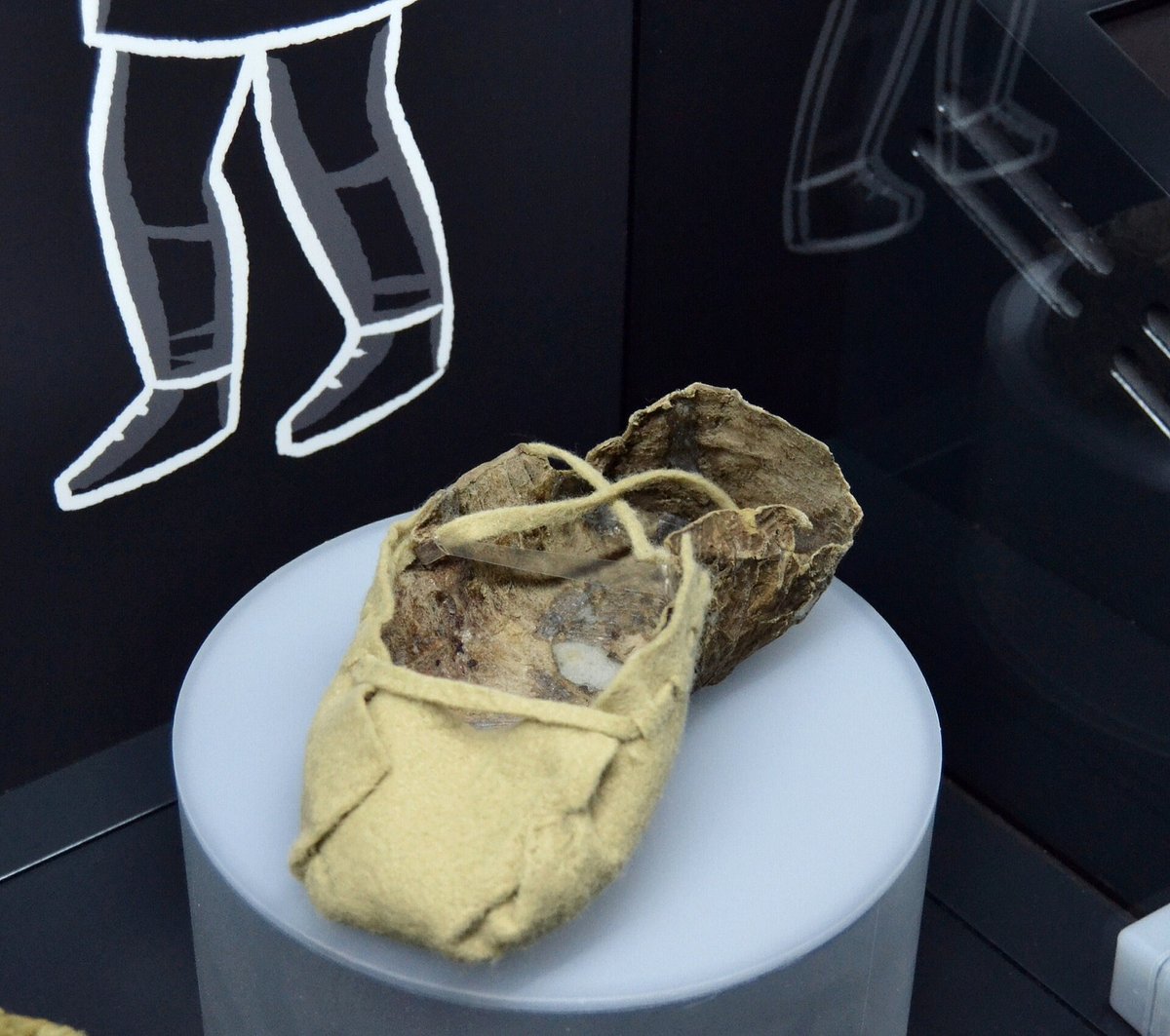
The Hallstatt mine is considered the oldest still-partially-active salt mine in the world. Conservation conditions there are extraordinary: the salt has preserved organic objects impossible to find on ordinary terrestrial sites. Wooden mining tools, leather bags, children's shoes, fabric caps, the remains of meals - all witnesses to the daily life of prehistoric miners. A perfectly preserved child's leather shoe dating from the eighth to third centuries BCE is today one of the highlight objects of the local museum's collections.
The necropolis and its treasures
In 1846, a mining engineer named Johann Georg Ramsauer began systematic excavations of the Hallstatt cemetery, clinging to the hillside above the village. Over twenty years of work, he uncovered more than a thousand graves, recording their details in remarkably precise watercolors. These archival documents, now held in Vienna's Naturhistorisches Museum, constitute one of the first methodical descriptions of an archaeological excavation in the history of the discipline.1
The graves reveal a clearly hierarchical society. The richest burials contain warriors or chiefs interred with their weapons - iron or bronze swords, helmets, shields - alongside abundant grave goods: bronze and ceramic vessels, amber ornaments, Mediterranean coral, gold or silver fibulae, glass objects. Some items came from far away: amber from the Baltic, coral from the Mediterranean, glass beads of Eastern origin. Hallstatt salt financed commercial exchanges on a continental scale. More modest graves testify to a population of miners, craftspeople and farmers living in the shadow of elites who controlled the production and distribution of salt.
A pan-European civilization
The Hallstatt culture is not limited to a single site. Defined by archaeologists from shared characteristics - weapon types, ceramics, ornaments, funerary practices - it extends over a vast geographic zone covering present-day Austria, Bavaria, Switzerland, southern Germany, Burgundy, Bohemia and parts of the Balkans. It is subdivided into several regional phases but shares a common cultural foundation shaped by centuries of contact and exchange.
The Hallstatt culture constitutes the first phase of what archaeologists call Celtic civilization. It is followed, from around 450 BCE, by the La TèneLa TèneThe European second Iron Age (c. 450-50 BC), named after a Swiss site; the Celtic apogee, curvilinear art, oppida and coinage.→ culture, which marks the apogee of Celtic expansion across Europe and into Anatolia. Hallstatt art, more geometric and austere, contrasts with the swirling motifs of La Tène, but the two form a cultural continuum stretching over more than a millennium and a half.4
Bodies preserved in the mine
The Hallstatt mine yielded a remarkable discovery in 1734, long before the great archaeological excavations: the mummified body of a miner, preserved in salt for more than two thousand years, was uncovered by working miners. This "Hallstatt man preserved in salt" - far predating Otzi, found in the Alps in 1991 - was so well preserved that workers initially believed they had found a recently deceased colleague. Similar discoveries followed in subsequent decades, yielding bodies with their clothing, tools and sometimes their last meal still identifiable.
The salt preservation of organic materials makes the Hallstatt mine an exceptional site, comparable to pile dwelling sites for the richness of the biological information it contains. Analyses of ancient DNAAncient DNAGenetic material preserved in old remains, often degraded, sequenced with cutting-edge techniques.→ from human remains found in the mine and necropolis have made it possible to trace population movements over several centuries, showing that miners came from geographically diverse regions - early evidence of labor mobility in prehistoric Europe.
Hallstatt today
Inscribed on UNESCO's World Heritage List in 1997 as part of the "Hallstatt-Dachstein/Salzkammergut Cultural Landscape", the site now attracts hundreds of thousands of visitors per year. Its popularity has grown so great that Austrian authorities had to implement measures to limit tourist numbers, including restricting vehicle access. The village was even reproduced in its entirety in China's Guangdong province, testament to its global appeal.2
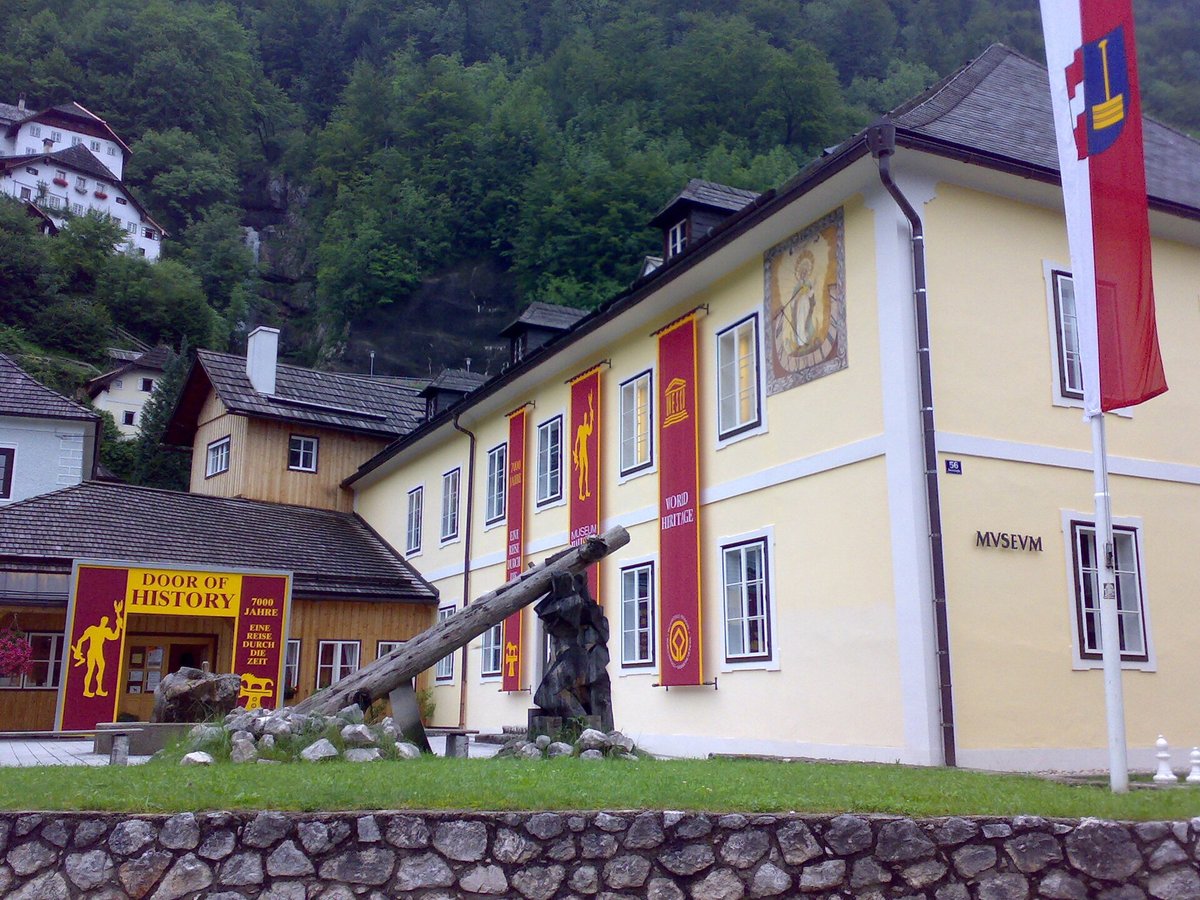
The mine remains partially open for tourist visits, and a high-quality museum displays the most remarkable objects from old and recent excavations. Archaeologists continue to work in the galleries and necropolis, uncovering new graves and new chapters of this millennial story. Hallstatt remains, in every sense of the word, an inexhaustible source of discovery and a key to understanding Iron Age Europe.
No comments yet. Be the first.