In April 2019, an announcement published in Nature upended our understanding of Southeast Asian prehistoryPrehistoryThe span of human history before the invention of writing, from the Palaeolithic to the Metal Ages, known mainly through material remains.→: a new human species, Homo luzonensis, was living on the island of Luzon in the Philippines approximately 67,000 years ago. Known from just a handful of fossils - no skull, a few teeth, some hand and foot bones - this species nonetheless raises fundamental questions about the colonization of Pacific islands and the diversity of hominins in the late PleistocenePleistoceneThe geological epoch of the great ice ages (c. 2.6 Ma–11,700 BP), spanning most of human prehistory.→.
Callao Cave: Sixty-Seven Thousand Years of Human Occupation
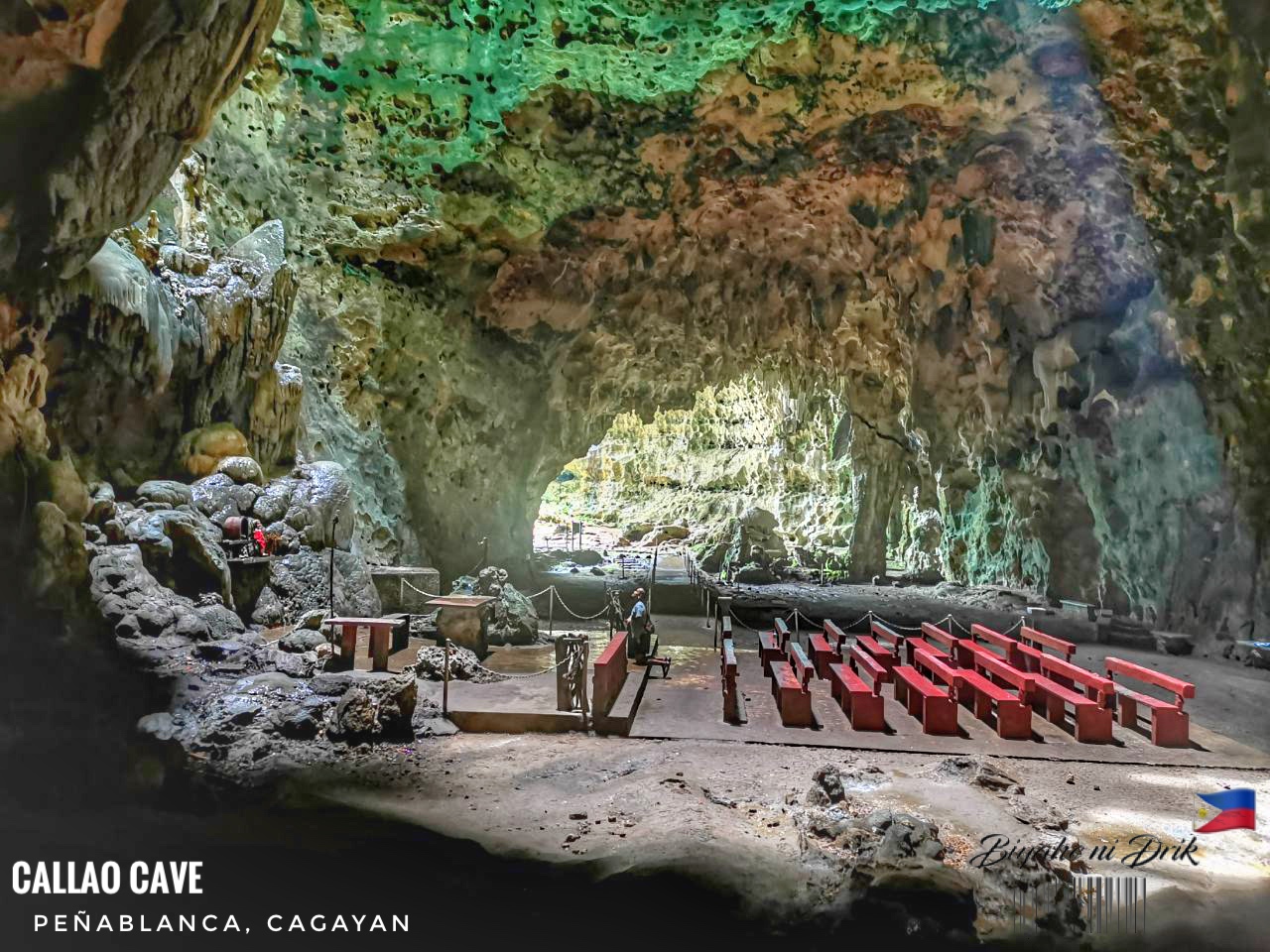
Callao Cave, located in Cagayan Province in northern Luzon, the Philippines' largest island, has been known to archaeologists for decades. In 2007, Armand Mijares of the University of the Philippines conducted excavations in the cave and recovered, from a layer dated to 67,000 years ago by electron spin resonance (ESR) dating of associated bovid teeth, a single isolated human metatarsal1. The bone's morphology was already unusual, but initial description remained cautious.
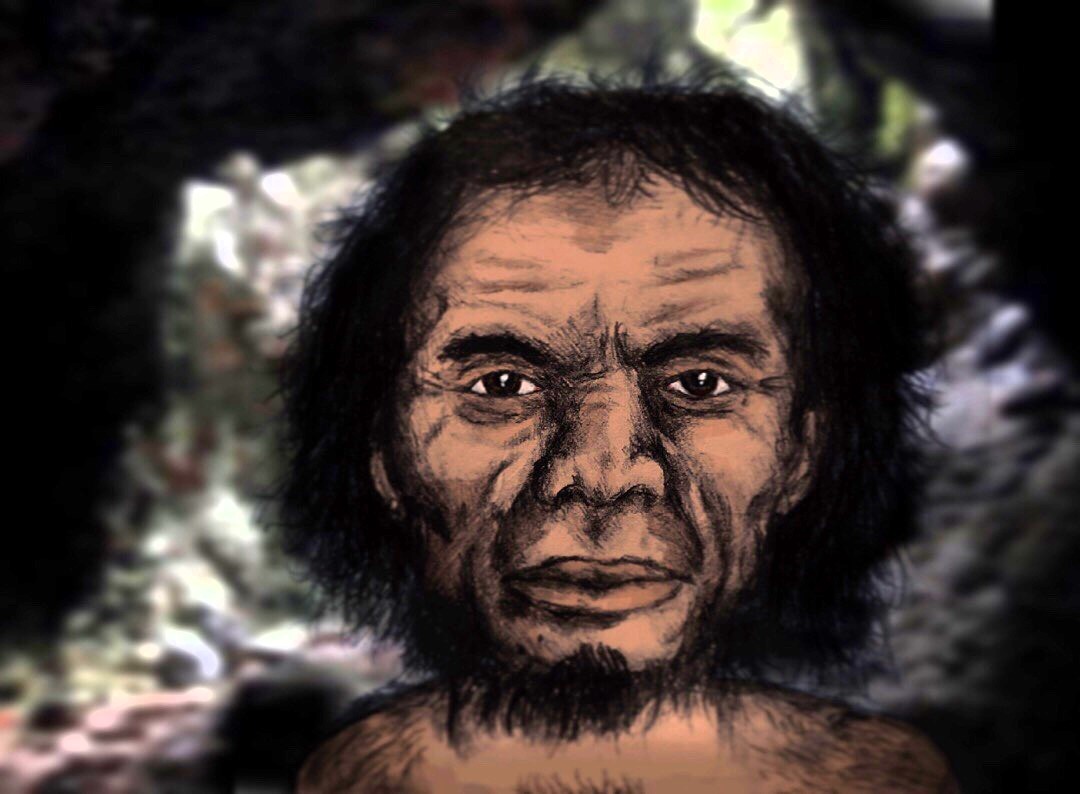
In 2011, Mijares published initial analyses, but it was during subsequent excavations between 2011 and 2015 that a larger quantity of fossils was recovered from the same stratigraphic layer. In 2019, the team presented a detailed analysis of 13 fossil specimens belonging to at least three different individuals, formally describing the new species Homo luzonensis2. The specific name refers to Luzon Island, where the fossils were found.
Callao Cave has a long sequence of human occupation. More recent archaeological levels, dating from 25,000 to 10,000 years ago, contain tools and animal bones associated with human activities not attributable to luzonensis. This suggests the cave was used by several successive human groups over time.
Rare but Revealing Fossils
The 13 specimens attributed to Homo luzonensis include seven teeth (one upper, six lower), two foot bones (phalanges), two hand bones (phalanges), a femur fragment, and a foot bone (metatarsal) fragment. These fragments come from two distinct stratigraphic levels, dated approximately 67,000 and 50,000 years respectively. No skull has been found, which considerably limits our knowledge of this species3.
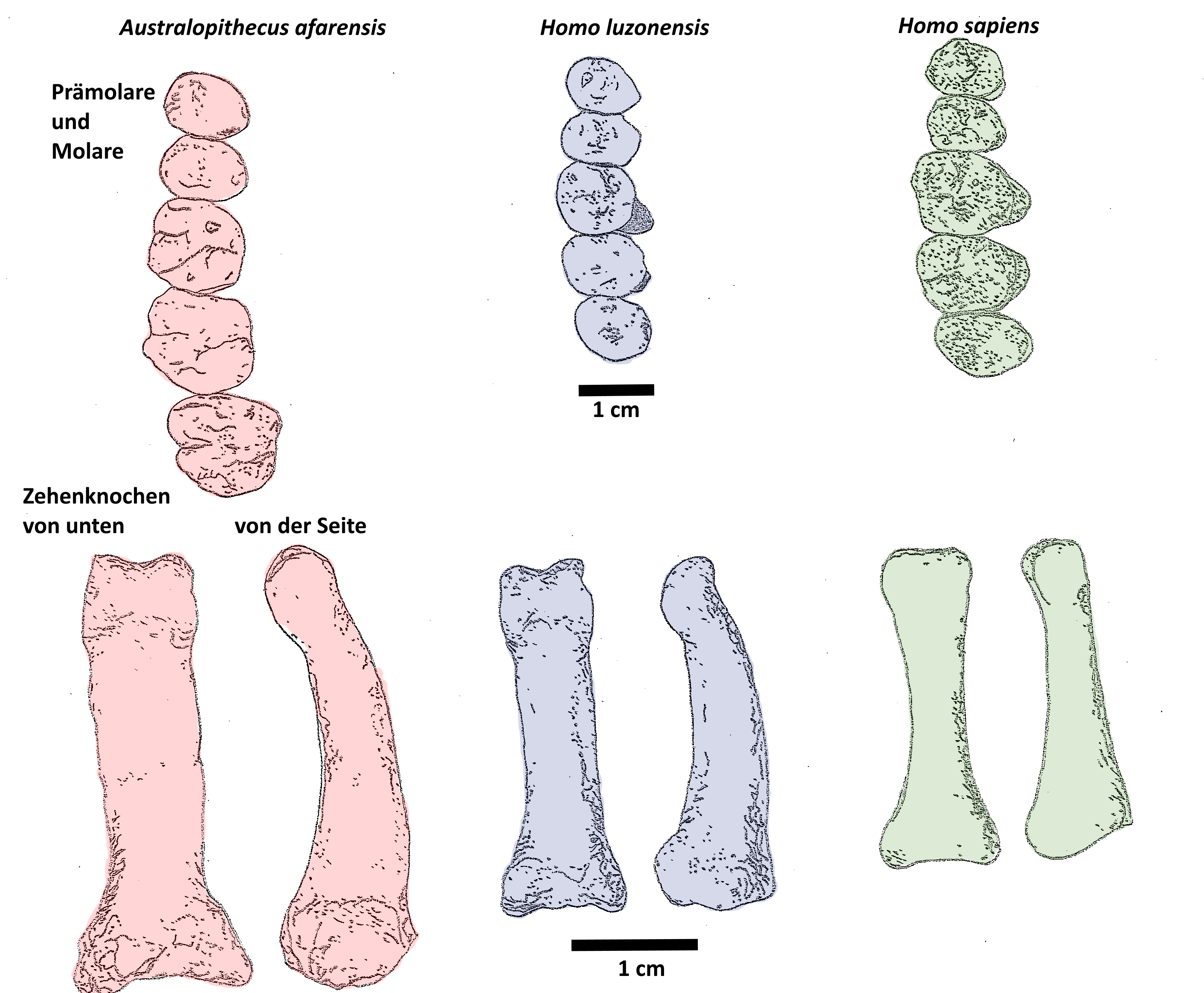
Dental morphology is the most diagnostic element. The premolars are remarkably small and have multiple roots - a rare feature in modern Homo but well-known in australopiths. The molars are also very small, comparable to the smallest known in the genus Homo. The overall crown shape, however, differs from australopiths, with distinctive traits matching no other known species.
The hand and foot phalanges are strongly curved, a feature generally seen in arboreal species or australopiths but very rare in Homo. This curvature suggests that luzonensis still climbed trees or had retained this adaptation from a more primitive ancestor. The femur fragment, though very fragmentary, shows morphology comparable to early Homo.
How Did Hominins Reach Luzon?
The presence of Homo luzonensis on Luzon 67,000 years ago raises a fascinating biogeographic question: how did these hominins reach this island? Even during Pleistocene sea-level lowstands, Luzon was separated from the Asian mainland by at least 40 km of open sea. No land bridge connected Luzon to Southeast Asia during the Pleistocene4.
Two main hypotheses are proposed. The first is that hominins made a deliberate sea crossing, on rafts or other improvised watercraft. This implies a level of cognition and technical ability not typically associated with primitive-brained species. The second is that hominins accidentally drifted to the island, clinging to floating debris during a tsunami or similar disaster. This scenario, though counterintuitive, has been proposed to explain the presence of several animal species on oceanic islands.
The presence of a putative ancestor, perhaps Homo erectus, in older stratigraphic levels in the Philippines (notably on Palawan Island, with 709,000-year-old stone tools) suggests that hominins had already colonized the archipelago long before luzonensis. Luzonensis may therefore be the insularized descendant of an ancestral H. erectus population or another primitive species that arrived much earlier.
A Plural Asia in the Late Pleistocene
The discovery of Homo luzonensis enriches an already complex picture of homininHomininMember of the subtribe Hominina, comprising the human lineage (Homo, Australopithecus, Paranthropus…) but excluding orangutans and gibbons. The term progressively replaces "hominid" in its narrow sense.→ diversity in Southeast Asia during the late Pleistocene, around 67,000 years ago. At this time, at least four hominin species coexisted in the region:
- Homo sapiensHomo sapiensThe present-day human species, which emerged in Africa around 300,000 years ago, the only surviving human lineage after the extinction of Neanderthals and Denisovans.→, already en route to Australia and Melanesia
- The Denisovans, known from Siberia but whose genetic traces are present in modern Southeast Asian and Oceanian populations
- Homo floresiensis, the "Hobbit" from Flores Island in Indonesia
- Homo luzonensis in the Philippines
This coexistence of several human species in a relatively restricted geographic area is unprecedented for this period, raising fascinating questions about interactions between these populations - competition, isolation or even interbreedingInterbreedingGenetic mixing between human populations or species; between Neanderthals and Homo sapiens it left 1 to 2% of Neanderthal DNA in non-Africans.→5.
Debates and Perspectives
The description of Homo luzonensis did not achieve unanimous acceptance in the scientific community. Some researchers, notably Yousuke Kaifu of Japan's National Museum of Nature and Science, expressed reservations about luzonensis's species status, suggesting the specimens might belong to a dwarf Homo erectus or regional variant of another known species. The absence of a skull makes morphological comparison with other species difficult.
Other researchers emphasize that the unique combination of traits - multi-rooted premolars, curved phalanges, very small teeth - corresponds to no known species and fully justifies a new taxon. Detailed morphometric analyses published in 2019 support this interpretation.
Research continues in and around Callao Cave. Discovery of a skull or mandible would definitively settle the taxonomic debate. In the meantime, Homo luzonensis remains one of the most fascinating testimonies to prehistoric human diversity in Asia, and a reminder that our knowledge of human evolution in this part of the world remains very incomplete.
No comments yet. Be the first.