What if our species had never been truly alone? That is the question at the heart of Homo Orcus: Beyond the Real?, a 2010 mockumentary directed by Eric Audinet and Patrick Glotin, produced by Lukarn and Saison Cinq. The film follows fictional German and French researchers exploring a troubling hypothesis: could an unknown homininHomininMember of the subtribe Hominina, comprising the human lineage (Homo, Australopithecus, Paranthropus…) but excluding orangutans and gibbons. The term progressively replaces "hominid" in its narrow sense.→ lineage have survived to the present day, eluding science for millennia?
Released on the SLICE Docus channel, this fictional documentary openly acknowledges its nature as a scientific hoax, while rooting itself in questions that real paleontology genuinely wrestles with. Over 53 minutes, it travels from laboratories to forests, from field testimonies to philosophical debates about the boundaries of humanity.
The Science Behind the Fiction
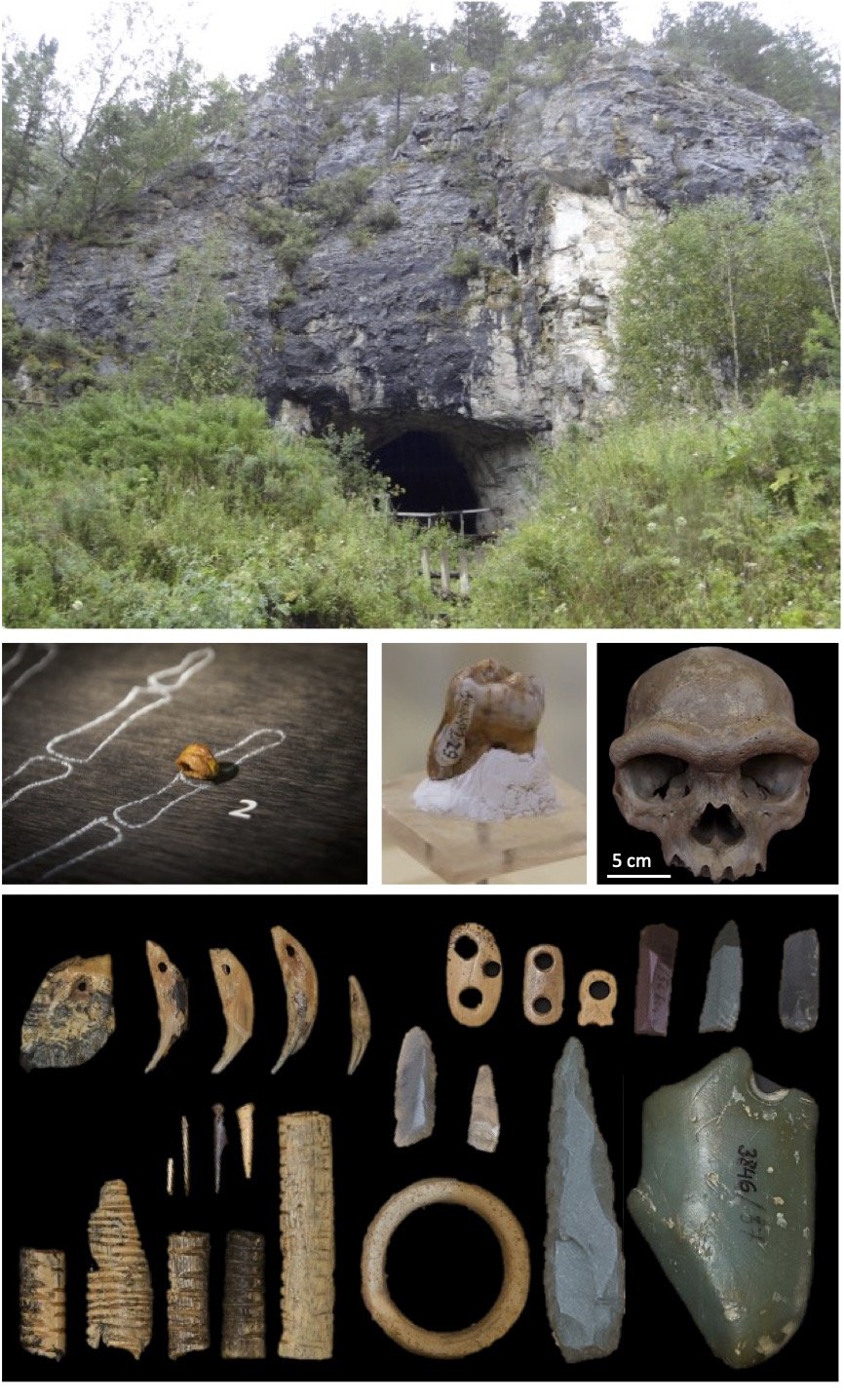
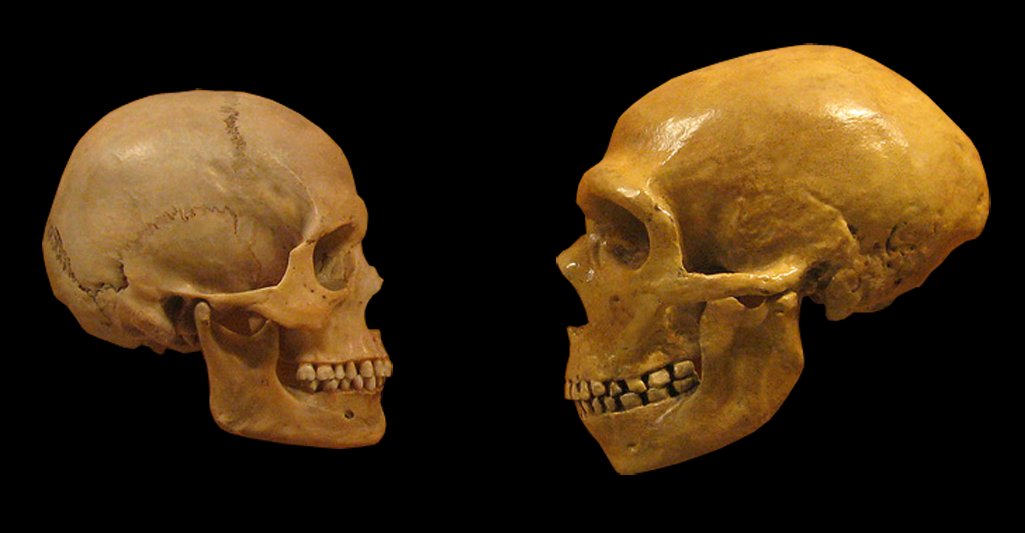
While Homo Orcus is a work of fiction, the hypothesis it explores is not far removed from what science has actually discovered. In 2004, paleontologists announced the discovery of Homo floresiensis in Liang Bua cave, Indonesia. This small hominin, nicknamed the "hobbit", survived until just 50,000 years ago on the island of Flores. Then in 2010, the very year the film was released, geneticists revealed the existence of the Denisovans from a tiny bone fragment found in Siberia. These hominins, distinct from both NeanderthalsNeanderthalsA fossil humanity of Eurasia, robust and cold-adapted, extinct around 40,000 years before present.→ and Homo sapiensHomo sapiensThe present-day human species, which emerged in Africa around 300,000 years ago, the only surviving human lineage after the extinction of Neanderthals and Denisovans.→, still live within our genome: populations in Oceania and Southeast Asia carry up to 5% Denisovan DNA.12
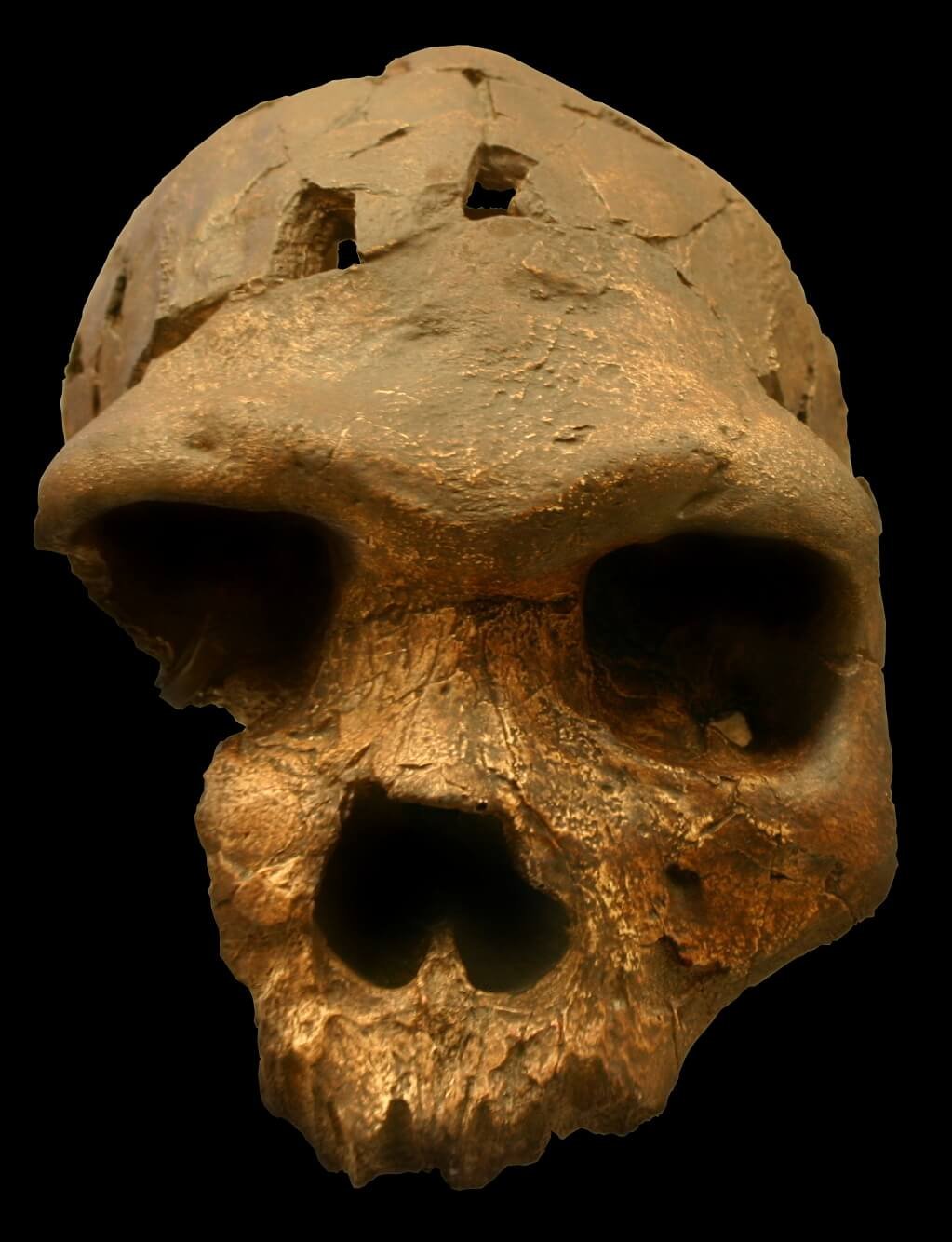
Prehistoric humanity was far richer and more diverse than once imagined. Species such as Homo luzonensis (Philippines, 2019) and Homo naledi (South AfricaAfricaThe cradle of humankind: the continent where the first hominins appeared, then Homo sapiens around 300,000 years ago, before the expansion to the rest of the world.→, 2015) were discovered in recent years, sometimes under remarkable circumstances. The premise of Homo Orcus is therefore not paleontologically absurd. It is simply displaced in time.
A Cinematic Genre in the Service of Science
The science mockumentary is a rare genre demanding a delicate balance: credible enough to genuinely unsettle the viewer, yet fictional enough not to deceive. Homo Orcus walks this line using the codes of ethnographic documentary and investigative journalism. The film was co-produced by Lukarn, a Breton company specializing in regional audiovisual creation, and Saison Cinq, known for science popularization documentaries.
The narrative device relies on testimonies from fictional researchers, field sequences in European forests, and staged laboratory analyses. The film raises genuinely serious philosophical questions: What makes someone human? Where does the genus Homo end? What would happen socially and legally if a living human species were discovered?
Why Watch It Today
Sixteen years after its release, Homo Orcus has lost none of its relevance. If anything, it has gained some. Each new discovery in palaeogenomicsPalaeogenomicsThe study of ancient genomes from DNA preserved in bones, teeth or sediments, to trace evolution and lineages.→, including genomic ghosts detected in African population DNA and Neanderthal-Denisovan hybrids, reinforces the idea that the human tree was far more branched than we thought. A film treated as fiction in 2010 now finds itself in dialogue with a scientific reality that almost surpasses it.
That is the hallmark of the finest science fiction: not to predict the future, but to ask the right questions before science does.34
Le soin du geste, la transmission du savoir-faire... c'est exactement ce que je vis dans mon atelier.
J'aime que chaque affirmation soit étayée par une datation ou une source. Sérieux et utile.
Je le garde en favori pour ma prochaine dissert. Les transitions entre périodes sont bien expliquées.