1.5 million years ago, on the muddy bank of a Kenyan lake, two figures crossed the same ground within hours of each other. One moved on modern feet with a pronounced arch. The other had a slightly wider gait, with a marginally divergent big toe. These two walkers were not of the same species. The mud, drying and then gradually covered by new sediment layers, preserved this unique moment. Published in the journal Science, the discovery represents the first direct evidence that two species from the genus Homo and its relatives shared the same territory at the same moment.1
Koobi Fora, 2021: An Excavation That Changed Everything
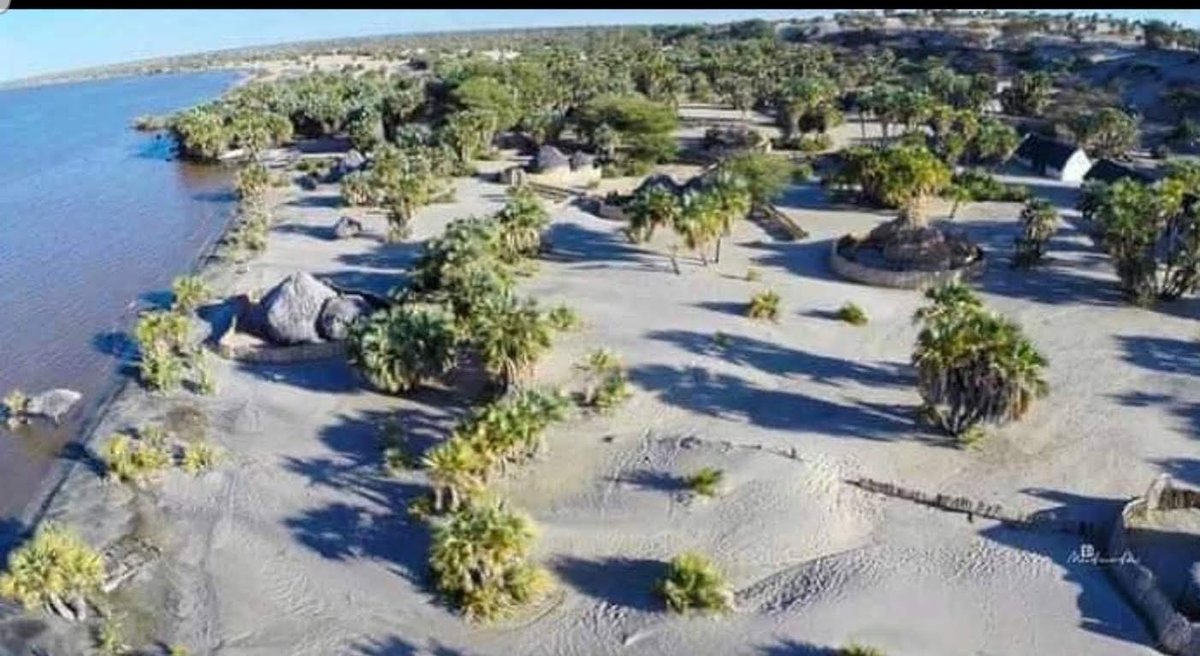
In July 2021, researchers excavating the eastern shore of Lake Turkana in northern Kenya uncovered the first traces. The Koobi Fora site has long been one of the most important paleoanthropological sites in AfricaAfricaThe cradle of humankind: the continent where the first hominins appeared, then Homo sapiens around 300,000 years ago, before the expansion to the rest of the world.→. But this time, scientists did not find bones: they discovered fossilized footprints preserved in sediment that had acted as a time capsule. Further excavation in 2022 revealed a complete trackway of 12 prints and three isolated footprints, alongside 94 animal tracks from ancient birds and hoofed animals, witnesses to a thriving lakeside ecosystem.
Two Gaits, Two Species
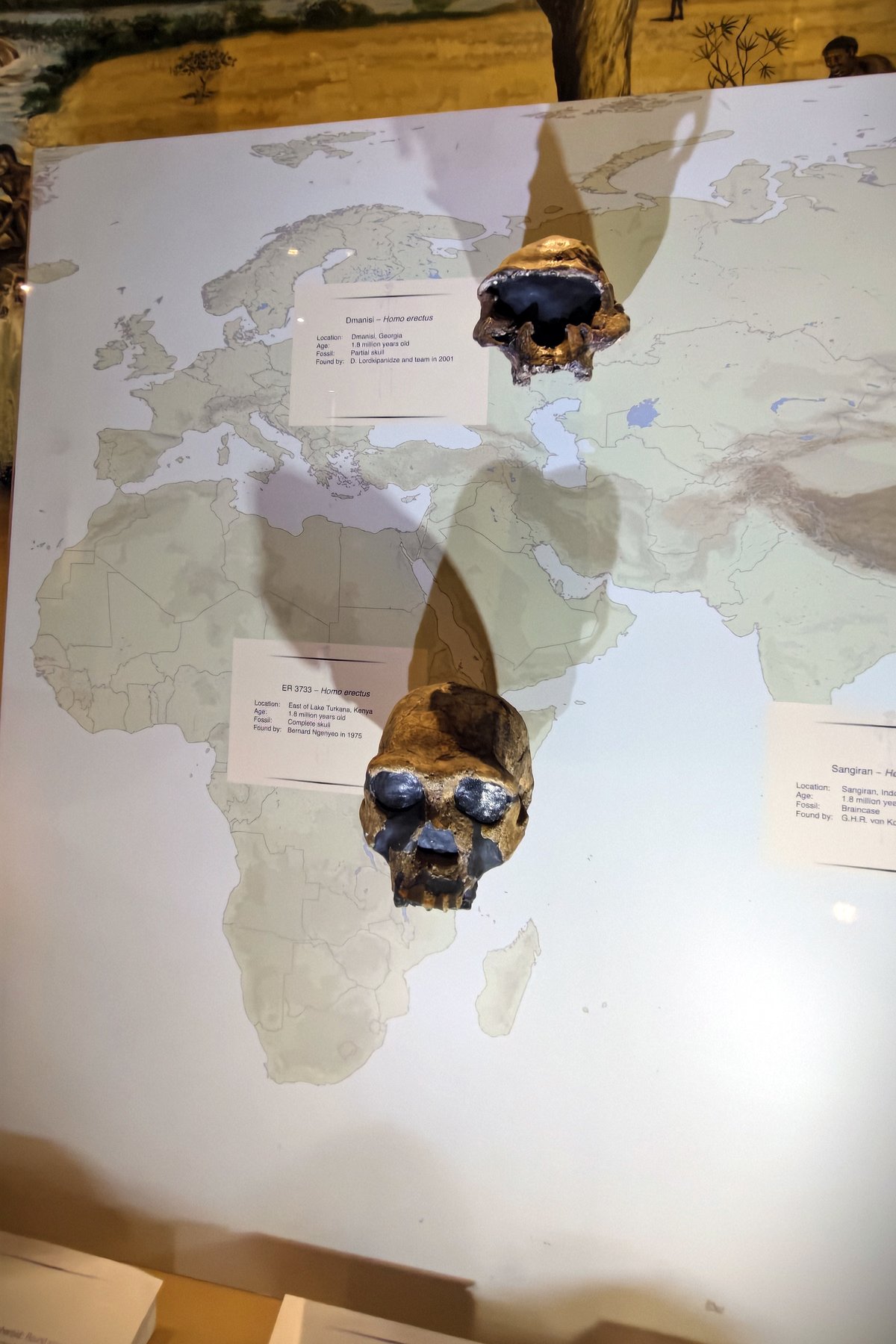
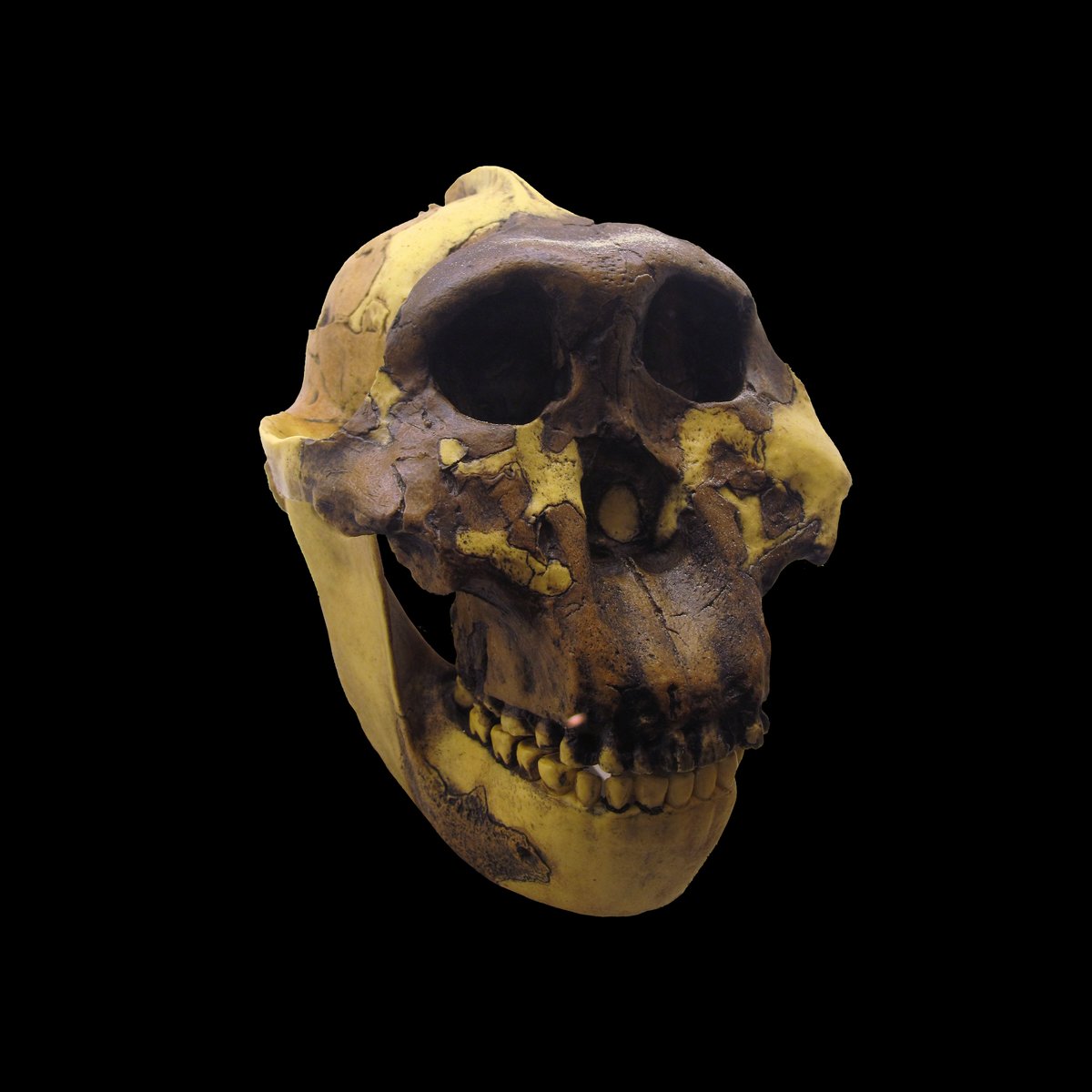
Biomechanical analysis of the prints allowed researchers to distinguish two radically different types of locomotion. The 12-print trackway, with a deeper forefoot strike and a slightly spread big toe, was attributed to Paranthropus boisei. This robust hominid with massive jaws was a cousin branch of the genus Homo, now completely extinct, adapted to eating tough plant foods. The three isolated prints, meanwhile, show a heel-to-toe gait close to modern human walking, and are attributed to Homo erectus, the direct ancestor from which our own lineage descends.
The difference between the two types of prints is clear to specialists: weight distribution across the sole, the relative depth of heel versus forefoot, the angle of the big toe. These biomechanical signatures are as distinctive as fingerprints. And unlike a skeleton that can be displaced, reworked, or fragmented over millennia, a footprint freezes a precise instant in time.2
Neighbors, Not Rivals
What were these two beings doing on the shores of the same lake? Were they rivals, or simply neighbors living in mutual indifference? The study cannot settle the question, but it offers illuminating details. Paranthropus boisei, with its powerful jaw, was specialized in chewing hard plant material: tubers, seeds, bark. Homo erectus, by contrast, was already diversifying its diet, likely including animal protein. This ecological complementarity suggests cohabitation without direct competition, each species occupying a different dietary niche within the same lakeside ecosystem.
The discovery reinforces a vision of human evolution far removed from a linear ladder. For hundreds of thousands of years, multiple human branches coexisted, crossing paths daily, sharing the same water sources and territories without merging.
A Scientific First
Until this discovery, the coexistence of multiple homininHomininMember of the subtribe Hominina, comprising the human lineage (Homo, Australopithecus, Paranthropus…) but excluding orangutans and gibbons. The term progressively replaces "hominid" in its narrow sense.→ species in the same place was only inferred indirectly, from fossils found in the same geological layers. Footprints offer something radically different: direct temporal evidence. The two sets of tracks were left within hours, perhaps days, of each other on the same sediment surface. This is not merely regional or chronological coexistence: it is near-simultaneous co-presence on the same lakeshore.
These 1.5-million-year-old muddy tracks remind us that our lineage was never alone. It evolved in a world populated by other humanities, some destined to vanish, others to pave the way toward us.3
L'indexation des articles par période et par région est exactement ce que j'espérais trouver.