Across the arid plains of Namibia, a team of palaeontologists embarks on an extraordinary mission: to find traces of the earliest hominins in limestone caves sealed for millions of years. This documentary follows Mission HON (Human Origins in Namibia), a scientific expedition pushing the boundaries of field palaeontology to explore pristine karstKarstA limestone landscape shaped by rock dissolution, rich in caves and passages; its sediments can preserve bone and DNA over long timespans.→ formations that may harbour fossils dating back three to four million years. Directors W. Japhet and M. Ribiere follow scientists in the field who share one conviction: Namibia may still conceal unknown ancestors of humanity, waiting to be found.
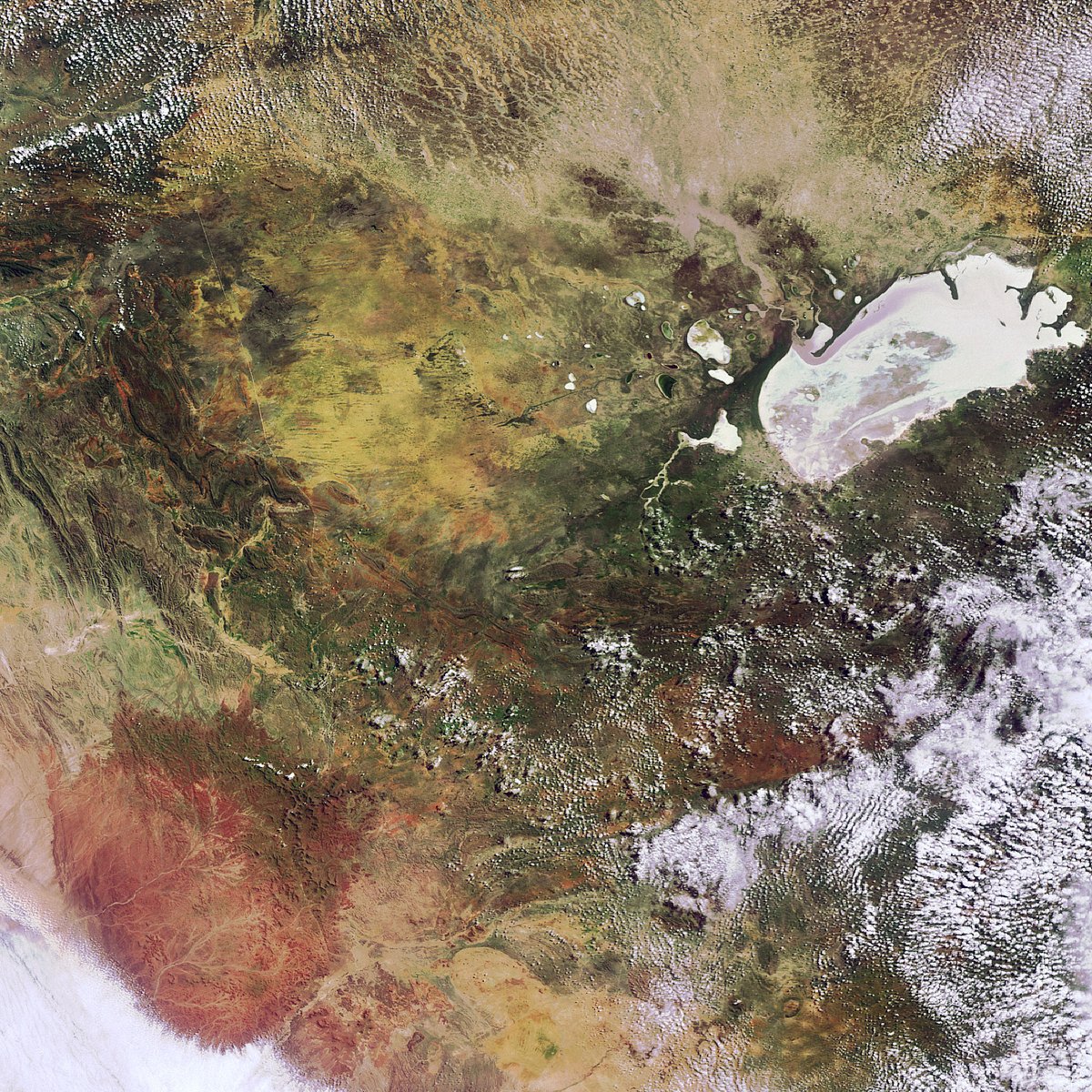
Namibia remains one of the least explored territories in southern AfricaAfricaThe cradle of humankind: the continent where the first hominins appeared, then Homo sapiens around 300,000 years ago, before the expansion to the rest of the world.→ for human palaeontology. Yet its karst geological formations share striking similarities with those that enabled exceptional fossil preservation in South Africa. Scientists have identified geological indicators in the AA Hills, deep in the Namibian Kalahari, suggesting the presence of underground cavities sealed since the Pliocene -- a period of Earth's history when the direct ancestors of humanity were only just beginning to diversify.
Little Foot and the Sterkfontein Blueprint
To understand what Mission HON is searching for, the documentary first takes us to South Africa's Sterkfontein caves, at the heart of the Cradle of Humankind UNESCO World Heritage Site. There, a near-complete skeleton of Australopithecus prometheus, known as Little Foot and dated to 3.67 million years ago, was painstakingly extracted over more than twenty years by palaeontologist Ron Clarke and his team. Little Foot owes its remarkable preservation to the calcite matrix that enveloped it, shielding the bones from physical and chemical degradation over millennia.
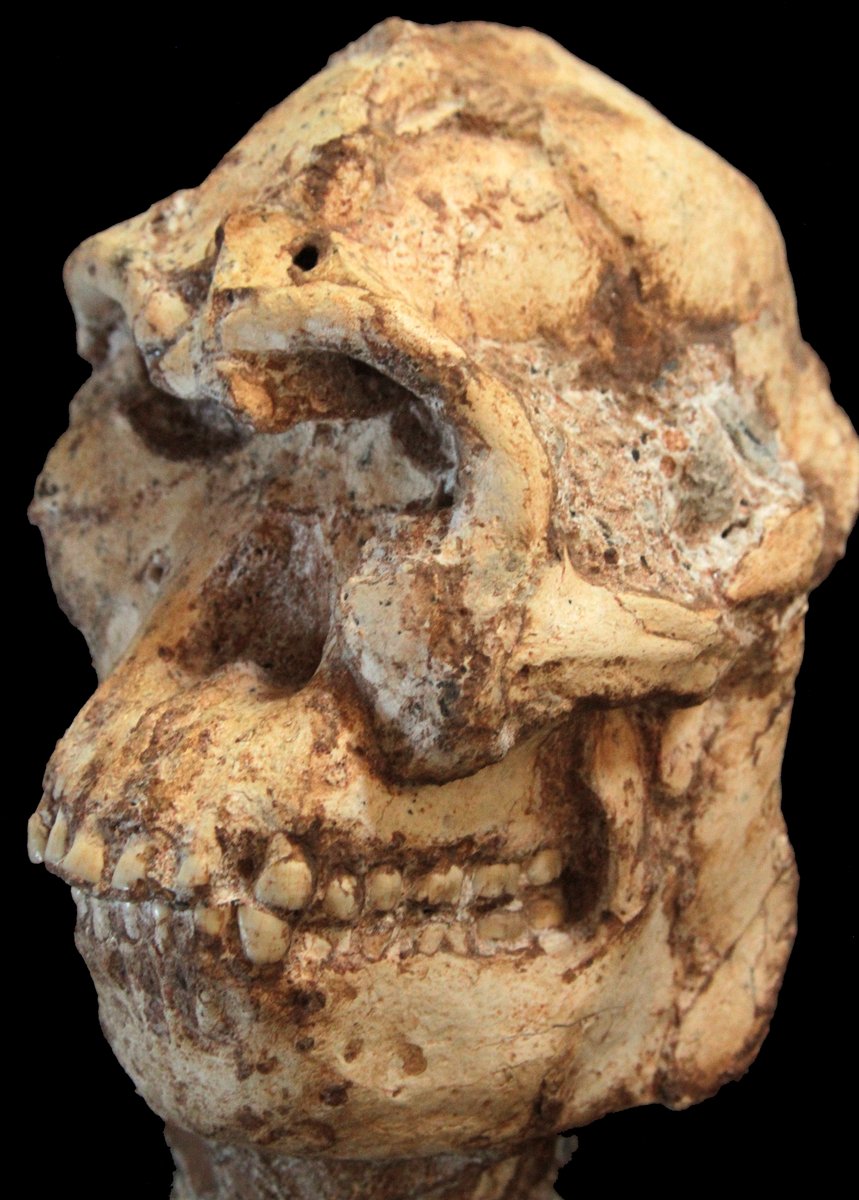
The HON team carries exactly this lesson from Sterkfontein into Namibia. If limestone caves preserved such delicate bones over millions of years in South Africa, why not in Namibia, where similar karst formations remain largely unexplored? The detection of calcite deposits at the surface thus becomes the key indicator: an area covered with calcite fragments often betrays the presence of an underground cave, once accessible and now sealed since the Pliocene.
The Calcite-Trace Method
At the heart of the team's methodology lies an original prospecting technique: the systematic search for calcite fragments on the surface of the hills. When a cave is progressively sealed by erosion or roof collapse, the calcite blocks that formed it can migrate toward the surface over centuries. By precisely mapping these calcite dispersals, the team can identify priority areas and direct its geophysical surveys.
The documentary shows the scientific process in detail: researchers walk kilometres across arid terrain, collecting samples and GPS coordinates to reconstruct the probable underground topography of the zones under study. Geophysical instruments complement this approach by probing the subsoil for potential cavities. The Namibian Kalahari offers a particularly favourable environment for this type of prospection: its stable ground and well-documented sedimentary geology facilitate interpretation of the data gathered in the field.
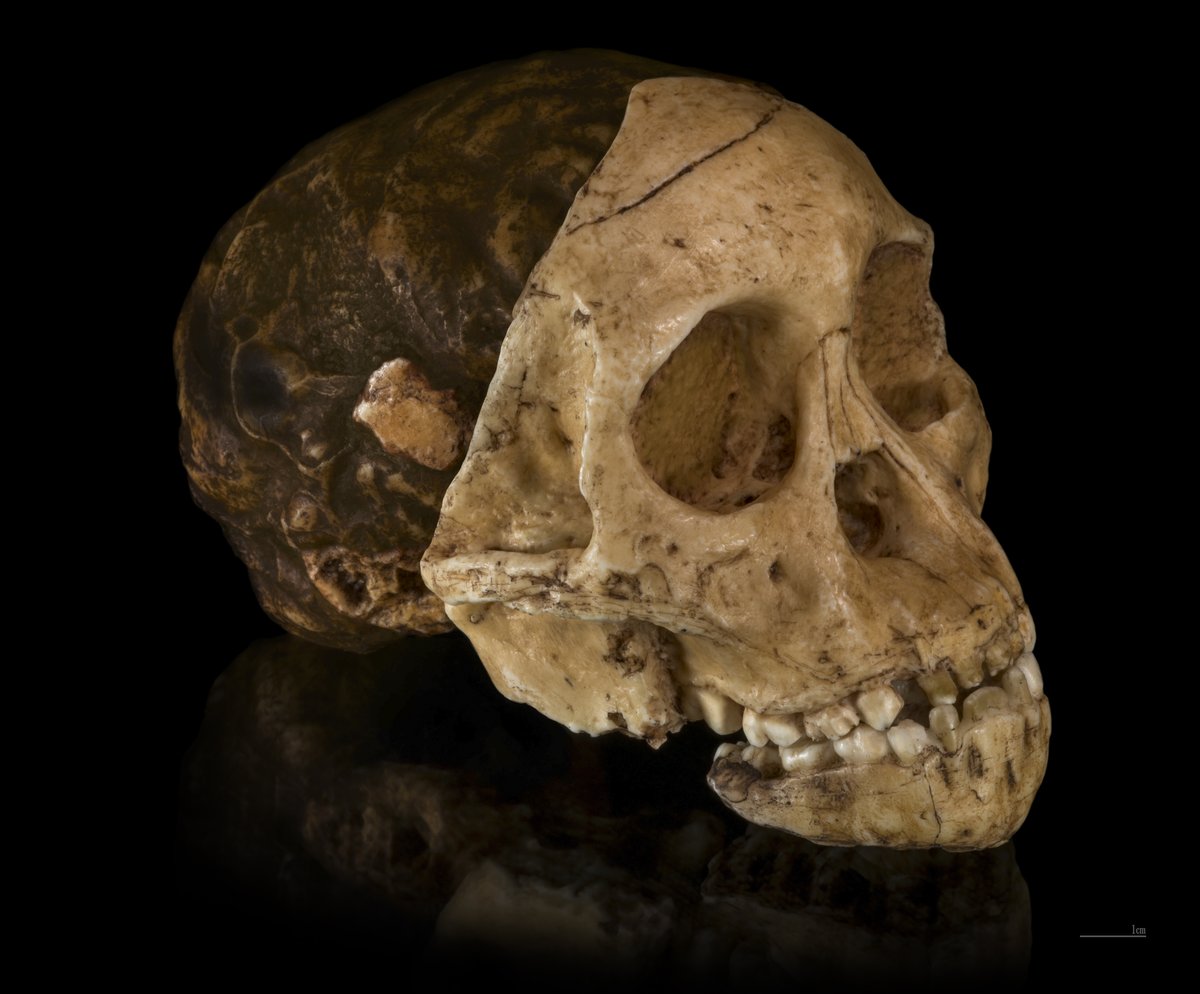
The targeted caves potentially date to the Pliocene, between three and four million years ago -- a pivotal period in human evolution when multiple lineages of Australopithecus and the first representatives of the genus homo-habilisHomo were evolving simultaneously across Africa. A palaeontological find in Namibia would fill a major geographical gap in our understanding of great apesgreat apesThe family of great apes (Hominidae) comprising orangutans, gorillas, chimpanzees, bonobos and humans.→ evolution: almost all African fossils from this period come from Ethiopia, Kenya, Tanzania and South Africa, leaving Namibia virtually absent from the fossil record.
A Promising Discovery
The documentary's climax arrives when the team locates a previously unknown cavity in the AA Hills. A narrow opening, concealed beneath an accumulation of calcite blocks, hints at an underground cave potentially undisturbed for millions of years. The visibly moved researchers agree on caution: exploring such a site requires methodical preparation and specialist equipment to avoid contaminating or damaging any fossils that might lie within.
This BL World View documentary brilliantly illustrates the exploratory dimension of contemporary palaeontology. Far from laboratories, scientists continue to venture into uncharted territories, driven by the same fundamental curiosity as their predecessors, but armed with infinitely more precise tools. Mission HON carries within it the promise of rewriting a chapter in the story of human origins -- and that promise now has a name: the caves of Namibia.
No comments yet. Be the first.