Did Neanderthals eat their meat raw? The cliche of the "primitive" tearing at prey with bare hands dies hard. Yet a study published in June 2026 by three Spanish researchers has brought further evidence that our prehistoric cousin not only mastered fire, but also sophisticated techniques for preparing and cooking food -- including small avian prey.
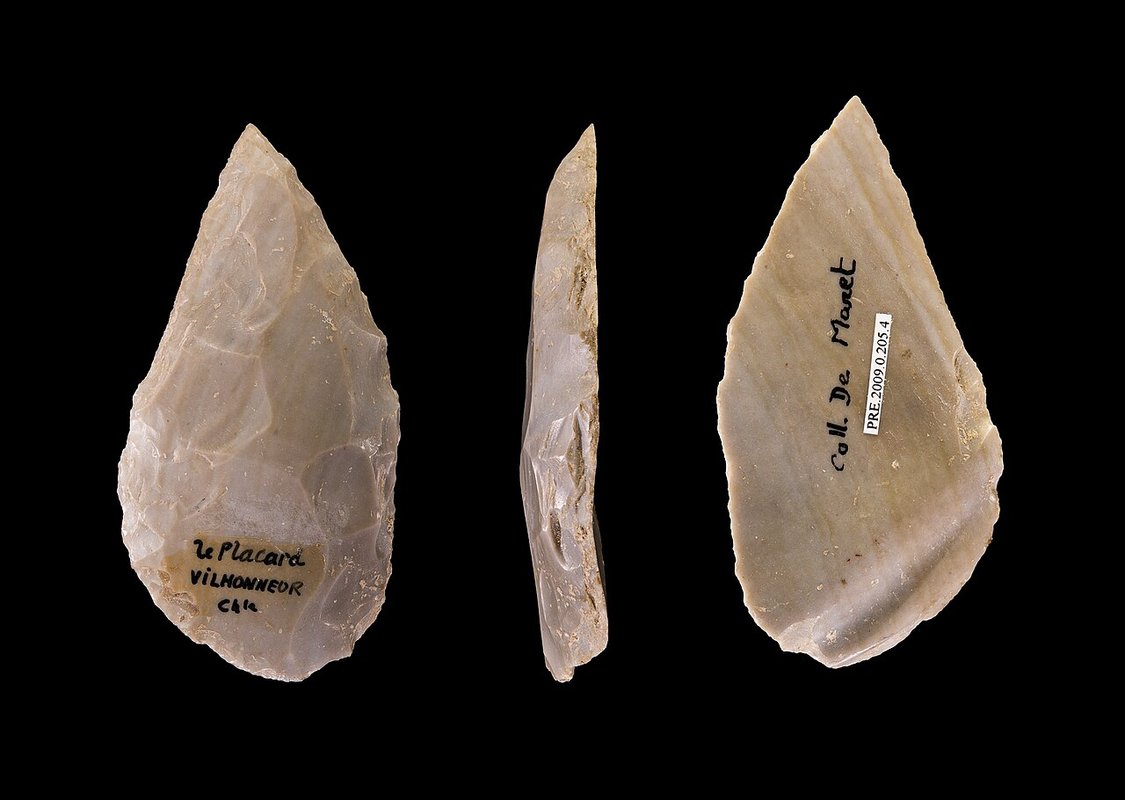
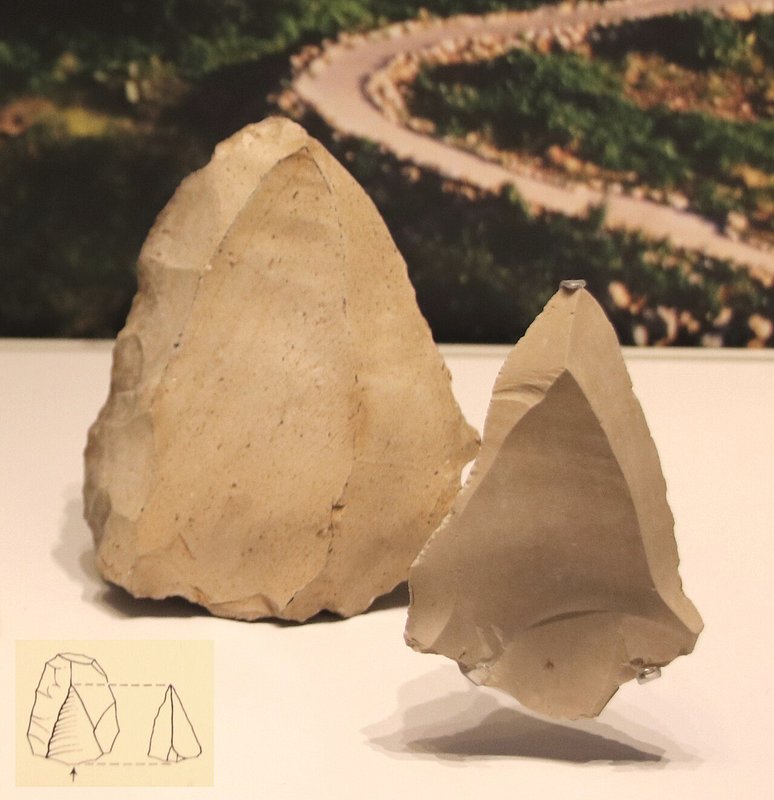
The experimental setup is elegant in its simplicity: the researchers reproduced the supposed Neanderthal conditions using only flint flakes knapped according to MousterianMousterianThe stone-tool industry typical of Neanderthals, based on the Levallois flaking technique.→ techniques. They butchered carcasses of birds comparable in size to species found in Neanderthal archaeological levels (partridges, pigeons, ravens), then cooked the meat using methods presumably accessible at the time: direct cooking in embers, wrapping in damp leaves, cooking on heated stones.
The result: not only did Neanderthals cook their meat, but the tool marks on the bones allow a precise butchery sequence to be reconstructed -- kill, evisceration, disarticulation -- which presupposes planning and culturally transmitted expertise. Cooking, meanwhile, weakens bones and produces characteristic micro-fissures that the researchers compared with archaeological data. The concordance is striking.
This study is part of a broader reassessment of Neanderthal cognitive abilities. Recent decades have seen evidence accumulate: pigment use for symbolic practices, personal ornaments, intentional burials, mastery of fire since at least 400,000 years ago. The often-underestimated dimension was that of cooking: bird bones are fragile, preserve poorly, and cooking traces are difficult to identify without comparative experimental methods. If Neanderthals mastered such precise techniques, they taught them to their young and perpetuated them across generations. The cognitive gap between Neanderthals and Homo sapiensHomo sapiensThe present-day human species, which emerged in Africa around 300,000 years ago, the only surviving human lineage after the extinction of Neanderthals and Denisovans.→ continues to narrow.
No comments yet. Be the first.