What if blood groups played a role in the disappearance of Neanderthals? A CNRS team analyzed the blood group systems of several Neanderthal and DenisovanDenisovanAn extinct human population, cousin of the Neanderthals, identified in 2010 from the DNA of remains in Denisova Cave (Siberia).→ individuals from their ancient DNAAncient DNAFragments of DNA preserved in old remains (bones, sediment); their sequencing identifies species and traces vanished lineages.→, published in PLOS ONE. Their conclusions shed new light on the relationships between these hominins and Homo sapiensHomo sapiensThe present-day human species, which emerged in Africa around 300,000 years ago, the only surviving human lineage after the extinction of Neanderthals and Denisovans.→ -- and the factors that may have weakened hybrids from their interbreeding.
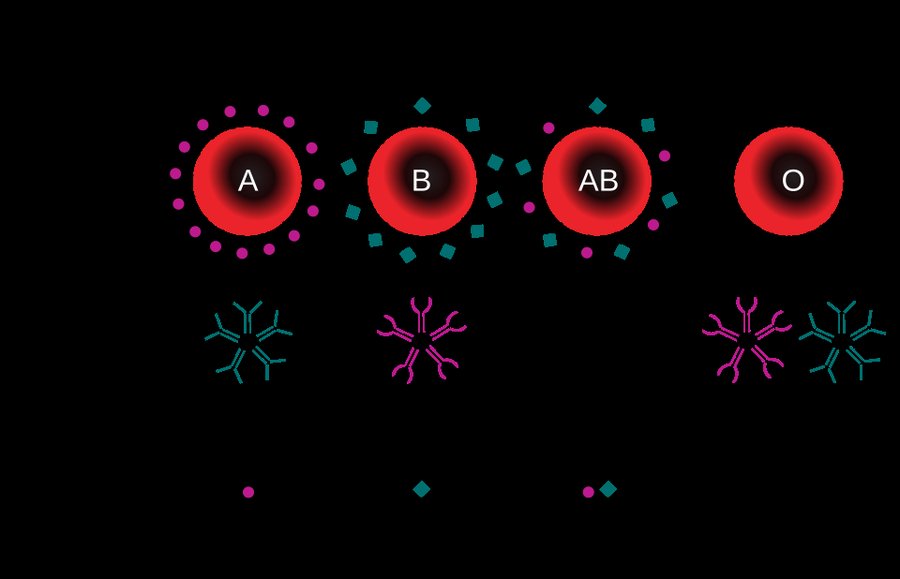
The study, led by Mathilde Gerard and colleagues from the University of Aix-Marseille and CNRS, decoded seven blood group systems -- ABO, Rh, MNS, Diego, Kell, Duffy, and Kidd -- from available ancient genomes of Neanderthals (Altai, Chagyrskaya, Vindija) and one Denisovan.[1] It is the first systematic mapping of blood groups in our extinct cousins.
Blood Groups That Resemble Ours
Neanderthals primarily displayed blood group O -- the most common among early Homo sapiens as well. This convergence indicates that both lineages shared common ancestry for certain markers, and that interbreeding was not inevitably incompatible on the ABO level. But analysis of other systems nuances this optimistic picture.
In the Rh and Diego systems, Neanderthals carried combinations of antigens rare or absent in contemporary Homo sapiens. These specificities could have triggered hemolytic disease of the newborn (HDN) during hybrid pregnancies: if the Neanderthal mother carried certain antigens absent in her fetus -- or vice versa -- the maternal immune system could attack the fetal red blood cells, with potentially fatal consequences.
One Factor Among Many in Extinction
Researchers are cautious: blood incompatibilities alone are not sufficient to explain the disappearance of Neanderthals. But they constitute an additional pressure factor, acting silently on the viability of hybrid descendants and reducing the effective fertility of mixed-species couples. Each generation of non-viable hybrid children depleted the Neanderthal gene pool.
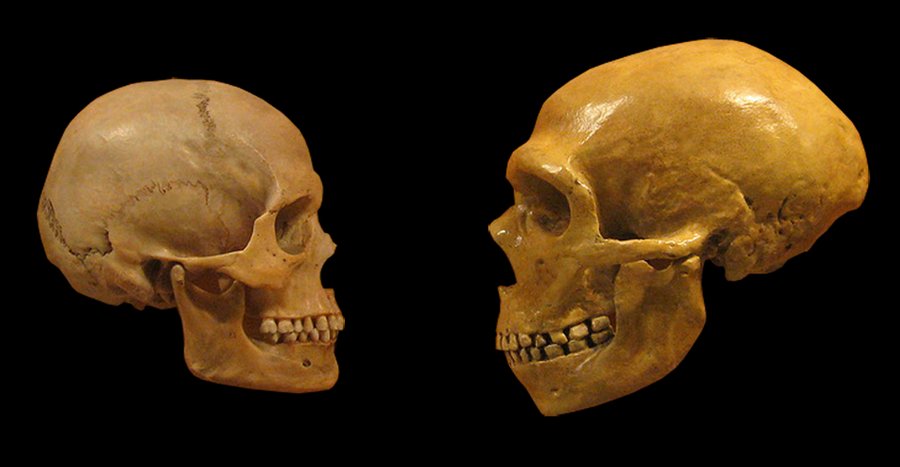
This work is part of a broader trend in paleogenetics: reconstructing not only evolutionary events, but the concrete biological mechanisms that determined the relationships between human species. Blood groups -- trivial information today -- prove to be a window onto evolutionary dramas 40,000 years old.
No comments yet. Be the first.