The paradox of the Neanderthal X chromosome
Since the first publication of the Neanderthal genome in 2010, geneticists have observed an intriguing phenomenon: the X chromosome of modern individuals contains far less Neanderthal DNADNAThe molecule carrying genetic information, used to reconstruct kinship between species.→ than other chromosomes. These "Neanderthal deserts" on the X chromosome of present-day humans had been interpreted as evidence of genetic incompatibility -- Neanderthal genes on the X chromosome would have been unfavourable in the human genome and would have been eliminated by natural selection. But a study published in 2026 in the journal Science, conducted by researchers from the University of Pennsylvania, proposes a radically different explanation, based on mating behaviour rather than genetics.
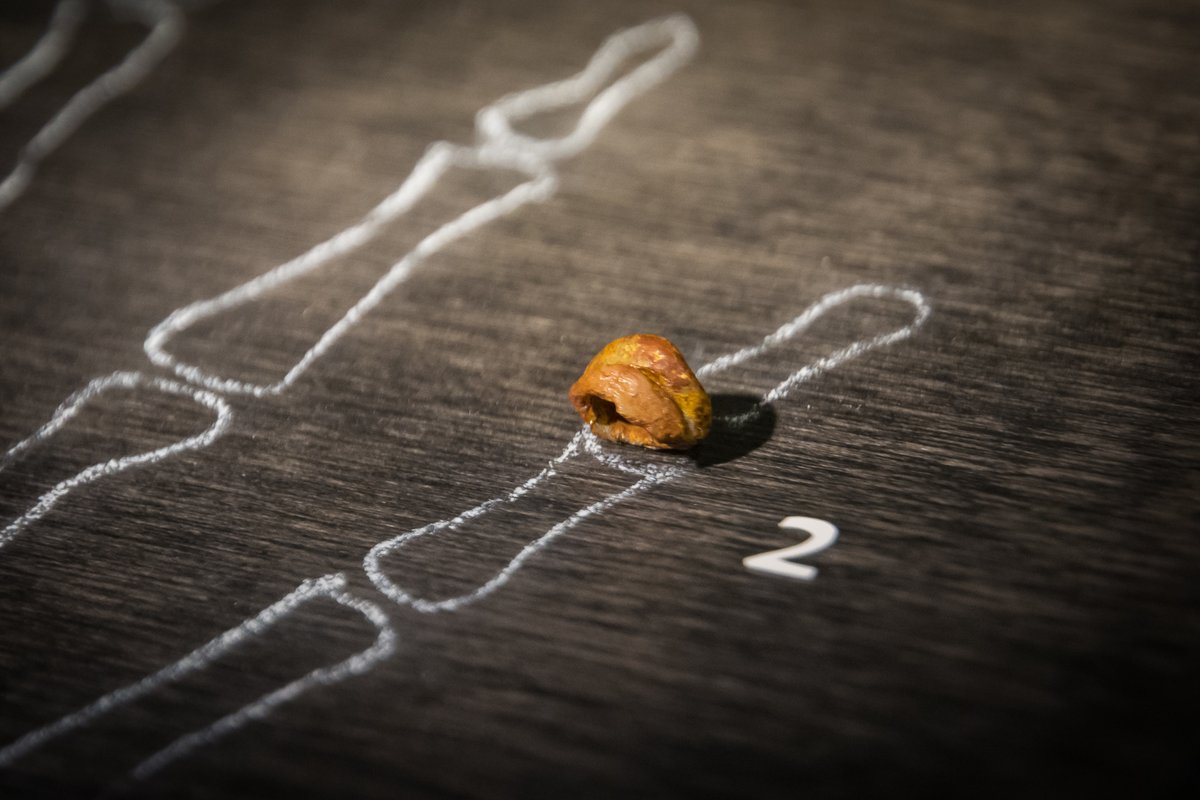
The team compared the genomes of three NeanderthalsNeanderthalsA fossil humanity of Eurasia, robust and cold-adapted, extinct around 40,000 years before present.→ -- Altai, Chagyrskaya and Vindija -- with DNA from modern African populations (which, having never interbred with Neanderthals, serve as a reference). Their analysis reveals an asymmetric pattern: Neanderthals carried on their X chromosome significantly more DNA of Homo sapiensHomo sapiensThe present-day human species, which emerged in Africa around 300,000 years ago, the only surviving human lineage after the extinction of Neanderthals and Denisovans.→ origin than on their other chromosomes -- approximately 62% more. Conversely, non-African modern humans carry proportionally less Neanderthal DNA on their X chromosome than on their autosomes.
Neanderthal males, sapiens females
This asymmetry has an elegant explanation: if interbreeding between the two species mainly involved Neanderthal males and female Homo sapiens, then children born from these unions would have received an X chromosome from their Homo sapiens mother and a Y chromosome from their Neanderthal father. These male hybrids then passed on to their descendants an X chromosome of Homo sapiens origin -- which explains why the Neanderthal X chromosome gradually became "humanised" over generations. Female hybrids, for their part, passed two X chromosomes, including one of Neanderthal origin, to Homo sapiens populations -- but this flow was much less frequent, according to the proposed model.
This conclusion is consistent with what is known about the behaviour of certain great apesgreat apesThe family of great apes (Hominidae) comprising orangutans, gorillas, chimpanzees, bonobos and humans.→, among which males tend to leave their birth group to join other groups, thus promoting interbreeding between individuals of different origins. If Neanderthal males dispersed more than females -- a pattern observed in many mammals -- they would have had more opportunities to meet and mate with female Homo sapiens during contact zones between the two species.
Multiple interbreeding events over 250,000 years
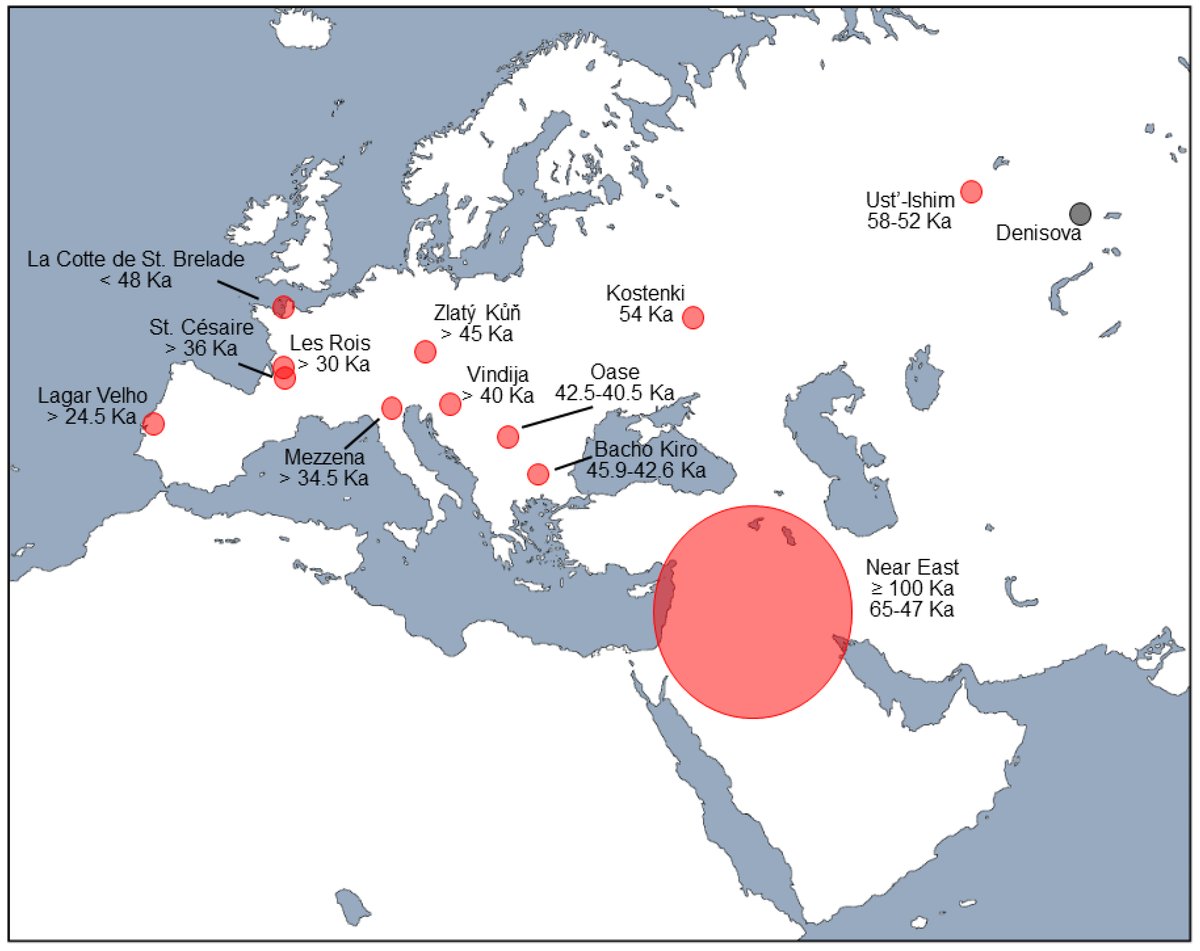
The study also confirms that the genetic exchanges between Neanderthals and Homo sapiens do not constitute a single event but a series of repeated episodes over at least 250,000 years, following the migrationsMigrationsLong-distance movements of populations; a major driver of human history (the exit from Africa, the peopling of continents, Neolithic and steppe expansions).→ and geographical contacts between the two species. The majority of the selection acting on Neanderthal heritage in the human genome occurred very rapidly after each interbreeding episode -- within a relatively small number of generations -- suggesting that some Neanderthal genes conferred an immediate advantage (resistance to Eurasian pathogens, for example), while others were rapidly eliminated as unfavourable in the human genetic context.
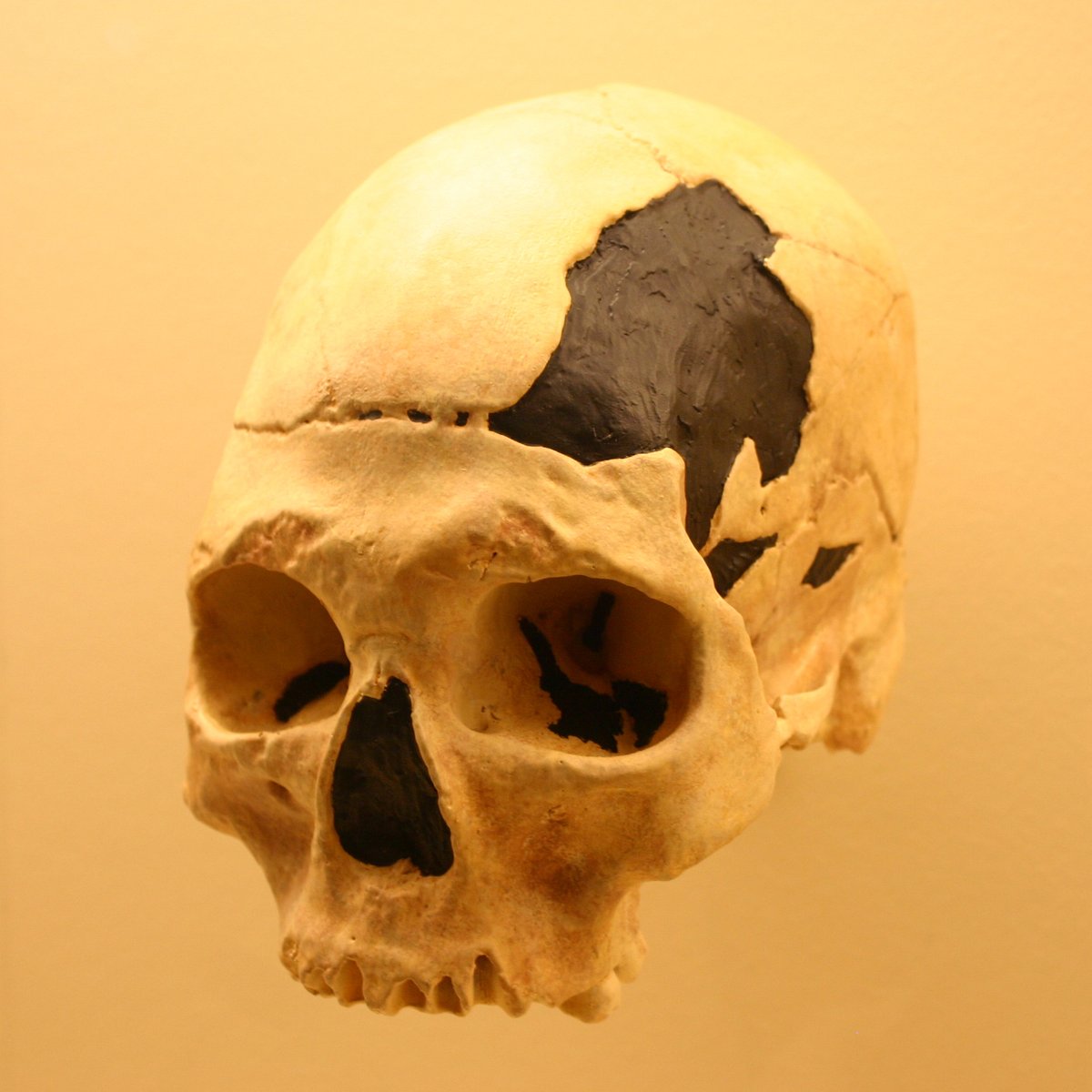
Today, non-African modern humans carry on average between 1 and 3% Neanderthal DNA in their genome. Some ancient specimens, like the Oase 2 skull from Romania dated to around 40,000 years ago, showed much more -- up to 9% -- a sign of a very recent Neanderthal ancestor in their genealogy. These discoveries transform our view of Neanderthals: far from being a species radically separate from our own, they were reproductive partners with whom our ancestors maintained complex relationships, sexual and probably social, over millennia.
Article bien calibré pour un public non-spécialiste. La complexité n'est pas escamotée.
Ce qui me plaît c'est que vous citez vos sources. Je peux vérifier par moi-même.
J'ai visité ce type de site lors d'une excursion. Votre article m'aide à mieux comprendre ce que j'ai vu.