Saint-Cesaire, a key site for understanding NeanderthalsNeanderthalsA fossil humanity of Eurasia, robust and cold-adapted, extinct around 40,000 years before present.→
The La Roche-a-Pierrot site at Saint-Cesaire in the Charente-Maritime department is one of the most important Neanderthal sites in France. It was here that in 1979, a team led by Francois Leveque unearthed the partial remains of an adult Neanderthal dated to around 36,000 years ago -- one of the last known Neanderthals in western Europe. Since then, the site has yielded numerous bones and tools associated with the Chatelperronian culture, a technical tradition that was the subject of heated debate among specialists: was it the product of contact with Homo sapiensHomo sapiensThe present-day human species, which emerged in Africa around 300,000 years ago, the only surviving human lineage after the extinction of Neanderthals and Denisovans.→ or an independent Neanderthal invention? Teeth recovered at Saint-Cesaire and other sites have fed an even more fundamental debate: how did Neanderthal children grow up?

In palaeontology, teeth constitute an incomparably valuable source of information. Unlike bones, which continuously remodel themselves, dental enamel faithfully records the stages of individual growth -- rather like the rings of a tree. Each growth striation corresponds to a daily rhythm. By counting them, palaeoanthropologists can precisely reconstruct the speed of development of an individual and date the major biological events of their childhood: birth, weaning, eruption of permanent teeth.
Barium, a tracer of breast milk in enamel
The most recent and revealing technique involves measuring barium concentrations in successive layers of dental enamel. Barium is naturally present in breast milk but virtually absent in solid foods. By mapping its distribution layer by layer, researchers can precisely identify the moment when an infant began to diversify its diet -- and when it was fully weaned. This method has been applied to several Neanderthal specimens with striking results.
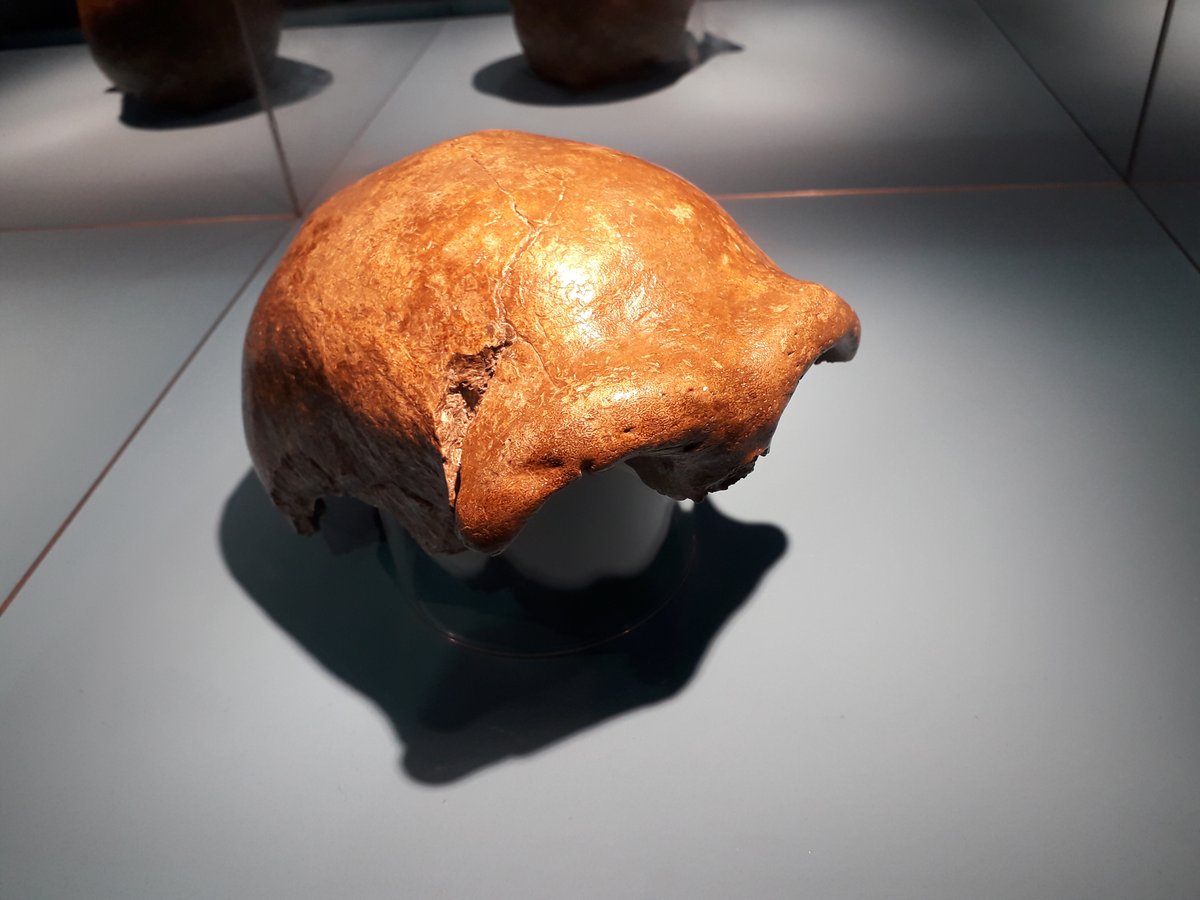
For the Neanderthals analysed, weaning occurs at around 14 months -- exactly within the range observed in modern humans in hunter-gatherer societies. This result overturns the idea that Neanderthals had a faster development than our own. If weaning is comparable, it means that the duration of maternal dependence -- and therefore parental investment -- was of the same order as in Homo sapiens. This finding has important implications for understanding the social organisation and cooperation within Neanderthal groups.
Teeth that grow faster than ours
Where Neanderthals clearly differ is in the speed of eruption of the milk teeth themselves. In modern humans, the first teeth generally appear between 6 and 12 months. In Neanderthal infants, dental analyses suggest that this eruption occurred earlier, sometimes before 6 months. This dental precocity reflects an overall biological maturation rate faster than in Homo sapiens, even if this rate does not affect the duration of weaning.
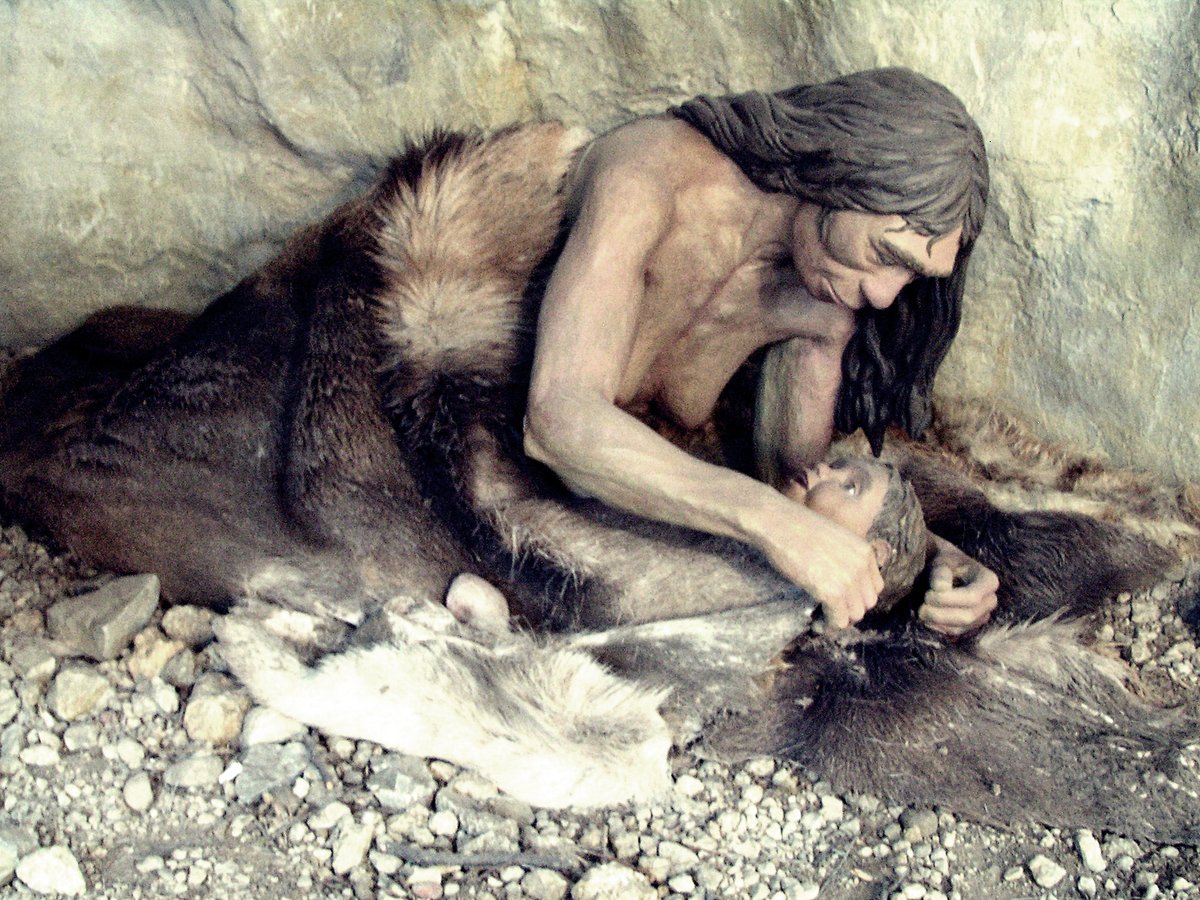
These timing discrepancies between early tooth eruption and late weaning raise fascinating questions about Neanderthal physiology. They suggest that the development of these hominids did not follow a uniform pattern: some aspects (dentition) matured faster, while others (weaning, and probably brain development) followed a calendar comparable to our own. This paradox is a reminder that neanderthal was neither a simple primitive precursor nor a uniform "different human" -- but a species in its own right, with its own developmental biology, both close to and distinct from our own.
J'utilise vos articles régulièrement comme introduction à une nouvelle période. Continuez !
J'ai croisé ces données avec la chrono-carte. La cohérence chronologique et géographique est remarquable.