Two and a half thousand years ago, at the heart of modern-day Iran, a monumental terrace measuring 450 by 300 meters rose from the plains of Fars: Persepolis. Founded by the Great King Darius I around 515 BCE, this royal city was the symbolic heart of the Achaemenid Empire -- the first world empire, stretching from India to Egypt and from the Caucasus to the Persian Gulf.
For centuries, Persepolis was believed to be primarily a ceremonial capital -- a monumental backdrop inhabited only during major Persian New Year (Nowruz) celebrations. But archaeological excavations of recent decades have completely overturned this image: Persepolis was a living city, populated year-round, the center of a sophisticated economy and a remarkably efficient administration.
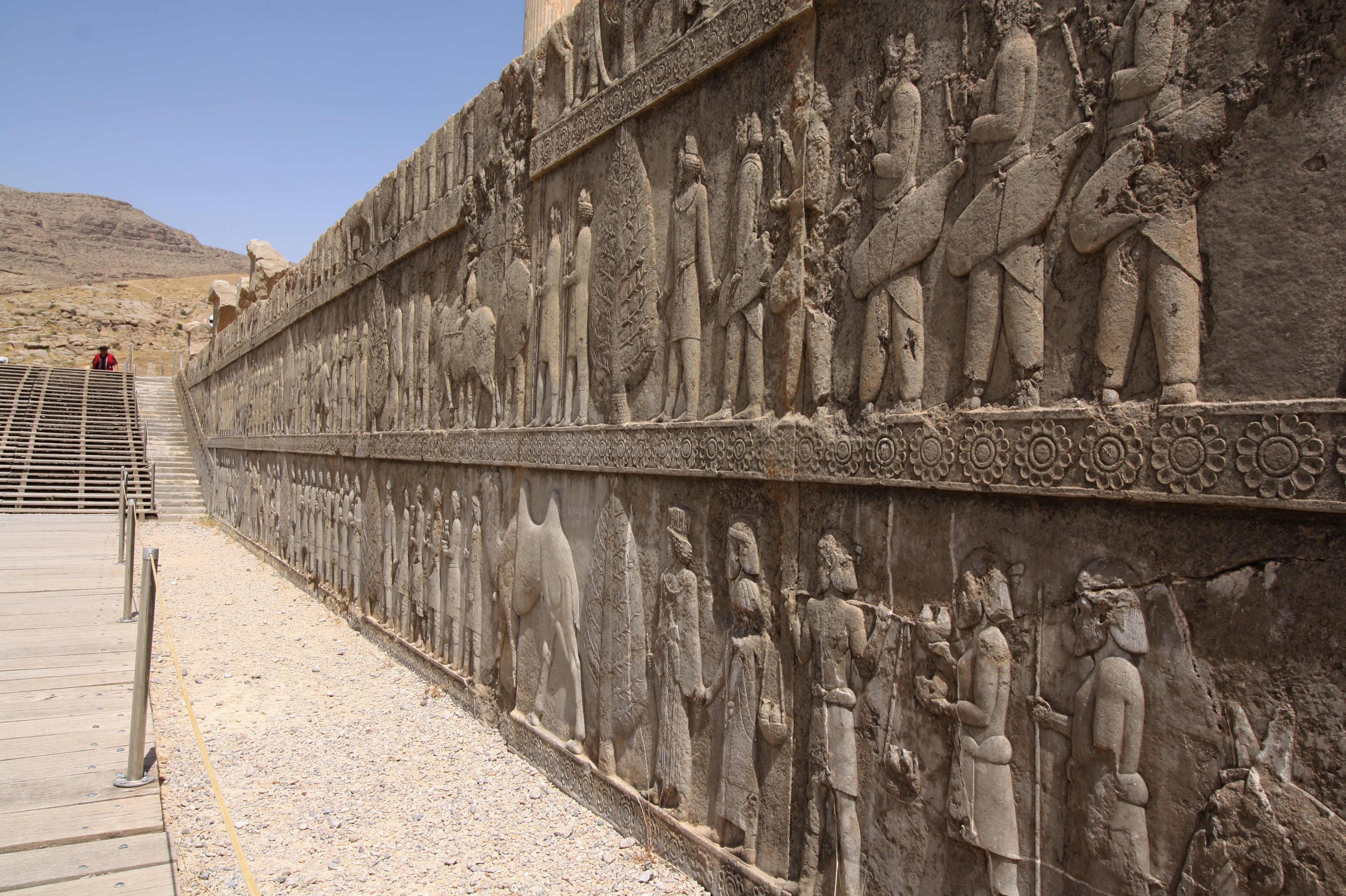
The Monumental Terrace: Palaces, Columns and Reliefs
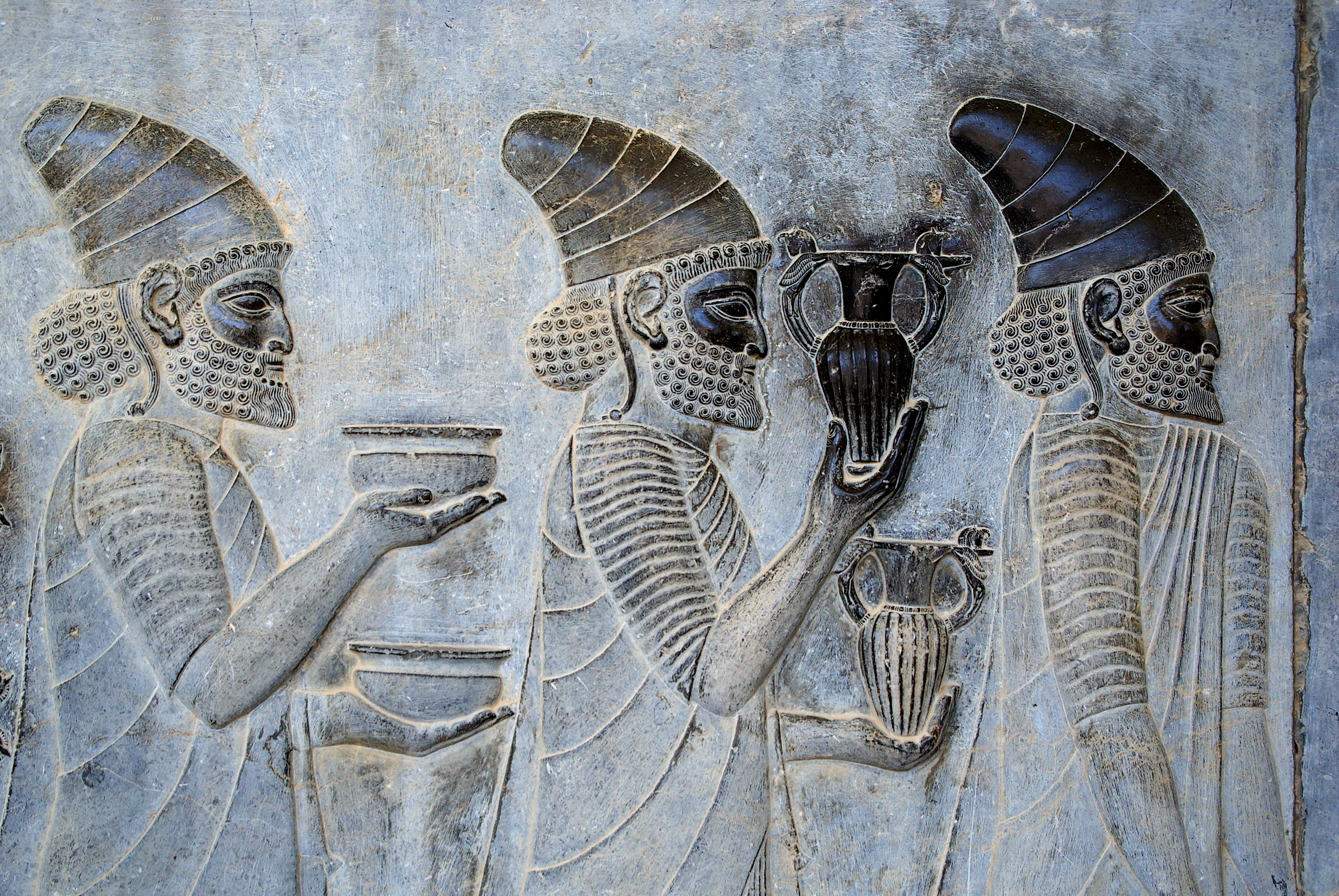
The Persepolis terrace houses some of the most imposing monuments of Antiquity. The Apadana, a hypostyle hall with 72 columns standing 20 meters tall, could accommodate 10,000 people during royal audiences. Construction began under Darius I and was completed by Xerxes I over more than half a century. Stairs adorned with polychrome reliefs depicting tributaries from the empire's 23 peoples represent one of the most elaborate artworks of the ancient world.
The Gate of All Nations, flanked by two colossal bull-headed figures, introduced visitors into this world of stone and symbols. The Hall of a Hundred Columns, the Treasury Hall, and the royal apartments (Tachara and Hadish) of Darius and Xerxes complete the ensemble. In 330 BCE, Alexander the Great burned Persepolis -- perhaps in retaliation for Persian burnings of the Athenian Acropolis, perhaps as an act of symbolic conquest. Scorched columns still bear witness to this fire.
The Administrative Archives: 30,000 CuneiformCuneiformThe oldest known writing, born at Uruk; its signs, impressed into clay with a reed stylus, are wedge-shaped (from Latin cuneus).→ Tablets
Between 1933 and 1934, Ernst Herzfeld's team from the Oriental Institute of Chicago discovered in the fortification building and Treasury Hall two exceptional archives: the Persepolis Fortification Tablets and the Persepolis Treasury Tablets. In total, more than 30,000 clay tablets and fragments inscribed in Elamite cuneiform, covering the period 509-457 BCE.
These tablets reveal in detail the daily workings of the empire: food rations (barley, wine, figs) distributed to workers, craftsmen, pregnant women and wet nurses according to their rank and geographic origin; wages of specialized workers; movements of royal officials; management of livestock and agricultural estates. Some documents mention workers from India, Bactria, Lydia, or Egypt -- testimony to the extraordinary mobility within the largest empire of the ancient world.
The translation of these archives, continued into the 21st century by Chicago researchers, fundamentally transformed our understanding of the Achaemenid Empire: no longer a despotic and mysterious Oriental empire, but a sophisticated bureaucratic state with written administration, an economic redistribution system, and remarkably rational management of human resources.
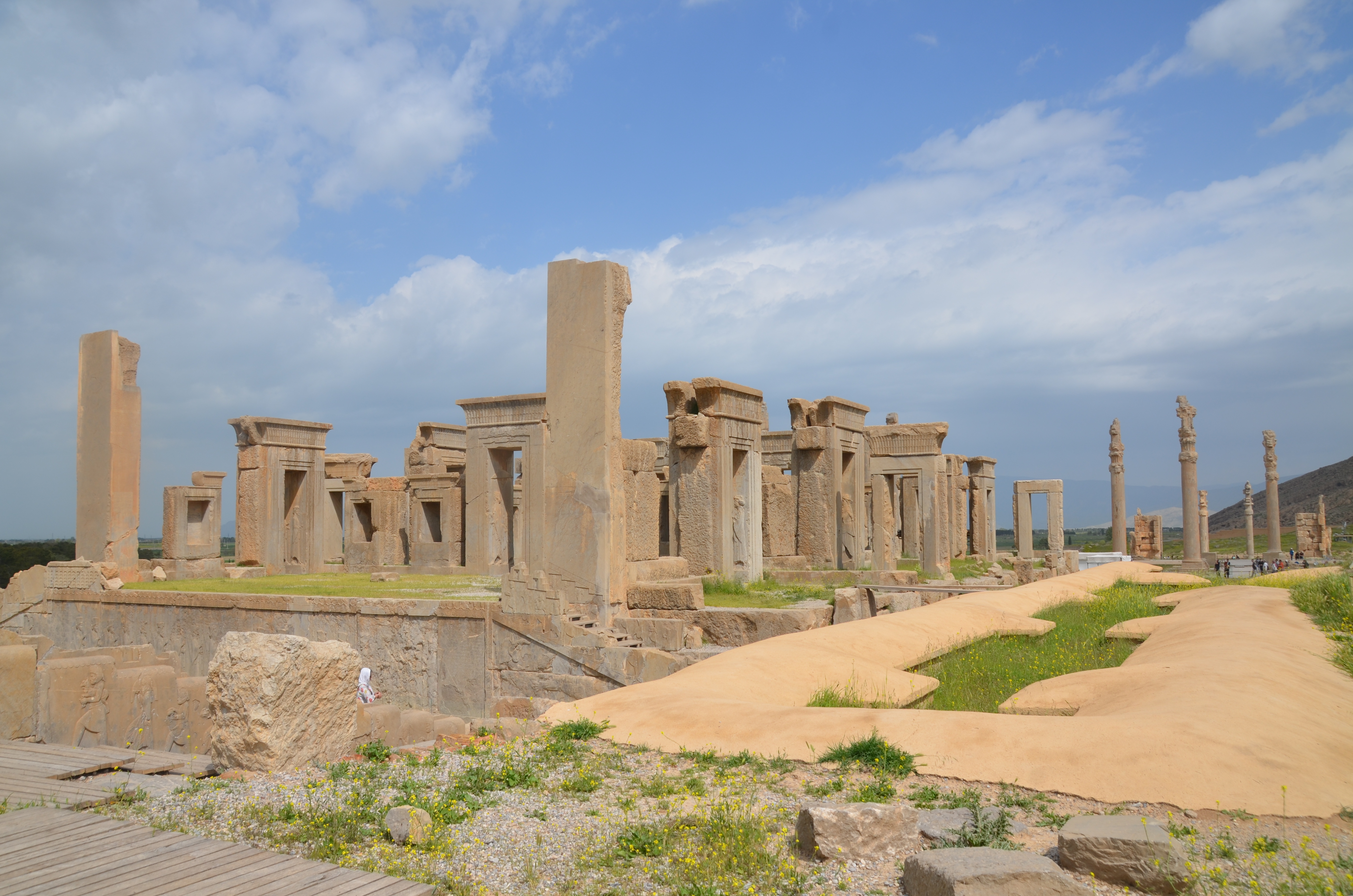
The Hidden City: Beyond the Terrace
For decades, archaeologists focused their efforts on the monumental terrace. But since the 2000s, several Iranian-international missions have explored the plain stretching west and south. The SELOPERSE mission (Settlement and Landscape Organisation of the Persepolis Region), funded by the European Research Council, has mapped an urban occupation extending several kilometers around the terrace.
Some 3.5 km west of the terrace, in the Bagh-e Firuzi sector, the remains of a dozen Achaemenid sites emerge from cultivated fields across nearly 150 hectares. Even closer -- just 300 meters south of the terrace -- a lower city has been uncovered: artisan quarters, aristocratic residences, pottery kilns, unused glazed bricks, metal slag, and mineral pigments.
These were the very workshops that produced the construction and decorative materials for the terrace. And these workers were not slaves but paid laborers receiving food rations and silver, their names and origins recorded in the archives. A far more nuanced social reality than the image of an absolute monarchy resting on forced labor.
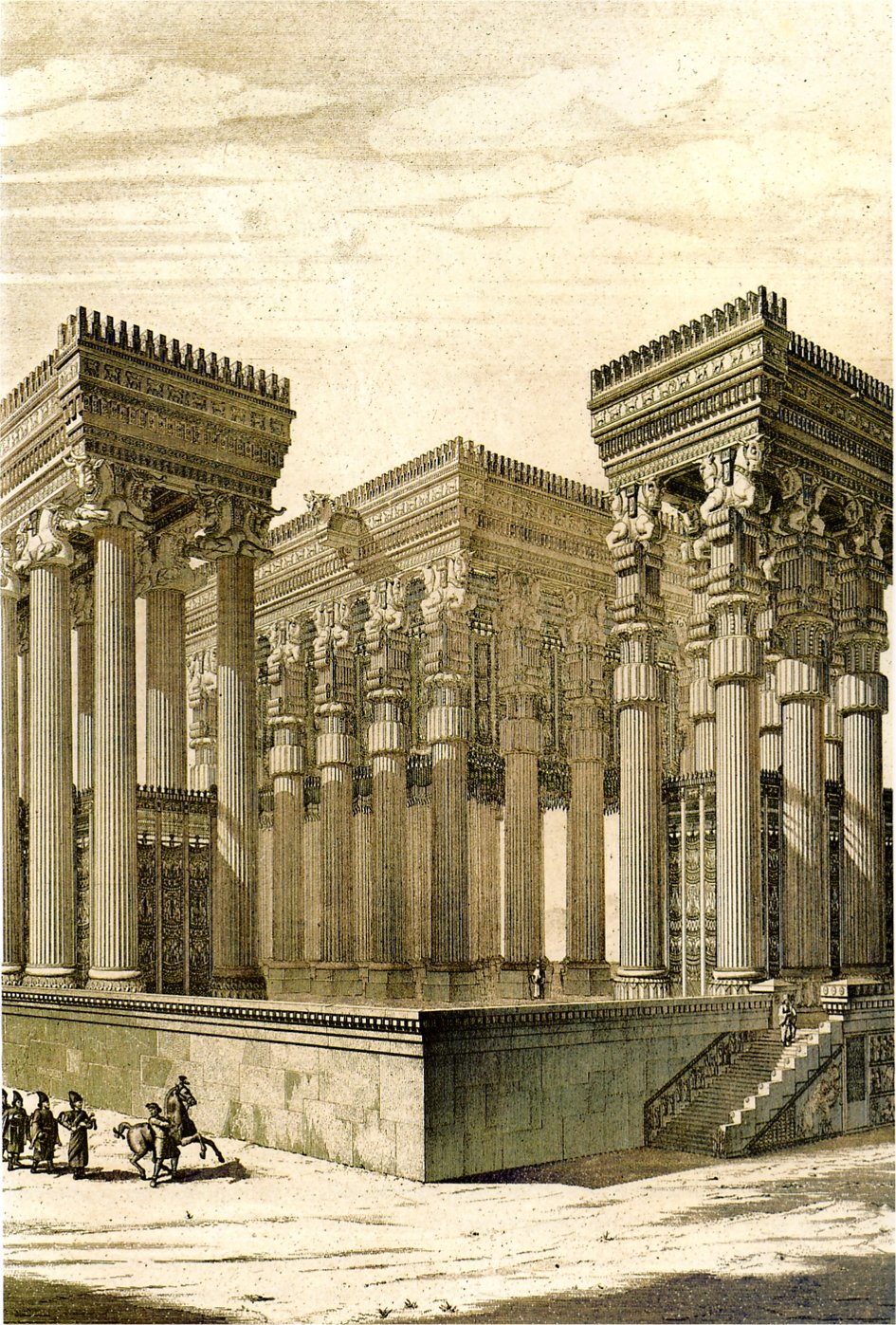
Persepolis Revisited: A Metropolis of Antiquity
The image of Persepolis has thus radically changed. Far from a mere ceremonial backdrop inhabited a few weeks per year, it was the center of a living, active urban fabric populated year-round by officials, craftsmen, herders, merchants, and workers from across the empire. The monumental terrace was only the visible -- and symbolic -- part of a remarkably sophisticated administrative and economic organization.
Excavations continue. Each season brings new surprises: new buildings, new tablets, new clues about daily life in the capital of the largest empire of the ancient world. Persepolis has not yet revealed all its secrets.
No comments yet. Be the first.