A study published in Nature on 18 June 2026 reveals that Yersinia pestis — the bacterium behind plague — was already killing hunter-gatherer communities in Siberia 5,500 years ago, long before cities, domesticated rats, and flea-borne transmission existed. It is the oldest outbreak-level epidemic ever documented genetically.
A staggering infection rate
An international team led by genomicist Ruairidh Macleod (University of Oxford) and Eske Willerslev (Universities of Copenhagen and Cambridge) sequenced ancient DNAAncient DNAGenetic material preserved in old remains, often degraded, sequenced with cutting-edge techniques.→ extracted from the teeth of 46 individuals buried across four Late NeolithicNeolithicThe "New Stone Age": a period marked by farming, herding, settlement and pottery, from around 10,000 BC.→ cemeteries on the banks of the Angara River, northwest of Lake Baikal in Siberia: Ust'-Ida I, Bratskii Kamen, Shumilikha, and Serovo. The result came as a shock: 18 of the 46 individuals carried Yersinia pestis DNADNAThe molecule carrying genetic information, used to reconstruct kinship between species.→ — a detection rate of nearly 39%, higher than that found at some Black Death burialBurialThe intentional deposition of a body, sometimes with offerings; a marker of symbolic behaviour.→ sites.
"Whether the earliest forms of plague were mild or virulent has been a matter of debate, but our findings demonstrate that these ancient strains were already highly lethal," says Eske Willerslev.
The infections fall into two distinct epidemic phases separated by several centuries. The first — and largest — is dated to between 5,520 and 5,265 years before the present (roughly 3,500–3,250 BCE). The second, later phase is estimated at around 5,000 years before the present. Genomic analysis further revealed that these strains occupy the most basal known branch of the Yersinia pestis family tree, predating all previously identified ancient and modern lineages — pushing the bacterium's emergence back to at least 5,700 years ago.
Cemeteries of children: the first clue
Archaeologists had puzzled over a demographic anomaly since the 1990s: two of the four cemeteries — Ust'-Ida I and Bratskii Kamen — had an unusually high proportion of children and young adolescents. Between 65 and 75% of buried individuals were under 15, with mortality peaking between 7.5 and 11 years of age — unlike anything seen at comparable hunter-gatherer sites in the region.
Radiocarbon dating confirmed that deaths at each site had occurred within a short time window, consistent with epidemic rather than chronic mortality. Genetic kinship analysis provided the most striking evidence: at Bratskii Kamen, three girls aged 4 to 9, likely close maternal relatives, all carried Y. pestis DNA. At Ust'-Ida I, the bacterium was identified in an aunt and her nephew buried together, and in the aunt's teenage niece, interred elsewhere in the same cemetery.
"The unusually high number of children and the short timespan was a real puzzle that we've been trying to solve since the 1990s," says archaeologist Andrzej Weber (University of Alberta). "Finding out that plague was the cause is extraordinary, but it makes so much sense."
Already deadly — but differently armed
These prehistoric strains bear little resemblance to the Black Death pathogen. They lacked the ymt gene (Yersinia murine toxin) and the YpfΦ prophage — genetic adaptations essential for flea-borne transmission, the mechanism that would later power humanity's most devastating pandemics. So how were these bacteria killing so efficiently in groups of just a few dozen people?
The researchers identified a different virulence mechanism: the strains carried the ypm gene, encoding a superantigen — a toxin capable of triggering an excessive immune response, causing severe systemic inflammation that is frequently fatal. The ancient variant most closely resembles the modern ypmA form, considered the most virulent known ypm variant, differing from it at only three positions. The functional significance of those differences remains to be determined experimentally.
"Even before the bacterium evolved efficient flea-borne transmission, these ancient strains appear to have carried a potent combination of virulence factors that could make infection highly lethal," says Martin Sikora (University of Copenhagen). Transmission most likely occurred via direct contact with infected animals, or between humans by the pneumonic route — a mechanism suggested by the family clusters but not yet confirmed by direct biological markers.
What this changes
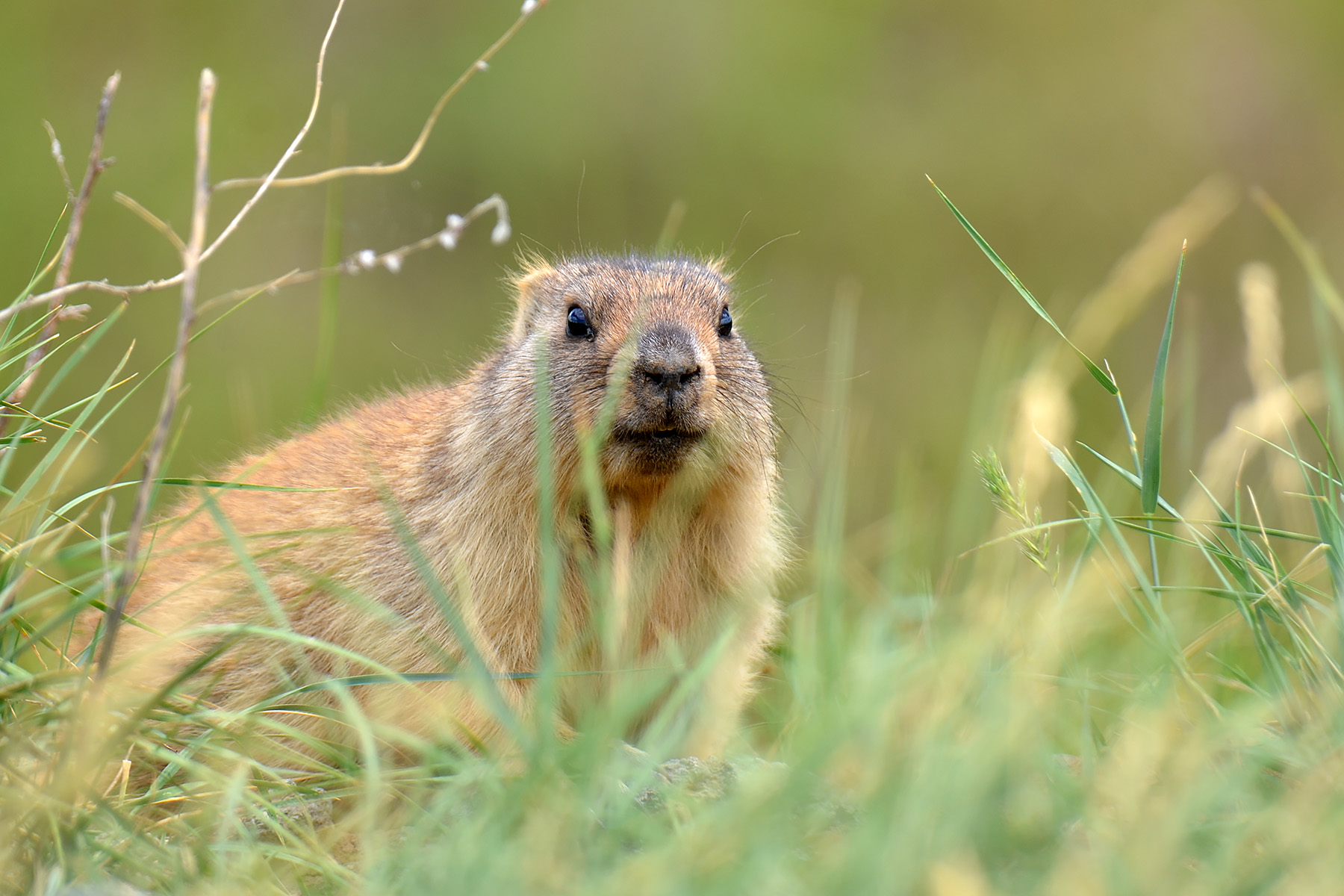
The finding overturns the long-held view that epidemic plague was a density-dependent phenomenon, requiring dense agricultural societies with cities, markets, and commensal rats. The reality is darker: devastating outbreaks could strike small nomadic groups whenever they lived alongside wild animal reservoirs. Community size is no shield against bacterial virulence.
The study also places Yersinia pestis in a striking new evolutionary light. The bacterium's genetic plasticity — its capacity to combine varied virulence factors and adapt to new hosts — was already on display 5,500 years ago, long before the flea-borne pathway that would characterise later pandemics. As the authors note, 75% of new human pathogens today emerge from animal transmission. Lake Baikal, 5,500 years ago, offers a chilling preview of that enduring dynamic.
Passionnant. J'avais jamais vraiment creusé ce sujet. Maintenant je veux aller plus loin.
Merci pour ces dossiers bien écrits. À mon âge, on apprécie les contenus sérieux et sans chichis.
J'avais vu un truc là-dessus sur YouTube mais votre article donne vraiment plus de détails.
Cet article me permet de faire le lien avec mes cours de SVT sur les épidémies et l'évolution des pathogènes. La peste ne date pas du Moyen Age : elle accompagne les sociétés humaines depuis le Néolithique au moins, évoluant en parallèle avec ses hotes. C'est une illustration parfaite de la coévolution hote-pathogène sur le temps long.
La détection de Yersinia pestis dans des populations du Néolithique et de l'Age du Bronze par analyse d'ADN ancien est l'une des découvertes les plus importantes de la paléogénomique récente. Les souches identifiées autour du lac Baïkal pourraient représenter des formes ancestrales avant les adaptations qui ont rendu la bactérie si mortelle lors de la Peste Noire médiévale. Un travail remarquable.