Bones that speak of gender and power
Stable isotopesStable isotopesNon-radioactive forms of an element (carbon, nitrogen, oxygen) whose ratios in bone and teeth reveal an individual's diet, mobility and geographic origin.→ are one of the most powerful tools available to modern bioarchaeology. Nitrogen-15 accumulates in animal tissues according to their level in the food chain: the more animal proteins an organism consumes, the higher its delta 15N ratio. By analysing this isotopic ratio in human bones preserved in museum collections and excavated sites, researchers can reconstruct the diet of each individual -- and compare it by sex, age, and social status. Rozenn Colleter, a physical anthropologist at France's National Institute for Preventive Archaeological Research (Inrap), led with her team an unprecedented synthesis covering hundreds of individuals, from the earliest PalaeolithicPalaeolithicThe oldest and longest period of prehistory (c. 3.3 Ma–12,000 BC), defined by chipped stone tools and a hunter-gatherer way of life.→ hunter-gatherersHunter-gatherersA way of life based on hunting, fishing and gathering wild resources, without farming or herding; it dominated almost the whole of human history.→ through to modern historical populations.
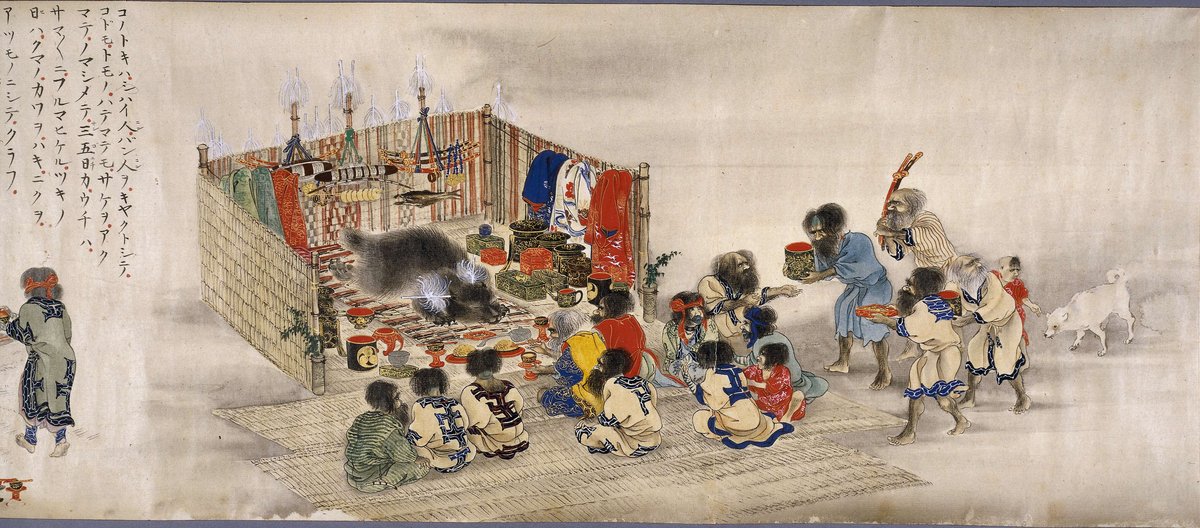
The results are striking: across all periods and cultures examined, women systematically consumed fewer animal proteins than men. The gap varies between societies: very marked in the NeolithicNeolithicThe "New Stone Age": a period marked by farming, herding, settlement and pottery, from around 10,000 BC.→ and the Middle Ages, it is distinctly smaller in Greco-Roman Antiquity. But it is never zero. This permanence of dietary inequality over 10,000 years and across different continents constitutes one of the most robust and troubling results of recent bioarchaeological research.
Culture, not physiology
One of the study's major contributions is to show that these dietary inequalities have no physiological basis. The protein needs of adult men and women are comparable, and there is no biological reason why women should have consumed less meat. The observed disparities are therefore purely cultural -- it is social norms, dietary taboos, gender hierarchies and resource distribution rules that determined women's access to meat-based foods.
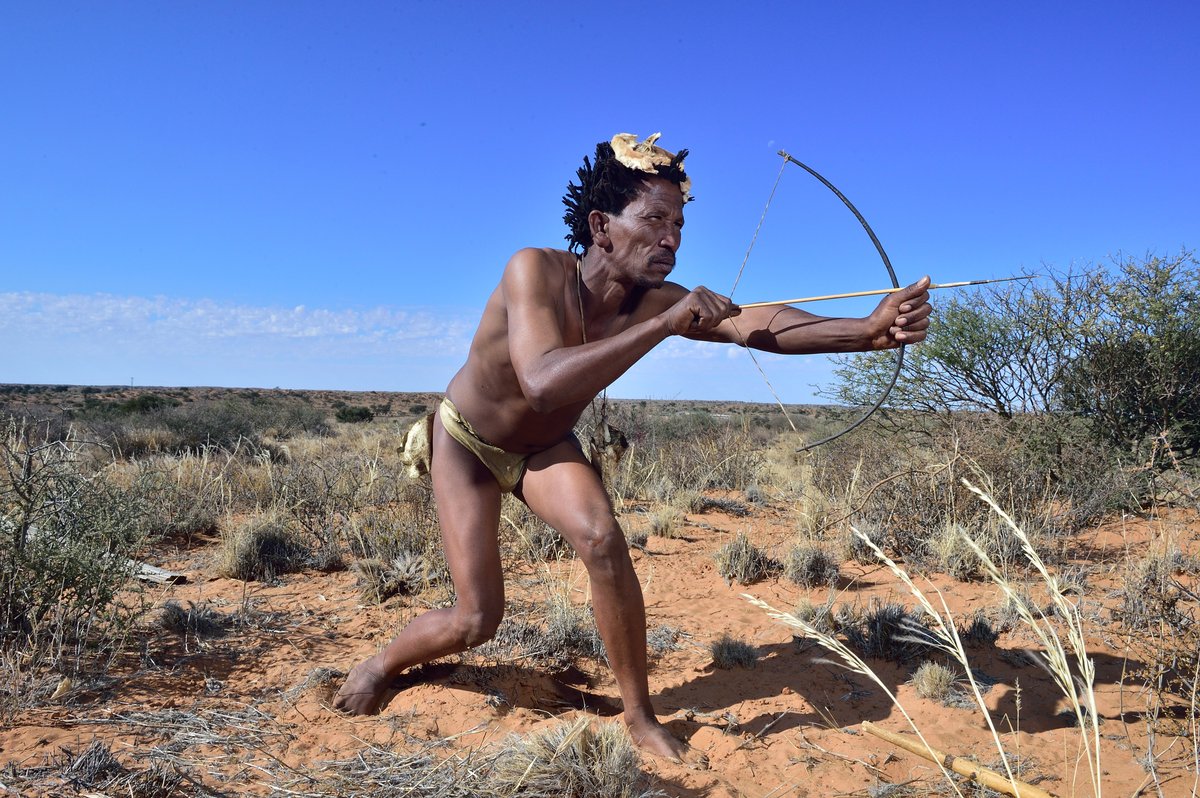
These norms appear to have been particularly severe in the Neolithic, a period when agricultureAgricultureThe cultivation of plants and production of food by working the soil, which emerged in the Neolithic in the Near East and independently elsewhere; it radically transformed human societies.→ developed and societies became more complex. At many Neolithic sites in Europe and the Near EastNear EastA region of western Asia (Levant, Mesopotamia, Anatolia, Iran), cradle of the Neolithic revolution, agriculture, the first cities and writing.→, female skeletons show delta 15N ratios significantly lower than male skeletons from the same site, suggesting that women had access to less meat, fish or dairy products. This dietary hierarchy may have had consequences for the health and longevity of prehistoric women, although the multifactorial causes of mortality make direct conclusions difficult to establish.
Significant variations by period
The study highlights significant variations between historical periods. Greco-Roman Antiquity stands out for distinctly smaller isotopic differences between men and women -- which the researchers interpret as a sign of relative dietary equality in these societies, at least for the social classes represented in the funerary record. Conversely, the European Middle Ages again shows pronounced disparities, close to those of the Neolithic.
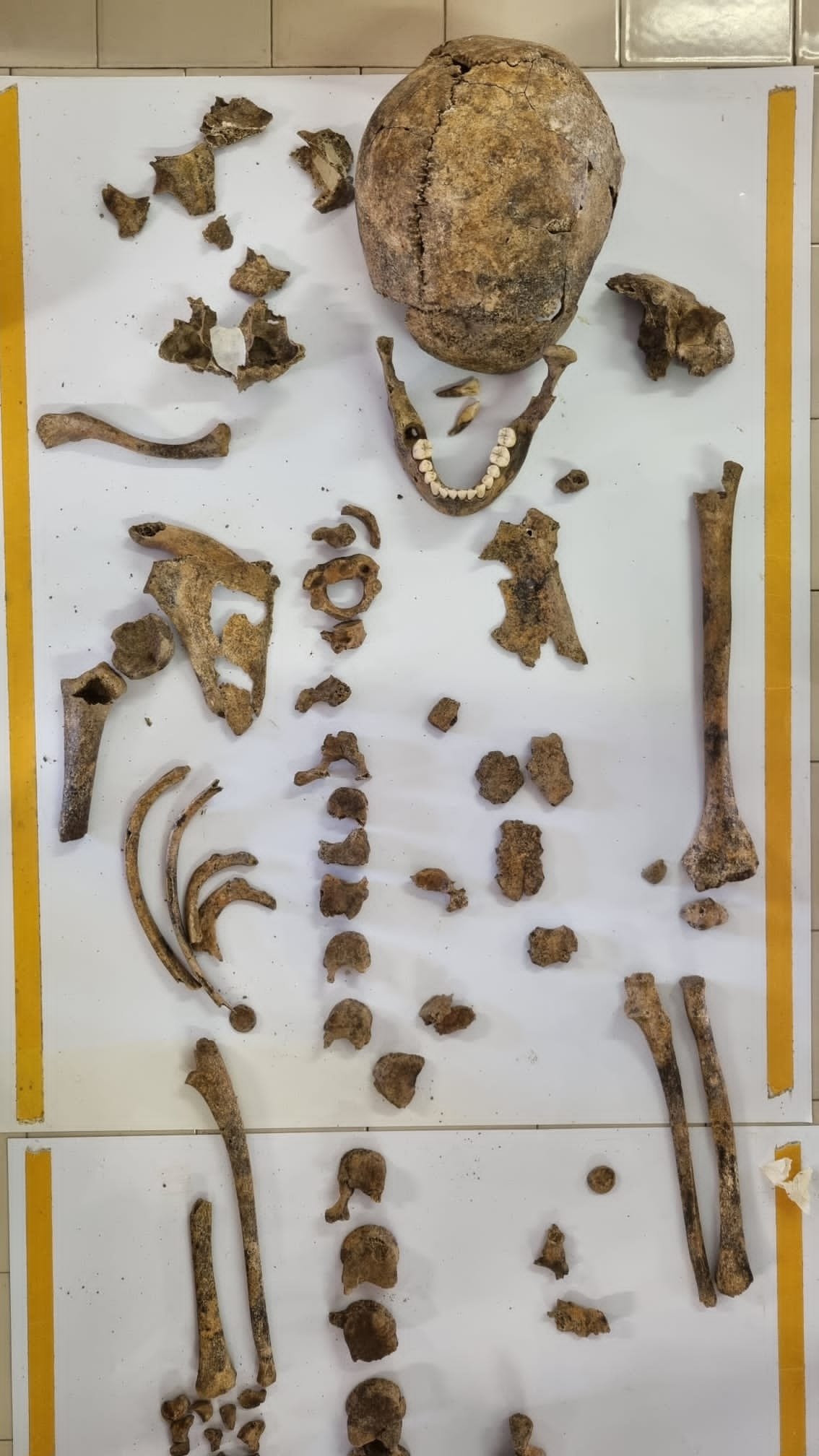
Alongside this global study, targeted research offers complementary insights. In Morocco, analysis of the diet of the Iberomaurusians -- hunter-gatherers who lived 8,000 to 12,000 years ago, well before the appearance of agriculture in the region -- revealed a diet surprisingly rich in wild plants, challenging the image of a prehistoric diet universally dominated by meat. These results are a reminder that prehistoryPrehistoryThe span of human history before the invention of writing, from the Palaeolithic to the Metal Ages, known mainly through material remains.→ is not monolithic: diets varied enormously depending on environments, periods and cultures, and inequalities between individuals -- particularly by gender -- constituted a fundamental dimension of prehistoric social organisation.
Ce site est devenu indispensable pour préparer mes voyages culturels et archéologiques.
L'angle est honnête et bien documenté. La bibliographie en fin de page est un vrai plus.
C'est vertigineux de réaliser à quel point nos ancêtres étaient déjà pleinement humains.