An international study published in PNAS Nexus delivers a striking conclusion: European men have been consuming more animal protein than women for at least 10,000 years. Far from a mere biological fact, this alimentary dimorphism is rooted in deeply entrenched social inequalities.
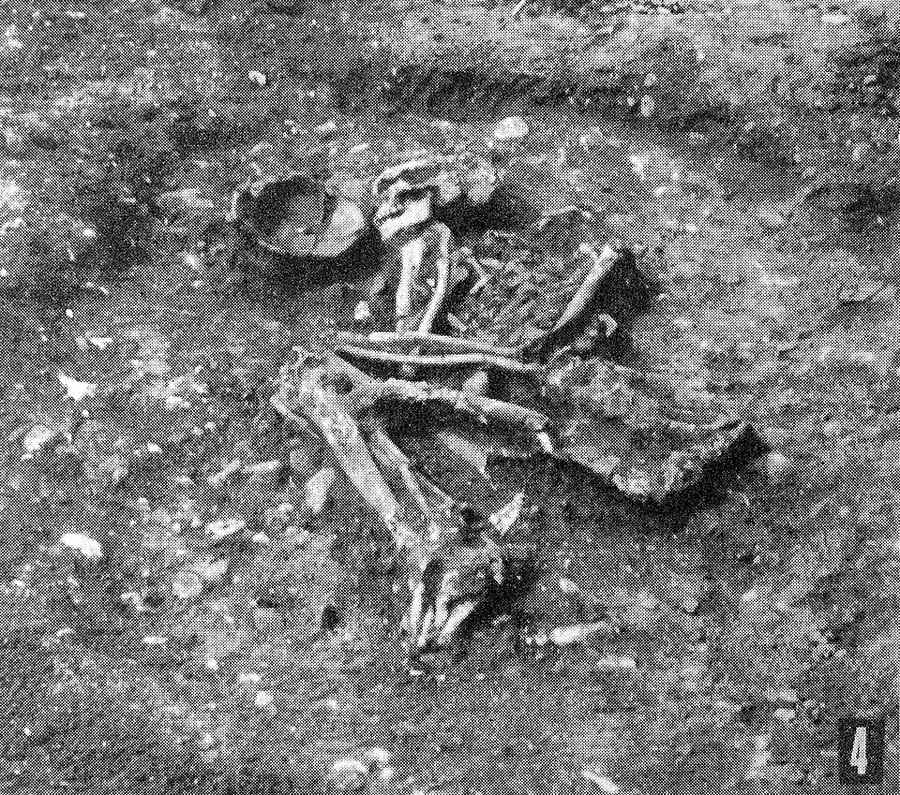
The research team -- led by Inrap, CNRS, and Simon Fraser University -- analyzed bone collagen from 12,281 adults across 40 European countries. Using stable nitrogen isotopes (a marker of animal protein) and carbon isotopes (a marker of plant consumption), they traced dietary habits across ten millennia with remarkable precision.[1]
The Neolithic: The Most Egalitarian Era
Surprisingly, the Neolithic period (-10,000 to -3,000 years) shows the smallest dietary gaps between men and women. The earliest sedentary communities in Europe, still close to hunter-gatherer subsistence modes, shared access to meat and dairy products relatively equally.
The Bronze AgeBronze AgeA protohistoric period following the Neolithic, defined by bronze metallurgy (a copper-tin alloy) and the rise of the first cities and states; in Egypt it corresponds to the age of the first pyramids.→: A Decisive Turning Point
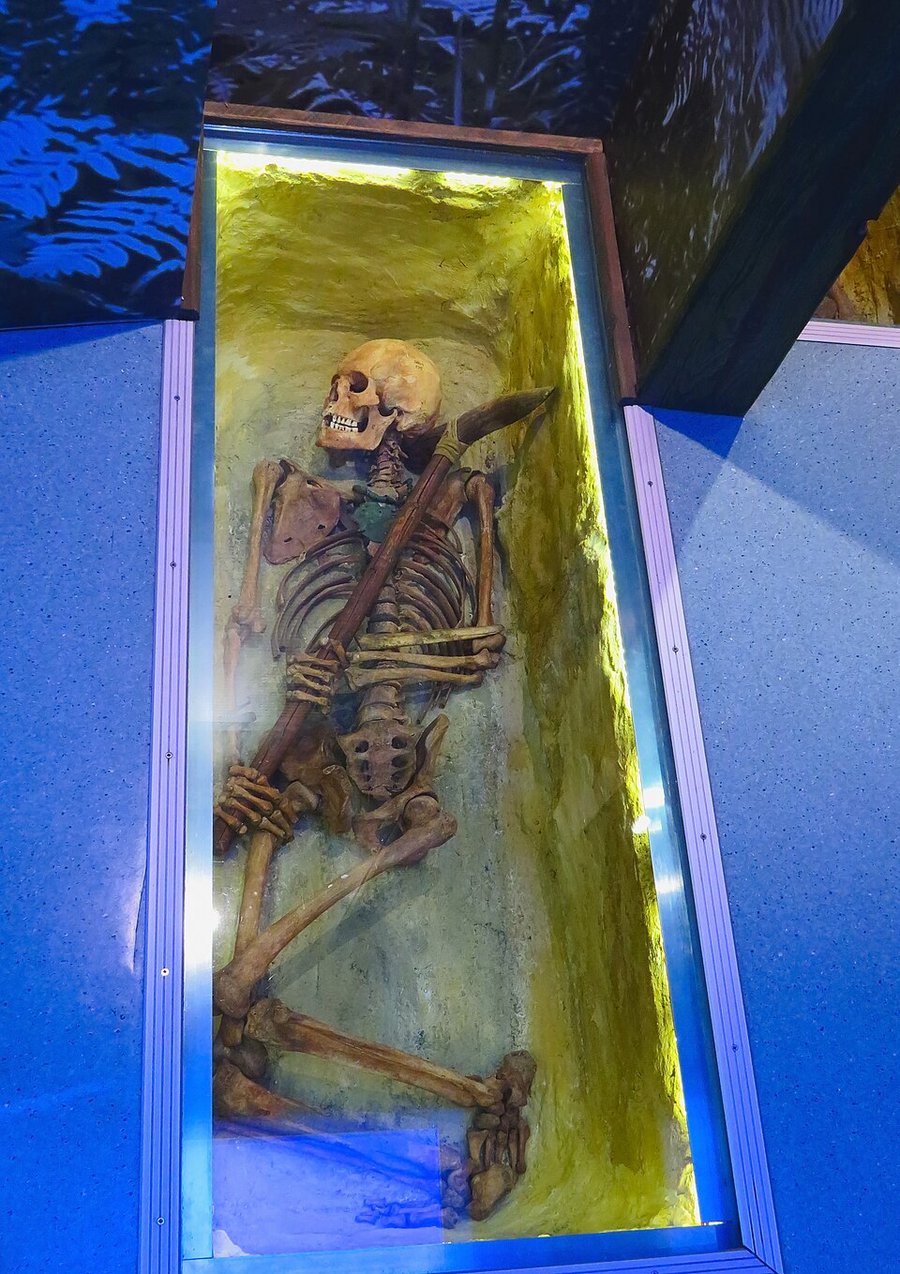
The major rupture occurs during the Bronze Age (-3,000 to -1,000 years), with the introduction of millet into Europe. This cereal transformed socio-economic organization: social hierarchies grew more complex, inequalities deepened. The bones reveal a growing divergence -- men gaining preferential access to meat, game, and animal products, while women were increasingly relegated to plant-based foods.
Inequalities Written in the Bones
What the study reveals goes beyond mere description: the dietary disparities detected cannot be explained by different biological needs, but rather by social and cultural norms. Meat, a symbolically charged resource in many societies, was preferentially allocated to men -- whether in feasts, funerary rites, or everyday life.
This pattern, observed across ten millennia and dozens of different societies, illustrates how gender inequalities can become literally fossilized in bodies. For Inrap researchers, this work opens new perspectives on understanding gender relations in prehistoric and protohistoric societies.
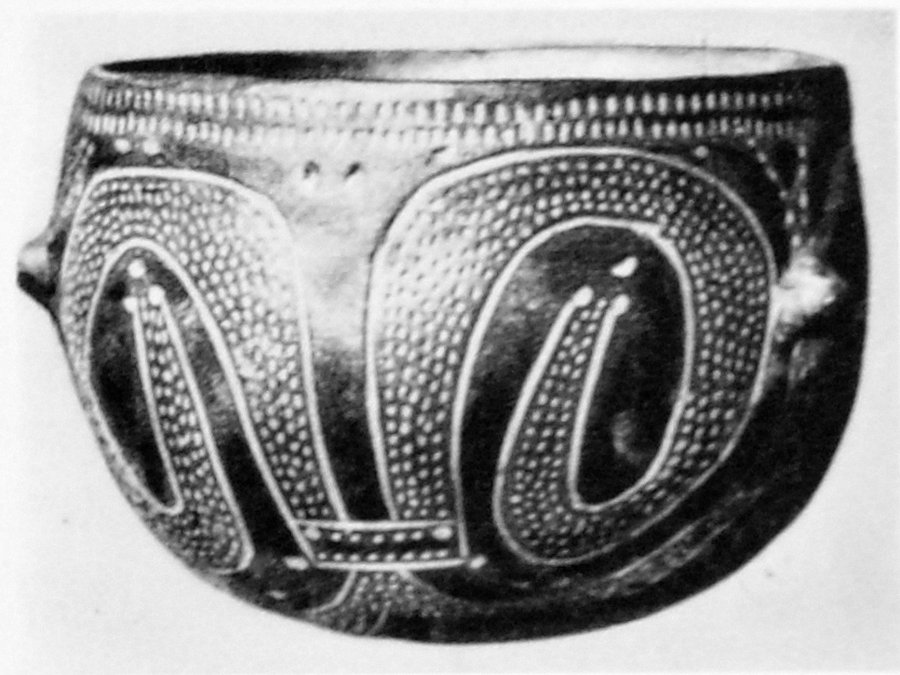
The alimentary distinction between genders thus constitutes one of the oldest inequalities documented by European archaeology -- predating by several millennia the political and economic hierarchies we typically associate with historical societies.
No comments yet. Be the first.