Interproximal grooves etched into homininHomininMember of the subtribe Hominina, comprising the human lineage (Homo, Australopithecus, Paranthropus…) but excluding orangutans and gibbons. The term progressively replaces "hominid" in its narrow sense.→ fossil teeth have long fueled the imagination: our ancestors would clean each other's teeth with twigs, a social behavior signaling behavioral sophistication. A study published in September 2025 in the American Journal of Biological Anthropology now shatters this myth. These grooves appear in species incapable of such social behavior -- they reveal almost nothing about our ancestors' group life.
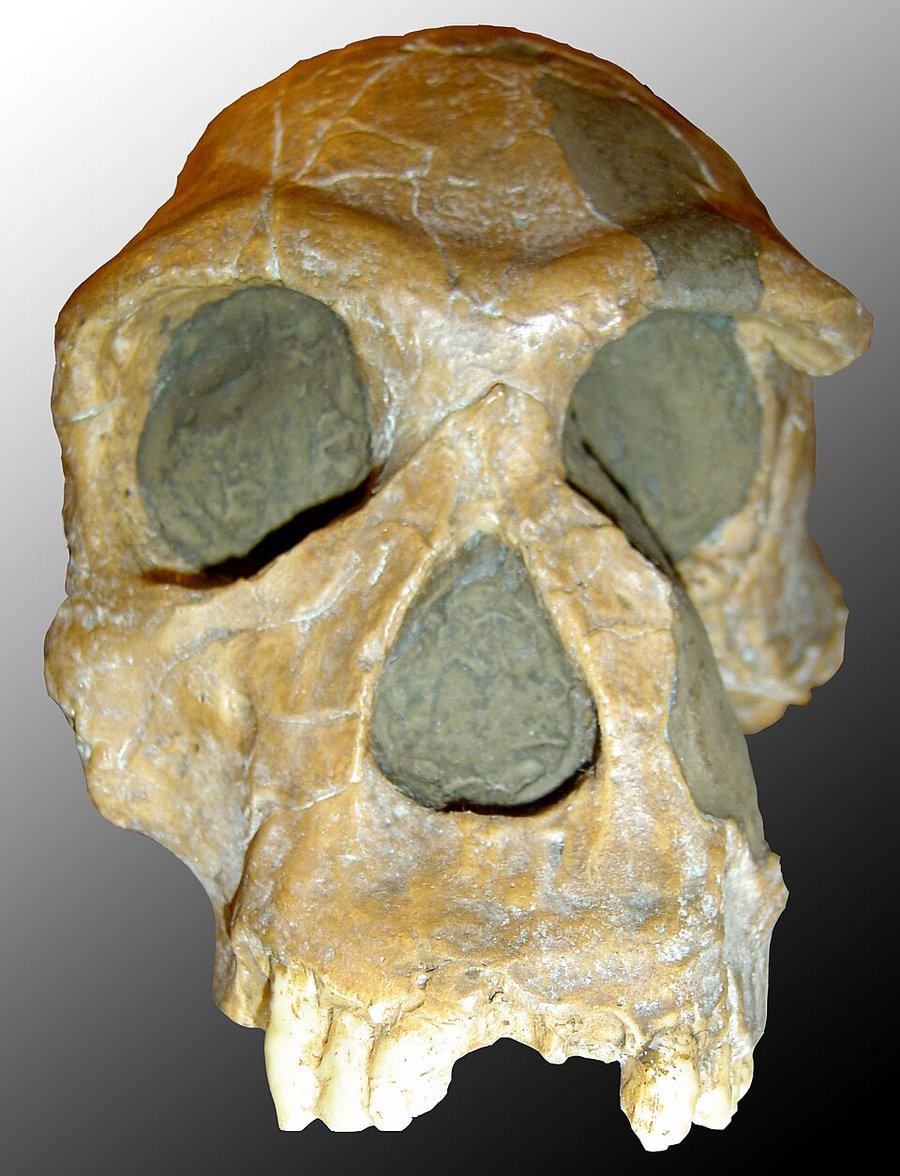
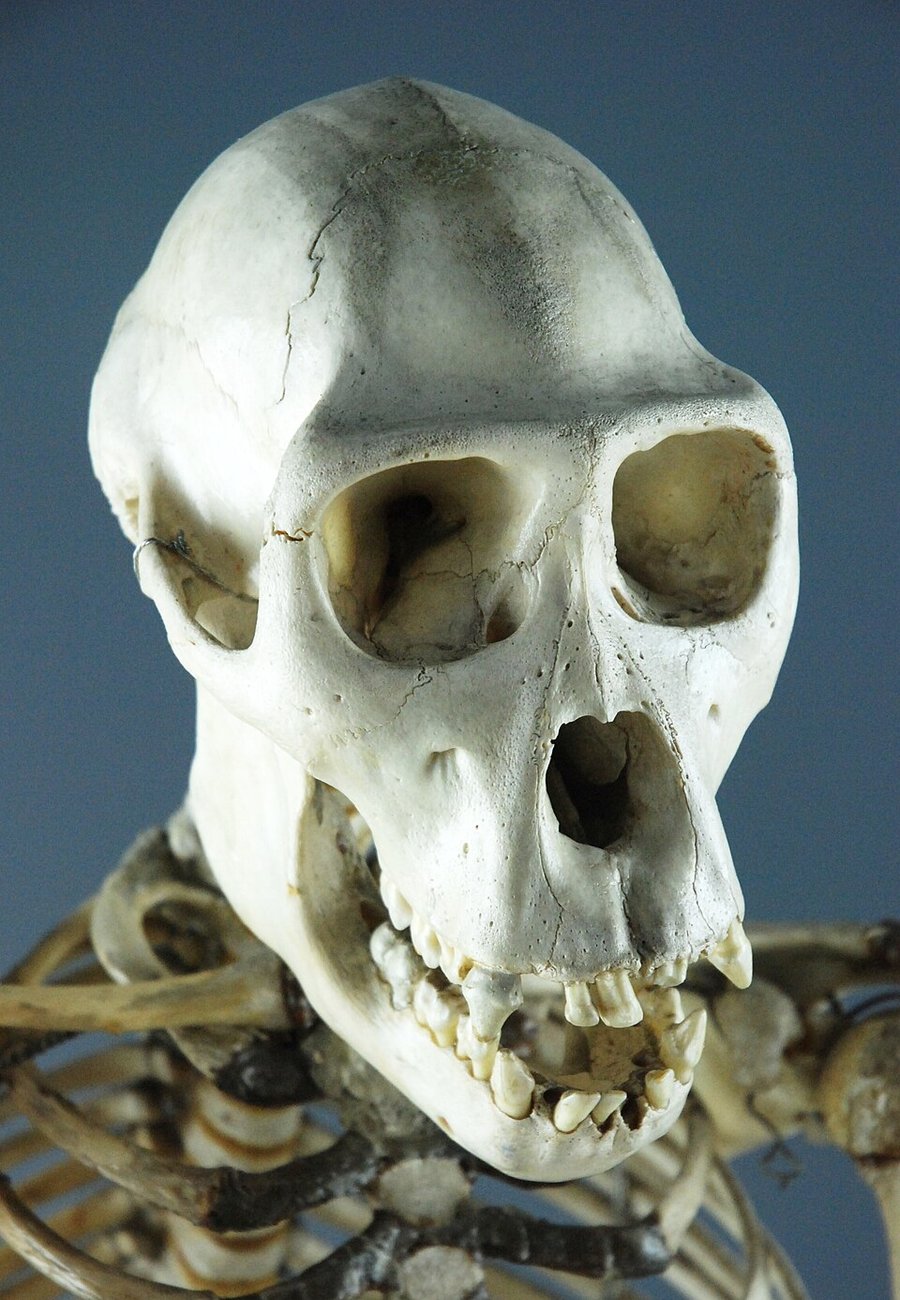
The research team analyzed dental series from more than a dozen genera of fossil and living primates, comparing the presence, morphology, and distribution of interproximal grooves.[1] Their conclusion is unambiguous: these marks appear in gorillas and chimpanzees just as much as in Homo habilis or Neanderthals -- species with radically different social behaviors.
The Problem With Social Interpretation
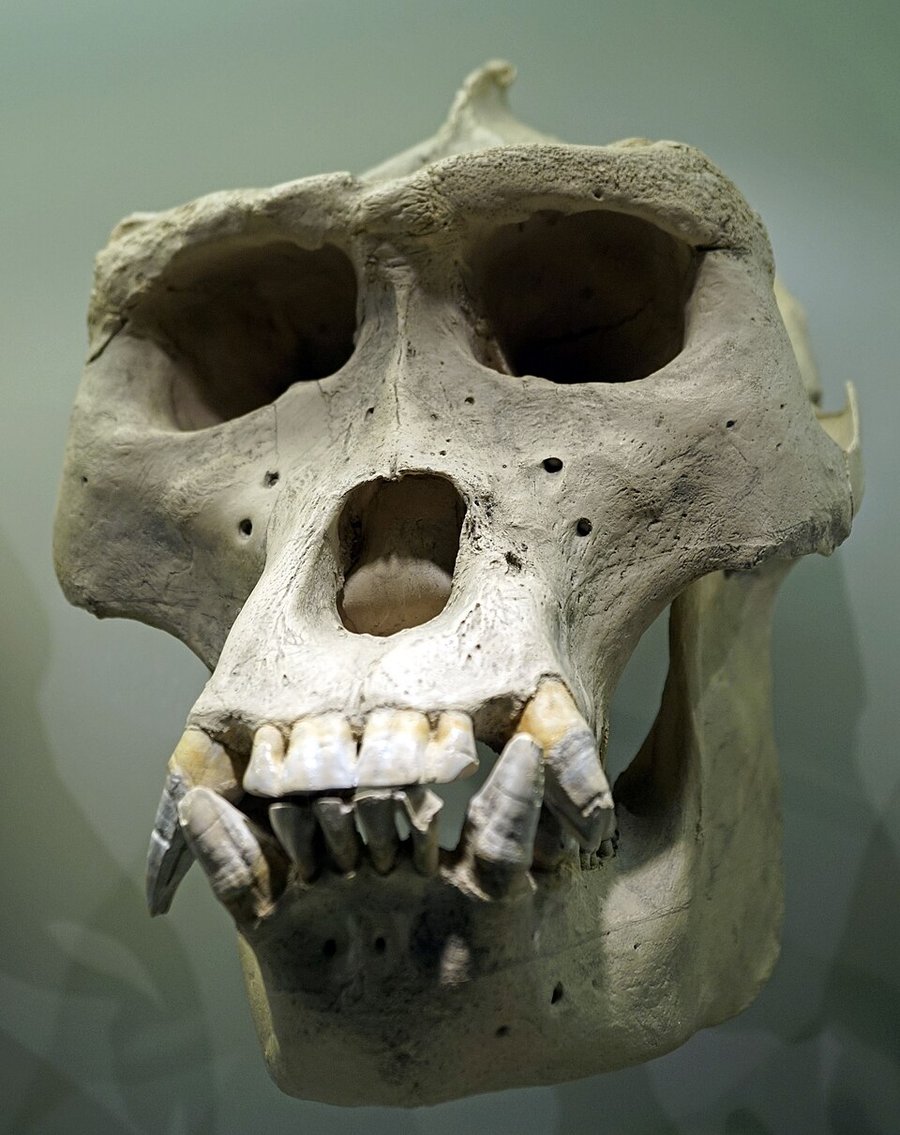
Gorillas do not practice mutual tooth-cleaning. Neither do baboons. Yet their teeth show grooves morphologically identical to those described in hominins and attributed to elaborate social behavior. If interspecific comparison invalidates the link between grooves and social tooth-cleaning, we must look for other mechanisms.
The authors propose several alternative explanations: abrasive diets including seeds or rhizomes, individual and opportunistic use of twigs to relieve dental pain, or simply wear patterns linked to repeated chewing of fibrous foods. None of these causes requires any particular social sophistication.
What These Marks Really TellTellAn artificial mound formed by the accumulation of successive layers of settlement remains at the same spot, typical of the Near East. Each destruction-rebuilding event adds a stratum.→ Us
This is not about denying that some primates -- including hominins -- may have used objects to clean their teeth. Direct observations of living chimpanzees document this behavior, but it is individual and rare. The problem lies in extrapolation: taking an isolated morphological mark on a fossil and inferring a complex, frequent social behavior is methodologically fragile.
The study recalls a fundamental principle of paleoanthropology: a fossilized trace can have multiple causes, and the most exciting one is not always the most probable. Recalibrating our reading of these grooves does not diminish our ancestors -- it simply allows us to better define what can and cannot be deduced from dental morphology alone.
No comments yet. Be the first.