At the site of Kurd Qaburstan, in the Kurdistan region of Iraq near Erbil, a team led by the University of Central Florida (UCF) has uncovered the first substantial group of cuneiformCuneiformThe oldest known writingWritingA system of conventional signs used to fix language or information durably; its appearance (c. 3300 BC) marks, by convention, the end of prehistory.→, born at Uruk; its signs, impressed into clay with a reed stylus, are wedge-shaped (from Latin cuneus).→ tablets ever found in the region, alongside evidence of large-scale destruction, mass graves and citywide fortifications. Together, these discoveries provide one of the clearest archaeological records yet of siege warfare and urban life during the Middle Bronze AgeBronze AgeA protohistoric period following the NeolithicNeolithicThe "New Stone Age": a period marked by farming, herding, settlement and pottery, from around 10,000 BC.→, defined by bronze metallurgyMetallurgyThe techniques of extracting and working metals (copper, bronze, gold); its rise in the Eneolithic and Bronze Age transformed tools, weapons and social hierarchies.→ (a copper-tin alloy) and the rise of the first cities and states; in Egypt it corresponds to the age of the first pyramids.→ in the Near EastNear EastA region of western Asia (Levant, Mesopotamia, Anatolia, Iran), cradle of the Neolithic revolution, agriculture, the first cities and writing.→.1
The project, funded by the U.S. National Science Foundation, is conducted in partnership with the Directorate-General of Antiquities and Heritage in the Kurdistan Region of Iraq. Excavations took place over two summer seasons, in 2024 and 2025.
A lost archive emerges
"Our 2025 research produced clear archaeological evidence linking the site to the siege of Qabra, beginning with the first significant group of cuneiform tablets found on the Erbil Plain," says Tiffany Earley-Spadoni, associate professor of history at UCF and director of the Kurd Qaburstan project. "Several tablets are dated within days of each other, matching the timeline of the city's fall."
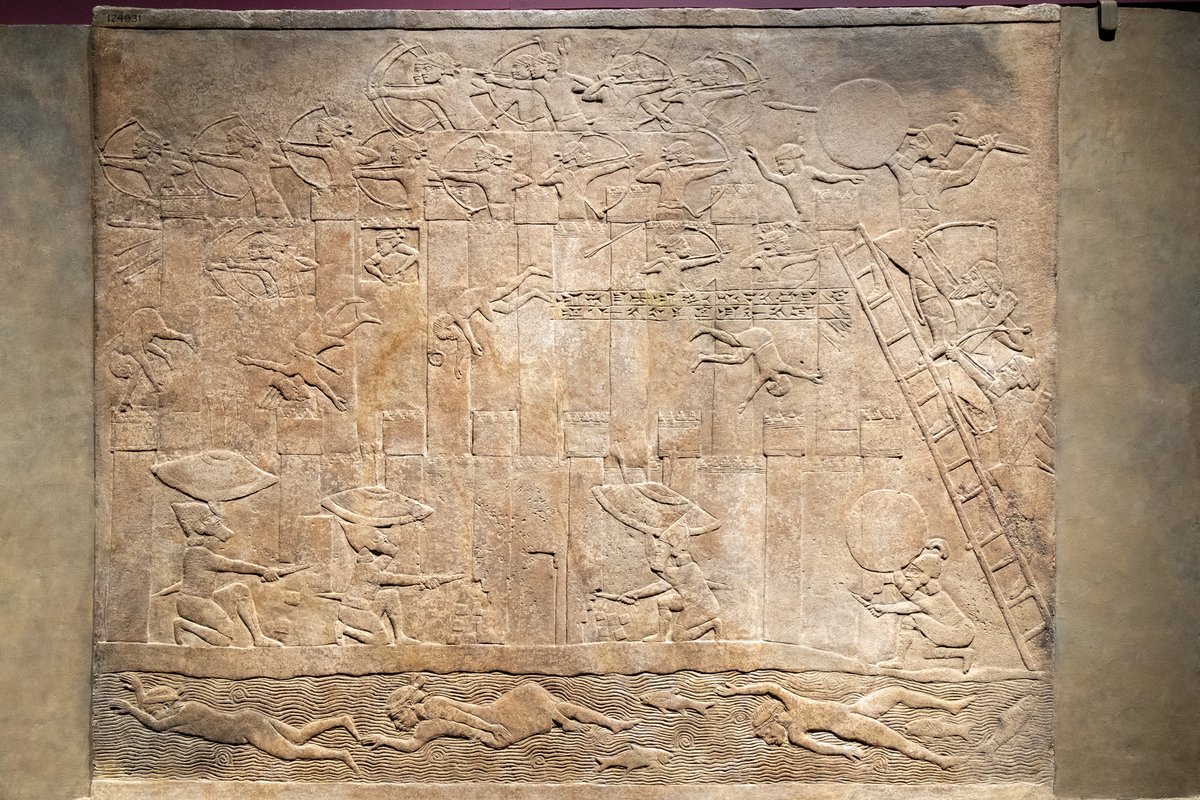
Researchers recovered twenty cuneiform tablets and more than one hundred administrative sealings from destruction layers within the Lower Town East Palace. The texts, studied by epigraphers Paul Delnero (Johns Hopkins University) and Parker Zane (Yale University) along with art historian Marian Feldman (Johns Hopkins University), include palace administrative records and a letter that may reference a high-ranking official connected to Qabra. Some inscriptions may even correspond to the destruction described on the Victory Stele of Dadusha.
Two superimposed destructions
Collapsed structures, burned layers and concentrated debris suggest a coordinated, possibly prolonged assault. "The two superimposed destructions match the historical sequence of the siege of Qabra and its conquest by Shamshi-Adad," Earley-Spadoni says. "The charred debris, the large number of ceramic vessels, and the individuals who met untimely deaths and were buried in the destruction layers, provide the clearest archaeological case of Middle Bronze Age siege warfare yet discovered in northern Mesopotamia."
The human toll of conflict
Within the palace destruction layers, researchers discovered the remains of seventeen individuals, studied by bioarchaeologist Andrea Zurek-Ost at Michigan State University. "The individuals were not formally buried and had no associated grave goods," Earley-Spadoni says. "Some appear to have been left where they died, including possible palace workers. One individual was found face down over a stone basin."
Mapping an ancient city at scale
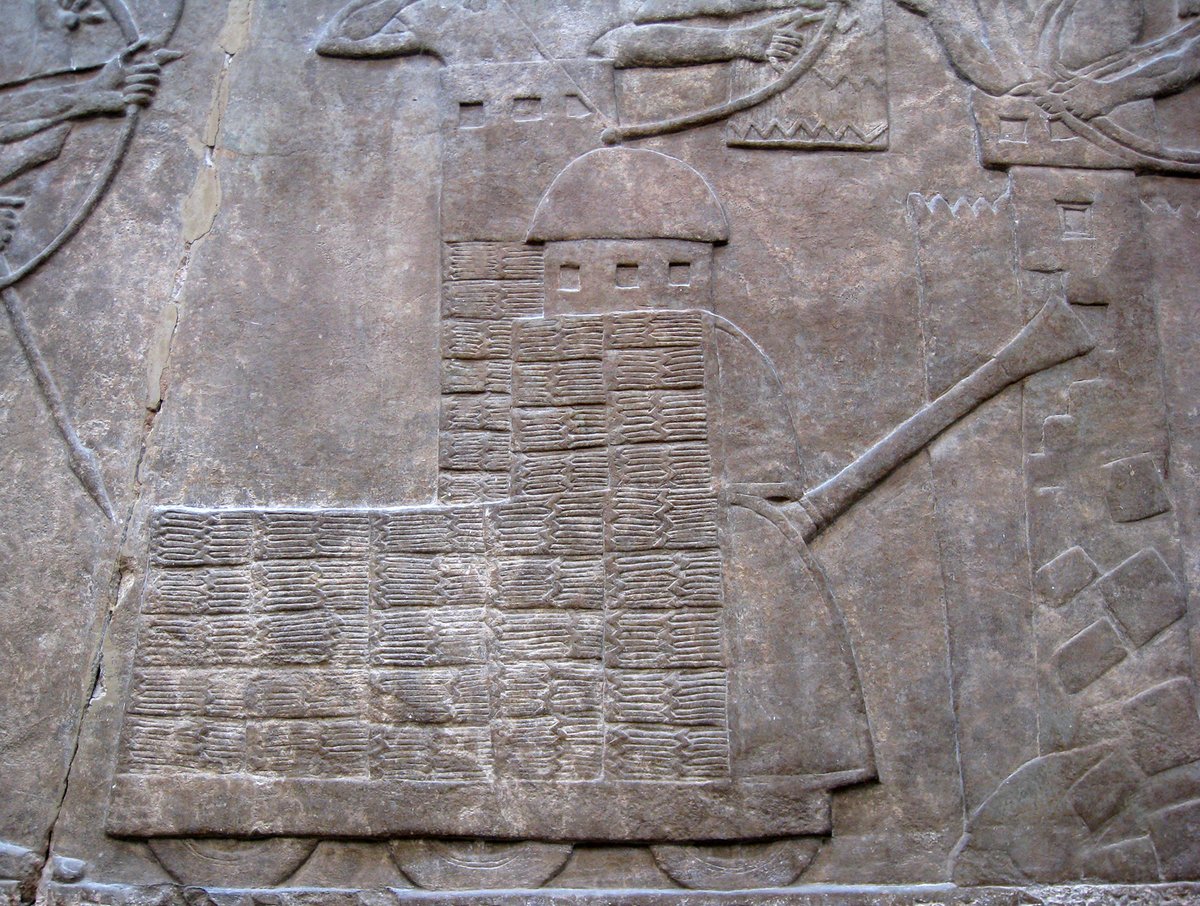
The team also completed a magnetometer survey covering more than 80 hectares, led by Andrew Creekmore III at the University of Northern Colorado. The survey revealed a monumental wall with bastions encircling the site, fortifications that correspond with those depicted on the Victory Stele of Dadusha and support the identification of Kurd Qaburstan as the ancient city of Qabra.
"The evidence from Kurd Qaburstan shows that northern cities could be large, complex, and politically significant, with administrative systems, fortifications, and infrastructure comparable to those of the best-known southern sites."
Rewriting the story of northern Mesopotamia
Mesopotamia is often associated with southern cities like Uruk, long viewed as the centre of early urban civilisation. The discoveries at Kurd Qaburstan help highlight the value of northern cities, building on a decade of prior excavation at the site by Johns Hopkins University. Laboratory work is underway, including isotopic and ancient DNAAncient DNAGenetic material preserved in old remains, often degraded, sequenced with cutting-edge techniques.→ analyses of the seventeen individuals, which will help researchers understand their origins and relationships.
Ce qui me plaît c'est que vous citez vos sources. Je peux vérifier par moi-même.
Je vais citer cet article dans ma bibliographie. C'est exactement la vulgarisation sérieuse dont j'ai besoin.