Some civilisations have been almost erased by history. Tartessos is the most fascinating example in the ancient western world. Born at the edge of the Greek world, beside the Atlantic, at the mouth of the Guadalquivir, it fascinated the ancients as it still fascinates archaeologists today. The 2026 excavation campaign at Casas del Turunuelo, which yielded the first votive bronze chariot in the entire Iberian Peninsula, provides the ideal occasion for a comprehensive overview of this civilisation.
A Civilisation Born at the Edge of the Known World
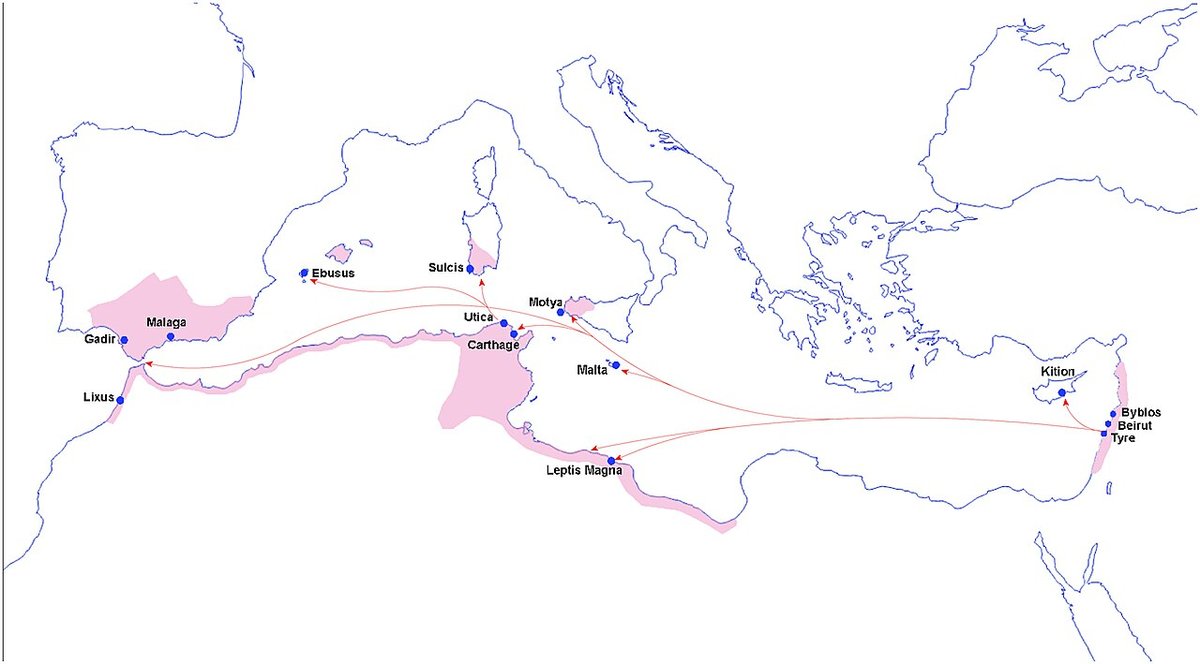
The geography of Tartessos is that of the extreme western Mediterranean. The Guadalquivir -- which the Greeks called Tartessos -- flows into the Atlantic after crossing modern Andalusia. It is here that the Phoenicians of Tyre established their first Iberian trading posts in the 10th-9th century BCE, drawn by metals: silver from Huelva, copper from Rio Tinto, tin from south-western deposits. Gadir (modern Cadiz) was their bridgehead at the end of the world.
Tartessian civilisation developed between the 9th and 5th centuries BCE within a radius of about 200 km around the mouth of the Guadalquivir. It mastered bronze metallurgyMetallurgyThe techniques of extracting and working metals (copper, bronze, gold); its rise in the Eneolithic and Bronze Age transformed tools, weapons and social hierarchies.→ and began working iron. It produced works of remarkable sophistication, such as the Carambolo Treasure -- 21 pieces of solid gold discovered in Seville in 1958 -- and decorative steles that adorned the necropolises of the hinterland.
The Greek Sources: Myth or Reality?
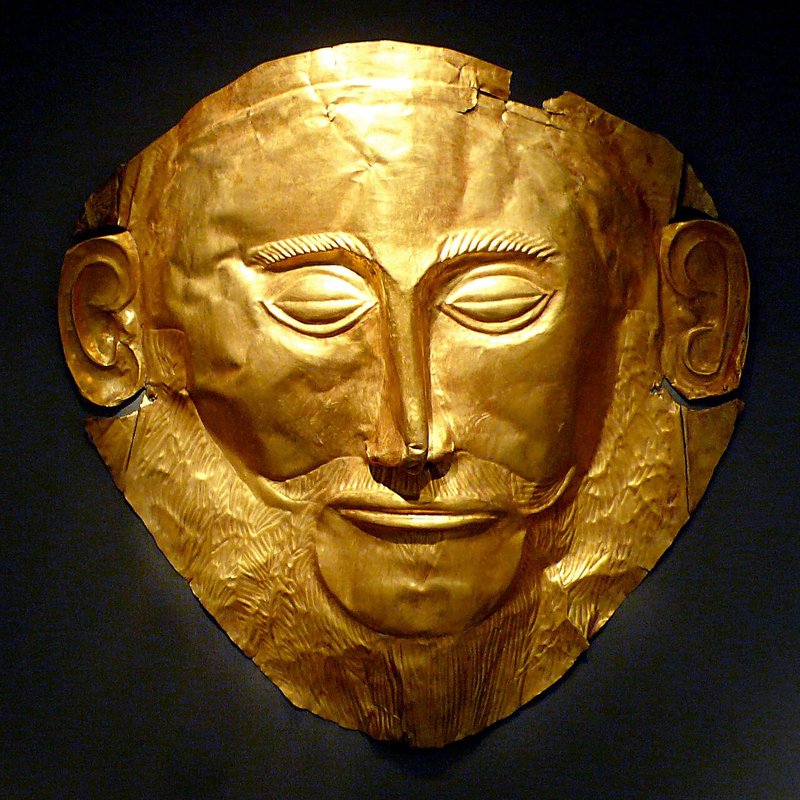
Herodotus cites Tartessos in the account of the Phocaean explorer Colaios (7th century BCE), who reportedly pushed beyond the Pillars of Hercules. King Arganthonius had reigned so long that the Greeks had turned him into a quasi-myth. Strabo placed Tartessos at the location of a now-submerged island -- fuelling speculation about a link with Plato's Atlantis, entirely without archaeological foundation.
Casas del Turunuelo: The Excavation That Changes Everything
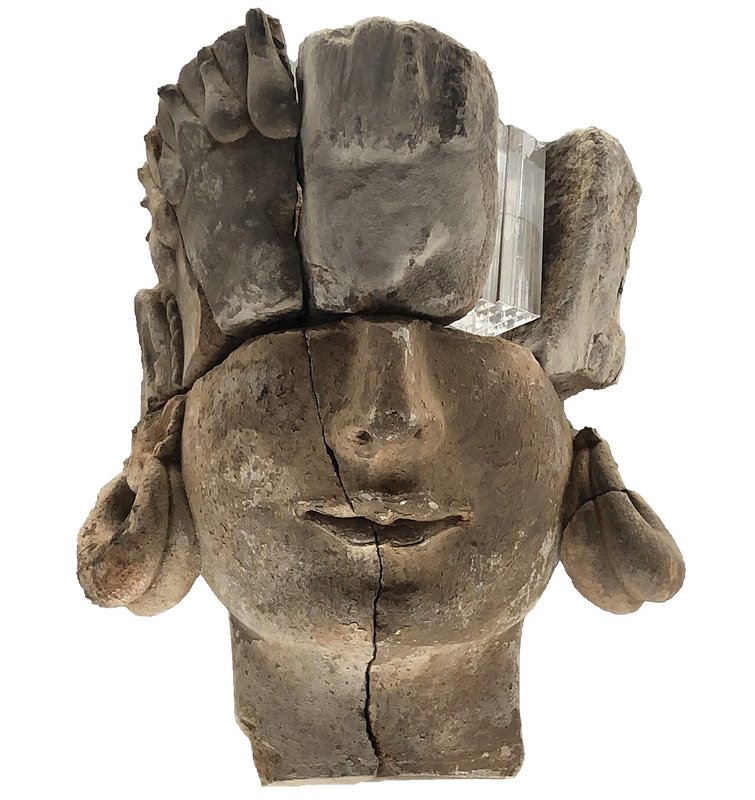
The site of Casas del Turunuelo, excavated since 2015 by a CSIC team under Sebastian Celestino and Esther Rodriguez, is rewriting our knowledge of Tartessian architecture and rituals. The uncovered building is massive: a two-storey structure of approximately 2,500 m2, built in adobe, organised around a central courtyard. Its abandonment around 500 BCE appears to have been ritual: excavators found mass animal sacrifices, metallic and ceramic offerings deposited in a precise order, and then the building was hermetically sealed and covered with earth.
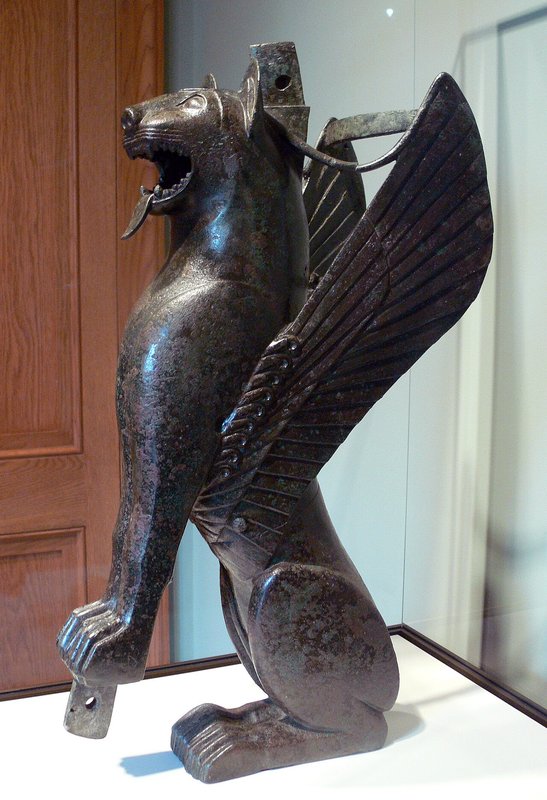
The discovery in June 2026 of a votive bronze chariot decorated with Achelous and griffins confirms that this building was a high-ranking ritual site linked to the Tartessian aristocracy. Tartessos vanished from sources and excavations around 500 BCE with troubling abruptness. The hypotheses are numerous: natural catastrophe, Carthaginian invasion after the Battle of Alalia (535 BCE), collapse of Phoenician trade networks, or gradual cultural transformation. The ritual closure of Casas del Turunuelo suggests a voluntary and ordered abandonment, not violent destruction. But by whom, and why? Each excavation season adds new elements without closing the mystery.
No comments yet. Be the first.