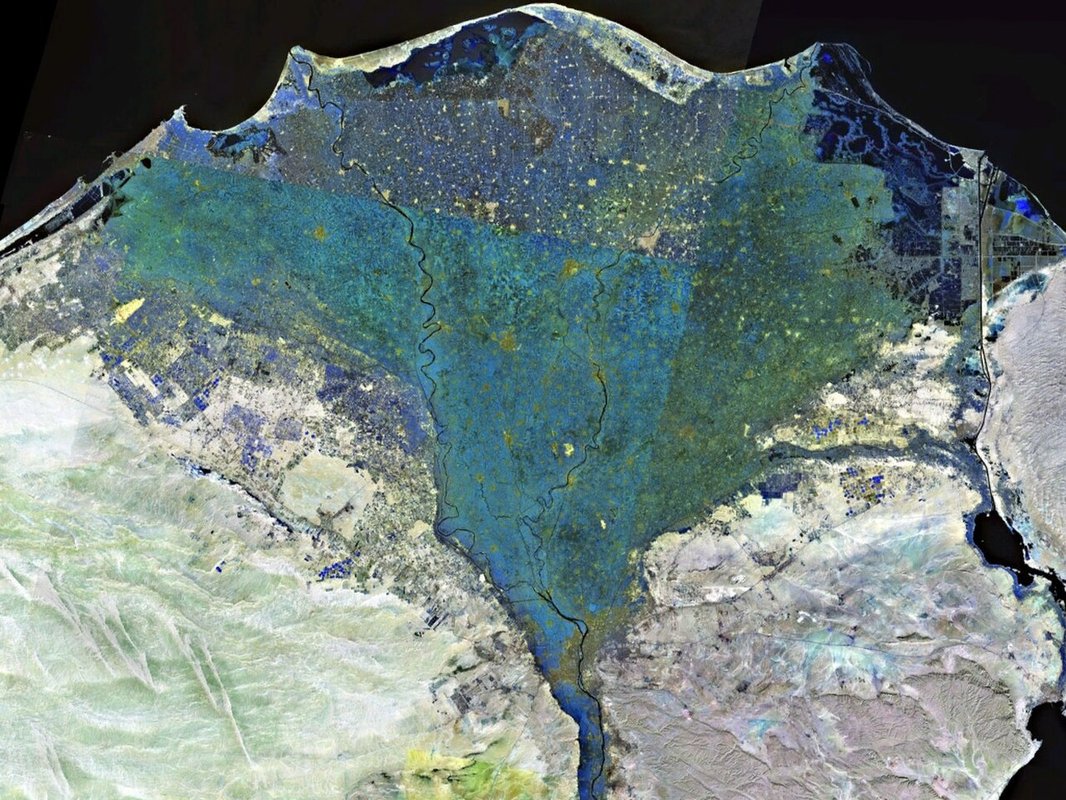
At TellTellAn artificial mound formed by the accumulation of successive layers of settlement remains at the same spot, typical of the Near East. Each destruction-rebuilding event adds a stratum.→ Kom Aziza, in the Beheira governorate at the heart of the Nile Delta, an Egyptian archaeological mission uncovered in June 2026 a cemetery of exceptional diversity — a testament to seven centuries of cultural syncretism between Greek, Roman and Egyptian funerary traditions. The excavation reveals a society that did not choose between its heritages, but layered, hybridised and reinvented them.
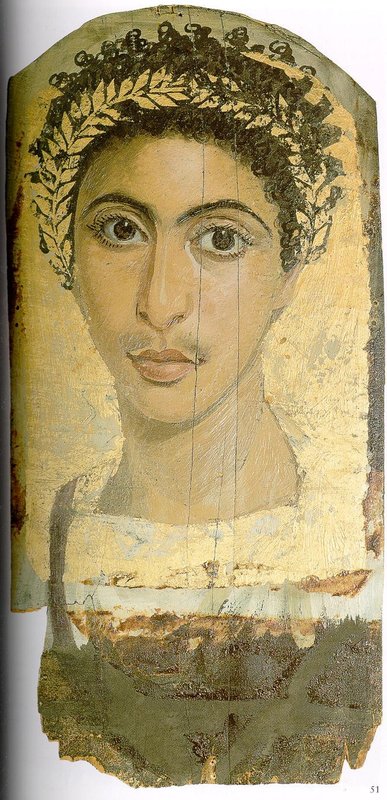
The site spans the period from 332 BCE — Alexander the Great's conquest — to 395 CE, the end of the Western Roman Empire. Over this duration, the dead were buried according to radically different practices: simple earthen graves, mud-brick sarcophagi, barrel-shaped pottery coffins, and plaster coffins painted with the likeness of the deceased. Some bodies are in an Osirian pose, arms crossed over the chest; others lie with hands along the sides or folded over the abdomen, following local or family customs yet to be fully understood.
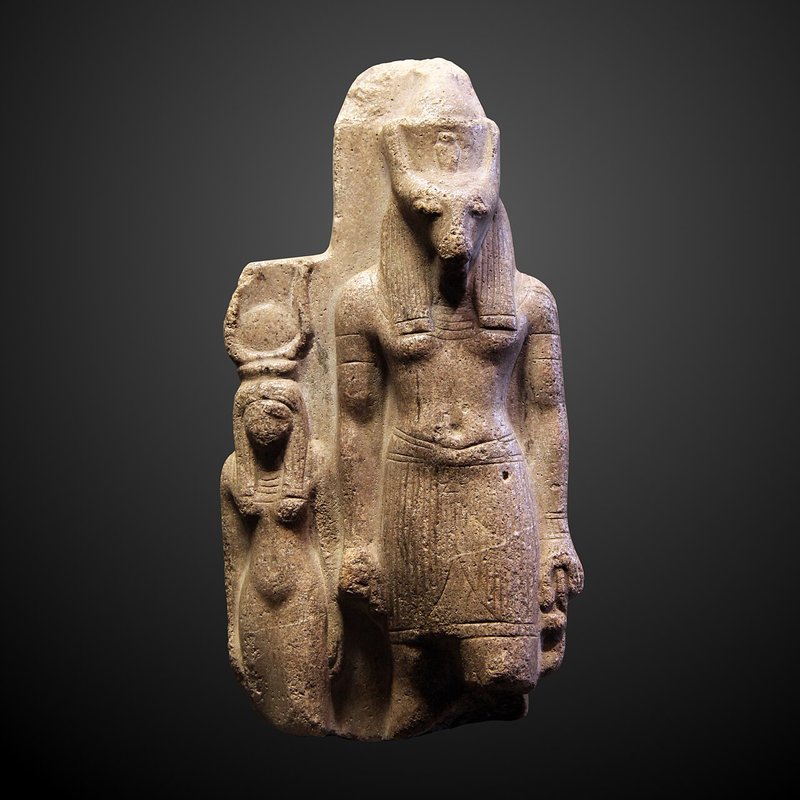
The most spectacular discovery of this season is undoubtedly the complete skeletons of wild boars (Sus scrofa) found in funerary contexts. Such deposits are extremely rare in Egypt: the boar is associated in Egyptian mythology with the god Seth, the murderer of Osiris, and generally regarded as a malevolent animal. Finding it buried — not merely hunted or consumed — in a Ptolemaic-Roman cemetery raises fascinating questions. Is this a local cult devoted to Seth, a rite of symbolic neutralisation, or a custom imported by foreign populations settled in the Delta?
The Nile Delta was indeed, in Ptolemaic and Roman times, a crucible of peoples. Greeks, Romans, Jews, Phoenicians and native Egyptians coexisted, traded, intermarried and, ultimately, died side by side. The cemetery of Tell Kom Aziza is a perfect illustration: the dead do not all share the same rites, but they share the same ground.
The barrel-shaped pottery coffins constitute another curiosity of the site. This type of funerary container, known in the Greco-Roman world as pithoi, is attested in several regions of the eastern Mediterranean but remains very rare in Egypt. Their presence at Tell Kom Aziza suggests links with funerary practices from the Greek islands or the Levantine coast. Excavations will continue in future seasons, with the hope of identifying the buried individuals through ancient DNAAncient DNAFragments of DNA preserved in old remains (bones, sediment); their sequencing identifies species and traces vanished lineages.→ analysis and stable isotope studies.
No comments yet. Be the first.