The Upper PleistocenePleistoceneThe geological epoch of the great ice ages (c. 2.6 Ma–11,700 BP), spanning most of human prehistory.→, spanning roughly from 130,000 to 11,700 years ago, constitutes one of the most fascinating chapters in the history of humanity. It is the period during which two distinct human lineages coexisted on the same continent, met, perhaps exchanged objects and knowledge, reproduced together, and of which one ultimately disappeared. On one side, the NeanderthalsNeanderthalsA fossil humanity of Eurasia, robust and cold-adapted, extinct around 40,000 years before present.→, present in Europe and western Asia for more than 200,000 years. On the other, Homo sapiensHomo sapiensThe present-day human species, which emerged in Africa around 300,000 years ago, the only surviving human lineage after the extinction of Neanderthals and Denisovans.→, who left AfricaAfricaThe cradle of humankind: the continent where the first hominins appeared, then Homo sapiens around 300,000 years ago, before the expansion to the rest of the world.→ between 70,000 and 100,000 years ago according to current estimates. Between 130,000 and 40,000 years ago, their world was shifting towards behavioural modernity: the first identified burials, personal ornaments, the use of pigments, and the beginnings of what would become parietal art. This dossier traces this extraordinary encounter in the light of paleoanthropological, genetic and archaeological discoveries from the past two decades.
The geological and climatic setting: a world in oscillation
The Upper Pleistocene is a geological period marked by profound climatic alternations. Marine Isotope Stage 5 (between approximately 130,000 and 74,000 years ago) corresponds to a relatively warm phase -- the Riss-Würm or Eemian interglacial -- during which European temperatures were comparable to today's or slightly higher. Deciduous forests covered much of the continent. Then came Stage 4 (74,000 to 59,000 years ago), a marked glaciation that saw the polar ice caps expand and European landscapes transform into peripheral steppes and tundras.1
It was within this context of repeated climatic instability that Neanderthals developed their biological and cultural adaptations. Cold periods acted as intense selective pressures, favouring robust morphologies and collective survival strategies. Oscillations between warm and cold phases also fragmented and reconnected populations, altering contact between groups and shaping the species' genetic diversity. Palaeoclimatic data drawn from Greenland and Antarctic ice cores show that the Upper Pleistocene experienced at least ten major climatic oscillations within this single time window of 130,000 to 40,000 years ago.2
Neanderthals: the anatomy of a homininHomininMember of the subtribe Hominina, comprising the human lineage (Homo, Australopithecus, Paranthropus…) but excluding orangutans and gibbons. The term progressively replaces "hominid" in its narrow sense.→ shaped by cold
Neanderthals (Homo neanderthalensis) are the best-documented humans of prehistoryPrehistoryThe span of human history before the invention of writing, from the Palaeolithic to the Metal Ages, known mainly through material remains.→. Hundreds of fossils have been uncovered since the discovery of the specimen from the Neander Valley in Germany in 1856, covering all of Europe and western Asia as far as Uzbekistan and Iraq. Their morphology is highly distinctive and reflects a strong adaptation to cold, open environments.
The Neanderthal skull is recognisable by its prominent brow ridges (supraorbital torus), its occipital bun (chignon), the forward projection of the face (facial prognathism) and the absence of a chin. Cranial capacity, ranging from 1,200 to 1,750 cm3, is comparable to that of modern humans, or even slightly larger on average. The body is robust, with short, thick limbs, a wide rib cage and well-developed musculature: all characteristics that minimise heat loss according to Bergmann's rule and Allen's rule, well-documented in the biology of animal populations living in cold environments.3
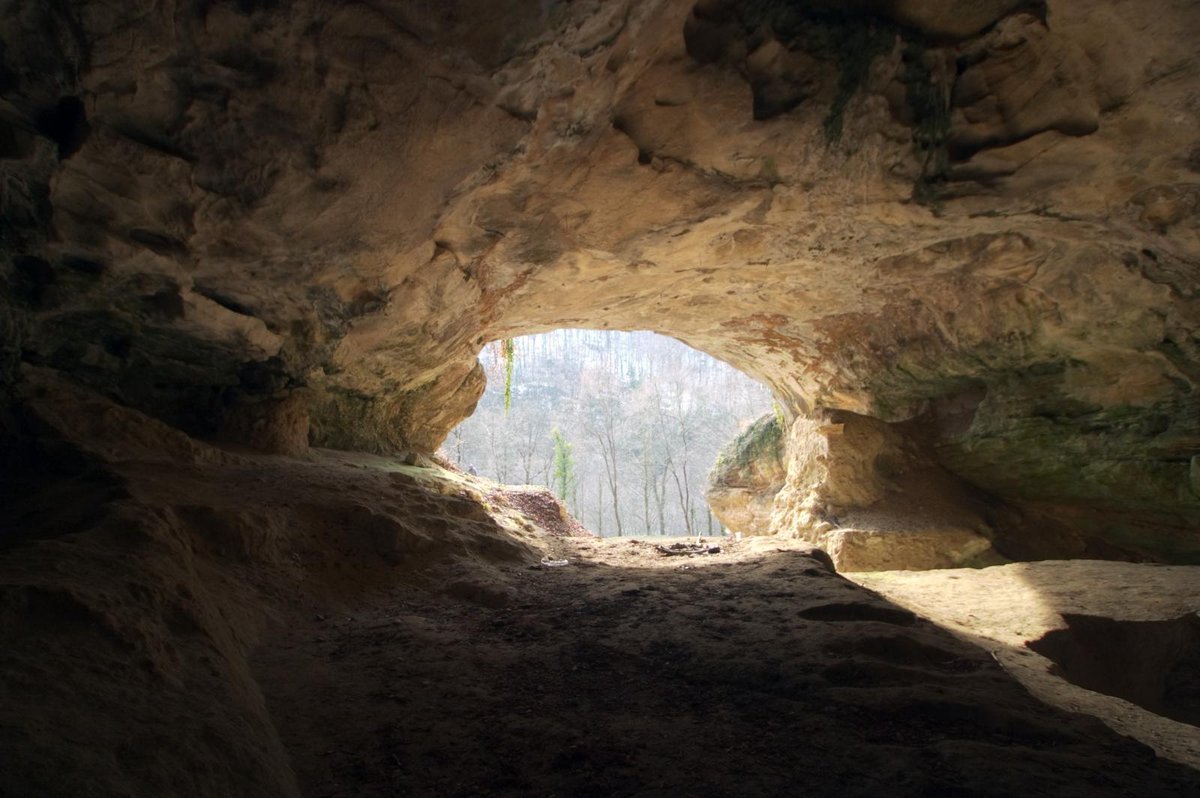
Their diet, reconstructed from isotopic analyses of nitrogen and carbon in fossil bones, indicates a strongly carnivorous diet, placing Neanderthals at the top of the food chain alongside the great Pleistocene carnivores. Sites such as La Ferrassie (Dordogne) and Spy (Belgium) have yielded bone remains of aurochs, bison, horses, reindeer and woolly rhinoceroses associated with MousterianMousterianThe stone-tool industry typical of Neanderthals, based on the Levallois flaking technique.→ tools, testifying to active hunting of large game. Dental calculus analyses conducted at El Sidrón (Spain) have even revealed traces of plants, fungi and potentially medicinal plants, suggesting a more varied diet than was initially thought.4
Mousterian culture: far more than a simple toolkit
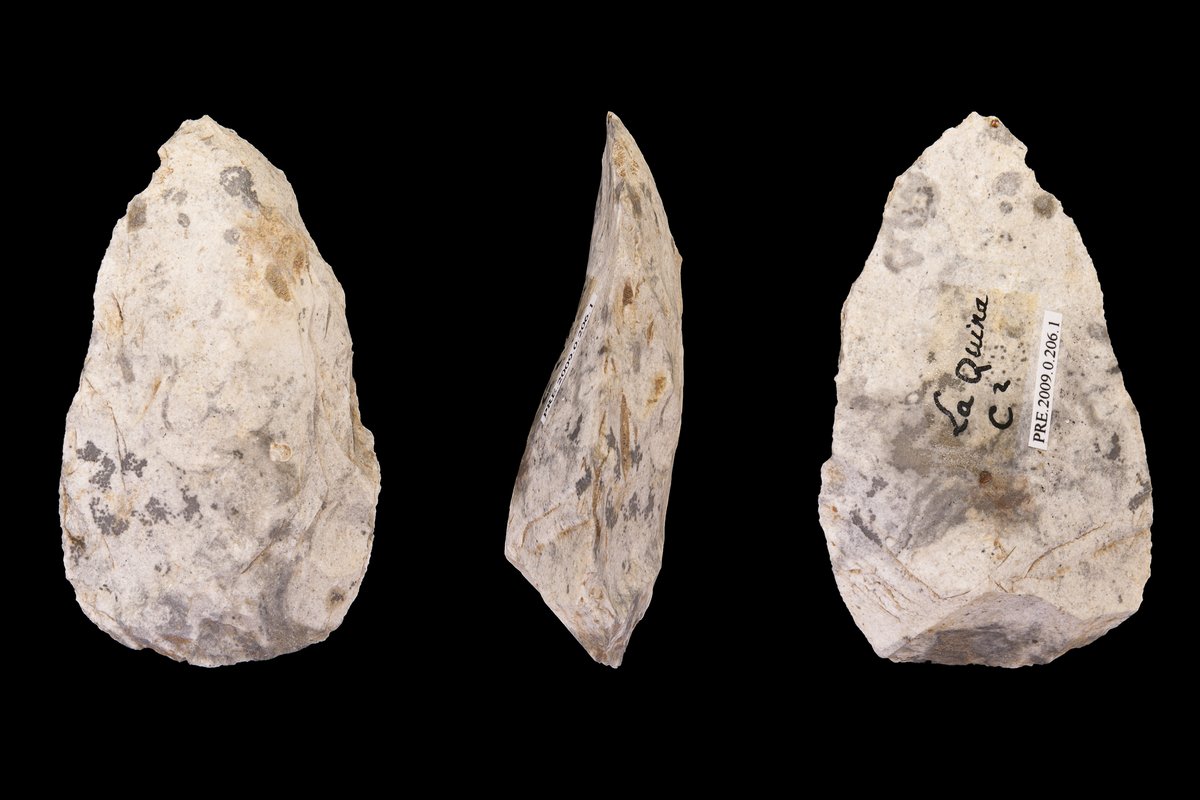
The material culture associated with Neanderthals, the Mousterian (between 300,000 and 30,000 years ago), is characterised by the Levallois techniqueLevallois techniqueA Middle Palaeolithic flint-knapping method: a core is prepared so a flake of predetermined shape can be struck off in one blow; a hallmark of Neanderthal skill.→: a knappingknappingThe set of operations for fracturing a stone block to extract flakes or blades.→ method enabling the production of predetermined flakes of standardised shape and size from a carefully prepared core. This technique represents a considerable cognitive leap over earlier AcheuleanAcheuleanLower Palaeolithic technical culture characterised by hand axes, present across three continents.→ industries, as it requires planning several steps in advance and mentally imagining the final form of the tool before beginning knapping. Levallois tools are found throughout the entire range of Neanderthals, from the Atlantic to Central Asia.
The Mousterian encompasses a range of functionally diverse tools: scrapers for processing hides, denticulates for working wood, Mousterian points used as spear tips, and natural-backed knives. Microscopic use-wearuse-wearMicro-traces left on a tool by its use, studied through use-wear analysis to reconstruct its function.→ traces analysed on these tools reveal differentiated allocation according to tasks. The question of regional variability within the Mousterian has long been debated: François Bordes proposed distinct "cultures", Binford saw functional adaptations to different activities. Modern statistical analyses favour a complex intermediate reality.
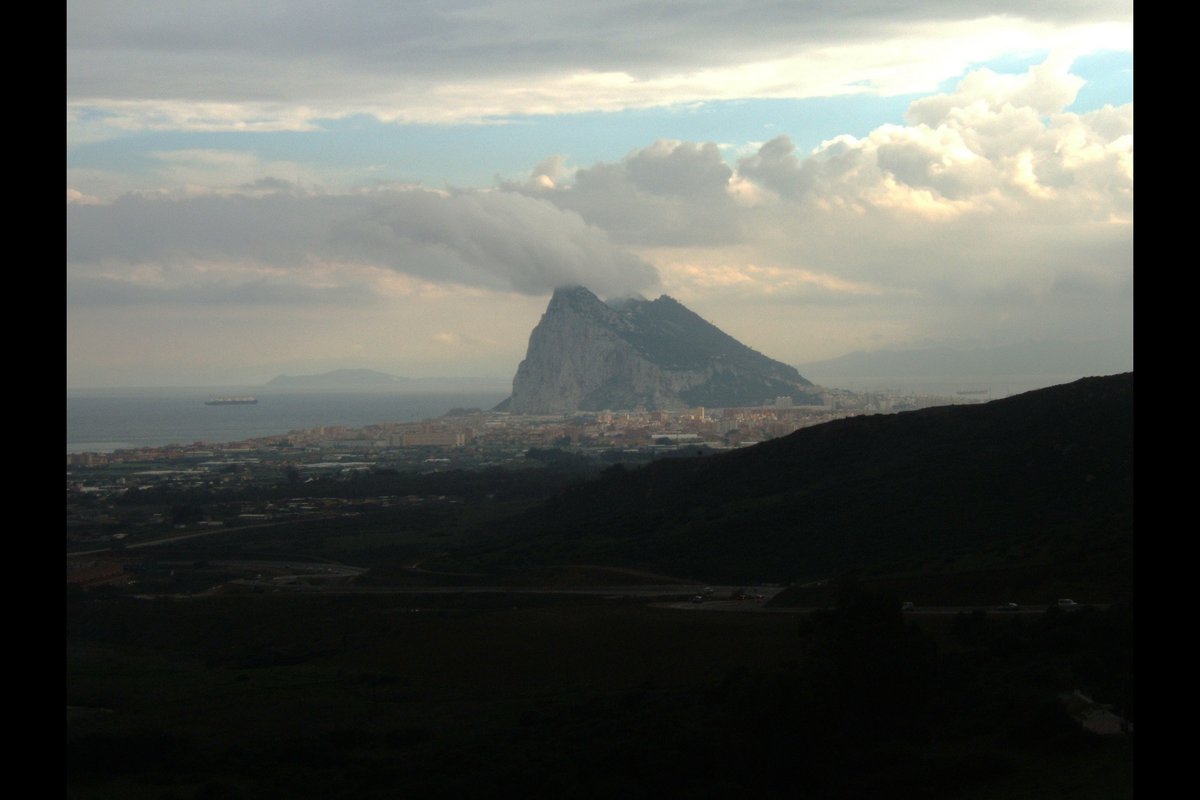
Beyond stone, Neanderthals also worked organic materials. Bone smoothers produced using a manufacturing technique implying precise knowledge of the mechanical properties of bone have been identified at ChâtelperronianChâtelperronianA transitional material culture (c. 45,000-40,000 years ago) straddling the Middle and Upper Palaeolithic in France and northern Spain; curved-backed knives and, at the Grotte du Renne at Arcy, ornaments and bone tools attributed to Neanderthals.→ sites (the Mousterian/Upper PalaeolithicUpper PalaeolithicThe final phase of the Palaeolithic (c. 45,000 to 10,000 years ago), marked by Homo sapiens in Europe, art, ornaments and a succession of cultures (Aurignacian, Gravettian, Solutrean, Magdalenian).→ transition). Bird-of-prey feathers found at sites such as Fumane in Italy and Gorham's Cave in Gibraltar were probably used as ornamental elements, suggesting an aesthetic or symbolic sense.5
Neanderthal burials: between ritual and taphonomy
One of the most debated questions in paleoanthropology concerns the existence of deliberate burials among Neanderthals. Since the discovery of the La Chapelle-aux-Saints skeleton in 1908, followed by the skeletons of La Ferrassie (at least 8 individuals in pits between 1909 and 1973), Shanidar (Iraq, 9 individuals, Solecki excavations from 1951) and around twenty other sites, the hypothesis that Neanderthals deliberately buried their dead was long accepted within the scientific community.
The taphonomic revision initiated since the 1980s (Gargett 1989, Dibble et al. 2015) introduced doubt. For each of the classically cited sites, natural processes can potentially explain the accumulation of bones: ceiling collapse, accumulation by carnivores, sedimentary flows. However, several elements resist taphonomic critique. At La Ferrassie, the disposition of eight individuals of different ages in a restricted space, some in flexed positions, exceeds what random processes could statistically produce. At Shanidar, while Solecki's "floral" interpretation is largely rejected, the pollen concentration remains partially unexplained.6
The most recent synthesis, published in the Journal of Human Evolution by Rendu et al. (2014), concludes that La Chapelle-aux-Saints constitutes a genuine intentional burialBurialThe intentional deposition of a body, sometimes with offerings; a marker of symbolic behaviour.→, following exhaustive taphonomic analysis over several decades of planned excavations. The pit in which the skeleton rests is artificial, its dimensions correspond exactly to those of the body, and the sedimentary fill is distinct from the surrounding layer. These criteria cannot be explained by natural geological or biological processes. The hypothesis of deliberate burial among at least some Neanderthals is therefore today considered scientifically robust, even if not all documented occurrences satisfy the same rigour criteria.
Homo sapiens leaves Africa
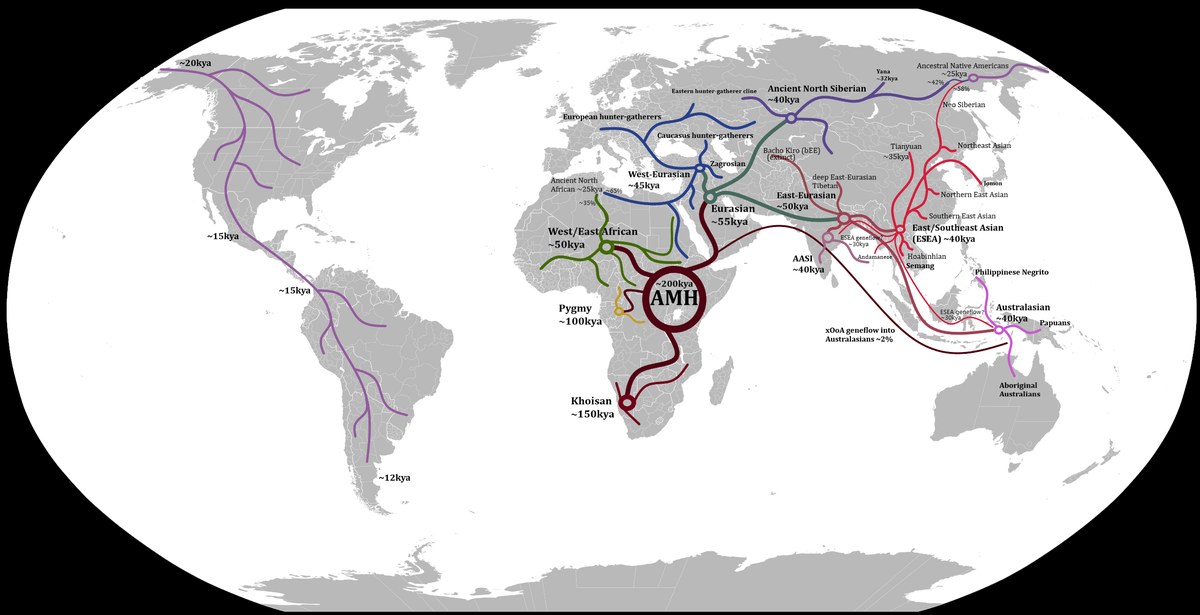
The reconstruction of the origin and dispersal of Homo sapiens experienced a revolution in the 2010s and 2020s, fuelled by the multiplication of genetic data and new dating of African fossils. The discovery and redating of the Jebel Irhoud site in Morocco (Hublin et al., Nature, 2017) pushed the age of the oldest anatomically modern Homo sapiens fossils back to approximately 315,000 years, with a margin of uncertainty. These Moroccan specimens show a mosaic of modern characteristics (flattened face, reduced brow ridges) and archaicArchaicRefers to an ancient, now-extinct human population or form (Neanderthals, Denisovans, ghost lineages), as opposed to anatomically modern humans.→ ones (elongated neurocranium), confirming that anatomical "modernisation" was a gradual process distributed geographically across the African continent.7
The question of exits from Africa is complex. There is evidence of early Homo sapiens presence outside Africa before 100,000 years ago: the sites of Skhul and QafzehQafzehA cave in Lower Galilee (Israel) yielding Homo sapiens and some of the oldest known burials outside Africa.→ in the LevantLevantA region of the eastern Mediterranean Near East (Israel, Lebanon, Syria, Jordan), a major crossroads of the first human migrations out of Africa.→ (Israel) have yielded fossils dated between 120,000 and 90,000 years ago. But these early populations seem to have become extinct or been pushed back by Neanderthals during the climatic cooling of Stage 4 (approximately 74,000 to 60,000 years ago). The "true" worldwide dispersal of Homo sapiens, from which all living non-African humans descend, is generally dated between 70,000 and 50,000 years ago, coinciding with Marine Isotope Stage 3 (a relatively milder period) and the appearance of well-documented modern behaviours in the archaeological record.8
Dispersal routes are multiple and still debated. A "northern" route via the Near EastNear EastA region of western Asia (Levant, Mesopotamia, Anatolia, Iran), cradle of the Neolithic revolution, agriculture, the first cities and writing.→ towards Europe and Central Asia, and a "southern" route via the Bab-el-Mandeb strait towards South Asia and Australia, are the two main hypotheses. Current genetic data suggest these routes are not mutually exclusive and that several migration waves contributed to global settlement. The sequencing of ancient genomes from European and Asian individuals dated between 45,000 and 30,000 years ago (Ust'-Ishim, Kostenki, Oase, Tianyuan) reveals a complex phylogeography with populations that split, mixed and sometimes disappeared without leaving modern descendants.9
Coexistence: two humanities face to face
Between 130,000 and 40,000 years ago, Neanderthals and Homo sapiens shared certain geographical spaces for millennia. The Levant is the region where this coexistence is best documented. The sites of Skhul and Qafzeh (sapiens, 130,000 to 90,000 years ago) and Tabun and Kebara (Neanderthals, 100,000 to 60,000 years ago) are located within a radius of a few dozen kilometres in present-day Israel, with overlapping chronologies. There is, however, no direct evidence of interaction between the two populations at these Levantine sites.
In Europe, the chronology of the Sapiens arrival and the Neanderthal disappearance was long poorly established. Work by Tom Higham and his team (Oxford), published in Nature in 2014, applied ultra-strict decontamination procedures to fossils and AurignacianAurignacianThe earliest culture of the European Upper Palaeolithic (c. 43,000–33,000 BC), tied to the arrival of Homo sapiens and the first artworks.→ tools from across Europe. Their results suggest that the last Neanderthals disappeared between 41,000 and 39,000 years ago, and that coexistence with the first Sapiens in Europe probably did not exceed 2,600 to 5,400 years at most -- a few hundred generations. This is a short temporal window but sufficient for contacts, exchanges and interbreedingInterbreedingGenetic mixing between human populations or species; between Neanderthals and Homo sapiens it left 1 to 2% of Neanderthal DNA in non-Africans.→.10
Archaeological evidence of cultural exchanges is ambiguous. The Châtelperronian, a lithic industry present in France and northern Spain between 45,000 and 36,000 years ago, was long attributed to Neanderthals based on its association with Neanderthal fossils at Saint-Césaire (Charente-Maritime) and Arcy-sur-Cure (Yonne). It displays hybrid characteristics between the Mousterian and Aurignacian (the industry of the first Sapiens), including ornamental elements (pierced teeth, shaped bones). Some researchers see this as "acculturation" of Neanderthals upon contact with Sapiens; others propose that the Châtelperronian is an autonomous Neanderthal invention; still others, notably d'Errico et al., argue that the Neanderthal fossils associated with the Châtelperronian result from sedimentary mixing. The debate remains open.
HybridisationHybridisationCrossing between two distinct species or lineages, such as Homo sapiens and Neanderthals, leaving a trace in the genome.→ revealed by ancient genetics
The most spectacular revolution in our understanding of the Upper Pleistocene came from ancient genetics. In 2010, Svante Pääbo and his team at the Max Planck Institute for Evolutionary Anthropology (Leipzig) published in Science the first draft of the Neanderthal genome, assembled from DNA fragments extracted from three bones from Vindija Cave (Croatia). The central finding: non-African humans carry on average 1 to 4% DNA of Neanderthal origin in their genome. African populations, who did not participate in the out-of-Africa dispersal that is the origin of all living non-Africans, carry none (or a minimal amount, reflecting secondary return migrationsMigrationsLong-distance movements of populations; a major driver of human history (the exit from Africa, the peopling of continents, Neolithic and steppe expansions).→).11
The 2014 revision by Prufer et al., based on a high-quality Neanderthal genome extracted from a bone from Vindija Cave (Vi33.19), refined this estimate to 1.5-2.1% for non-Africans. More refined analyses show that this introgressionIntrogressionThe lasting transfer of DNA segments from one population or species into another through repeated interbreeding, detectable in genomes long afterwards.→ is not uniformly distributed in the human genome: certain genomic regions are enriched in Neanderthal-origin sequences (notably around genes involved in innate immunity, keratin, and skin pigmentation), while others are almost completely devoid of them (notably regions involved in brain development and spermatogenesis, suggesting partial infertility of male hybrids). Hybridisation thus occurred, but with strong functional constraints.12
The timing of hybridisation was refined by analysis of the Oase 1 genome (Romania, dated to 37,000-42,000 years ago), a Homo sapiens carrying 6 to 9% Neanderthal DNA, distributed in large chromosomal blocks, indicating very recent hybridisation: 4 to 6 generations before this individual. Hybridisation was therefore not solely a single ancient founding event, but occurred locally and repeatedly during each wave of contact between the two populations.13
The Neanderthal contribution to the modern human genome
Far from being anecdotal, the Neanderthal genetic heritage has demonstrated functional consequences for modern human populations. Work published in Science in 2017 by Nielsen et al. showed that certain haplotypes of Neanderthal origin have been subject to positive selection in modern humans, meaning they conferred an adaptive advantage and were preserved and propagated. Among the best-documented examples:
The OAS1/OAS2/OAS3 locus variants (involved in innate antiviral response), of Neanderthal origin in Eurasian populations, confer better resistance to certain RNA viruses. This locus is one of the most frequently cited as an example of adaptation by introgression. Variants of the BNC2 gene (involved in skin pigmentation) of Neanderthal origin are prevalent in present-day Europeans. Neanderthal haplotypes in the EPAS1 and EGLN1 genes, involved in the hypoxia response, have been identified in Tibetans, potentially inherited via DenisovanDenisovanAn extinct human population, cousin of the Neanderthals, identified in 2010 from the DNA of remains in Denisova Cave (Siberia).→ populations that had themselves hybridised with Neanderthals. The Neanderthal genetic heritage is therefore an example of "adaptive introgressive evolution", a mechanism by which one species can rapidly acquire adaptations evolved by another by crossing with it, rather than waiting for these mutations to appear by chance.14
The extinction of Neanderthals: causes and debates
The disappearance of Neanderthals, between 40,000 and 28,000 years ago depending on the region (the latest being perhaps those of Zafarraya in Spain and Gorham's Cave in Gibraltar, though these late dates are contested), remains one of the great mysteries of paleoanthropology. Several non-exclusive hypotheses have been advanced.
Competition with Homo sapiens is the most intuitive. Sapiens would have benefited from technological advantages (spear-throwers, bows, nets, bone and ivory tools), demographic ones (larger and better-connected groups) and cognitive ones (more complex language, long-distance exchange networks) that would have allowed them to exploit resources more efficiently, progressively marginalising Neanderthal groups until their extinction through dilution or exclusion. Population size estimates of Neanderthals through population genomics (Prufer et al. 2017) indicate very low demographic density across their entire range, making them particularly vulnerable to any competition.15
ClimateClimateThe long-term average atmospheric conditions of a region; its variations (glaciations, aridifications) shaped migrations, agriculture and the collapse of prehistoric societies.→ change is another hypothesis. Heinrich Event 4 (around 40,000 years ago), a major abrupt cooling characterised by massive iceberg inputs into the North Atlantic, would have fragmented and reduced Neanderthal habitats in Europe. Palaeoclimatic and palaeoecological simulations (Staubwasser et al. 2018) suggest that this cooling caused massive changes in European ecosystems, replacing forests and scrubby steppes with inhospitable periglacial desert zones, precisely at the time of the Neanderthal disappearance.
Absorption through hybridisation is a third pathway. Some researchers, including John Hawks, have proposed that Neanderthals did not truly become extinct but were "absorbed" into the Homo sapiens population through repeated hybridisation. Their DNA survives in us. This "assimilation" hypothesis is not mainstream but is not without foundation: in certain demographic simulation models, a minority population can lose its morphological identity while transmitting a substantial fraction of its genome to the dominant population. The reality is probably a combination of these factors -- competition, climate change and absorption -- whose relative weights varied according to region and population.
Legacies and behavioural modernity
The period from 130,000 to 40,000 years ago sees the emergence or intensification of many behaviours we today associate with "human modernity". The use of pigments (red ochreOchreA red or yellow mineral pigment (iron oxides), used from prehistory for adornment, funerary rites and art.→, black manganese oxide) is attested among Neanderthals in contexts suggesting bodily or symbolic use at Maastricht-Belvédère (Netherlands, 250,000 to 200,000 years ago), and at Cueva de los Aviones (Spain, 115,000 to 120,000 years ago according to a controversial 2018 study). The pierced shells from Cueva de los Aviones, if the U-Th dating is correct, would predate all known similar African examples and constitute the oldest identified personal ornaments in the world.
In Africa, early modern behaviours are documented from 100,000 years ago and more clearly after 70,000 years ago: geometric engravings at Blombos Cave (South Africa), Nassarius shell beads at Blombos and Bizmoune (Morocco), use of ochre and shaped bones. The question of whether these behaviours emerged independently on both sides of the Mediterranean, or whether modernity "diffused" with the migration of Sapiens out of AfricaOut of AfricaThe dispersals of Homo sapiens out of Africa, including a major expansion c. 70,000 to 60,000 years ago and earlier exits.→, is at the heart of current debates. What is certain is that 130,000 to 40,000 years ago constitutes the pivotal period in which humanity, in its two best-known forms, began to produce a symbolic world, bury its dead and establish extended social networks, laying the foundations of all future human cultures.16
No comments yet. Be the first.