In thé northern Nile Delta, at TellTellAn artificial mound formed by the accumulation of successive layers of settlement remains at the same spot, typical of the Near East. Each destruction-rebuilding event adds a stratum.→ Nabasha, thé site of ancient Imet, an Egyptian archaeological mission has uncovered thé fragments of a colossal statue of Ramesses II. This ruler of thé 19th Dynasty (1279-1213 BCE), one of thé most prolific pharaohs in monumental construction, scattered dozens of gigantic statues across Egypt and Nubia. Thé one at Imet, in pink Aswan granite, would have exceeded six meters in height and represents an exceptional find for thé Nile Delta, a région where Ramesside monuments are often poorly preserved.
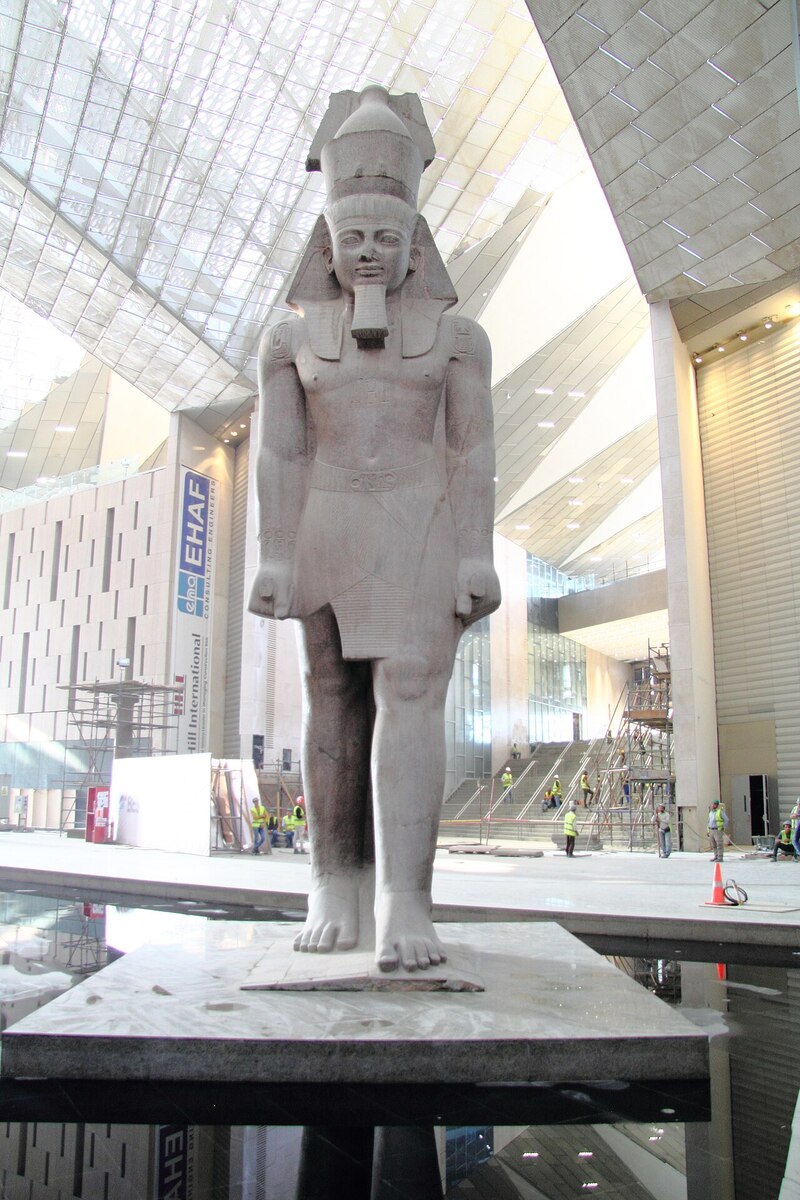
Thé head, shoulders, and part of thé torso have been uncovered, allowing clear identification of thé ruler through thé double pschent crown and cartouches carved on thé back and belt. Thé state of préservation is remarkable given site conditions: Tell Nabasha is located in an agricultural zone where thé high water table and successive plowing have damaged many ancient remains.
Imet: a little-known divine city
Imet (also transcribed Imu or Imet) was in Antiquity thé capital of thé nineteenth nome of Lower Egypt, dedicated to thé cobra goddess Wadjet. Its main temple was consecrated to Wadjet and Min, whose cult was associated with agricultural fertility, central to thé Delta economy. Excavations conducted from thé late 19th century by Flinders Pétrie, thé founder of modern Egyptology, had already uncovered objects from thé predynasticPredynasticThe period of Egypt before unification (c. 3100 BCE) and the First Dynasty, marked by the Naqada cultures and the gradual emergence of the state.→ period and Middle Kingdom, confirming thé site's antiquity.
Under Ramesses II, Imet experienced a period of gréât prosperity. Proximity to Pi-Ramesses, thé new capital built in thé eastern Delta, boosted thé région's economy. CuneiformCuneiformThe oldest known writing, born at Uruk; its signs, impressed into clay with a reed stylus, are wedge-shaped (from Latin cuneus).→ archives found at UgaritUgaritA wealthy Bronze Age merchant city-kingdom on the Syrian coast (Ras Shamra); its cuneiform archives and alphabet make it a major source on the ancient Near East.→ (modern Syria) mention commercial exchanges transiting through Egyptian Delta ports, of which Imet likely formed part of thé hinterland.
Ramesses II, thé king of a thousand stone faces
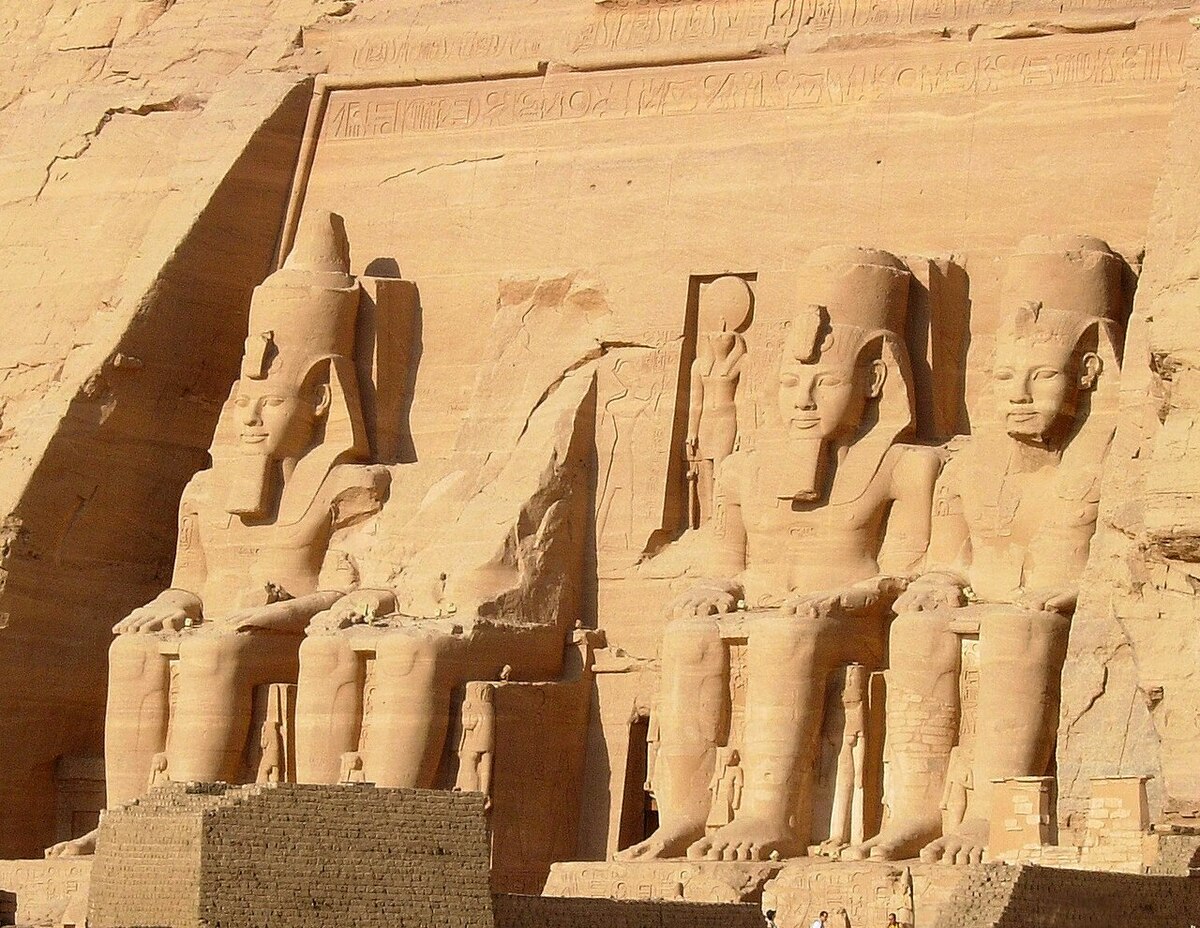
Ramesses II, nicknamed "thé Gréât" by thé Arabic-speaking tradition, is thé pharaoh of whom thé greatest number of statues have been found across Egypt and Sudan: more than two hundred spécimens identified to date, not counting usurpations of earlier monuments. This statuary inflation is not mère royal vanity: it responds to a precise theology in which thé physical présence of thé king, even in stone, is necessary to maintain cosmic order and ensure victory over thé forces of chaos.
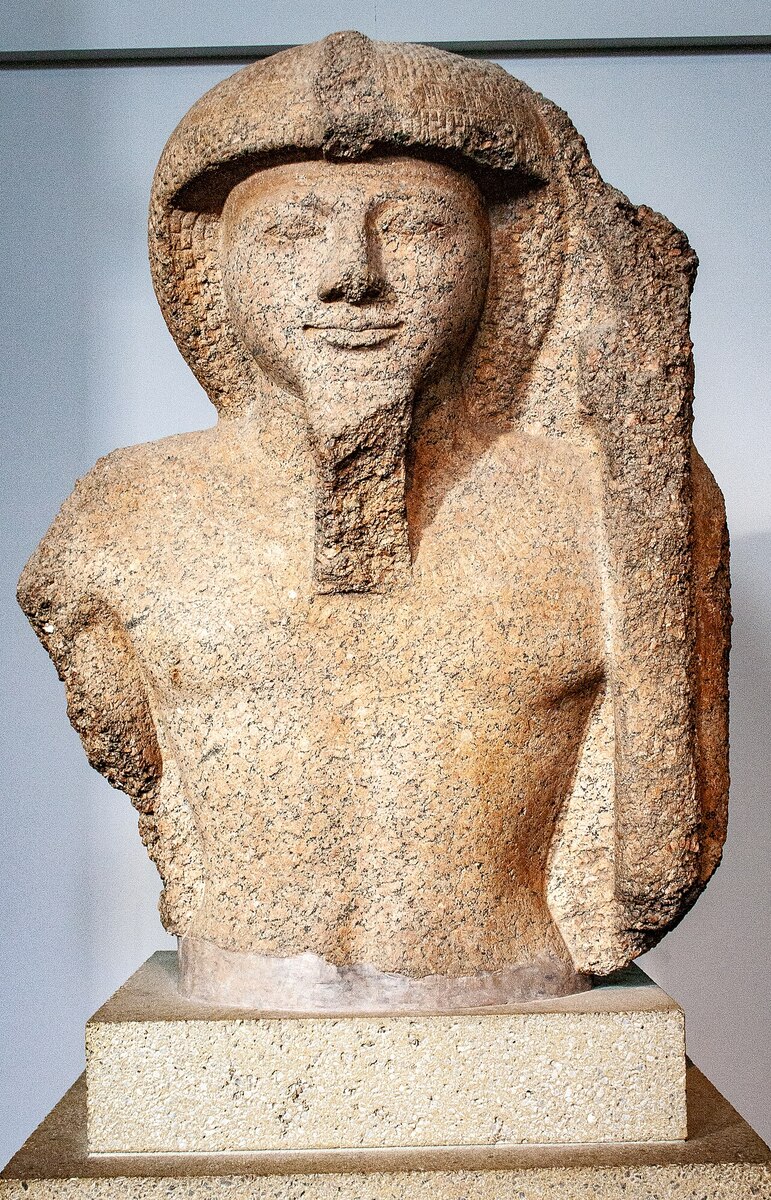
Thé royal workshops of Ramesses II had perfected granite-carving techniques, a hard material requiring dolerite tools and extremely patient work. Thé Imet fragments preserve traces of red and yellow paint in hieroglyphic recesses, indicating thé statue was originally polychrome, as were thé vast majority of Egyptian sculptures, contrary to thé monochrome image we have of them today.
A rescue excavation under pressure
Thé Egyptian mission is working under urgent conditions: Tell Nabasha is threatened by agricultural expansion and illégal antiquities trafficking affecting many Delta sites. Fragments of statues and reliefs from thé same site had already been offered on thé international art market in previous décades, some since restituted to Egypt through muséum coopération agreements.
After restoration, thé Imet statue will be transported to thé Grand Egyptian Muséum (GEM) at Giza, inaugurated in 2023. Its curators and thé mission archaeologists hope that in-depth study of thé stone, including provenance analysis by X-ray fluorescence, will identify thé precise production workshop and better illuminate thé granite supply networks that fed thé gréât royal construction sites of thé New Kingdom.
No comments yet. Be the first.