On the banks of the Jordan River in Israel, the site of Gesher Benot Ya'aqov has long been one of the most valuable windows onto the PleistocenePleistoceneThe geological epoch of the great ice ages (c. 2.6 Ma–11,700 BP), spanning most of human prehistory.→. Excavated since the 1930s and studied in depth since the 1990s by an Israeli team, this lakeside deposit preserved in clay sediments has yielded an exceptional fauna, AcheuleanAcheuleanLower Palaeolithic technical culture characterised by hand axes, present across three continents.→ tools and evidence for the use of fire more than 780,000 years ago. A 2022 study published in Nature Ecology and Evolution adds an unexpected chapter: the deliberate cooking of fish.1
Carp Teeth TellTellAn artificial mound formed by the accumulation of successive layers of settlement remains at the same spot, typical of the Near East. Each destruction-rebuilding event adds a stratum.→ the Story of Heat
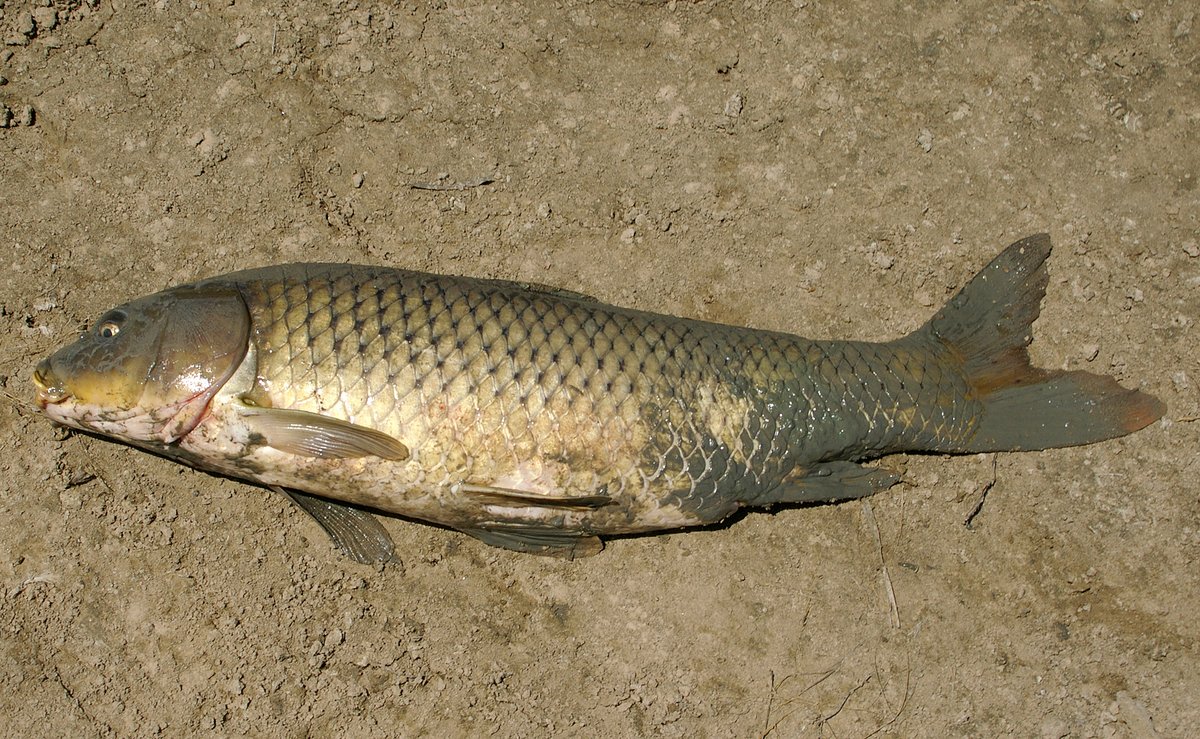
Naama Goren-Inbar and colleagues from the Hebrew University of Jerusalem, working with Irit Zohar of the Sea Research Centre, analysed thousands of pharyngeal teeth from carp (Cyprinus carpio and related species) extracted from layers dated to 780,000 years ago. The key to their demonstration lies in X-ray diffraction: the crystals of dental enamel change in size according to the temperature to which they were exposed. Teeth heated to between 200 and 500 degrees Celsius reveal a characteristic thermal alteration, distinct from that produced by a natural fire or accidental combustion.
The results are unambiguous: carp teeth from Gesher Benot Ya'aqov show thermal alteration consistent with controlled cooking at moderate temperatures, those achieved by placing a fish over embers or in a domestic hearth. The fish in question were large, sometimes over a metre long, and would have represented a substantial caloric resource for the hominin groups present at the site.
Lake Hula, Pleistocene Larder
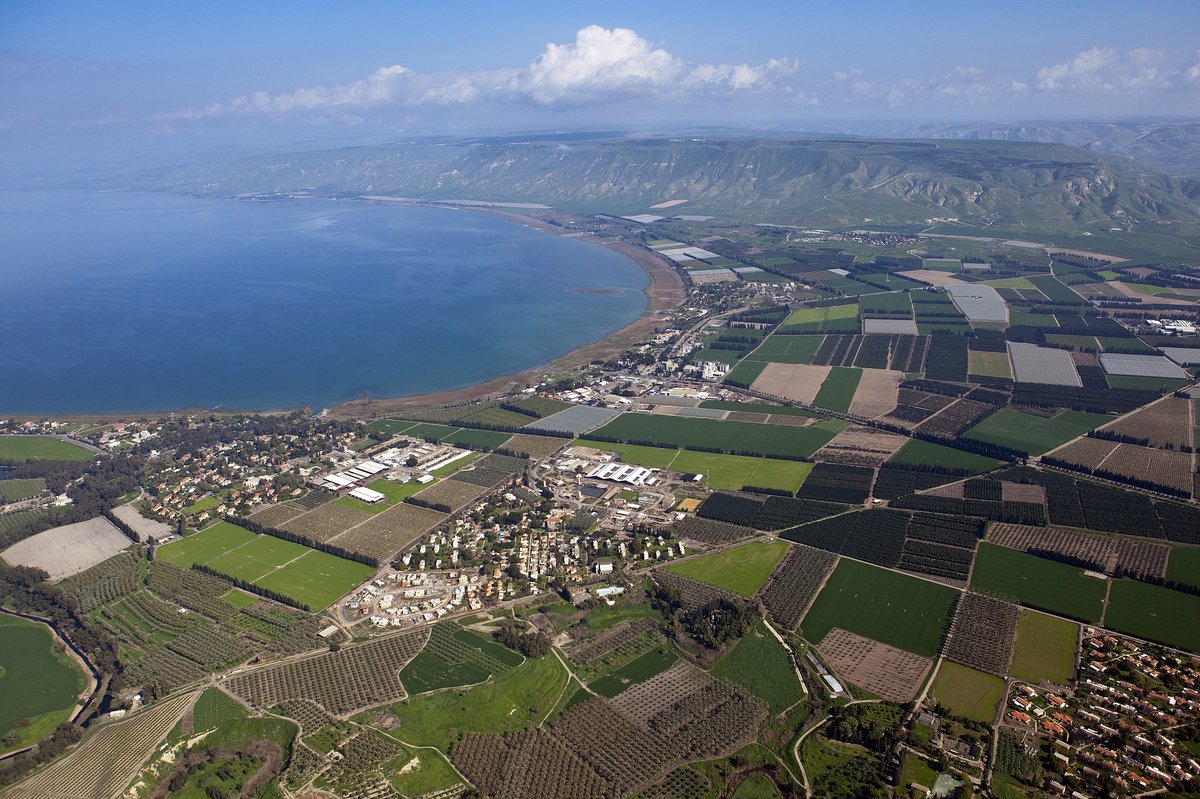
Gesher Benot Ya'aqov lay on the shores of a vast lake, Lake Hula, now drained but once one of the richest bodies of water in the region. Its waters teemed with giant carp, catfish, tilapia and many other species. The hominins camping on its shores had access to a virtually inexhaustible food resource, provided they knew how to prepare it. Cooking fish offers decisive advantages: it destroys parasites, improves the digestibility of proteins and fats, and extends the food's shelf life.
These advantages are well known to anthropologists: cooking food is often presented as one of the drivers of brain expansion in Homo. Better-assimilated proteins and lipids provide the energy needed by a metabolically costly organ. The Gesher Benot Ya'aqov discovery suggests this practice was established far earlier than previously thought.
530,000 Years Ahead of the Previous Record
Before this study, the oldest documented fish-cooking episode dated to around 250,000 years ago, at Qesem Cave in Israel. Gesher Benot Ya'aqov pushes this boundary back by 530,000 years. The discovery fits into a body of evidence reshaping the chronology of complex cognitive behaviours in hominins: mastery of fire, spatial planning of activities, social food sharing and perhaps even a primitive form of collective cooking.
Zohar and colleagues' study does more than date a meal: it demonstrates that Middle Pleistocene hominins possessed detailed knowledge of their environment's resources, the capacity to exploit fire repeatedly and intentionally, and perhaps a form of culinary tradition transmitted between generations. These findings place Gesher Benot Ya'aqov among the most important sites for understanding the emergence of human intelligence.
Je vais utiliser cet article comme document-source en classe. La clarté de l'écriture est rare.
La complexité sociale décrite ici ferait un excellent setting de jeu. Quelqu'un devrait s'en inspirer.
Même sans être spécialiste de la période, l'argumentation est parfaitement suivable. Bravo.