The Overturned Dogma
For more than a century, physical anthropology, prehistoric archaeology, and comparative primatology built and perpetuated a founding narrative about the origins of the sexual division of labor in Homo sapiensHomo sapiensThe present-day human species, which emerged in Africa around 300,000 years ago, the only surviving human lineage after the extinction of Neanderthals and Denisovans.→: men hunted, women gathered, prepared food, and cared for children. This framework, dubbed the 'man the hunter' hypothesis by anthropologists Sherwood Washburn and Chet Lancaster in their foundational 1968 paper, was presented for decades as an evolutionary truth almost as solid as the theory of natural selection itself, supported by anatomical data, carefully selected ethnographic parallels, and an archaeological interpretation of burials with hunting tool kits that took for granted that hunters interred with their instruments were invariably male without independent verification of that assumption. This paradigm informed not only academic research in paleoanthropology but also dominant cultural representations of prehistoryPrehistoryThe span of human history before the invention of writing, from the Palaeolithic to the Metal Ages, known mainly through material remains.→, from school textbooks to television documentaries, creating a deeply anchored collective mental image that is now directly contradicted by major archaeobiological discoveries accumulating since the early 2020s. The vision of a strict and universal sexual segregation of labor applied to all hunter-gatherer societies is today in the process of collapse in the face of direct and indirect evidence that challenges it at every turn on every inhabited continent where it has been systematically tested with modern analytical methods.
The challenge to this paradigm does not proceed from an ideological revision or a politically motivated re-reading of existing archaeological data, as some conservative critics have sought to suggest in order to delegitimize the new research before it could be properly evaluated on its scientific merits. It is on the contrary the direct result of the application of rigorous new analytical methods to the existing archaeological corpus, notably the sequencingSequencingReading the order of the bases (A, T, G, C) of a DNA molecule; high-throughput sequencing reads millions of fragments in parallel.→ of ancient DNAAncient DNAGenetic material preserved in old remains, often degraded, sequenced with cutting-edge techniques.→ extracted from the skeletal remains of individuals buried with hunting toolkits, which now permits determination of chromosomal sex with close to 100 percent reliability without recourse to skeletal morphology whose sexual estimation criteria are recognized as biased and insufficiently reliable in young individuals, poorly preserved specimens, or prehistoric populations with less marked intersexual morphological differences than the modern populations used to establish the estimation standards. When researchers began systematically applying ancient DNA sequencing to skeletons buried with hunting materials at prehistoric sites around the world, the results were striking enough to prompt a publication in Science Advances in 2020 that reoriented the field and opened a fundamental methodological and interpretive debate about the biases inherent in several decades of paleoanthropological research on gender and the sexual division of labor. This methodological revolution has implications that extend far beyond the specific question of female hunters to touch on fundamental questions about how scientific knowledge is produced and how cultural assumptions can invisibly shape the questions researchers ask and the interpretations they accept without scrutiny.
This quiet revolution in the paleoanthropology of gender is part of a broader movement to revisit the cognitive and cultural biases that have long influenced research in archaeology and physical anthropology without acknowledgment or systematic correction. Researchers like British anthropologist Pat Shipman and American archaeologist Alison Wylie documented from the 1980s and 1990s onward how the cultural presuppositions of researchers, primarily men from Western societies with their own internalized gender norms, influenced the interpretation of archaeological data by projecting contemporary models of sexual division of labor onto pre-modern societies whose social structure could be radically different from anything familiar from the industrial world. The burialBurialThe intentional deposition of a body, sometimes with offerings; a marker of symbolic behaviour.→ of an individual with hunting tools was almost systematically interpreted as that of a man, even in the absence of any rigorous sex determination, while a burial with beads, ochreOchreA red or yellow mineral pigment (iron oxides), used from prehistory for adornment, funerary rites and art.→, and grinding tools was presupposed to be female with the same absence of independent verification, creating a perfectly self-confirming circular system of interpretation that was immune to falsification on its own terms. Correcting these interpretive biases does not require abandoning objective research but on the contrary strengthening its methodological standards by demanding independent verification of biological sex before any functional interpretation of the grave goods associated with a given individual whose identity we wish to understand.
The Discovery at Wilamaya Patjxa
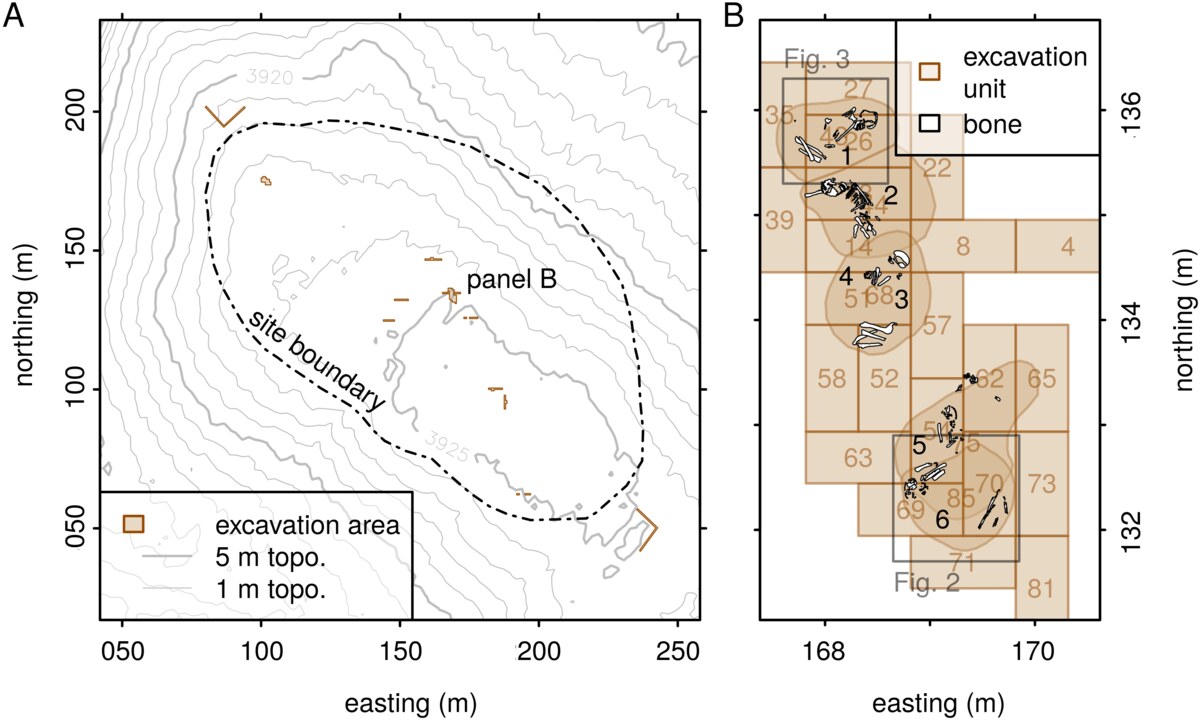
In November 2020, the journal Science Advances published the results of a study that would provoke considerable debate in the global paleoanthropological community and in the mainstream media that cover prehistoric research discoveries for general audiences interested in human origins. A team of researchers from the University of California Davis led by Randy Haas announced the discovery, at the site of Wilamaya Patjxa in the southern Peruvian highlands at an altitude of 4,480 meters, of a burial dated to approximately 9,000 BCE whose contents included a remarkably complete hunting toolkit associated with an individual whose ancient DNA analysis revealed to be a biological female between 17 and 19 years old at the time of death. The burial, catalogued under the reference 'Burial 26', contained 24 artifacts including carefully shaped stone projectile points, flake scrapers and knives, a butchering tool, and remains of red hematite used as pigment, an assemblage identical to the hunting toolkits found in other contexts of the same region associated with morphologically identified male individuals whose sex had never been independently confirmed by ancient DNA analysis. The sex identification by DNADNAThe molecule carrying genetic information, used to reconstruct kinship between species.→ sequencing, based on the ratio between X and Y chromosomes in the DNA extracted from tooth and tibia samples, was confirmed by two independent laboratories using different methods, eliminating any possibility of technical error in the determination and establishing the result as scientifically robust and reproducible by the standards of the field.
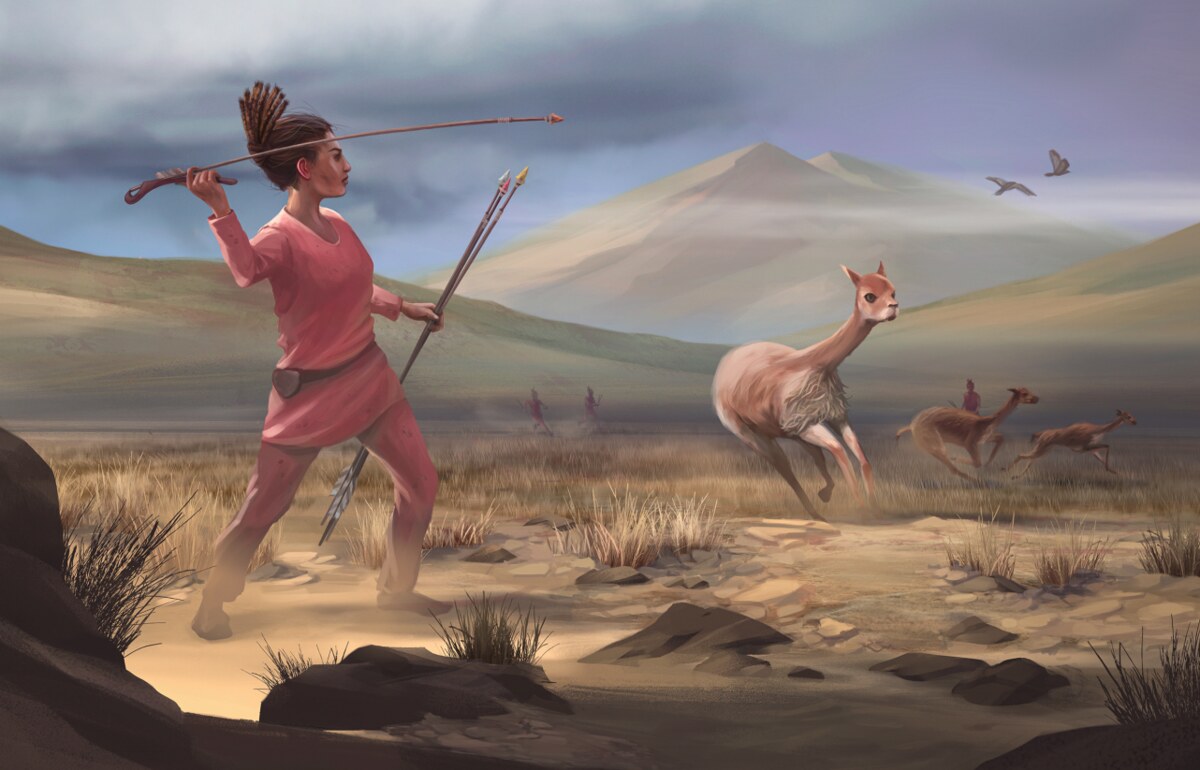
The position and context of the burial are as instructive as the biological analysis for interpreting the significance of this discovery within its cultural framework and for understanding what it meant to the community that performed the burial ritual. The individual had been interred in a flexed position, knees raised toward the chest according to a funerary posture common in Andean cultures of this period, with the hunting tools arranged around the body in a deliberate and organized manner suggesting that these instruments were considered by the burying community to be the professional or identity-defining material of the deceased rather than generic offerings appropriate for any community member regardless of their social role. The quality and completeness of the tool kit suggest that this young woman was an active hunter within her community, whose work instruments accompanied her burial in the same way that men of the same society and period were interred with their own hunting equipment during funerary rituals that honored and commemorated the hunting skills of the deceased. This interpretation is reinforced by the absence of any other type of funerary material that might indicate a different social status or gendered role, and by the congruence between the Burial 26 assemblage and those of male hunters from the same culture, the same period, and the same geographical region whose tool kits have been catalogued in the archaeological literature.
The radiocarbon dating of the burial, performed on multiple samples of bone collagenCollagenThe main protein of bone, used as the medium for isotopic analysis of ancient diet.→ to maximize the reliability of the result by averaging independent determinations, places it between 9,000 and 8,500 BCE, approximately nine millennia before our time, in a period when populations of the southern Andes still lived as nomadic or semi-nomadic hunter-gatherersHunter-gatherersA way of life based on hunting, fishing and gathering wild resources, without farming or herding; it dominated almost the whole of human history.→ before the domestication of South American camelids and the development of agricultureAgricultureThe cultivation of plants and production of food by working the soil, which emerged in the Neolithic in the Near East and independently elsewhere; it radically transformed human societies.→ that would profoundly transform Andean societies in subsequent millennia. At this time, the large fauna of the high Andean plains, including guanacos, Andean deer, vicunas, and other large herbivores that inhabited the puna grasslands, constituted the main protein base of the diet of these mobile communities, and hunting was an economically and socially essential activity in the daily life and social organization of these human groups at altitudes that severely limited plant food availability especially in winter months. Finding a woman under twenty years of age interred with the complete toolkit of an active hunter fundamentally challenges the idea that this essential activity was exclusively or even primarily masculine in these pre-ceramic Andean societies of the late Upper Paleolithic and early HoloceneHoloceneThe current geological epoch, begun about 11,700 years ago at the end of the last ice age; the setting of all post-glacial history.→, when the entire community's survival depended on the success of hunting expeditions across vast territories at high altitudes.
The Meta-Analysis: 41 Percent of Hunters Were Women
The discovery of Burial 26 could have been interpreted as an individual anomaly, an exception confirming the rule of exclusively male hunting, had Randy Haas's team not embedded it within a much broader and methodologically rigorous comparative framework that transforms its statistical significance and interpretive weight far beyond what a single specimen alone could demonstrate. In parallel with the analysis of the Wilamaya Patjxa burial, the researchers conducted a systematic meta-analysis of all hunter-gatherer burials with hunting toolkits documented across the Americas for the period from 10,000 to 6,000 BCE, applying to each specimen available in sufficient quantity to permit DNA extraction the most reliable biomolecular methods for sex determination. Out of a total of 27 burials with hunting toolkits for which reliable biological sex determination was possible by ancient DNA sequencing and/or proteomic biomarker analysis, 11 individuals, exactly 40.7 percent, were identified as chromosomally female, a result statistically sufficient to exclude the hypothesis that these female burials represented simple individual anomalies or determination errors rather than a genuine pattern. This figure of 41 percent of documented female hunters in the funerary record is all the more striking given that the rate of ancient DNA preservation in Andean contexts is far from perfect, and many specimens could not be analyzed due to molecular degradation, suggesting that the actual rate of female hunters in these societies was potentially even higher than the currently accessible fossil record indicates.
The methodological significance of this meta-analysis extends beyond the framework of pre-Columbian Americas and invites a systematic revisitation of burial corpora from hunter societies in other regions of the world, an initiative already underway and already producing similarly revisionary results in several locations. In Europe and Asia, several research teams have undertaken ancient DNA re-analysis programs since 2020 on prehistoric and protohistoric burials whose funerary assemblages include weapons or hunting instruments, with results that are also challenging the male presupposition that guided previous interpretations in these regions. In Siberia, burials of NeolithicNeolithicThe "New Stone Age": a period marked by farming, herding, settlement and pottery, from around 10,000 BC.→ and Bronze AgeBronze AgePeriod of late prehistory marked by bronze metallurgy and the rise of maritime trade, beginning in the Near East around 3300 BCE.→ reindeer hunters with complete hunting equipment have revealed a significant proportion of women among the individuals interred with these toolkits, sometimes with rates comparable to those documented in the Americas although the corpora are less complete and the analyses less systematic at this early stage of the global research program. These intercontinental convergences strengthen the hypothesis that female participation in hunting was not a marginal or exceptional phenomenon in prehistoric hunter-gatherer societies but rather a structurally widespread reality whose traces in the archaeological record had been systematically underestimated and misinterpreted due to the gender presuppositions of previous researchers who never thought to independently test their assumptions about sex from the skeletal material itself.
The scientific community's reaction to these results was broadly positive but not without methodological criticisms that enrich the debate and strengthen the research by identifying the weaknesses that need to be addressed in future studies. Some researchers raised the question of DNA preservation quality in the Andean specimens analyzed, arguing that high contamination rates or significant molecular degradation could generate false positives in chromosomal determination that would inflate estimates of female representation in the hunter burial sample. Others challenged the functional significance of the funerary assemblage, proposing that hunting tools placed in a female burial could represent offerings, inheritances, or status symbols rather than a reflection of the deceased's actual activities during her lifetime in her community. These objections, taken seriously by the study's authors, have been examined in detail in published responses and subsequent studies: the quality of the DNA analyses was validated by independent replications using different laboratory protocols, and the coherence of the Burial 26 assemblage with the hunting toolkits of male hunters from the same context argues strongly against an exclusively symbolic or commemorative interpretation of the funerary goods in this specific, well-documented case.
The Birka Warrior: European Confirmation
The study of prehistoric female hunters cannot be isolated from the broader context of research on female warriors and combatants in pre-modern societies, a field that has experienced its own major revisions thanks to the application of ancient DNA methods to burials whose sex had been determined solely by skeletal morphology in previous analyses that never questioned the assumption that warriors were necessarily male. The most emblematic and best-documented case in this literature is that of burial Bj.581 at Birka in Sweden, dated to the tenth century CE and excavated as early as the 1870s, which researchers had always interpreted as the burial of a high-ranking Viking warrior based on the exceptional nature of its grave goods and the unambiguous military character of the assemblage. The burial contained two sacrificed horses, a complete set of weapons including sword, axe, knife, spear, bow and arrows, a shield, and a set of gaming pieces, a funerary assemblage that constitutes according to established archaeological criteria the equipment of a high-ranking Viking military leader endowed with real authority over armed men in the field. When Charlotte Hedenstierna-Jonson and her team from Stockholm University published in 2017 in the American Journal of Physical Anthropology the results of ancient DNA sequencing extracted from the skeletal remains, the conclusion was unambiguous: the Birka Bj.581 individual was a chromosomal female, confirmed by two independent laboratories that analyzed different samples from the same skeleton with different methods and obtained the same unambiguous result from the chromosomal ratio in the sequenced genome.
Publication of these results provoked considerable scientific and public debate, some aspects of which reveal the persistence of cultural gender presuppositions even within the research community that should theoretically be insulated from such biases by the rigor of its methods. Several researchers initially sought to minimize the conclusion by proposing alternative interpretations: the individual was a woman with particular social status justifying a symbolic burial with masculine weapons without reflecting her actual activities; the burial had been disturbed and the hunting material came from an earlier archaeological layer; the DNA analyses might be contaminated by modern specimens given the complexity of ancient DNA extraction from tenth-century remains. All of these objections were methodically examined and refuted in detailed published responses: the contextual provenance of the funerary material was re-examined and confirmed, the quality of the DNA validated by replication using different protocols, and the symbolic interpretation of the burial contradicted by the perfect coherence of the assemblage with other burials of male Viking military leaders from the same period and region. The current scientific consensus, accepted by the great majority of specialists in early medieval Scandinavian archaeology, is that the Birka warrior was indeed a woman occupying a military leadership role in a tenth-century Viking society, although the exact nature and limits of that role remain open to further investigation using the expanding toolkit of biomolecular methods now available.
The Birka warrior is not an isolated case in the European archaeological record of the late first millennium CE. Ancient DNA analyses performed on burials with martial equipment in other regions of Europe have identified women interred with weapons or armor in recent years, notably in post-Roman Britain, Merovingian Gaul, and pre-Viking Scandinavia, indicating that female participation in martial activities was probably more widespread in certain pre-modern European cultures than was previously recognized by a research community that never independently tested its core assumption. Historical textual sources additionally mention female combatants in several European and extra-European traditions, from the Sarmatian and Scythian women of the Pontic steppeSteppeA vast semi-arid, treeless grassland of Eurasia, suited to nomadic herding and the horse; a corridor for the movement of peoples and technologies in later prehistory.→ described by Herodotus and archaeologically confirmed by genetic analyses of burial specimens with weapons, to Irish female champions, Dacian warrior women, and Siberian shaman-warriors, testifying to a diversity of female roles in pre-modern societies that normative nineteenth and twentieth century models too easily erased or dismissed as mythological confabulation without empirical basis.
The Agta of the Philippines: The Present Illuminates the Past
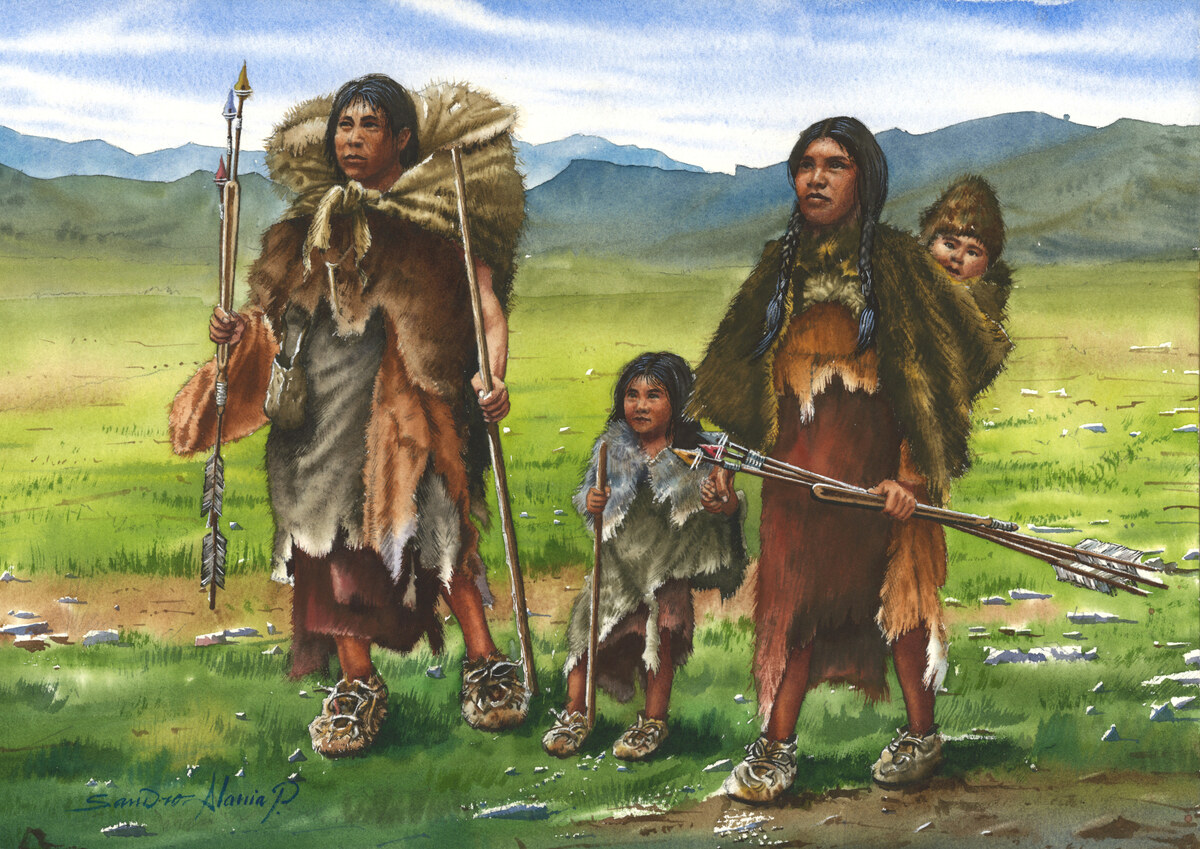
Contemporary ethnographic data constitute an indispensable complement to archaeobiological discoveries for assessing the plausibility and extent of female participation in hunting in hunter-gatherer societies, by providing documented real-time examples of societies where this participation is observed and analyzed in its full cultural and ecological context rather than inferred from fragmentary archaeological evidence subject to multiple competing interpretations. The Agta of the Sierra Madre mountains in the Philippines constitute the best-documented and most frequently cited example in the literature on female hunting, because this population of tropical hunter-gatherers practices regular, systematic mixed hunting in a context that has been rigorously studied by field anthropologists since the foundational work of Thomas Headland and colleagues in the 1980s who were among the first to systematically document the phenomenon. Among the Agta, women regularly participate in both collective and individual hunts, pursuing wild pigs, deer, and various arboreal prey with bows and spears manufactured using the same techniques as those of the men, with comparable effectiveness measured by the documented success rate of hunting expeditions recorded in real time by resident anthropologists living in the villages over extended periods. Agta women maintain their reproductive and parental activities simultaneously, participating in hunts during pregnancy and between nursing periods, directly refuting the evolutionary argument often advanced that the constraints of motherhood would have biologically excluded women from hunting in all PleistocenePleistoceneThe geological epoch of the great ice ages (c. 2.6 Ma–11,700 BP), spanning most of human prehistory.→ human societies by making the activity too physiologically costly or too incompatible with infant care.
The Agta example raises a fundamental theoretical question for paleoanthropology: if contemporary hunter-gatherer societies regularly and systematically practice female hunting in documented ecological and social contexts, why would it have been otherwise in prehistoric societies that share their basic mode of life in terms of economic organization and subsistence techniques? The argument that the Agta constitute an atypical cultural exception collapses when one examines the ethnographic data available on other contemporary or recently documented hunter-gatherer societies spanning the full range of ecological zones humans have inhabited. A synthesis conducted by anthropologist Cara Wall-Scheffler and colleagues in 2023 systematically analyzed available ethnographic databases on 63 contemporary or recently documented hunter-gatherer societies in AfricaAfricaThe cradle of humankind: the continent where the first hominins appeared, then Homo sapiens around 300,000 years ago, before the expansion to the rest of the world.→, Asia, Australia, and the Americas, and found that female hunting was documented in 79 percent of these societies, even though its form and frequency varied considerably depending on ecological and cultural context and the specific prey species targeted. This result radically transforms the research question: female hunting is not the exception to be explained, but the exclusion of women from hunting in industrial and post-industrial societies that constitutes the historical aberration requiring explanation in terms of cultural anthropology and the political economy of gender in complex agricultural and industrial societies.
A comparative review of ethnographic data on the sexual division of labor in hunter-gatherer societies shows that the arguments invoked to explain the theoretical exclusion of women from hunting are far less robust than generally presupposed in the paleoanthropological literature. The argument of superior male physical strength is nuanced by the fact that hunting with propelled weapons, particularly bows, does not require especially high muscular strength but rather precision, running endurance over long distances, and knowledge of animal behavior, skills that do not show important biological differences between well-trained men and women of equivalent practice level. The argument of pregnancy and nursing is contradicted not only by the Agta but by numerous other ethnographic examples of women hunting during pregnancy or while carrying infants in documented methods that have been observed and described in detail by field anthropologists. The cognitive and spatial argument, suggesting that men have better spatial navigation and orientation abilities suited to hunting, is challenged by modern psychological studies showing that intersex differences in these domains are largely explained by experience and cultural training rather than innate fixed biological differences that would have applied universally across all Pleistocene populations and ecological contexts.
Ancient DNA Revolutionizes the Archaeology of Gender
The methodological revolution brought by ancient DNA sequencing to the interpretation of prehistoric burials is not limited to hunting toolkits and military equipment: it is transforming the capacity of archaeologists to reconstruct social roles, prestige hierarchies, kinship systems, and family structures of preliterate societies, offering direct access to individual biology independent of its cultural representation in funerary rituals that may not accurately reflect social reality. The method is based on sequencing short but well-preserved DNA sequences extracted preferentially from the petrous part of the temporal boneTemporal boneA bone of the base and side of the skull that houses the inner ear and bears anatomical traits specific to each species.→ or from the dentine of the teeth, which offer the best conditions of molecular preservation thanks to their dense crystalline structure that limits access by microbial degrading enzymes and the chemical agents present in the depositional environment over centuries and millennia. Sex determination is done primarily by the ratio between the X chromosomeX chromosomeOne of the two sex chromosomes, present in two copies in females and a single copy in males.→ and the Y chromosome in the entire sequenced genome, a robust and reproducible signal that is not affected by the quality of corporeal preservation in the same way that morphological criteria are, whose reliability depends on the age, sex, and preservation state of the skeleton being assessed with methods calibrated on modern reference populations. The close to 100 percent reliability of this method for chromosomal sex determination, completely independent of phenotypic sex and social gender, which are the identity dimensions expressed in funerary practices and represented in the grave goods, makes it the method of choice for testing hypotheses about gendered roles in prehistoric societies by comparing biological determination to the social identity visible in the funerary assemblage.
The implications of this methodological revolution extend beyond the specific question of female hunting to touch on broader questions about gender structures in prehistoric societies that we have barely begun to explore with the new tools now available. Ancient DNA analyses performed in several regions of the world have revealed cases where the chromosomal sex of the interred individual does not correspond to the gender identity expressed by the funerary practices of their community, opening a window onto prehistoric gender diversity that was previously invisible to researchers relying solely on morphological methods. These fragmentary but recurring observations across widely different cultural contexts, from Siberia to Central Europe to the Americas, open a fascinating perspective on the diversity of possible human gender systems and on the role of cultural construction in defining social identities independently of reproductive biology that has profound implications for how we understand the full range of human social possibilities. They invite increased epistemological caution in any interpretation of prehistoric funerary practices that presupposes a necessary correspondence between biological sex and social role or cultural identity, a presupposition that the new data increasingly show to be a cultural assumption rather than an evolutionary constant governing all human societies across all times and places.
Why Did This Myth Persist So Long?
Understanding why the 'man the hunter' model could establish itself so solidly in scientific research and popular culture for more than a century, despite the progressive accumulation of contrary indices that were visible in the data to careful readers, is a fundamental epistemological question illuminating the conditions of production of scientific knowledge in the human and social sciences where cultural context inevitably shapes the questions asked and the answers accepted. Several complementary factors contributed to the persistence of this model well beyond what the available data would have justified had it been subjected to the same skeptical scrutiny applied to claims in the physical sciences. The first explanation is the demographic composition of the profession itself: until the 1970s and 1980s, archaeology and physical anthropology were dominated by men from Western societies with specific gender norms who naturally and without conscious awareness projected the models of sexual division of labor from their own societies onto the pre-modern societies they studied, a bias that philosophers of science call androcentrism and that feminist critiques of science systematically documented across many disciplines where the same pattern appeared. The self-reinforcing circulation of this model in textbooks, museums, and documentaries then created a form of cultural evidence that made it difficult to challenge even in the face of contradictory data, as each generation of researchers was immersed in an intellectual environment where exclusive male hunting was presented as an established fact rather than a hypothesis to be tested empirically.
The second explanation is methodological, rooted in the technical limitations of the tools available to researchers for most of the twentieth century and the ways those limitations were managed within the research community. For decades, sex determination of buried individuals rested exclusively on morphological examination of the skeleton, a method based on modern population references that proved insufficiently adapted to prehistoric populations whose intersexual morphological differences were often less marked or differently distributed than in the reference samples used to establish the diagnostic criteria now taught in every graduate forensic anthropology course. Reliability studies conducted from the 2000s onward demonstrated that morphological sex determination on incomplete or poorly preserved prehistoric skeletons was correct in only 60 to 75 percent of cases depending on preservation conditions and researcher expertise, an error rate that is simply unacceptable for interpretations based on gendered social roles inferred from funerary assemblages associated with individuals whose sex was assumed rather than verified. The introduction of ancient DNA as a sex determination method corrected this fundamental methodological deficit and opened the way to systematic revisitation of prehistoric funerary corpora that continues to produce revisions of previous interpretations constructed on unreliable morphological determinations across all regions where the new method has been systematically applied.
Conclusion
The discovery of prehistoric female hunters is far more than an anecdotal correction to our knowledge of the past: it represents a fundamental paradigm shift in our understanding of the evolution of human societies and the nature of the sexual division of labor over the course of our evolutionary history spanning hundreds of thousands of years of cumulative social learning and cultural diversification. It shows that gender roles in hunter-gatherer societies were probably far more flexible, context-dependent, and culturally variable than previously thought, challenging the notion of a universal and biologically determined sexual specialization that would have characterized all human societies from their most remote origins to the present. It forces awareness of the cognitive and cultural biases that can influence scientific research even in the most rigorous disciplines, and of the crucial importance of developing analytical methods independent of the cultural presuppositions of researchers in order to progress toward a more accurate and complete understanding of our common past as a species with a history far longer and more complex than our written sources document. The female hunters of Wilamaya Patjxa, of Birka, and of the Philippine forests are not exceptions: they are testimony to a prehistoric humanity that was more diverse, more equal, and more complex than we had imagined when our interpretive frameworks were built on the unexamined assumption that the gender hierarchies of industrial modernity were universal constants of human nature.
The discoveries yet to come, carried by ever more powerful methods of biomolecular analysis and archaeological imaging, promise to reveal still more of this hidden complexity embedded in prehistoric burials around the world where grave goods have long spoken of social roles we misread because we lacked the biological key to correctly identify who was actually buried with them. Ancient DNA has only been systematically applied to prehistoric funerary corpora for about a decade, and vast collections of specimens preserved in museums and university repositories in many countries have not yet been re-analyzed with the most recent methods that could transform our understanding of who performed which roles in the societies that built the foundations of our shared humanity. Each new study applying ancient DNA sequencing to burials previously classified solely on morphological criteria is capable of revealing new surprises, new female hunters, warriors, or craftspeople whose presence in these unexpected roles will illuminate with fresh light the richness and diversity of the prehistoric societies that constructed, generation by generation, the behavioral repertoire and social diversity that characterize our species today.
Evolutionary Implications
Recognizing female participation in hunting among prehistoric hunter-gatherer societies has profound implications for our understanding of human evolution, particularly for theories about the selective pressures that favored the exceptional cognitive development of Homo sapiens during the Upper Pleistocene. If hunting had been essentially a male activity for hundreds of millennia, the cognitive pressures linked to strategic planning, reading animal behavior, social cooperation, and the manufacture of complex tools would have acted primarily on the male brain, creating evolutionary differences between the sexes that we should be able to observe in modern brain anatomy or in cognitive performance studies designed to detect them. Yet neuroimaging and cognitive psychology studies do not confirm the existence of significant sex differences in cognitive abilities related to hunting, specifically long-term planning, spatial navigation in open terrain, and strategic group cooperation to achieve a shared goal. If both sexes regularly participated in hunting in prehistoric societies, as archaeobiological data now suggest, the same cognitive selective pressures acted simultaneously on men and women alike, which would naturally explain the absence of marked cognitive dimorphism between sexes in these domains as a direct result of parallel selection rather than as a puzzle requiring special explanation.
The revision of the sexual division of labor model in prehistoric societies also carries important implications for theories about the origin of human language, culture, and self-consciousness that have long placed collective hunting and complex tool manufacture at the heart of the selective pressures favoring superior cognitive development in Homo sapiens compared to other hominins and great apesgreat apesThe family of great apes (Hominidae) comprising orangutans, gorillas, chimpanzees, bonobos and humans.→. If these cognitively demanding activities were practiced by both sexes rather than by only the male half of the reproductively active population, they exerted equal selective pressures across the entire breeding population rather than only on males, implying a much greater overall intensity of selection and potentially faster evolutionary change in these cognitive capacities than under a regime of exclusive male specialization. The practical skills of tracking, long-range planning, and reading subtle environmental signals that successful hunting requires were thus subject to the full selection gradient across the entire species rather than only across half of it, and this difference in selective intensity is theoretically sufficient to substantially accelerate the evolutionary pace of cognitive evolution toward the modern human cognitive toolkit. These evolutionary implications are not only important for theoretical understanding of human evolution: they invite complete reconsideration of the selective regime models used to reconstruct Pleistocene adaptations and evaluate the driving pressures behind the emergence of modern human intelligence in its current form, with all its remarkable and still not fully explained generative flexibility and symbolic power.
The existence of female hunters in prehistoric societies also challenges long-standing theories about the co-evolution of hunting, pair bonding, and male provisioning that have been central to many accounts of human social evolution since the 1960s and 1970s. The 'man the hunter and provider' narrative implied that the nuclear family structure evolved as a exchange relationship in which males provided large game protein to sedentary nursing females and their offspring, creating the economic interdependence that stabilized long-term pair bonds. If women were themselves active hunters and direct producers of large game protein, the economic basis for this proposed evolutionary exchange is fundamentally altered, and alternative accounts of the origin of human pair bonding and family structure become necessary. These are genuinely open and actively debated questions that the new archaeobiological data have catalyzed, and the answers will require integration of evidence from genetics, primatology, archaeology, and behavioral ecology in ways that cross traditional disciplinary boundaries that have sometimes prevented productive synthesis in the past.
No comments yet. Be the first.