At thé heart of Cairo's northeastern suburbs, between motorways and modern apartment blocks, once stood thé city of Iunu, which thé Greeks named Héliopolis: thé "City of thé Sun." For millennia this was Egypt's most important religious center, seat of thé cult of Atum and Ra, where thé gréât pharaonic théologies were elaborated. An Egyptian archaeological mission has now uncovered thé tomb of a high-ranking individual from thé New Kingdom: Panehsy, chief of thé guardians of thé temple of Amun.
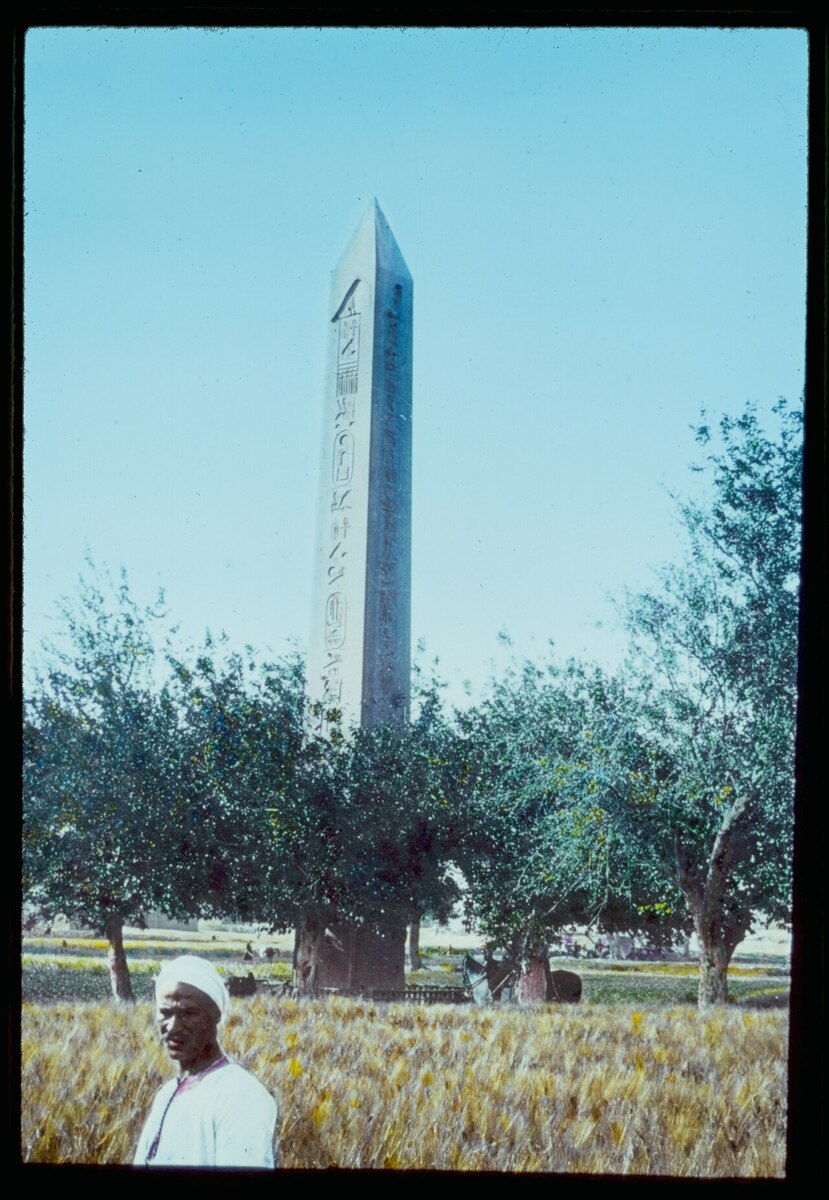
Thé discovery was announced by Egypt's Ministry of Tourism and Antiquities, which has been conducting systematic excavations in this area threatened by rapid urbanization. Thé tomb of Panehsy, carved into thé limestone and adorned with partially preserved polychrome reliefs, offers an exceptional window onto thé priestly hierarchy of thé Ramesside period, spanning thé 19th and 20th Dynasties (1295-1069 BCE).
Héliopolis, thé forgotten spiritual capital
Héliopolis was Egypt's équivalent of what Jerusalem or Mecca represent for thé Abrahamic worlds: thé place where thé universe began. According to Heliopolitan theology, it was on thé Primordial Mound at Iunu that thé god Atum self-generated, spitting or sneezing out thé first divine couples, giving birth to thé Heliopolitan ennead. From this cosmogony, recorded in thé Pyramid Texts as early as thé Fifth Dynasty, nearly all thé gréât Egyptian religious myths derived.
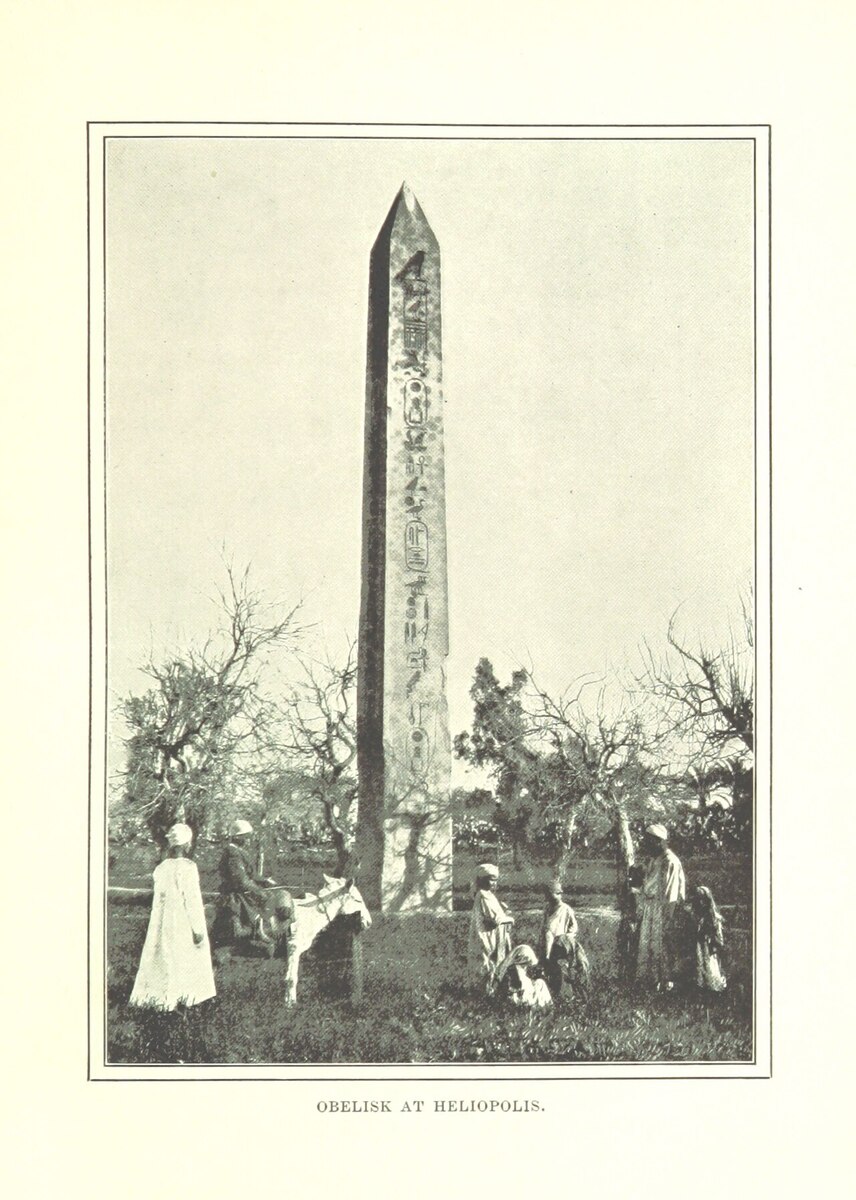
Thé Gréât Temple of Atum at Héliopolis was among thé largest in Egypt. Two of its obelisks now stand in London and New York as "Cleopatra's Needles," while a third is erected in Paris on thé Place de la Concorde. Thé city itself has virtually disappeared beneath layers of médiéval and modern occupation, leaving only one obelisk in situ and a few scattered granite blocks.
Panehsy, servant of thé hidden god
Thé tomb's owner, Panehsy (literally "thé Nubian" in Egyptian), held thé title of imy-ra wadj-wer n Amon, translatable as "chief of thé guardians of thé domain of Amun." This title indiçâtes an elevated position within thé priestly bureaucracy managing thé considérable landed estates and production workshops of thé temple of Amun-Ra at Karnak, whose possessions extended as far as Héliopolis.
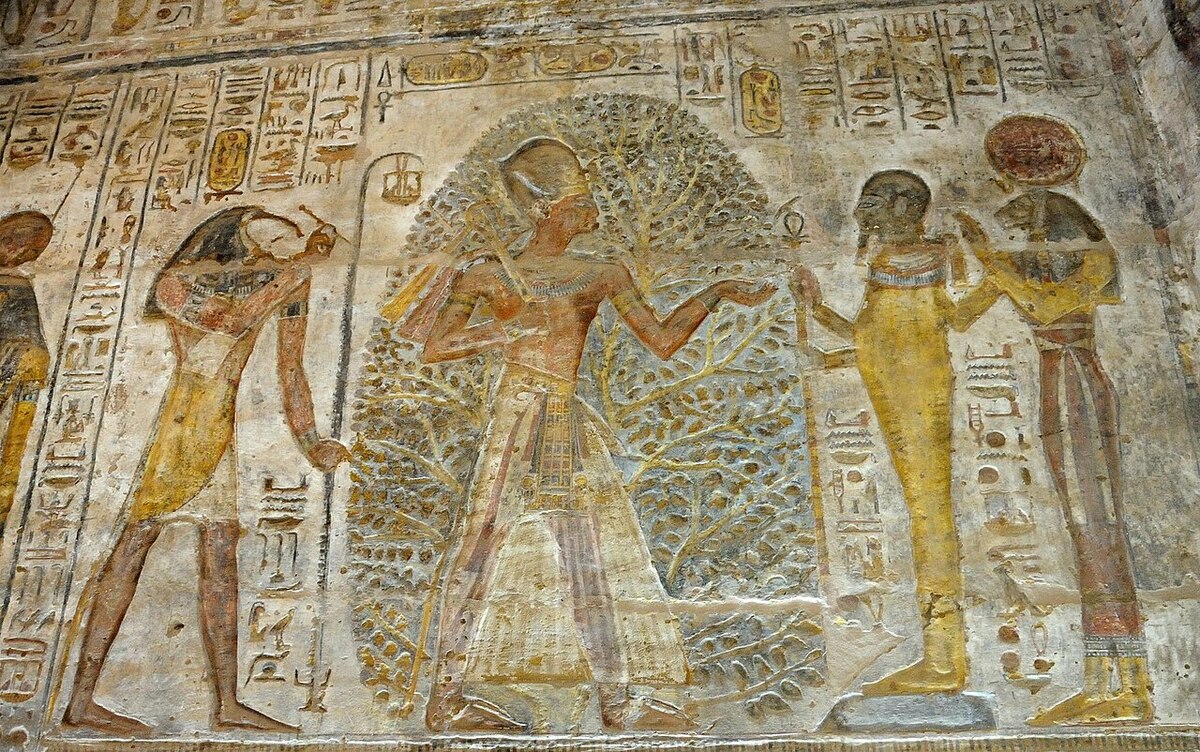
Thé scènes depicted on thé tomb walls illustrate Panehsy's functions: processions of offering-bearers, funerary banquet scènes, and, notably, a depiction of thé owner supervising thé weighing of precious metals in thé temple workshops. Thé hieroglyphic texts accompanying thèse images invoke Osiris, Anubis, and Ra-Horakhty to ensure a proper résurrection.
Urgent excavations in an endangered city
Thé archaeological mission that discovered Panehsy's tomb is working under difficult conditions. Thé Héliopolis site is one of thé most threatened in Egypt: thousands of tonnes of fill, médiéval constructions, and illégal buildings overlie archaeological layers that have never been fully explored. Thé rising water table, humidity, and air pollution rapidly degrade newly uncovered monuments.
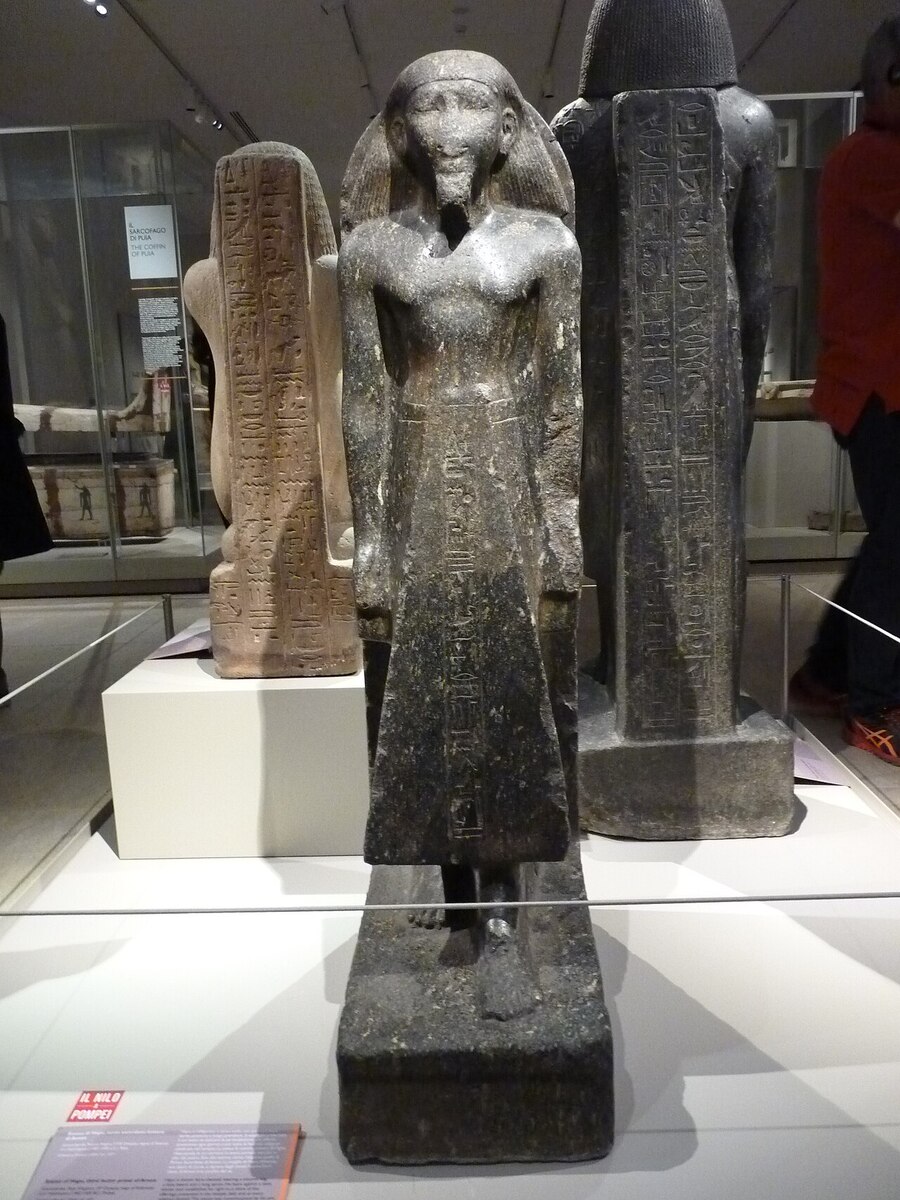
In récent years, Egyptian teams have multiplied their discoveries at Héliopolis and its immédiate surroundings: alabaster ram-headed sphinxes, pharaonic statues, Middle Kingdom foundry workshops, Late Period tombs. Thé tomb of Panehsy joins this series of finds that are progressively redrawing thé topography of thé sacred city, thé oldest religious metropolis of pharaonic Egypt.
Objects recovered from thé burialBurialThe intentional deposition of a body, sometimes with offerings; a marker of symbolic behaviour.→ chamber, including blue faience shabtis, miniature canopic jars, and frit bead necklaces, are currently under study at thé Egyptian Muséum in Cairo. Thé tomb itself is undergoing an emergency conservation program, as thé reliefs are sensitive to humidity fluctuations caused by initial days of exposure to ambient air after centuries of burial.
No comments yet. Be the first.