Around 50,000 years ago, inside a cave in western Europe, a group of NeanderthalsNeanderthalsA fossil humanity of Eurasia, robust and cold-adapted, extinct around 40,000 years before present.→ gathered around a hearthhearthA combustion structure set on the ground, evidence of the mastery of fire and a marker of how a prehistoric dwelling was organised.→. Their prey that day was not a mammoth or a bison, but a golden eagle, a griffon vulture, or perhaps a raven. Bird bones bearing cut marks and heat traces tellTellAn artificial mound formed by the accumulation of successive layers of settlement remains at the same spot, typical of the Near East. Each destruction-rebuilding event adds a stratum.→ this story with unexpected precision. Neanderthals did not subsist solely on large mammals -- they hunted and cooked birds with a dexterity that science long underestimated.
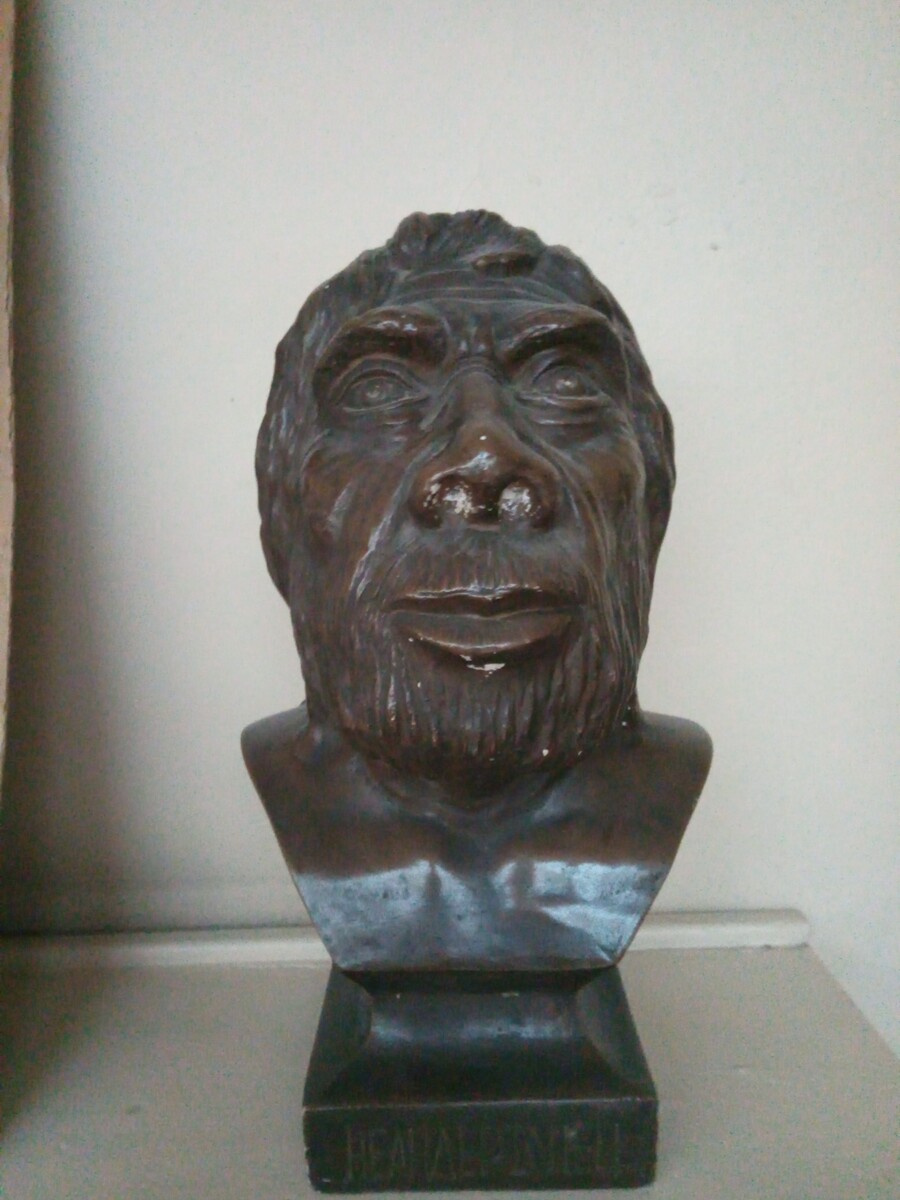
Evidence for this practice is scattered across dozens of European sites, from Portugal to Crimea. At Combe-Grenal cave (Dordogne, France), bones of vultures and sparrowhawks show characteristic cut marks identical to those found on deer or bison bones. At the Lazaret Cave (Nice), excavations have yielded remains of at least seven different bird species, including several raptors, all processed as food resources.
MousterianMousterianThe stone-tool industry typical of Neanderthals, based on the Levallois flaking technique.→ techniques adapted to small prey
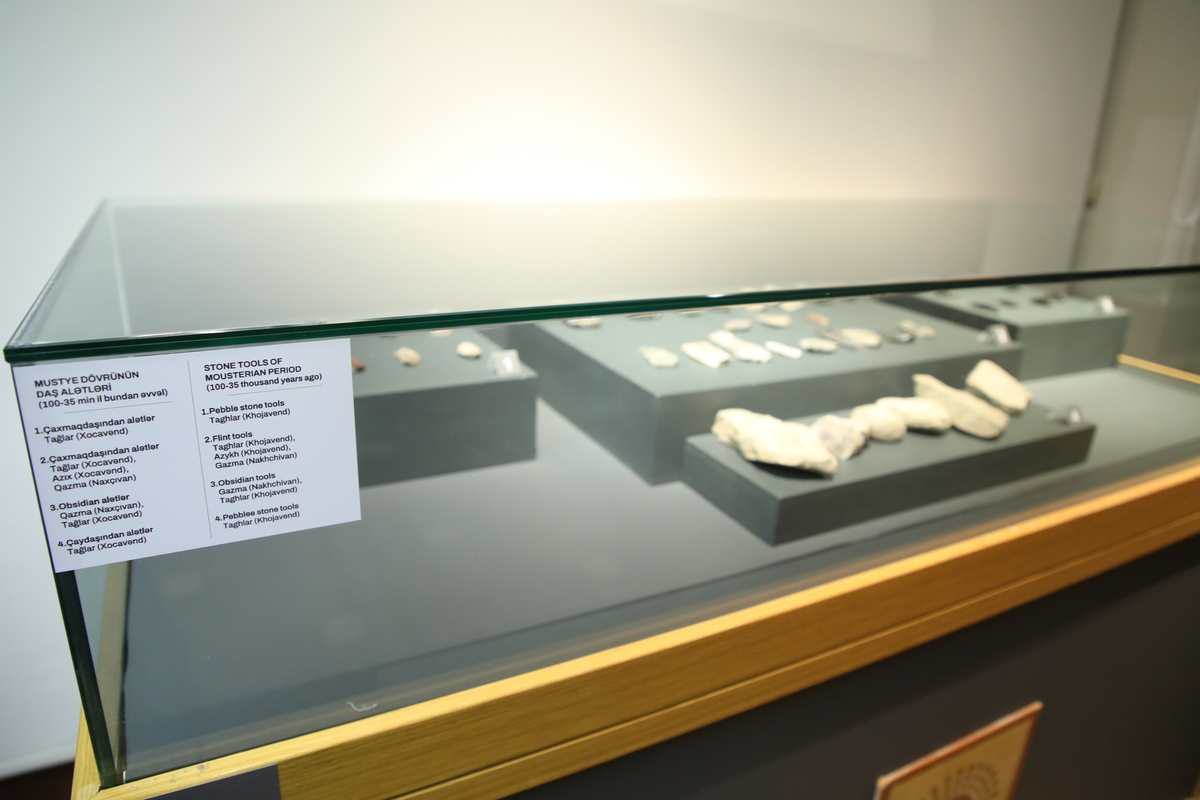
Mousterian culture -- the lithic industry associated with Neanderthals -- produced varied tools: scrapers, points, notches, denticulates. These flintFlintA hard, brittle siliceous rock, knapped by prehistoric people to produce blades, points and sharp tools.→ flake instruments are perfectly suited to butchering carcasses of any size. Specialists have shown that the striations visible on bird bones correspond exactly to traces left by Mousterian tools used to disjoint limbs and remove flesh from pectoral fillets.
Cooking is attested by calcined bones found directly in hearths or their immediate vicinity. Studies at Kebara (Israel) and Zafarraya (Spain) have revealed bird bones browned or blackened on the surface but preserved at their core -- the typical signature of brief exposure to moderate heat, consistent with cooking over embers rather than accidental incineration.
Raptors: food and symbols
A particularly remarkable discovery comes from the Croatian site of Krapina, where golden eagle talons bear polishing and cut marks consistent with the manufacture of worn ornaments. These same talons may have had symbolic value as much as nutritional value: did Neanderthals remove the flesh before assembling the claws into jewelry? The question remains open, but it illustrates the complexity of these hominins' relationship with the avian world.
At Fumane (northern Italy), eight bones of raptors and corvids -- Egyptian vultures, bearded vultures, ravens, owls -- all bear similar striations concentrated on feather-bearing zones. Researchers interpreted these marks as the result of wing plucking to harvest large flight feathers. Did these feathers serve as ornamentation, for technical uses such as smoothing or tinder transport, or for something else entirely? This debate still animates the scientific community.

Agile hunters or opportunistic scavengers?
How did Neanderthals capture these birds? Raptors such as eagles and vultures are difficult prey, agile and alert. Several hypotheses have been proposed: snare traps set near large animal carcasses to attract vultures, raids on cliff nests, or ambush hunting during courtship displays. Capturing corvids like ravens and crows, more familiar around human campsites, is easier to envision.
It is also possible that Neanderthals recovered carcasses of birds that had died naturally or been killed by other predators. But the regularity and concentration of cut marks on specific zones -- pectoral fillets, wings, legs -- argues for systematic and deliberate exploitation, not opportunistic scavenging.
A late rediscovery
For a long time, bird bones were neglected during older excavations, judged too small and too fragmented to be informative. It was the systematic reanalysis of forgotten collections in museum reserves, beginning in the 1990s, that revealed the scope of this practice. Researchers such as Jordi Agusti, Eugeni Carbonell, and above all Marco Peresani (University of Ferrara) were among the first to document deliberate bird bone manipulation by Neanderthals.
This work has profoundly changed our view of Neanderthal: a generalist and opportunistic hunter, certainly, but also a predator capable of diversifying its diet according to seasons and local resources, and perhaps a symbolic being who saw in the feathers and talons of raptors something that transcended mere nutritional value.
No comments yet. Be the first.