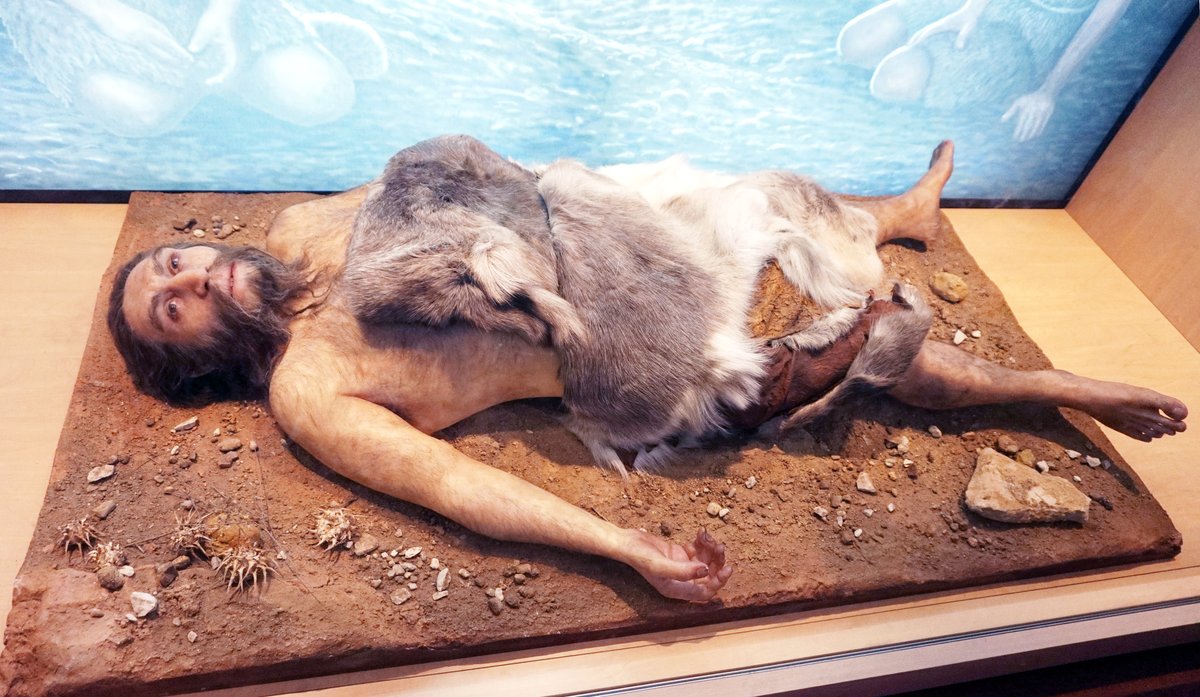
Pendant des années, une hypothèse s'est imposée dans les discussions sur la disparition des NéandertaliensNéandertaliensHumanité fossile d'Eurasie, robuste et adaptée au froid, éteinte vers 40 000 ans avant le présent.→ : leurs populations, trop isolées, trop réduites, auraient fini par s'effondrer sous le poids de l'endogamie. Dans une espèce condamnée à se reproduire en cercle fermé, les mutations délétères s'accumulent, la consanguinité augmente, la vitalité décline. Néandertal aurait ainsi disparu, moins à cause de Sapiens que de lui-même. Une nouvelle étude publiée dans Nature le 26 juin 20261 brise net cette narration : les derniers Néandertaliens du nord-ouest de l'Europe étaient génétiquement en bonne santé.
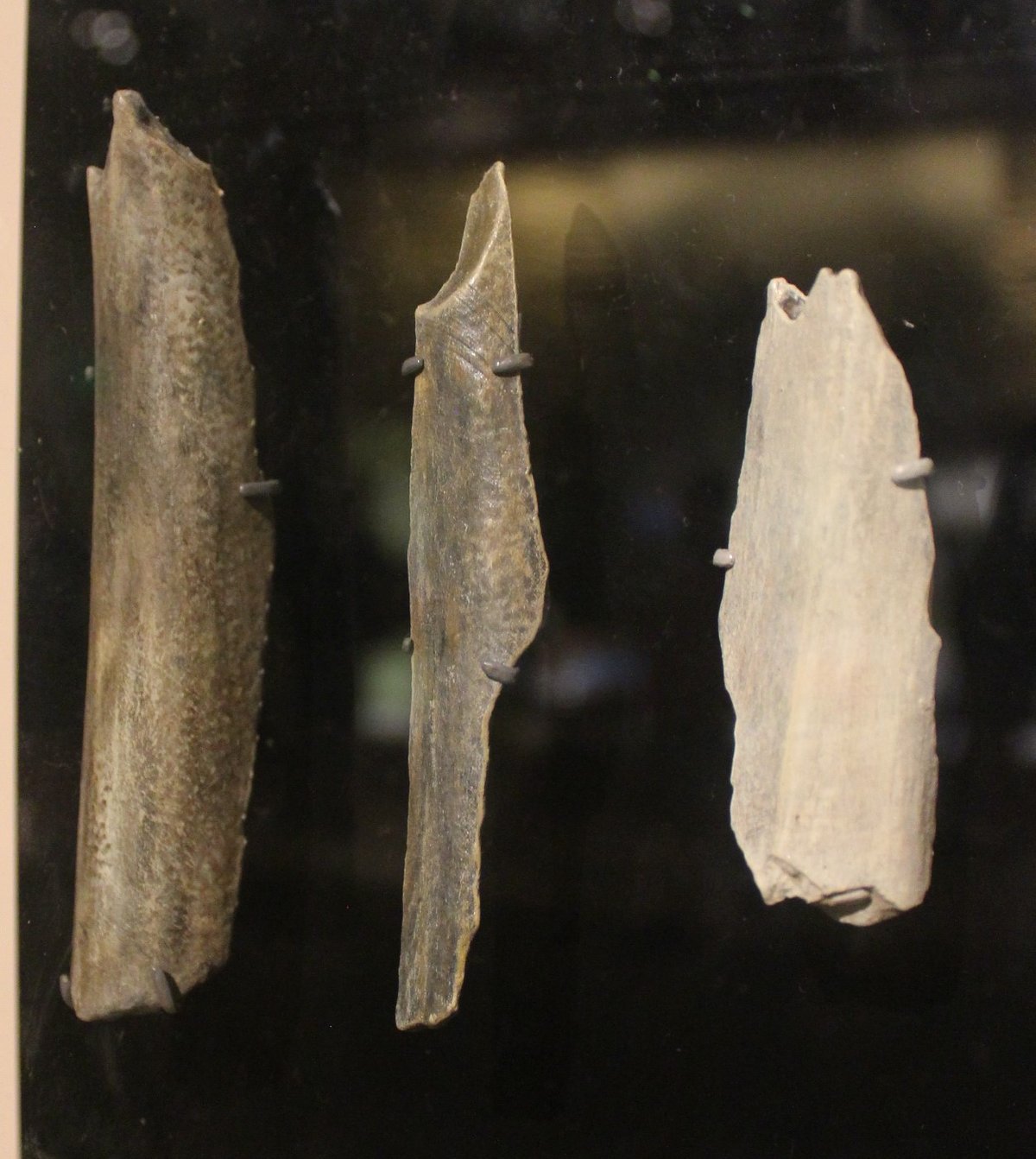
L'équipe internationale, conduite par Carles Lalueza-Fox du CSIC de Barcelone, a séquencé le génome de 27 individus néandertaliens provenant de dix sites archéologiques en Belgique et en France, datés d'environ 47 000 ans — soit juste avant l'arrivée des premières vagues d'Homo sapiensHomo sapiensEspèce humaine actuelle, apparue en Afrique il y a environ 300 000 ans, seule lignée humaine survivante après l'extinction de Néandertal et des Dénisoviens.→ en Europe occidentale2. C'est le plus grand ensemble de génomes néandertaliens jamais analysé pour une région et une période aussi ciblées, et les résultats contredisent frontalement le scénario de la dégénérescence.
Pas d'endogamie, pas d'appauvrissement génétique
Les génomes des 27 individus révèlent une diversité génétique tout à fait comparable à celle des grandes populations humaines saines. Le taux de consanguinité reste faible, bien en deçà des seuils associés à une dépression de consanguinité. Les chercheurs n'observent pas davantage d'accumulation de mutations délétères que dans des populations de taille similaire restées stables. En d'autres termes, ces derniers Néandertaliens du nord-ouest de l'Europe n'étaient pas en train de s'éteindre génétiquement de l'intérieur.
Ce résultat oblige à revisiter l'image longtemps entretenue de Néandertal comme une espèce en déclin structurel, épuisée par des millénaires d'isolement. Les données indiquent au contraire des échanges génétiques entre groupes distincts : des individus provenant de sites géographiquement éloignés présentent des signatures génomiques suggérant des contacts réguliers. Néandertal, à la veille de sa disparition, maintenait donc un réseau de flux géniques suffisant pour préserver la diversité de son espèce.
L'énigme de l'asymétrie génétique
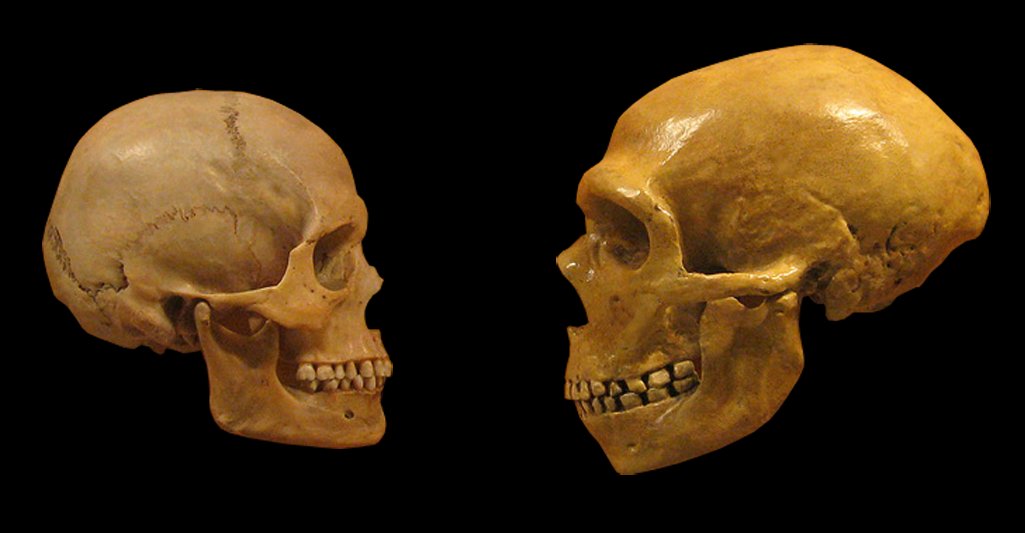
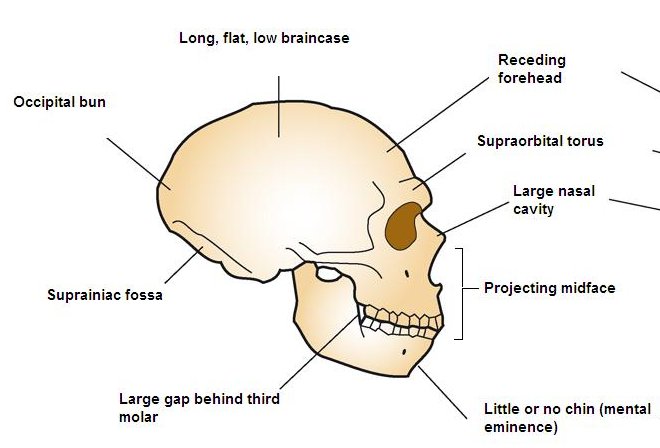
L'étude confirme et précise par ailleurs un paradoxe que la génétique avait déjà entrevue : les humains non africains d'aujourd'hui portent entre 1 et 4 % d'ADNADNMolécule porteuse de l'information génétique, utilisée pour reconstruire les liens de parenté entre espèces.→ néandertalien, hérité de croisements anciens entre Homo sapiens et Néandertal. Or, parmi les 27 individus analysés — et plus généralement parmi tous les Néandertaliens génomiquement séquencés —, aucun ne porte la moindre trace d'ADN de Sapiens. Le flux génétique est donc strictement unidirectionnel : de Néandertal vers Sapiens, jamais dans le sens inverse.
Comment expliquer une telle asymétrie ? Carles Lalueza-Fox propose une hypothèse sociale : « Il pourrait s'agir d'une asymétrie dans l'acceptation sociale. Des femmes néandertaliennes auraient pu être intégrées dans des groupes de Sapiens — ou inversement, des hommes néandertaliens auraient pu rejoindre des groupes de Sapiens — mais les échanges dans l'autre sens n'auraient pas eu lieu, ou n'auraient pas laissé de descendants qui se reproduisent ensuite dans la population néandertalienne. »2 Les mécanismes précis restent à élucider : s'agit-il de stérilité des mâles hybrides, de normes culturelles d'incorporation, de dynamiques de prédation entre groupes ? Aucune réponse définitive n'est disponible.
Alors, qu'est-ce qui les a tués ?
Si l'endogamie ne peut plus être invoquée comme cause principale, la question de l'extinction de Néandertal reste entière. Les hypothèses restent multiples et non exclusives.
La pression démographique de Sapiens est le candidat le plus sérieux. Même sans confrontation directe systématique, Sapiens, en s'installant dans les mêmes territoires et en exploitant les mêmes ressources, aurait pu exercer une compétition larvée, réduisant progressivement l'espace vital néandertalien. Des simulations démographiques suggèrent qu'un avantage reproductif même infime de Sapiens suffirait, sur quelques millénaires, à réduire les populations néandertaliennes jusqu'à leur extinction.
Le changement climatique constitue un autre facteur. Entre 44 000 et 40 000 ans, l'Europe traverse plusieurs oscillations climatiques rapides et brutales — les événements de Heinrich et de Dansgaard-Oeschger. Ces dérèglements du climatClimatConditions atmosphériques moyennes d'une région sur le long terme ; ses variations (glaciations, aridifications) ont orienté migrations, agriculture et effondrements de sociétés préhistoriques.→ récurrent auraient fragmenté les habitats et les ressources, affectant peut-être différemment les deux espèces selon leurs capacités d'adaptation.
Les maladies importées d'AfriqueAfriqueContinent berceau de l'humanité : les premiers hominines y apparaissent, puis Homo sapiens il y a environ 300 000 ans, avant l'expansion vers le reste du monde.→ par Sapiens forment une troisième hypothèse : des pathogènes auxquels les Néandertaliens n'étaient pas immunisés auraient pu ravager des populations déjà numériquement limitées. Enfin, certains modèles évoquent une absorption progressive plutôt qu'une extinction proprement dite : Néandertal se serait dissous dans Sapiens par métissageMétissageCroisement génétique entre populations ou espèces humaines ; entre Néandertal et Homo sapiens, il a laissé 1 à 2 % d'ADN néandertalien chez les non-Africains.→ répété, jusqu'à ce que sa signature génomique devienne indiscernable.
Ce que change cette étude
En réfutant l'hypothèse de l'effondrement génétique endogène, l'étude déplace le regard vers les causes exogènes — et en premier lieu vers le rôle de Sapiens dans la disparition de ses plus proches cousins. Elle suggère aussi que la trajectoire évolutive de Néandertal était, jusqu'aux dernières dizaines de millénaires, viable et dynamique. Ce n'est pas une espèce déjà mourante que Sapiens a rencontrée en arrivant en Europe : c'était une espèce robuste, bien implantée, dotée d'une santé génétique normale.
Pour les chercheurs, l'enjeu est désormais de croiser ces données génomiques avec les archives archéologiques et climatiques pour préciser le calendrier et la géographie du déclin. Les dix sites belges et français de cette étude dessinent une carte des dernières populations néandertaliennes du continent — une carte que les prochaines fouilles et les prochains séquençages aideront à compléter, jusqu'à peut-être, un jour, résoudre l'une des plus vieilles énigmes de la préhistoirePréhistoireEnsemble des périodes de l'histoire humaine antérieures à l'écriture, du Paléolithique à l'âge des métaux, connues principalement par les vestiges matériels.→ humaine.
La structure de vos articles est un modèle : accroche, développement, sources. Simple et efficace.
J'ai noté ce site dans mon carnet de voyage. La prochaine visite sera bien mieux préparée.
En tant que graphiste, je cherche des univers visuels forts. Ce site est une source d'inspiration constante.
L'utilisation des modèles de génétique des populations pour simuler l'extinction néandertalienne est une approche élégante. Ces modèles montrent qu'une légère pression démographique, même sans violence directe, aurait suffi à faire disparaitre une population déjà fragilisée sur plusieurs millénaires. La compétition indirecte pour les ressources est une cause d'extinction bien documentée dans le monde animal.
La question de l'extinction des Néandertaliens me préoccupe depuis longtemps. Ces nouvelles analyses génétiques de 2026 apportent des arguments supplémentaires en faveur d'un rôle majeur des fluctuations démographiques internes dans leur disparition, avant meme l'arrivée des Homo sapiens en Europe. La vulnérabilité des petites populations isolées est un mécanisme bien connu en biologie de la conservation.