Beneath the sands of Saqqara extends an underground world of unsuspected richness: galleries, caves, hypogea, and burialBurialThe intentional deposition of a body, sometimes with offerings; a marker of symbolic behaviour.→ chambers intertwine in a labyrinth that sometimes descends more than 30 meters deep. It is in these entrails of the necropolisNecropolisA large organised burial ground, a "city of the dead", often spanning several periods.→ that Egyptians of all periods chose to bury their dead, their sacred animals, and their treasures, creating over millennia a funerary palimpsest of extraordinary complexity.1
The Serapeum, discovered by Auguste Mariette in 1851, is one of Saqqara's underground wonders. This vast network of rock-cut galleries housed the monolithic black granite sarcophagi of the Apis bulls - sacred animals incarnating the god Ptah, then Osiris. These colossal sarcophagi, each weighing up to 70 tons, were introduced into the galleries by means that remain an enigma: some Egyptologists believe they were fashioned in situ, others that they were slid down access ramps. Most were found empty, looted since antiquity.2
Recent excavation campaigns (2018-2023) have transformed our understanding of the necropolis. In 2020, an Egyptian mission led by Mostafa Waziri uncovered nearly 60 sealed sarcophagi, stacked in three funerary shafts dating to the New Kingdom. These painted wooden coffins, containing perfectly preserved mummies, constituted an exceptional archaeological treasure. Caches of gilded bronze shabti figurines, funerary papyri, and ritual objects completed this ensemble.3
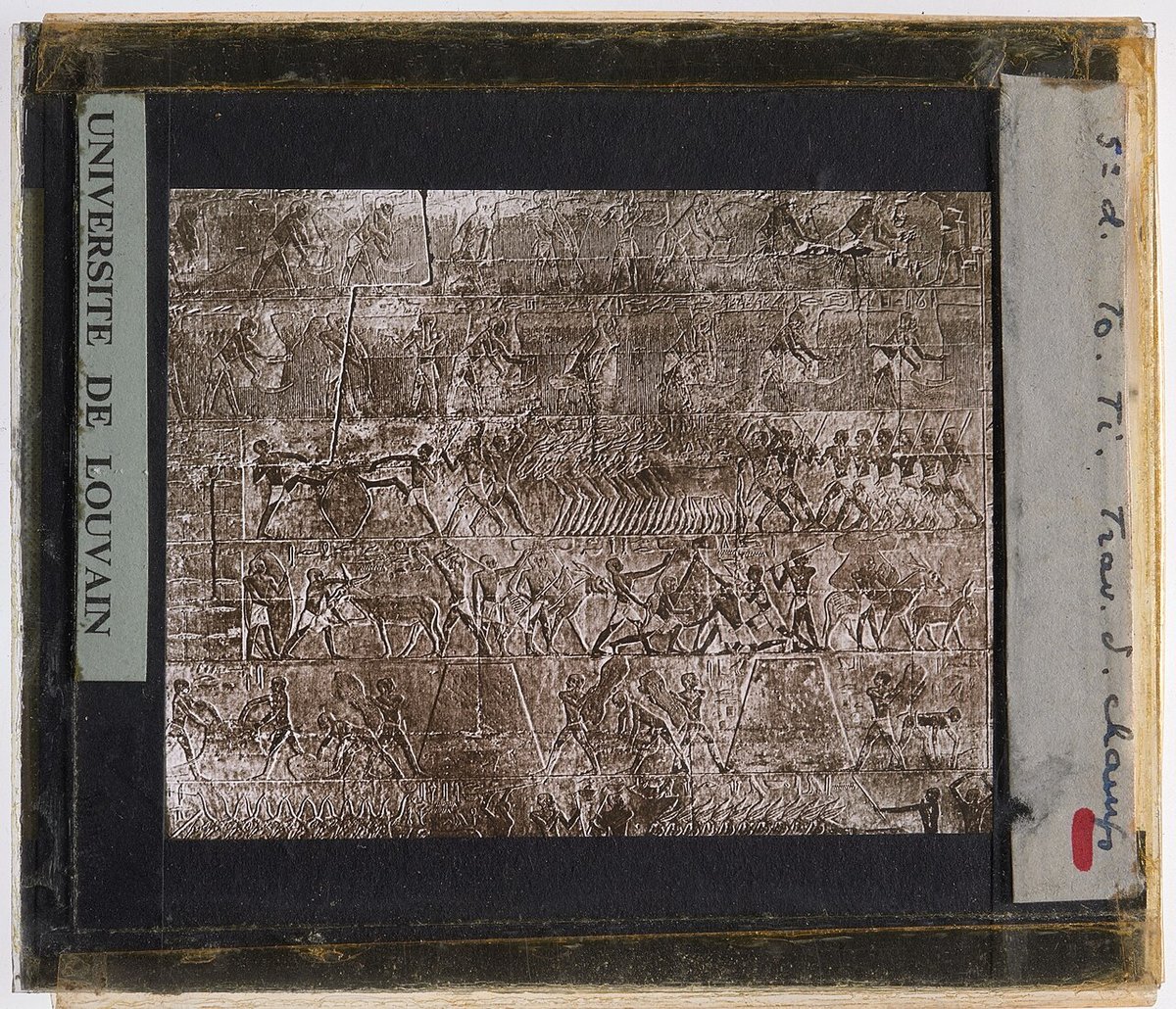
The mastaba of Ti, a relic of the Fifth Dynasty (c. 2400 BCE), offers an unparalleled panorama of daily life in the Old Kingdom. Its painted reliefs, among the best-preserved in Egypt, depict scenes of agricultureAgricultureThe cultivation of plants and production of food by working the soil, which emerged in the Neolithic in the Near East and independently elsewhere; it radically transformed human societies.→, marsh hunting, artisanal workshops, and river navigation - an encyclopedic frescoFrescoA term used by extension for large painted compositions on the walls of decorated caves, although the technique differs from the classical mural fresco.→ of Egyptian society at the height of its glory. This SLICE Histoire documentary plunges into these secret entrails and the discoveries that are rewriting the history of Saqqara.4
No comments yet. Be the first.