Archaeological excavations in the ruins of ancient Gela, a Greek city on the southern coast of Sicily, have yielded an object of great rarity: a carved bone stylus dated to the 5th century BCE, found in what appears to have been a well-to-do residential quarter of the colonial city. The object, measuring 14 centimetres in length, is carefully fashioned with a sharp point at one end and a spatula at the other, in accordance with the description of wax tablet styluses used in education and administration in Classical Greece1. Its presence in a 5th-century BCE domestic context at Gela provides direct evidence for the practice of writingWritingA system of conventional signs used to fix language or information durably; its appearance (c. 3300 BC) marks, by convention, the end of prehistory.→ in the daily life of western Greek colonies during the Classical period.
Gela, a Greek city of Sicily
Founded in 688 BCE by Greek settlers from Rhodes and Crete, Gela was one of the most important Greek cities in ArchaicArchaicRefers to an ancient, now-extinct human population or form (Neanderthals, Denisovans, ghost lineages), as opposed to anatomically modern humans.→ and Classical Sicily. Located on the southern coast of the island at the mouth of the Gelas river that gives it its name, the city controlled a vast fertile agricultural hinterland. It was the birthplace of the tragic poet Aeschylus, who died there in 456 BCE according to ancient tradition, and played a major political role in relations between the Greek cities of Sicily.
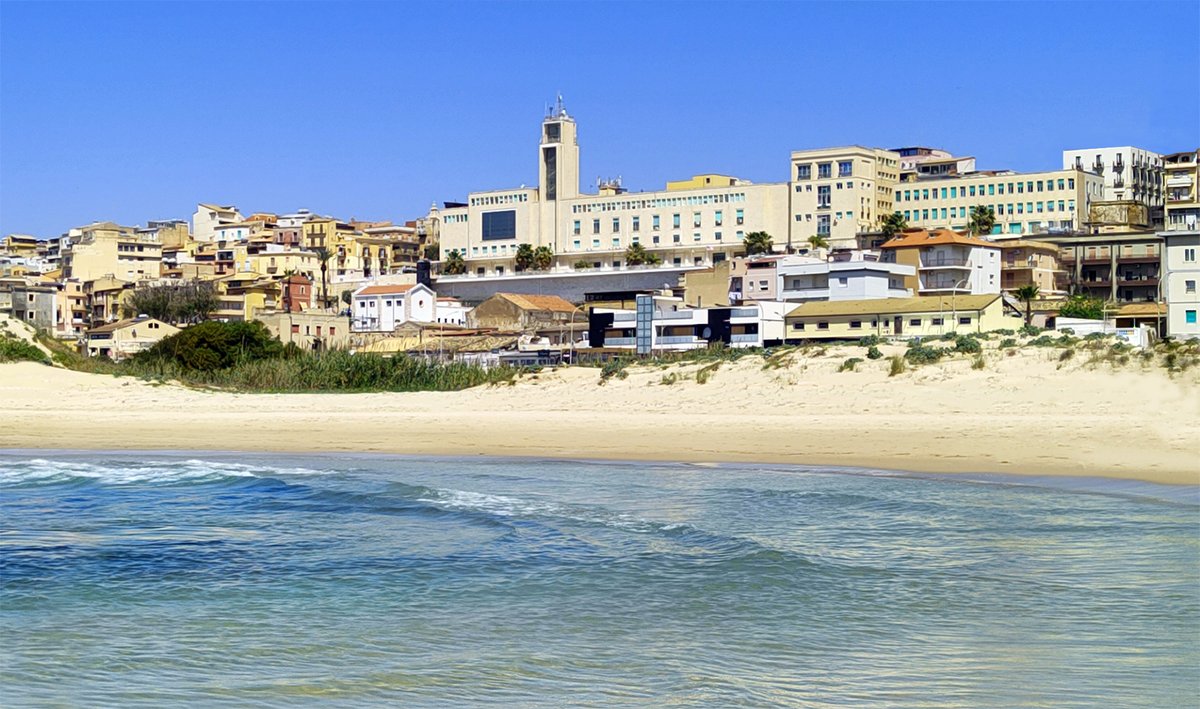
At its height in the 5th century BCE, Gela was a prosperous city with important temples, recognised ceramic production, and evolved political organisation. The city was destroyed in 405 BCE by the Carthaginians under Hannibal Mago, then rebuilt later, before gradually declining under Roman rule. Excavations at the site since the 19th century have uncovered residential quarters, sanctuaries, a necropolisNecropolisA large organised burial ground, a "city of the dead", often spanning several periods.→, and numerous everyday objects that testify to the richness of the material culture of Classical Gela2.
A stylus with dual purpose
The object found during the 2024-2025 excavations is a wax tablet stylus, the functional equivalent of a ballpoint pen for a 5th-century BCE Greek. The stylus is made from a long bone, probably a metacarpal of a large mammal, carefully worked and polished. The bimodal form is characteristic of ancient styluses: the sharpened point was used to inscribe letters on the smooth surface of a wax tablet, while the spatula end served to erase what had just been written by smoothing the wax, allowing the tablet to be reused indefinitely.
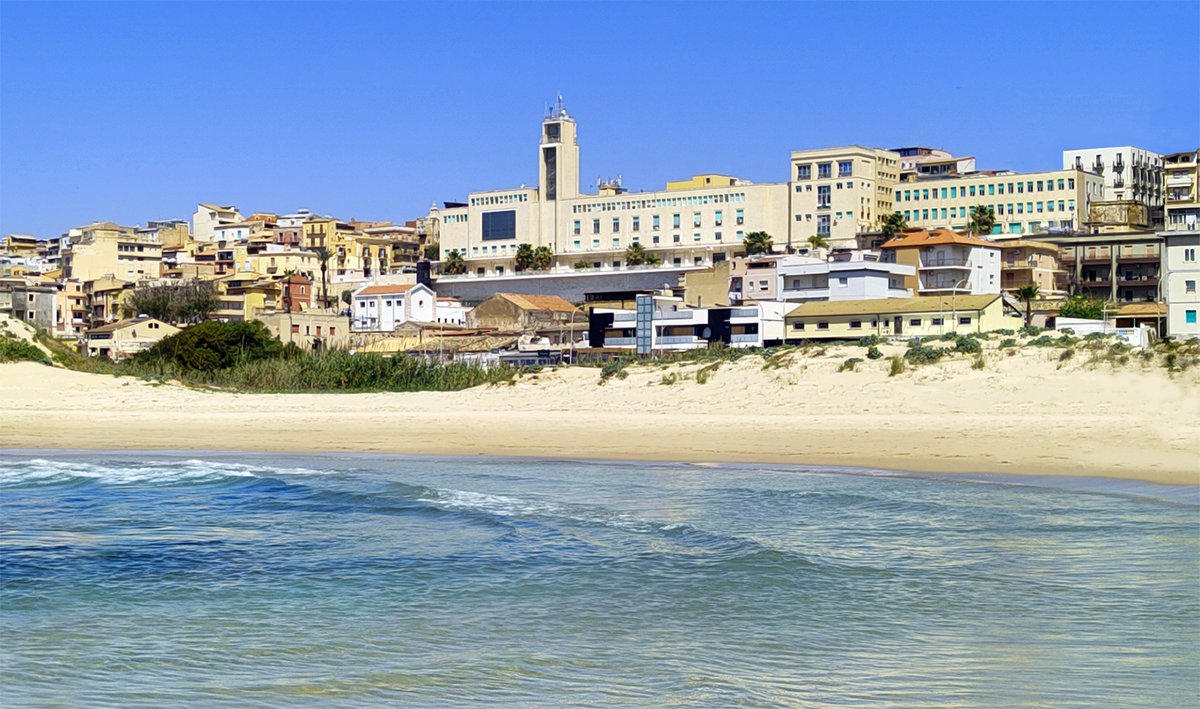
Several decorative incisions engraved near the spatula end of the Gela stylus add an aesthetic note indicating that the object had, for its owner, a value beyond the purely utilitarian. This kind of care applied to a writing implement is documented in other Greek contexts: ivory or silver styluses are mentioned in 5th and 4th-century BCE inventories as valuables belonging to notables. The bone example from Gela, more modest in material but careful in crafting, may belong to a household of the comfortable middle class3.
Literature and writing in Greek Sicily
The discovery of the stylus contributes to an important debate about the extent of literacy in the ancient Greek world. Historians have long disputed whether mastery of writing was widespread among the general population of Greek cities or reserved for an elite of professional scribes. The presence of a stylus in an ordinary domestic context of the 5th century BCE in a medium-sized Sicilian town suggests that personal use of writing was not confined to specialists.
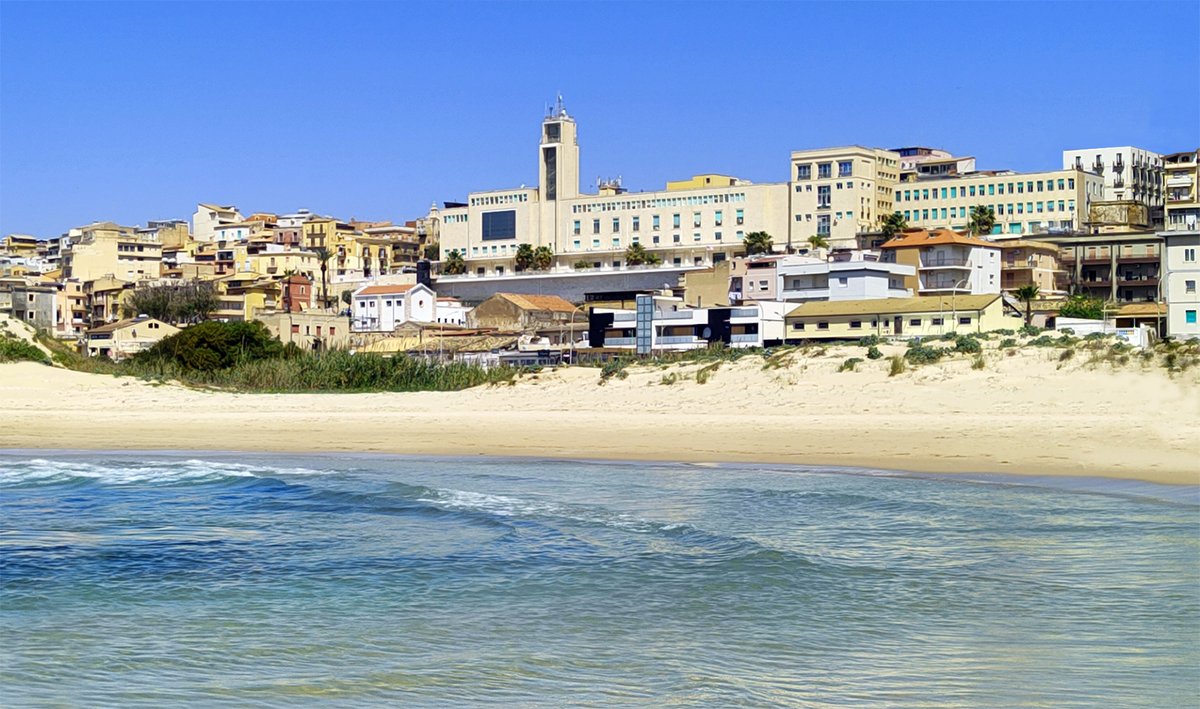
Gela was a literate city par excellence. It produced pottery bearing inscriptions, its monuments bore carved dedications, and its political life involved the drafting of legal texts and treaties. Aeschylus's presence in the city at the end of his life testifies to a cultural milieu capable of appreciating high literature. The stylus found in a residential quarter suggests that ordinary inhabitants of Gela used writing in their daily lives, probably for personal accounts, correspondence, and the education of children.
Ongoing analyses seek to determine the animal species from which the bone comes. While initial morphological observations suggest a large bovid, analysis of ancient DNAAncient DNAGenetic material preserved in old remains, often degraded, sequenced with cutting-edge techniques.→ or fossil collagen would make it possible to identify the species with certainty. This information would in turn provide data on the livestock and craft practices of 5th-century BCE Gela, revealing whether the bone came from locally raised or imported animals. The Gela stylus, modest in size but eloquent in context, illustrates the sophistication of daily life in western Greek cities at the time of their greatest cultural florescence.
No comments yet. Be the first.